
Introduction
Love With Recipes, the renowned culinary platform dedicated to sharing rich, flavorful, and wholesome recipes, presents an exquisite dish that elevates the humble vegetable curry to new heights of taste and sophistication. The Mustard Vegetable Curry embodies a perfect harmony of textures and flavors, blending the creamy richness of coconut milk with the zesty tang of Dijon mustard, all wrapped in a tapestry of aromatic Indian spices. This dish is not just a side but a celebration of the vibrant vegetable palette—carrots, green beans, peas, and potatoes—each cooked to tender perfection, yet retaining their individual character. It is a vegetarian masterpiece that embodies health, comfort, and gourmet appeal, making it an excellent addition to your culinary repertoire. Whether served with fluffy steamed rice, warm tawa parathas, or as part of a larger festive meal, this curry promises to delight your palate and impress your guests with its sophisticated flavor profile.
Time
Preparation of this Mustard Vegetable Curry is streamlined and efficient, making it suitable for weeknight dinners or weekend indulgence. The entire process, from gathering ingredients to serving, typically takes approximately 50 minutes. Here is a detailed breakdown:

- Preparation Time: 20 minutes
- Cooking Time: 30 minutes
- Total Time: 50 minutes
Needed Equipment
To craft this delicious curry, ensure you have the following kitchen equipment, which will facilitate smooth cooking and optimal results:
- Steamer or Pressure Cooker: For steaming vegetables, ensuring perfect tenderness without overcooking or undercooking.
- Deep Saucepan or Heavy-bottomed Pot: To prepare the curry base, allowing even heat distribution and preventing burning.
- Measuring Spoons and Cups: For precise measurement of spices, liquids, and oils, essential for consistency and flavor balance.
- Cutting Board and Sharp Knife: For chopping onions, garlic, and vegetables efficiently and safely.
- Grater or Microplane: To grate garlic or ginger, if included in variations of the recipe.
- Stirring Spoon or Spatula: For mixing and sautéing ingredients evenly.
- Bowls for Prepping Vegetables: Separate bowls for chopped carrots, green beans, peas, and boiled potatoes to streamline the cooking process.
- Measuring Jug or Cup: For liquids like coconut milk and vegetable stock, ensuring accurate addition.
- Thermometer (Optional): To monitor oil temperature, especially when sautéing spices.
Tags
This Mustard Vegetable Curry can be classified under various tags to enhance discoverability and relevance:
- Vegetarian
- Vegan (if vegetable stock is plant-based)
- Gluten-Free
- Healthy
- Indian Cuisine
- Vegetable Curry
- Comfort Food
- Quick & Easy
- Family-Friendly
- Spicy
Serving Size
This recipe yields approximately 4 generous servings, making it perfect for family dinners or small gatherings. Adjustments for larger or smaller groups can be made by scaling the ingredient quantities accordingly.
Difficulty Level
The preparation and cooking process for this Mustard Vegetable Curry is categorized as easy to moderate. It involves basic sautéing, steaming vegetables, and simmering, which are standard kitchen skills. Suitable for home cooks with some experience in Indian cooking or those eager to explore new flavor profiles.
Allergen Information
This dish contains:
- Mustard: Contains mustard seeds (if used), and Dijon mustard which includes mustard seeds and vinegar.
- Coconut Milk: Derived from coconuts, which may cause allergies in some individuals.
It is free from common allergens like dairy, gluten, and nuts, provided the vegetable stock is free from gluten-containing ingredients and the Dijon mustard does not contain gluten (many brands are gluten-free). Always check product labels if allergies are a concern.
Dietary Preference
This recipe is inherently vegetarian and can be made vegan with the use of plant-based vegetable stock and ensuring the Dijon mustard used is vegan-friendly. It adheres to plant-based diets and is suitable for those seeking nutritious, meat-free options.
Course
This Mustard Vegetable Curry is classified as a side dish, perfect to accompany main courses like rice, breads, or grilled proteins for a complete meal.
Cuisine
Rooted in Indian culinary traditions, this dish incorporates classic spices and cooking techniques but introduces the global twist of Dijon mustard and coconut milk, creating a fusion-style curry that appeals to contemporary palates worldwide.
Ingredients
| Ingredient | Quantity |
|---|---|
| Sunflower Oil | 2 teaspoons |
| Cumin Seeds (Jeera) | 1 teaspoon |
| Garlic (grated) | 2 cloves |
| Onions (finely chopped) | 2 onions |
| Red Chilli Powder | 1 teaspoon |
| Turmeric Powder (Haldi) | 1/2 teaspoon |
| Coconut Milk | 120 ml |
| Vegetable Stock | 1 cup |
| Dijon Mustard | 2 tablespoons |
| Carrots (Gajjar) | 2, cut into rounds or 1-inch slices |
| Green Beans (French Beans) | 5 to 6, cut into 1-inch pieces |
| Green Peas (Matar) | 1/4 cup, steamed |
| Potatoes (Aloo) | 2, boiled and diced small |
| Salt | To taste |
Instructions
Preparation of Vegetables
Begin by preparing your vegetables meticulously. The key to a perfect curry lies in the precise steaming and cooking of vegetables to retain their individual textures and flavors. Start with the potatoes: peel and cut into small cubes, then place in a steamer or pressure cooker with enough water to generate steam. Cook until tender but not mushy—about 10 minutes in a steamer or 2-3 whistles in a pressure cooker. Remove and set aside.
Next, prepare the carrots: peel and cut into rounds or thick slices, similar in size to ensure uniform cooking. Steam the carrots separately for about 8-10 minutes, or until just tender. Green beans should be trimmed and cut into 1-inch pieces, then steamed for 5-7 minutes until crisp-tender. Green peas, if frozen, should be steamed or boiled briefly until heated through, approximately 2-3 minutes. Keep all vegetables covered to prevent moisture loss and to preserve their bright colors and nutrients.
Making the Curry Base
Heat a deep, heavy-bottomed pan over medium heat. Add 2 teaspoons of sunflower oil, allowing it to warm up evenly. When the oil shimmers, add the cumin seeds. Let them sizzle for about 10-15 seconds until fragrant, releasing their earthy aroma. This step is crucial as it imparts the foundational flavor of the curry. Next, add the grated garlic and finely chopped onions. Sauté these aromatics for approximately 4-5 minutes, stirring occasionally, until the onions become translucent and slightly pink, signaling that they are cooked through and ready to absorb the spices.
Adding Spices and Liquids
Incorporate the turmeric powder and red chili powder, stirring constantly to prevent burning. Let the spices cook with the onions and garlic for about 30 seconds to 1 minute. This step is vital for unlocking the flavors of the spices and ensuring they do not taste raw in your final dish. Carefully pour in the coconut milk and vegetable stock, stirring gently to combine and create a smooth, cohesive sauce. Add the Dijon mustard at this stage, which introduces a tangy, nuanced flavor that elevates the curry beyond traditional recipes. Season with salt, starting with a small amount and adjusting to taste later, depending on the saltiness of your stock and mustard.
Bring the mixture to a gentle simmer, allowing the flavors to meld and the sauce to slightly thicken—about 5 minutes. This simmering process infuses the curry with aromatic depth and prepares it for the addition of vegetables.
Combining Vegetables and Final Cooking
Introduce the steamed carrots, green beans, peas, and boiled potatoes into the curry sauce. Stir gently to coat all vegetables evenly with the flavorful mustard-infused base. Reduce the heat to low, cover the pan with a lid, and allow everything to simmer together for an additional 3-4 minutes. This step is essential for the vegetables to absorb the curry flavors fully while maintaining their individual textures and colors. During this period, taste the curry and adjust salt or spice levels as desired.
Final Touches and Serving
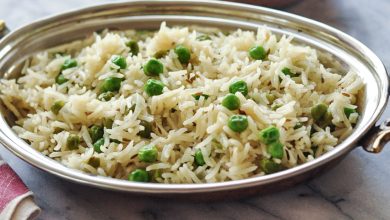
Once the curry has reached the desired consistency and flavor intensity, turn off the heat. Serve piping hot alongside steamed basmati rice, fluffy tawa parathas, or even crusty bread for a hearty, satisfying meal. Garnish with fresh coriander leaves or a squeeze of lemon for extra freshness if desired. The curry should be creamy, vibrant, and bursting with a melange of textures and flavors.
Preparation Tips
- Vegetable Uniformity: Cut all vegetables to similar sizes to ensure even cooking and consistent textures.
- Steaming Technique: Use a steamer basket or pressure cooker with minimal water to prevent sogginess and preserve nutrients.
- Flavor Layering: Toast cumin seeds before adding liquids to enhance their aroma. Add mustard and spices at different stages to build depth.
- Adjusting Spiciness: For milder curry, reduce or omit red chili powder. For extra heat, add chopped green chilies or a dash of cayenne pepper.
- Vegetable Variations: Feel free to add cauliflower florets, zucchini slices, or bell peppers for added color and texture.
Nutritional Information
| Nutrient | Amount per Serving |
|---|---|
| Calories | 180 kcal |
| Protein | 4 g |
| Carbohydrates | 28 g |
| Dietary Fiber | 6 g |
| Fat | 7 g |
| Saturated Fat | 3 g |
| Sodium | 250 mg |
| Vitamin A | 2200 IU |
| Vitamin C | 20 mg |
| Iron | 2.5 mg |
Tips and Tricks
- Enhance Creaminess: For an even richer curry, stir in a tablespoon of coconut cream or a splash of full-fat coconut milk towards the end of cooking.
- Flavor Boost: Incorporate a teaspoon of garam masala or curry powder for a more complex spice profile.
- Balance Acidity: Adding a teaspoon of lemon juice or a dash of tamarind paste after cooking can brighten the flavors.
- Meal Prep: Prepare and steam all vegetables in advance; reheat and assemble the curry quickly when needed.
- Vegetable Variations: Experiment with seasonal vegetables—sweet corn, zucchini, or eggplant—to keep the dish fresh and exciting.
Add-ons
- Fresh chopped cilantro or coriander leaves for garnish
- Crushed cashews or almonds for added crunch and nutrition
- Freshly grated ginger for an extra zing
- Chopped green chilies for heat
- Yogurt or coconut yogurt dollops for a tangy contrast (if not vegan)
Side Dishes
This Mustard Vegetable Curry pairs beautifully with:
- Steamed basmati rice or jasmine rice
- Warm tawa parathas or chapatis
- Indian-style naan bread
- Poha or upma for breakfast variations
- Simple cucumber raita or a mixed vegetable salad for freshness
Improvements
- For a smoky flavor, add a pinch of smoked paprika or charred spices during cooking.
- Incorporate roasted spices or toasted curry leaves to deepen aroma and flavor.
- Use homemade vegetable stock for enhanced taste instead of store-bought options.
- Experiment with different mustard varieties such as whole grain or brown mustard for varied textures and flavors.
- Slow simmer the curry longer for a more concentrated, intensified flavor profile.
Save and Store
Leftover Mustard Vegetable Curry can be stored in an airtight container in the refrigerator for up to 2 days. For longer storage, freeze portions in freezer-safe containers for up to 1 month. Reheat gently on the stovetop or microwave, adding a splash of water or coconut milk to restore creaminess. To keep the vegetables from becoming mushy, consider adding fresh vegetables during reheating if desired.
FAQ
Can I make this curry vegan?
Absolutely. Use a plant-based vegetable stock and ensure your Dijon mustard is vegan-friendly, which most brands are. The recipe inherently contains no dairy or animal products.
Can I substitute coconut milk with cream or yogurt?
Yes, for a richer, creamier texture, replace coconut milk with heavy cream or full-fat yogurt. However, note that yogurt may curdle if added directly to hot liquids; temper it by mixing with some hot curry sauce before incorporation.
How spicy is this curry?
The level of heat can be adjusted by modifying the amount of red chili powder or adding fresh green chilies. For milder versions, reduce or omit the chili powder.
What other vegetables can I add?
Feel free to add cauliflower florets, zucchini slices, bell peppers, or eggplant for additional color, texture, and nutritional diversity.
Can I prepare this dish ahead of time?
Yes. Prepare the curry base and steam vegetables in advance, then combine and reheat when needed. The flavors often deepen overnight, making it even more delicious the next day.
Conclusion
This Mustard Vegetable Curry exemplifies the art of transforming simple ingredients into a sophisticated, flavorful dish that celebrates vegetarian cuisine. Its unique combination of mustard’s tanginess, the creaminess of coconut milk, and the warmth of Indian spices creates a compelling flavor profile that appeals to a broad audience. Easy to prepare, nutritious, and versatile, it seamlessly fits into any meal plan, whether as a quick weeknight dinner or a centerpiece in a festive spread. The dish’s adaptability allows for countless variations—adding different vegetables, adjusting spice levels, or enhancing creaminess—making it a true culinary canvas. As you explore the depths of this recipe, remember that Love With Recipes is dedicated to sharing such enriching culinary experiences that bring joy, health, and a touch of exotic flair to your dining table.
References
1. Indian Healthy Recipes – Mustard Vegetable Curry
2. Cook With Manali – Vegetable Curry Variations