
Introduction
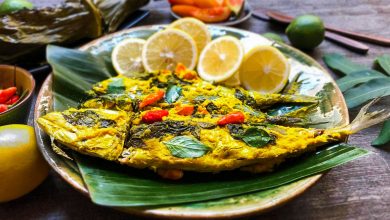
Delving into the vibrant tapestry of Indonesian cuisine reveals an array of flavorful and aromatic dishes that have been cherished through generations. Among these culinary treasures, Mangut Ikan Gabus stands out as a true testament to the rich cultural and gastronomic heritage of Indonesia. This dish, originating from the coastal and inland regions of Java and Sumatra, embodies a harmonious blend of bold spices, fresh herbs, and the luscious creaminess of coconut milk. The star ingredient, ikan gabus or snakehead fish, is prized for its firm, meaty flesh that absorbs flavors beautifully, making it ideal for slow cooking and frying alike.
At Love With Recipes, we aim to bring authentic Indonesian flavors into your kitchen with detailed guidance, ensuring you can recreate this traditional dish with precision and confidence. Whether you’re an experienced cook or a culinary enthusiast eager to explore new flavors, this comprehensive recipe will guide you through every step necessary to produce a mouthwatering Mangut Ikan Gabus that will impress friends and family alike.

Time
Preparing and cooking Mangut Ikan Gabus requires a total of approximately 1 hour and 15 minutes. This includes prep time, marinating, frying, and simmering to perfection. Here’s a breakdown:
- Preparation Time: 25 minutes
- Marinating Time: 15 minutes
- Frying Time: 10 minutes
- Simmering and Final Touches: 25 minutes
This timeline ensures the fish is adequately flavored, crispy, and tender, with the coconut milk sauce harmoniously melded for maximum taste. Patience during the simmering phase allows the spices to infuse deeply into the fish, elevating the dish’s authenticity and flavor profile.
Needed Equipment
Essential Cooking Tools
- Large frying pan or wok: For frying the ikan gabus to golden perfection. A deep-fry or cast-iron skillet works well for even heat distribution and crispiness.
- Deep pot or large saucepan: To cook the spice paste and simmer the fish in coconut milk, ensuring enough space for ingredients to move freely without crowding.
- Mortar and pestle or food processor: For blending the spice paste smoothly and efficiently.
- Knife and cutting board: For prepping ingredients, including peeling and slicing chilies, garlic, shallots, and ginger.
- Juicer or hand-held citrus squeezer: To extract fresh lime juice for marinating the fish.
- Measuring spoons and cups: To ensure accurate measurement of spices, coconut milk, and seasonings.
- Slotted spoon or skimmer: For removing the fried fish from the oil, minimizing excess oil absorption.
- Paper towels or kitchen towel: For draining excess oil from fried fish.
- Stirring spoons or spatula: For sautéing spices and stirring the coconut milk sauce.
- Serving dishes and utensils: For plating the finished dish, along with rice and side dishes.
Tags
Indonesian Cuisine, Traditional Recipe, Fish Dish, Coconut Milk, Spicy, Comfort Food, Seafood, Authentic, Home Cooking, Indonesian Spices
Serving Size
This recipe yields approximately 4 to 6 servings, depending on portion sizes. It is ideal for family dinners or small gatherings, offering a hearty and flavorful experience for all diners.
Difficulty Level
Moderate. While the steps are straightforward, attention to detail—especially during frying and simmering—is key to achieving the authentic taste and texture of Mangut Ikan Gabus. Basic cooking skills such as frying, sautéing, and handling spices are recommended but not required.
Allergen Information
- Fish: Contains fish proteins, suitable for most but not for those with fish allergies.
- Nuts: Contains candlenuts, which are related to nuts and can cause allergic reactions in some individuals. Substitute with macadamia or omit if allergic.
- Coconut: Contains coconut milk, which may affect individuals with tree nut allergies, though coconut is classified as a fruit.
Dietary Preference
Gluten-Free, Dairy-Free (if coconut milk is substituted), Paleo (with adjustments), Whole30 (with careful ingredient selection), Vegetarian (not applicable unless fish is substituted with plant-based protein).
Course
Main Course
Cuisine
Indonesian
Ingredients
Ingredient Details in Tabular Format
| Ingredient | Quantity | Preparation |
|---|---|---|
| Fresh ikan gabus (snakehead fish) | 1 kg | Cleaned, scaled, gutted |
| Lime | 1 piece | Juiced |
| Green chilies (cabe hijau teropong) | 10 pieces | Adjust to taste, sliced thinly |
| Bird’s eye chilies (cabe rawit) | 5-6 pieces | Adjust to taste, sliced thinly |
| Shallots | 6 pieces | Peeled |
| Garlic cloves | 5 cloves | Peeled |
| Candlenuts (kemiri) | 3 pieces | Use fresh or dried |
| Thick coconut milk | 700 cc | From freshly grated coconut |
| Lemongrass | 1 stalk | Bruised |
| Galangal (lengkuas) | 1 piece | Bruised |
| Kaffir lime leaves (daun jeruk purut) | 2 leaves | Whole |
| Ginger | 1 piece | Bruised |
| Salt | 1 teaspoon | – |
| Palm sugar (gula merah) | To taste | Grated or sliced |
| Cooking oil | 300 cc | For frying and sautéing |
Instructions
Step 1: Preparing the Fish
Begin by meticulously cleaning the ikan gabus. Rinse the fish thoroughly under cold running water to remove any residual scales, blood, or impurities. Use a sharp knife to remove the scales if they haven’t been scaled during purchase. Next, gut the fish carefully, ensuring the cavity is cleaned out completely. Rinse again to ensure cleanliness. Once cleaned, pat the fish dry with paper towels to remove excess moisture, which helps achieve a crispy exterior during frying.
Now, season the fish with salt, rubbing it evenly over the entire surface, including the cavity. Salt acts as a flavor enhancer and helps eliminate any residual fishy odor. After salting, squeeze the juice of one fresh lime over the fish, ensuring the citrus juice covers all sides. The acidity from the lime not only adds a tangy flavor but also tenderizes the fish, making it more succulent. Let the fish marinate for about 15 minutes, allowing the flavors to penetrate deeply. During this time, prepare your other ingredients so you can proceed seamlessly to the frying process.
Step 2: Frying the Fish
Heat the cooking oil in a deep frying pan or wok over medium-high heat. To test if the oil is ready, you can drop a small piece of bread or a tiny bit of batter; if it sizzles immediately, the oil is hot enough. Carefully place the marinated ikan gabus into the hot oil, taking care to avoid splatters. Fry the fish in batches if necessary to prevent overcrowding, which can lower the oil temperature and result in soggy fish.
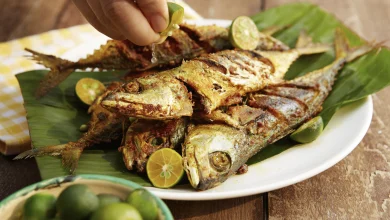
Fry the ikan gabus until it turns a deep golden brown and develops a crispy exterior, approximately 8-10 minutes depending on thickness. Use a slotted spoon or skimmer to turn the fish occasionally for even frying. Once fried, transfer the fish onto a plate lined with paper towels to absorb excess oil. This step is crucial for maintaining a crispy texture and preventing the dish from becoming greasy.
Step 3: Preparing the Spice Paste
While the fish is frying, prepare the aromatic spice paste that will form the base of the sauce. Use a mortar and pestle for a traditional touch, or a food processor for convenience. Combine the shallots, garlic, and candlenuts in the mortar or processor. Grind or pulse until you achieve a smooth, paste-like consistency. The candlenuts help to add creaminess and depth to the sauce, balancing the heat and spice from the chilies.
Slice the green chilies and bird’s eye chilies thinly, which allows their flavors to infuse thoroughly into the sauce. Set these aside for later use. The chilies contribute heat and freshness, balancing the richness of the coconut milk. Be cautious when handling the bird’s eye chilies; wearing gloves is recommended if you are sensitive to capsaicin or want to avoid skin irritation.
Step 4: Cooking the Spices
In a large pot or deep skillet, heat about 4 tablespoons of cooking oil over medium heat. Once hot, add the spice paste to the oil. Sauté, stirring constantly, until the mixture releases a fragrant aroma and turns slightly darker, approximately 5-7 minutes. This process is essential for developing the complex flavor profile characteristic of Indonesian cuisine. Be vigilant to prevent burning; adjust heat as necessary.
Add the sliced chilies, bruised galangal, bruised lemongrass, and kaffir lime leaves to the sautéed spices. Stir well, allowing the ingredients to release their essential oils and meld together. The galangal and lemongrass provide a distinctive citrusy and earthy aroma, which is a hallmark of Indonesian cooking. Continue cooking for an additional 3-4 minutes, ensuring the herbs are fragrant and the spices are well-incorporated.
Step 5: Adding the Coconut Milk
Pour the thick coconut milk into the spice mixture, stirring gently to combine. Bring the mixture to a gentle simmer over low to medium heat. Coconut milk is delicate; high heat can cause it to curdle or separate. As the coconut milk heats, it will begin to thicken and develop a rich, velvety texture. Season with salt to taste, and add palm sugar gradually, tasting as you go to achieve your desired balance of sweetness.
Stir continuously during this process to prevent the coconut milk from sticking to the bottom of the pan and burning. The simmering phase should last around 10-15 minutes, allowing the flavors to meld and the sauce to thicken slightly. Keep the heat low to ensure the coconut milk maintains its creamy consistency.
Step 6: Combining Everything
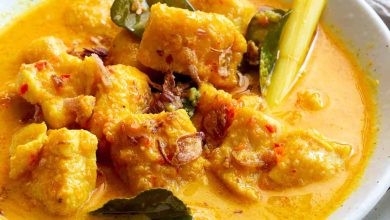
Carefully add the fried ikan gabus into the coconut milk sauce. Use a gentle hand to avoid breaking the fish apart. Submerge the fish fully into the sauce, then gently stir to coat each piece thoroughly. Adjust the heat to maintain a gentle simmer, and cook for an additional 10 minutes. During this time, the fish will absorb the flavors of the spices and coconut milk, becoming tender and flavorful.
Monitor the sauce closely to prevent it from boiling vigorously, which could cause separation or breakage of the fish. If needed, add a splash of water or coconut milk to maintain the desired consistency. The dish is ready when the sauce has thickened slightly, and the fish is tender and infused with aromatic flavors.
Step 7: Final Taste Check
Before serving, taste the sauce and adjust the seasoning. Add more salt if necessary, or a touch more palm sugar if you prefer a sweeter profile. The perfect Mangut Ikan Gabus strikes a balance between spicy, sweet, and savory. Remember, the flavors will deepen as the dish rests, so consider this when making your final adjustments.
Serving
Serve the Mangut Ikan Gabus hot, ideally accompanied by steamed jasmine rice or coconut rice to soak up the rich sauce. Pair with fresh vegetables or a simple salad to provide a refreshing contrast to the richness of the coconut milk and spices. This dish is best enjoyed immediately but can be stored for later consumption with proper reheating.
Preparation Tips
- Freshness matters: Use fresh ikan gabus for optimal flavor and texture. Fresh fish yields a firmer, more succulent result.
- Marinate thoroughly: Allow the fish to marinate with lime and salt to enhance flavor and reduce fishy odors.
- Control heat: Keep the coconut milk at low to medium heat during simmering to prevent separation.
- Adjust spice levels: Tailor the amount of chilies to your heat preference, adding more or less accordingly.
- Use fresh herbs: Fresh kaffir lime leaves and bruised lemongrass impart authentic aroma and flavor.
Nutritional Information
| Nutrient | Per Serving (approximate) | Unit |
|---|---|---|
| Calories | 420 | kcal |
| Protein | 35 | g |
| Fat | 25 | g |
| Carbohydrates | 15 | g |
| Sodium | 600 | mg |
| Fiber | 3 | g |
Note: Nutritional values vary based on specific ingredient brands and portion sizes. This estimation provides a general guideline for nutritional content.
Tips and Tricks
- Use fresh ingredients: Fresh chilies, herbs, and coconut milk significantly enhance flavor and authenticity.
- Fry the fish thoroughly: Achieving a crispy exterior adds texture and contrast to the tender interior.
- Layer flavors: Toast spices before adding coconut milk for a deeper, more complex flavor profile.
- Maintain gentle simmer: Avoid boiling the coconut milk vigorously to prevent curdling and separation.
- Customize heat levels: Adjust the types and amounts of chilies to suit your spice tolerance.
Add-ons
- Freshly chopped coriander or Thai basil for garnish.
- Steamed vegetables like bok choy, spinach, or green beans for added nutrition and texture.
- Sliced shallots and fried shallots for a crispy topping.
- Additional chili sauce or sambal for extra heat.
Side Dishes
- Steamed jasmine rice or coconut rice.
- Simple vegetable stir-fry or sautéed greens.
- Indonesian-style sambal or pickled vegetables (acar).
- Freshly sliced cucumbers and tomatoes for a cooling effect.
Improvements
- Use homemade coconut milk for an authentic, fresh flavor.
- Incorporate additional herbs such as Thai basil or cilantro for a fresh aroma.
- Experiment with different fish varieties like tilapia or grouper for varied textures and flavors.
- Add a splash of lime juice at the end for a bright, tangy finish.
Save and Store
If you have leftovers, store the dish in an airtight container in the refrigerator for up to 2 days. Reheat gently on the stovetop over low heat to preserve the sauce’s integrity and prevent separation. Avoid reheating in the microwave, as coconut milk can curdle or separate quickly.
FAQ
Can I substitute ikan gabus with other fish?
Yes, you can substitute with firm white fish such as tilapia, grouper, or snapper. Adjust cooking times accordingly to prevent overcooking or breaking apart.
Is it necessary to fry the fish first?
Frying adds texture and flavor, but you can also cook the fish directly in the sauce if you prefer a softer, poached texture. Adjust cooking times accordingly.
Can I make this dish vegan?
To make it vegan, replace coconut milk with plant-based alternatives like almond or soy milk and omit fish. Incorporate tofu or tempeh as protein sources, and adjust seasonings for flavor.
How spicy is this dish?
The spice level depends on the chilies used. Adjust the quantity of bird’s eye chilies for heat, and add more green chilies for milder flavor.
Conclusion
Embarking on the journey to create Mangut Ikan Gabus is a rewarding venture into Indonesian culinary traditions. The dish encapsulates a perfect balance of fiery heat, aromatic herbs, and rich coconut milk, making it a comforting yet sophisticated meal. Mastering this recipe allows you to bring a slice of Indonesia to your dining table, impressing guests and satisfying your own culinary curiosity. Remember, quality ingredients and patience during each step make all the difference in achieving an authentic, flavorful result that truly honors this cherished recipe. Explore, adapt, and enjoy the process of crafting this exceptional Indonesian delicacy, and don’t forget to share your culinary masterpiece with loved ones. Happy cooking!