
Introduction
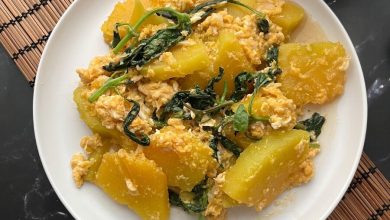
Welcome to Love With Recipes, where culinary exploration meets cultural authenticity. Today, we delve into a beloved Indonesian vegetable dish known as Sayur Obor Daun Katuk with Anchovies and Eggs. This hearty, aromatic, and flavorful recipe exemplifies the rich tapestry of Indonesian cuisine, blending fresh greens, savory anchovies, and fragrant spices into a comforting bowl that captures the essence of traditional home cooking. The dish showcases the unique taste of Katuk leaves, a nutrient-dense vegetable cherished in Southeast Asia, combined with the umami depth of dried anchovies, the richness of boiled eggs, and the subtle warmth of coconut milk. Perfect for a wholesome lunch or dinner, this dish embodies simplicity and complexity, balancing freshness with rich, savory flavors.
Time
Preparing and cooking this dish involves multiple steps that require patience and attention to detail. The total estimated time is approximately 45 to 60 minutes, broken down as follows:

- Preparation Time: 15-20 minutes (includes washing, peeling eggs, blending spices)
- Cooking Time: 30-40 minutes (includes sautéing, simmering, and final assembly)
Needed Equipment
To achieve the best results in preparing Sayur Obor Daun Katuk with Anchovies and Eggs, gather the following equipment:
- Large saucepan or wok: For cooking the main dish, allowing enough space for stirring and simmering.
- Small saucepan: For boiling eggs separately.
- Blender or food processor: To create a smooth spice paste from onion, garlic, and chilies.
- Cutting board and sharp knives: For chopping vegetables and ingredients.
- Measuring cups and spoons: For precise measurement of liquids and spices.
- Strainer or colander: For washing vegetables and anchovies.
- Frying pan or skillet: For crisping anchovies separately.
- Wooden spoon or spatula: For stirring during cooking.
- Peeler: To peel the boiled eggs easily.
- Kitchen tongs or slotted spoon: For handling hot ingredients safely.
- Serving bowls and utensils: For presenting the finished dish.
Tags
This recipe is versatile and can be tagged with the following keywords for easy categorization and searchability:
- Indonesian cuisine
- Vegetable dishes
- Seafood recipes
- Healthy meals
- Traditional recipes
- Comfort food
- Family-friendly
- Gluten-free
- High-protein
Serving Size
One standard serving of Sayur Obor with Anchovies and Eggs is approximately 1.5 cups, which comfortably serves 4 portions. Adjust quantities proportionally if preparing for a larger group or for meal prep purposes.
Difficulty Level
This recipe is of moderate difficulty, suitable for home cooks with basic culinary skills. Familiarity with boiling eggs and sautéing spices will be beneficial. The process involves multiple steps but is straightforward and rewarding.
Allergen Information
This dish contains:
- Eggs: Potential allergen for those sensitive or allergic.
- Anchovies: Fish-based ingredient that may trigger allergic reactions.
- Coconut Milk: Derived from coconut, a tree nut allergen for some individuals.
Ensure to check ingredient labels and substitute as necessary if allergies are a concern.
Dietary Preference
This recipe is naturally gluten-free and suitable for omnivores. To adapt for vegetarian diets, omit anchovies or replace them with a plant-based umami enhancer like dried seaweed or mushrooms.
Course
This dish functions as a main course or a hearty side dish, especially when paired with steamed rice. It is perfect for lunch or dinner.
Cuisine
Indonesian
Ingredients
Ingredient Table
| Ingredient | Quantity | Notes |
|---|---|---|
| Katuk leaves (Daun Katuk) | 1 bunch | Fresh, thoroughly washed |
| Eggs | 4 large | Hard-boiled and peeled |
| Dried anchovies (Ikan Teri Tanjung) | 5 small pieces | For crisping and flavor |
| Red onion | 1 medium | Chopped for blending |
| Garlic | 1 clove | Chopped for blending |
| Small chilies (Cabe Rawit) | 20 pieces | Adjust to taste for spiciness |
| Galangal (Lengkuas) | 1 thumb-sized piece | Lightly crushed |
| Coconut milk (Santan) | 2 cups | Full-fat preferred for richness |
| Bay leaves (Daun Salam) | 2 leaves | For aromatic flavor |
Instructions
Step 1: Prepare the Eggs
Start by placing the eggs in a small saucepan, covering them with cold water to ensure complete immersion. Bring the water to a rolling boil over medium-high heat. Once boiling, reduce the heat to maintain a gentle simmer and cook the eggs for exactly 10-12 minutes to achieve a hard-boiled consistency. During this time, the egg whites become firm and fully cooked, while the yolks develop a dense texture.
After cooking, carefully transfer the eggs to a bowl filled with ice water to halt the cooking process and make peeling easier. Let them sit for at least 5 minutes. Once cooled, peel the eggs gently by tapping them on a hard surface and rolling to crack the shell evenly. Set aside peeled eggs for later use.
Step 2: Prepare the Ingredients
Thoroughly wash the Katuk leaves under cold running water. Use your hands or a soft brush to remove dirt and debris. Drain well and set aside. The leaves should be fresh, vibrant green, and free of wilting or yellowing parts.
Rinse the dried anchovies in cold water to remove excess salt and impurities. Drain thoroughly and set aside. For an extra crispy texture, these anchovies will be fried separately later.
Peel the red onion and chop it roughly. Prepare the garlic by peeling and chopping or crushing it. Slice the small chilies into rounds or leave whole depending on desired heat level.
Lightly crush the galangal using the flat side of a knife or a mortar and pestle to release its aromatic oils. This enhances the flavor infusion during cooking.
Step 3: Blend the Spices
In a blender or food processor, combine the chopped red onion, garlic, and small chilies. Blend until a smooth, fragrant paste forms. If the mixture is too thick, add a teaspoon of water to facilitate blending. The spice paste should be fragrant, slightly oily, and uniform in texture, which contributes to the depth of flavor in the dish.
Step 4: Cook the Spices
Heat a large pan or wok over medium heat. Add a tablespoon of vegetable oil—preferably coconut or palm oil for authentic flavor. Once the oil is hot, add the blended spice mixture. Sauté, stirring constantly, until the paste turns a deep golden color and releases a fragrant aroma, approximately 3-5 minutes. This process, known as ‘bumbu,’ is essential to develop the dish’s base flavor and to eliminate raw spice taste.
Be careful not to burn the spices; adjust the heat as needed. The sizzling and fragrant aroma signal readiness for the next step.
Step 5: Add the Coconut Milk
Pour the 2 cups of coconut milk into the pan with the sautéed spices. Stir thoroughly to combine, ensuring that the spice paste disperses evenly in the coconut milk. Bring the mixture to a gentle simmer over low to medium heat. This step allows the flavors to meld and the coconut milk to thicken slightly, creating a rich, flavorful broth.
Simmer for 3-5 minutes, skimming off any foam or impurities that may rise to the surface, to maintain clarity and purity of flavor.
Step 6: Incorporate Vegetables and Protein
Add the washed Katuk leaves into the simmering broth. Gently stir to submerge the leaves and allow them to wilt, which should take about 3-5 minutes. The leaves are tender and flavorful when they turn a darker shade of green.
Next, add the peeled eggs, placing them gently into the broth to prevent breaking. This allows the eggs to absorb some of the flavors from the broth while maintaining their structure.
Drop in the crushed galangal and bay leaves to infuse additional aroma and depth. Stir gently to distribute evenly. Reduce the heat to low and continue simmering to allow the flavors to develop further.
Step 7: Cook the Anchovies
In a separate dry skillet or frying pan, heat a small amount of oil over low heat. Add the dried anchovies, spreading them out in a single layer. Cook slowly, turning occasionally, until they become crispy and golden brown—about 5-7 minutes. This slow frying enhances their umami flavor and adds a delightful crunch.
Once crispy, transfer the anchovies to a paper towel-lined plate to drain excess oil.
Step 8: Combine and Final Simmer
Add the crispy anchovies to the main pot of vegetable and broth mixture. Stir gently to distribute the anchovies throughout the dish. Continue simmering on low heat for another 5-10 minutes, allowing the flavors to meld harmoniously. The Katuk leaves should be tender but not overcooked, and the broth should be flavorful and fragrant.
Taste the broth and adjust seasoning if necessary, adding salt or additional chili for heat if preferred.
Step 9: Serve
Remove the bay leaves and galangal pieces before serving. Ladle the hot Sayur Obor into serving bowls, ensuring each portion contains a good mix of greens, eggs, and anchovies. Serve immediately with steamed white rice for a complete, satisfying meal.
Optional garnishes include chopped fresh chili, sliced scallions, or fresh herbs like cilantro or basil for added aroma and visual appeal.
Preparation Tips
- Freshness matters: Use fresh Katuk leaves for optimal flavor and nutrients. The leaves should be bright green, tender, and free of wilting or yellowing.
- Adjust spice levels: Modify the number of small chilies according to your heat preference. For milder flavor, remove some or all of the seeds before blending.
- Peeling eggs: Peeling hot eggs can be tricky; immerse them in cold water immediately after boiling to facilitate peeling and prevent tearing.
- Handling anchovies: Cook dried anchovies slowly to unlock their umami richness and achieve crispy texture without burning.
- Flavor layering: Toasting the blended spices before adding coconut milk intensifies aroma and depth.
Nutritional Information
| Nutrient | Per Serving (approximate) |
|---|---|
| Calories | 220 kcal |
| Protein | 12 g |
| Fat | 14 g |
| Carbohydrates | 15 g |
| Fiber | 4 g |
| Sugar | 3 g |
| Sodium | 480 mg |
Note: Nutritional values may vary based on ingredient brands and portion sizes.
Tips and Tricks
- Use fresh ingredients: Fresh Katuk leaves and dried anchovies greatly influence the flavor profile. Fresher ingredients yield more vibrant flavors.
- Infuse with aromatics: Adding bay leaves and galangal enhances the aromatic complexity, making the dish more fragrant and authentic.
- Control heat: Adjust the number of chilies to suit your spice tolerance. Remove seeds for milder taste.
- Achieve optimal texture: Do not overcook the Katuk leaves; tender yet slightly crisp leaves retain the best flavor and nutrients.
- Enhance umami: Crispy anchovies add a savory crunch, but you can substitute with fried tempeh or tofu for a vegetarian version.
Add-ons
- Chopped fresh herbs such as cilantro or basil for garnish
- Sliced scallions or shallots for added freshness
- Fried shallots or garlic for extra crunch and aroma
- Fresh sliced chili for an extra spicy kick
Side Dishes
- Steamed jasmine or basmati rice
- Indonesian coconut rice (Nasi Uduk)
- Fried plantains or cassava for sweetness and texture contrast
- Fresh vegetable sambal for added heat and tang
Improvements
- Incorporate a splash of lime juice or tamarind paste at the end for tangy brightness.
- Add a dash of fish sauce or soy sauce for deeper umami if desired.
- Experiment with different greens like spinach or kangkung for variation.
- Use homemade or high-quality coconut milk to enhance richness and flavor.
Save and Store
This dish is best enjoyed fresh, but leftovers can be stored in an airtight container in the refrigerator for up to 24 hours. Reheat gently over low heat, adding a splash of water or coconut milk if necessary to restore the broth’s richness. Avoid freezing, as the texture of the greens may degrade upon thawing.
FAQ
Can I substitute Katuk leaves with other greens?
Yes, if Katuk is unavailable, you can use spinach, kangkung, or other leafy greens with similar texture and flavor, though the taste profile will differ slightly.
Is this dish suitable for vegetarians?
While naturally non-vegetarian due to anchovies and eggs, you can make it vegetarian by omitting anchovies and eggs. Replace anchovies with dried seaweed or mushrooms for umami flavor, and add extra vegetables or tofu for protein.
How spicy is this dish?
The spiciness depends on the number of small chilies used. Adjust according to your preference; removing seeds can also reduce heat.
What are the health benefits of Katuk leaves?
Katuk leaves are rich in vitamins A, C, and E, and contain antioxidants, fiber, and plant-based proteins. They are traditionally believed to support lactation, boost immunity, and promote overall health.
Conclusion
Discovering and preparing Sayur Obor Daun Katuk with Anchovies and Eggs is a culinary journey that celebrates Indonesian flavors and traditional cooking techniques. The dish’s harmony of fresh greens, savory anchovies, fragrant spices, and creamy coconut milk results in a nourishing, flavorful meal that delights the senses. Whether served as a main or complemented by rice and side dishes, it embodies the essence of home-cooked comfort food. The detailed steps and tips provided ensure a successful cooking experience, even for those new to Indonesian cuisine. As always, love and care in preparation shine through, making every bite a testament to the rich culinary heritage celebrated on Love With Recipes.
References
For further reading on Indonesian cuisine and ingredients:
- Leung, A. (1993). Fried Banana, Rice, and Vegetables: An Indonesian Food Journey. Periplus Editions.
- Nurdin, R. (2011). Indonesian Food & Cookery. Periplus Editions.