

 Introduction
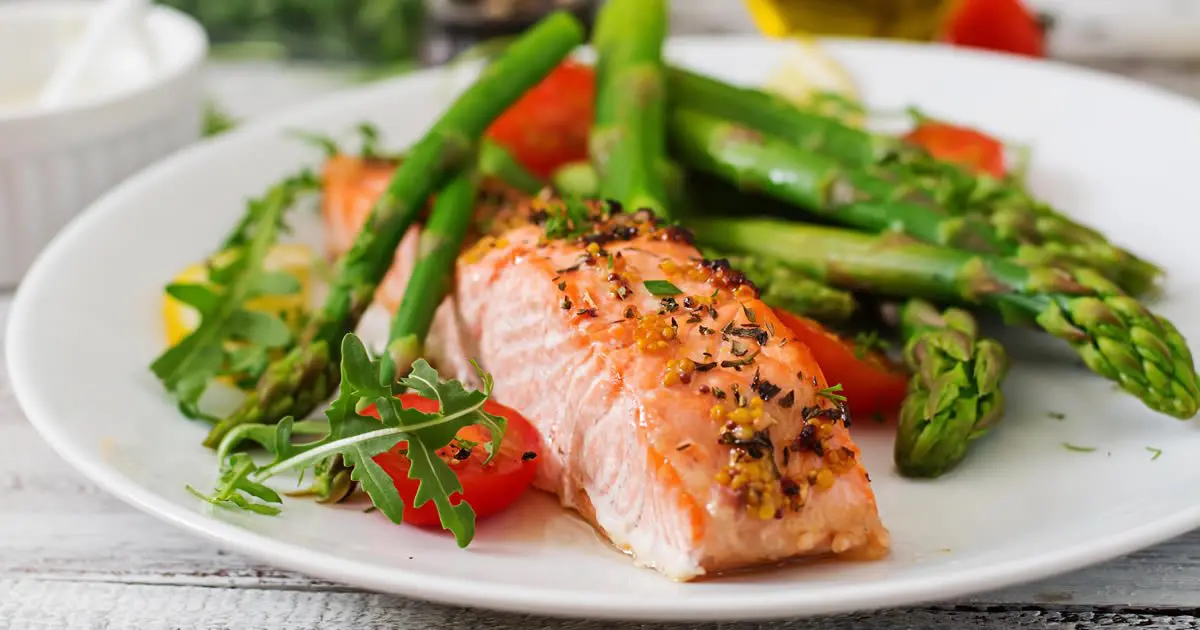
At Love With Recipes, we believe that the perfect dish not only satisfies your palate but also nourishes your body, fits seamlessly into your lifestyle, and brings a touch of elegance to your table. The recipe for Asparagus With Salmon, Tomato, and Bocconcini Dressing exemplifies this philosophy. Combining the earthy freshness of asparagus, the rich flakiness of perfectly cooked salmon, the juicy vibrancy of ripe tomatoes, and the creamy tang of bocconcini cheese, all brought together with a flavorful herbaceous dressing, this dish is a symphony of textures and flavors. Whether prepared for a special dinner, a weekend brunch, or a health-conscious lunch, this recipe promises both visual appeal and nutritional balance. It showcases the Mediterranean and Italian culinary traditions, emphasizing fresh, wholesome ingredients, and a simple yet sophisticated approach to cooking.
Time
The total preparation and cooking time for this dish is approximately 40 to 50 minutes. This includes active cooking, dressing preparation, assembly, and resting time. The breakdown is as follows:

- Preparation of ingredients (trimming, chopping, etc.): 10-15 minutes
- Blanching asparagus: 3-5 minutes
- Cooking salmon (grilling, pan-searing, or baking): 15-20 minutes
- Making the dressing: 5 minutes
- Assembly and final presentation: 5-10 minutes
The recipe is designed to be efficient, making it suitable even for weeknights when you want a nutritious meal without spending hours in the kitchen.
Needed Equipment
To prepare this dish effectively, gather the following equipment:
- Large pot for boiling water
- Ice bath or large bowl filled with ice and water
- Cutting board
- Sharp chef’s knife
- Measuring spoons and cups
- Small mixing bowl for dressing
- Whisk or fork for emulsifying dressing
- Baking sheet or grill pan (alternatively, a skillet or frying pan)
- Tongs or spatula for flipping salmon
- Serving platter or individual plates
- Small spoon or drizzle for dressing application
- Optional: Food thermometer to check salmon doneness
Tags
Healthy, Mediterranean, Italian, Seafood, Vegetarian-friendly (omit salmon), Low-carb, High-protein, Quick & Easy, Elegant, Fresh, Summer Recipes
Serving Size
This recipe serves 2-4 people, depending on portion sizes. For larger gatherings or family meals, simply multiply ingredients accordingly. Typical serving includes a generous portion of asparagus, a portion of salmon, fresh tomatoes, and bocconcini, topped with flavorful dressing.
Difficulty Level
Intermediate. While the components are straightforward, achieving perfect salmon doneness and maintaining vibrant green asparagus requires attention to timing. Mastering the dressing and presentation also enhances the overall experience.
Allergen Information
| Allergen | Contains |
|---|---|
| Dairy | Bocconcini cheese |
| Fish | Salmon |
| Possible cross-contamination | Kitchen utensils, surfaces |
If you have dairy or seafood allergies, this dish can be modified by omitting bocconcini or substituting salmon with a plant-based protein.
Dietary Preference
This dish is suitable for pescatarians and can be adapted to gluten-free or low-carb diets. For vegan or dairy-free options, replace bocconcini with plant-based cheese alternatives and omit the salmon, substituting with grilled vegetables or tofu.
Course
Main Course
Cuisine
Mediterranean, Italian
Ingredients
Ingredients Table
| Ingredient | Quantity | Preparation |
|---|---|---|
| Fresh asparagus | 1 bunch (about 1 lb / 450 g) | Trim tough ends |
| Salmon fillets | 2 (about 6 oz / 170 g each) | Skin on or off, seasoned as desired |
| Ripe tomatoes | 2 medium | Sliced or diced |
| Bocconcini cheese | 8 oz (about 20 small balls) | Rinsed and drained |
| Olive oil | 1/4 cup (60 ml) | For dressing and cooking |
| Balsamic vinegar | 2 tablespoons (30 ml) | For dressing |
| Garlic | 2 cloves | Minced |
| Fresh basil leaves | 1/4 cup (roughly chopped) | For dressing and garnish |
| Oregano (dried or fresh) | 1 teaspoon dried or 1 tablespoon fresh | For dressing |
| Salt | To taste | For seasoning |
| Black pepper | To taste | Freshly ground |
Instructions
Step 1: Prepare the Asparagus
Begin by selecting fresh, vibrant asparagus spears. Hold each spear at both ends and gently bend it until it naturally snaps; this indicates the point where the tough, woody part ends. Trim these tough ends with a sharp knife or simply snap off. This method ensures you discard only the inedible parts, leaving the tender, flavorful portions intact.
Next, bring a large pot of water to a rolling boil. Add a pinch of salt to enhance flavor. Carefully place the trimmed asparagus into the boiling water and blanch for approximately 2-3 minutes. The goal here is to cook the asparagus until it is tender yet still crisp, maintaining its bright green color and fresh flavor. To prevent overcooking, set a timer and watch closely.
Once the asparagus reaches the desired tenderness, quickly transfer it to an ice bath prepared by filling a large bowl with ice and cold water. Use tongs or a slotted spoon to gently submerge the asparagus in the ice water, stopping the cooking process and preserving the vibrant color. Leave it in the ice bath for at least 2 minutes, then drain thoroughly and set aside on paper towels or a clean towel to dry.
Step 2: Cook the Salmon
While the asparagus cools, prepare the salmon fillets. Pat them dry with paper towels to remove excess moisture, which helps achieve a good sear or grill. Season each fillet generously with salt and freshly ground black pepper. You can also brush the fillets lightly with olive oil to prevent sticking and enhance browning.
Choose your preferred cooking method—grilling, pan-searing, or baking:
- Grilling: Preheat the grill to medium-high heat. Place the salmon skin-side down (if skin-on) on the grill grates. Grill for about 4-5 minutes per side, depending on thickness, until the salmon flakes easily with a fork.
- Pan-searing: Heat a non-stick or cast-iron skillet over medium-high heat. Add a tablespoon of olive oil. When hot, place the salmon fillets skin-side down (if applicable). Cook for 4-5 minutes, then flip and cook an additional 3-4 minutes, or until desired doneness.
- Baking: Preheat oven to 400°F (200°C). Place seasoned salmon on a parchment-lined baking sheet. Bake for 12-15 minutes, or until the fish flakes easily and reaches an internal temperature of 125-130°F for medium doneness.
Use a food thermometer if needed to ensure proper doneness. Remove the cooked salmon from heat and let rest briefly before slicing or serving.
Step 3: Make the Dressing
In a small mixing bowl, combine 1/4 cup of high-quality extra virgin olive oil, 2 tablespoons of balsamic vinegar, and 2 minced garlic cloves. Add chopped fresh basil and oregano. Season with salt and freshly ground black pepper to taste. Whisk vigorously until the dressing emulsifies into a smooth, cohesive mixture. Taste and adjust seasoning if necessary. This dressing will serve as the flavor-enhancing drizzle that ties all the components together beautifully.
Step 4: Assemble the Dish
On a large serving platter or individual plates, artfully arrange the blanched asparagus in a fan or linear pattern. Place slices or chunks of the cooked salmon alongside or on top of the asparagus. Distribute the sliced or diced tomatoes evenly over the plate, adding bursts of color and freshness.
Gently place bocconcini cheese balls around the dish, allowing them to nestle among the vegetables and salmon, creating a creamy contrast. Drizzle the prepared dressing generously over the asparagus, salmon, tomatoes, and bocconcini, allowing the flavors to meld. You may also add additional fresh basil leaves or a light balsamic reduction drizzle for extra visual appeal and taste.
Serve immediately, either at room temperature or slightly warm, to enjoy the full spectrum of flavors and textures.
Preparation Tips
- Use the freshest ingredients possible—fresh salmon, ripe tomatoes, and high-quality bocconcini make all the difference.
- When blanching asparagus, avoid overcooking; the goal is bright green, crisp-tender spears.
- For even cooking, let salmon sit at room temperature for 10-15 minutes before cooking.
- Experiment with different herbs—parsley or dill can also complement this dish well.
- To enhance presentation, arrange ingredients thoughtfully, emphasizing vibrant colors and contrasting textures.
Nutritional Information
| Nutrient | Per Serving (approximate) |
|---|---|
| Calories | 350-400 kcal |
| Protein | 30-35 g |
| Carbohydrates | 10-15 g |
| Dietary Fiber | 4-6 g |
| Sugars | 3-5 g |
| Fat | 20-25 g |
| Saturated Fat | 4-6 g |
| Cholesterol | 60-70 mg |
| Sodium | 350-400 mg |
| Vitamin A | 20-25% DV |
| Vitamin C | 20-25% DV |
| Calcium | 10-15% DV |
| Iron | 15-20% DV |
Tips and Tricks
- Salmon doneness: Use a thermometer to ensure perfect medium doneness—125°F (52°C) internal temperature is ideal.
- Dress it up: Add lemon zest or a squeeze of lemon juice to the dressing for extra brightness.
- Color contrast: Use heirloom tomatoes or cherry tomatoes for more vibrant color.
- Herb variations: Fresh thyme or rosemary can add aromatic complexity.
- Presentation: Serve on rustic wooden platters or elegant white plates for different visual effects.
Add-ons
- Grilled lemon halves for squeezing over the dish
- Toasted pine nuts or walnuts for added crunch
- Freshly chopped chives or parsley for garnish
- A drizzle of honey or a sprinkle of chili flakes for a flavor twist
- Served with crusty artisan bread or garlic bread on the side
Side Dishes
- Crusty sourdough or baguette slices
- Light mixed greens salad with vinaigrette
- Roasted baby potatoes with herbs
- Steamed or roasted seasonal vegetables
- Quinoa or couscous salad with herbs and lemon
Improvements
- Incorporate marinated artichokes or roasted peppers for extra flavor complexity.
- Use smoked salmon instead of fresh for a different smoky dimension.
- Include a touch of Dijon mustard in the dressing for added depth.
- Experiment with different cheeses, such as burrata or feta, for varied textures and flavors.
Save and Store
This dish is best enjoyed fresh to preserve the texture of asparagus and the freshness of the ingredients. If needed, store leftovers in an airtight container in the refrigerator for up to 24 hours. The salmon can be gently reheated or enjoyed cold. Assemble just before serving to prevent sogginess, especially for the asparagus and bocconcini. For meal prep, prepare the dressing separately and assemble the components shortly before serving.
FAQ
Can I substitute the salmon with chicken or plant-based proteins?
Yes, for a non-seafood alternative, grilled chicken breast or tofu can be used. Adjust cooking times accordingly. For vegan options, omit the cheese or substitute with plant-based cheese.
Is this dish suitable for gluten-free diets?
Absolutely. All ingredients are naturally gluten-free. Just ensure any added bread or side dishes are also gluten-free.
Can I prepare components in advance?
Yes, blanch and refrigerate asparagus, cook and store salmon, and prepare the dressing ahead. Assemble just before serving to maintain freshness.
What wine pairs well with this dish?
A crisp white wine such as Sauvignon Blanc, Pinot Grigio, or a light Chardonnay complements the flavors beautifully. For a sparkling option, dry Prosecco also works well.
Conclusion
This Asparagus With Salmon, Tomato, and Bocconcini Dressing is an elegant, healthful, and palate-pleasing dish that celebrates fresh ingredients and simple techniques. Perfect for impressing guests or elevating a casual meal, it embodies Mediterranean freshness and Italian vibrancy. Its balanced combination of proteins, vegetables, and healthy fats makes it a nutritious choice that doesn’t compromise on flavor or presentation. At Love With Recipes, we encourage you to experiment with the ingredients, adapt the dressing to your taste, and make this dish your own culinary masterpiece. Enjoy cooking, and more importantly, enjoy sharing this delightful meal with loved ones!
References
Sources include culinary traditions from Italy and the Mediterranean region, with general nutritional guidelines from the USDA Food Database and health benefits summarized from scientific literature on omega-3 fatty acids and antioxidants.