

Introduction
Discover the art of preparing succulent, flavorful Cornish game hens infused with the vibrant zest of orange and the natural sweetness of honey. This recipe, featured on Love With Recipes, offers an elegant yet approachable way to elevate your dinner table with minimal fuss. The combination of crispy skin and tender meat, glazed in a luscious honey-orange sauce, transforms a simple poultry dish into a memorable culinary experience. Whether you’re planning an intimate romantic dinner or a cozy family gathering, this dish promises to impress with its perfect balance of sweetness, citrus brightness, and savory spices. The process involves careful seasoning, citrus infusions, and a slow roasting method that ensures each bite is moist, juicy, and bursting with flavor. The recipe is adaptable for various dietary preferences and makes a stunning centerpiece for any special occasion or weekend feast.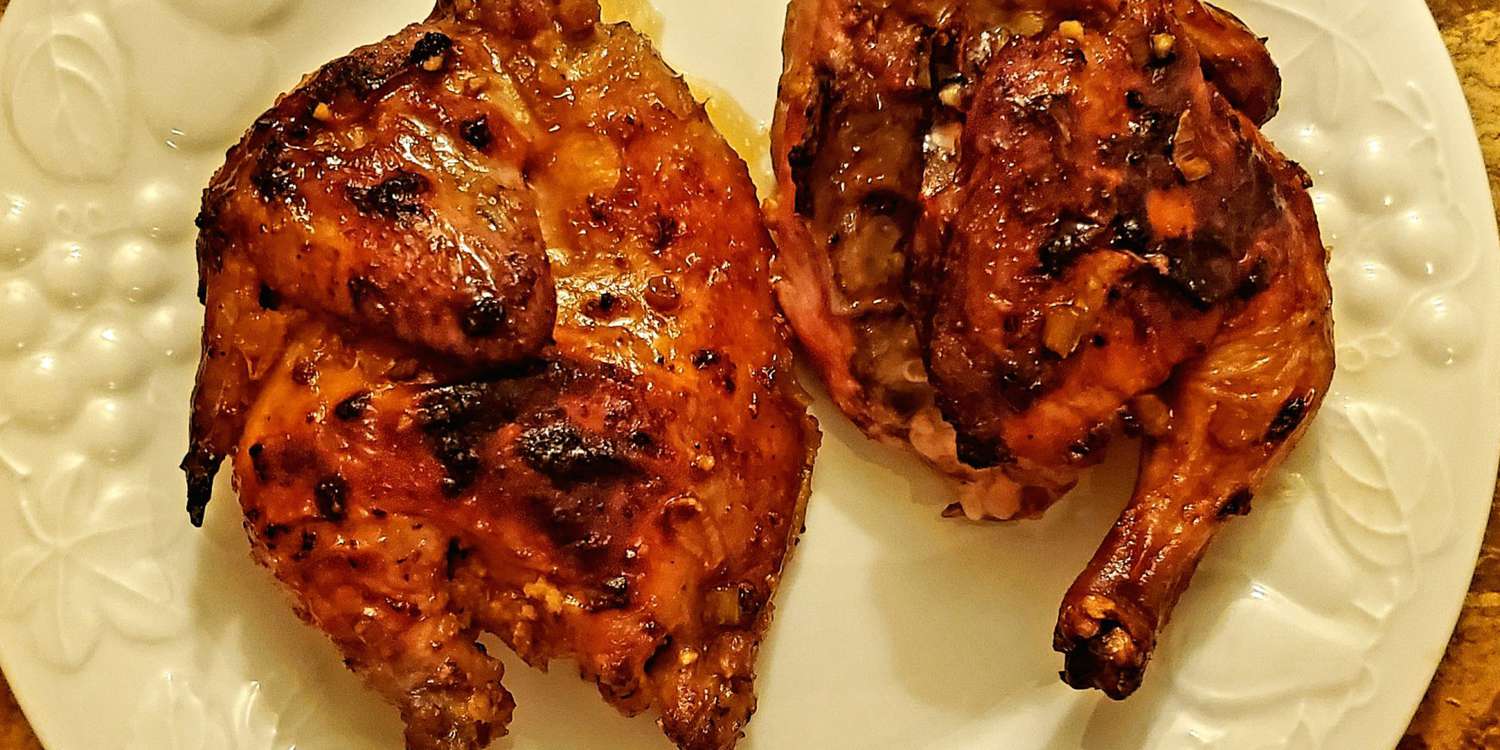

Time
- Preparation Time: 16 minutes
- Cooking Time: 50 minutes
- Total Time: 1 hour and 6 minutes
Needed Equipment
- Oven: Standard kitchen oven, preheated to 375°F (190°C)
- Roasting Pan: Large enough to hold two Cornish hens comfortably, preferably with a rack for even air circulation
- Small Saucepan: For preparing the honey-orange glaze
- Mixing Bowls: For seasoning and glaze preparation
- Measuring Spoons and Cups: For accurate measurement of ingredients
- Sharp Knife and Cutting Board: For citrus and spice preparation
- Kitchen Twine: Optional, for trussing the hens
- Cooking Thermometer: To ensure proper internal temperature
- Serving Platter: For presenting the finished dish
- Aluminum Foil: For resting or covering if needed
Tags
- Gluten-Free
- Low Carb
- High Protein
- Elegant Dinner
- Holiday Recipe
- Family Friendly
- Roast Poultry
Serving Size
This recipe yields two generous servings, perfect for sharing a special moment with a loved one or a small family gathering. Each serving includes one Cornish hen, complemented by your choice of side dishes to create a balanced and satisfying meal.
Difficulty Level
Intermediate — requires basic roasting skills, proficiency in seasoning, and a little attention to detail for basting and glaze preparation. However, the steps are straightforward, and with careful execution, even novice cooks can achieve restaurant-quality results.
Allergen Information
- Contains: Honey (bee product), citrus (orange)
- Note: If you have allergies to honey or citrus, consider substituting with maple syrup or apple juice concentrate for the glaze, and a splash of lemon juice instead of orange.
Dietary Preference
- Gluten-Free: Yes (ensure honey is pure and no gluten-containing ingredients are added)
- Vegetarian: No
- Pescatarian: No
- Keto-Friendly: Yes, with minor adjustments (e.g., reducing honey)
Course
Main course / Entrée — perfect as the centerpiece of a multi-course dinner or a standalone dish for special occasions.
Cuisine
American / Contemporary
Ingredients
Ingredient Table
| Quantity | Ingredient |
|---|---|
| 2 | Cornish game hens, about 1 to 1.25 pounds each |
| 1 teaspoon | Salt, fine sea salt or kosher salt |
| 1 teaspoon | Dried basil |
| ½ teaspoon | Allspice, ground |
| ½ | Orange, large (preferably navel or Valencia) |
| ½ cup | Water |
| 2 tablespoons | Honey, pure and preferably organic |
| 1 tablespoon | Butter, unsalted |
Instructions
Step 1: Preheat the Oven
Set your oven to 375°F (190°C). Allow it to fully preheat to ensure even cooking and to develop a beautiful, crispy skin on the hens. Proper oven temperature is crucial for achieving the perfect balance between crispy exterior and tender interior.
Step 2: Prepare the Seasoning Blend
In a small mixing bowl, combine the salt, dried basil, and allspice. Stir thoroughly to create an aromatic seasoning mixture that will serve as the flavor foundation for the hens. The seasoning blend is designed to enhance the natural flavors of the poultry while adding depth with herbs and spices.
Step 3: Season the Cornish Hens
Using your hands or a spoon, generously sprinkle the seasoning mixture both inside the cavity and on the outer skin of each Cornish hen. Ensure every inch is coated evenly to maximize flavor infusion during roasting. Pay special attention to the cavity, as this is where the citrus will be inserted for a burst of freshness.
Step 4: Citrus Infusion
Wash the orange thoroughly under cold water. Using a sharp knife, cut the orange into quarters. Gently loosen the skin of the hens if possible, to allow the citrus to sit directly against the meat. Stuff one quarter of the orange into each hen’s cavity. The orange will release fragrant citrus oils and juices as it roasts, infusing the meat with a lively, zesty aroma that complements the honey glaze beautifully.
Step 5: Prepare the Roasting Pan
Place the seasoned hens in a large roasting pan. If you have a roasting rack, position the hens on the rack to promote even heat circulation and crispy skin. Pour about ½ cup of water into the bottom of the pan. The water creates a moist environment, helping to keep the hens succulent and preventing the skin from becoming too dry during roasting.
Step 6: Make the Honey-Orange Glaze
In a small saucepan over low heat, combine the honey, butter, and the juice of one orange (preferably freshly squeezed). Stir gently until the mixture is smooth, and the butter has melted completely. Allow the glaze to simmer on low heat for about 3-5 minutes, until it thickens slightly and develops a glossy sheen. This glaze will be brushed onto the hens to impart sweetness and citrus aroma, creating a beautiful caramelized exterior.
Step 7: Initial Glazing and Roasting
Using a basting brush or a spoon, generously coat the hens with about half of the honey-orange glaze. Make sure to cover every surface to build layers of flavor and stickiness. Place the roasting pan in the oven, uncovered, and roast for approximately 25 minutes. During this time, the glaze will start to caramelize, forming a crispy, flavorful crust.
Step 8: Baste and Continue Roasting
After the first 25 minutes, remove the pan from the oven. Baste the hens with the remaining honey-orange glaze, ensuring they are thoroughly coated. Return the pan to the oven and continue roasting for another 25 minutes. Use a meat thermometer to monitor internal temperature—aim for at least 165°F (74°C)—to confirm doneness. The juices should run clear, and the skin should be beautifully caramelized and crispy.
Step 9: Resting and Final Touches
Once the hens reach the proper internal temperature, remove them from the oven and tent loosely with foil. Allow the hens to rest for 5-10 minutes before carving. Resting helps the juices redistribute, ensuring each slice remains moist and flavorful. During this time, you can prepare your side dishes or additional garnishes.
Step 10: Serve
Arrange the hens on a serving platter. Garnish with fresh orange slices or chopped parsley for an elegant presentation. Serve hot alongside fragrant rice pilaf, roasted vegetables, or a crisp green salad to complete your meal. The combination of crispy skin, tender meat, and citrus-honey glaze creates a symphony of flavors that will delight your palate and impress your guests.
Preparation Tips
- For even more citrus flavor, add a few sprigs of fresh thyme or rosemary to the cavity along with the orange. These herbs will release fragrant oils during roasting, enhancing the flavor profile.
- Trussing the hens with kitchen twine ensures even cooking and a more compact shape, which helps in uniform browning.
- If the skin begins to brown too quickly, loosely tent the hens with aluminum foil to prevent burning while allowing the interior to continue cooking.
- Use a meat thermometer to precisely monitor internal temperature—avoid overcooking, which can dry out the meat.
Nutritional Information
| Nutrient | Per Serving (Approximate) |
|---|---|
| Calories | 1329.5 kcal |
| Fat | 54.2 g |
| Saturated Fat | 31.2 g |
| Cholesterol | 339.5 mg |
| Sodium | 1666.2 mg |
| Carbohydrates | 171.1 g |
| Fiber | 1.9 g |
| Sugar | 168.8 g |
| Protein | 51 g |
Tips and Tricks
- Adjust sweetness by varying the amount of honey; reduce for a less sweet glaze or increase for a richer caramelization.
- For a more complex flavor, add a splash of balsamic vinegar to the glaze during simmering.
- Use high-quality honey to ensure the best flavor; raw, unfiltered honey will impart a more robust taste.
- To achieve extra crispy skin, pat the hens dry with paper towels before seasoning and roasting.
- For even more citrus aroma, zest the orange before juicing and sprinkle the zest over the hens before roasting.
Add-ons
- Sprinkle toasted sesame seeds or chopped pistachios over the finished dish for added texture and visual appeal.
- Add roasted garlic cloves around the hens for a savory boost.
- Serve with a drizzle of extra honey or a squeeze of fresh lemon for added brightness.
Side Dishes
- Rice Pilaf: Fluffy rice cooked with aromatics like onion, garlic, and broth, garnished with herbs.
- Roasted Vegetables: Carrots, asparagus, or Brussels sprouts seasoned lightly with olive oil and herbs.
- Green Salad: Mixed greens with a tangy vinaigrette and seasonal vegetables.
- Creamy Mashed Potatoes: Rich mashed spuds with butter and cream to balance the citrusy glaze.
Improvements
- Use a brine solution before roasting to enhance juiciness and flavor.
- Experiment with different citrus fruits such as blood oranges or grapefruits for unique flavor profiles.
- Slow-roast at a slightly lower temperature (350°F) for a more tender, fall-off-the-bone result.
- Add a splash of bourbon or brandy to the glaze for a richer, more complex taste.
Save and Store
Leftover roasted Cornish hens can be stored in an airtight container in the refrigerator for up to 3 days. For best results, store the meat and glaze separately if possible. Reheat gently in the oven or microwave, covering loosely with foil to prevent drying out. The flavors tend to deepen over time, making leftovers just as delicious the next day.
FAQ
Can I prepare this dish ahead of time?
While fresh roasting yields the best crispy skin and flavor, you can prepare the seasoned hens and orange stuffing a few hours in advance. Keep them refrigerated, and roast just before serving to preserve texture and aroma.
Can I substitute the honey with other sweeteners?
Yes, maple syrup or agave nectar can be used as alternatives, although they may alter the flavor slightly. For a less sweet version, reduce the amount of sweetener or omit it altogether, adjusting with a splash of balsamic for depth.
Is this dish suitable for a low-sodium diet?
Adjust the amount of salt used in seasoning, or substitute with a salt alternative. Be mindful of the sodium content in the honey and any added ingredients.
Can I make this recipe gluten-free?
Yes, this recipe is naturally gluten-free, provided the honey and spices are pure and free of additives containing gluten. Always check labels to ensure ingredients meet dietary restrictions.
Conclusion
This Honey-Orange Cornish Game Hens recipe exemplifies how simple ingredients, when combined thoughtfully, can create an extraordinary meal worthy of special occasions or a cozy weekend dinner. The balance of sweet, citrus, and aromatic spices results in a dish that is both comforting and refined. Perfectly roasted, with a crispy exterior and a juicy interior, these hens are a testament to the magic of classic roasting techniques elevated with fresh flavors. With careful preparation, attentive basting, and a keen eye on internal temperature, you will craft a dish that not only pleases the palate but also impresses your guests with its presentation and depth of flavor. Remember, the key lies in quality ingredients, patience during roasting, and thoughtful garnishing. Enjoy the process and savor every bite, knowing you’ve created something truly special.
References
- Williams Sonoma: Roast Chicken and Poultry Techniques
- Serious Eats: The Science of Perfect Roast Poultry
Note: This recipe and guide are provided by Love With Recipes, aiming to inspire home cooks to craft delicious, memorable meals with confidence and creativity.