Introduction
Calves liver and onions is a timeless classic that has stood the test of culinary trends, primarily due to its rich flavor profile and quick preparation time. Despite its reputation as a simple dish, it embodies a complex harmony of savory, umami, and slightly sweet notes—especially when the onions are caramelized to perfection. Often seen as an acquired taste, this dish benefits from a few key techniques that elevate it from ordinary to extraordinary. When cooked correctly, calves liver develops a tender, velvety texture that melts in your mouth, complemented by the sweet, aromatic onions that balance the richness of the liver. This recipe, featured on Love With Recipes, aims to demystify the process, provide comprehensive insights, and ensure your experience with calves liver and onions is nothing short of delightful. Whether you are a seasoned cook or a curious beginner, this dish promises a satisfying, nutrient-dense meal that’s perfect for busy weeknights or special weekend dinners.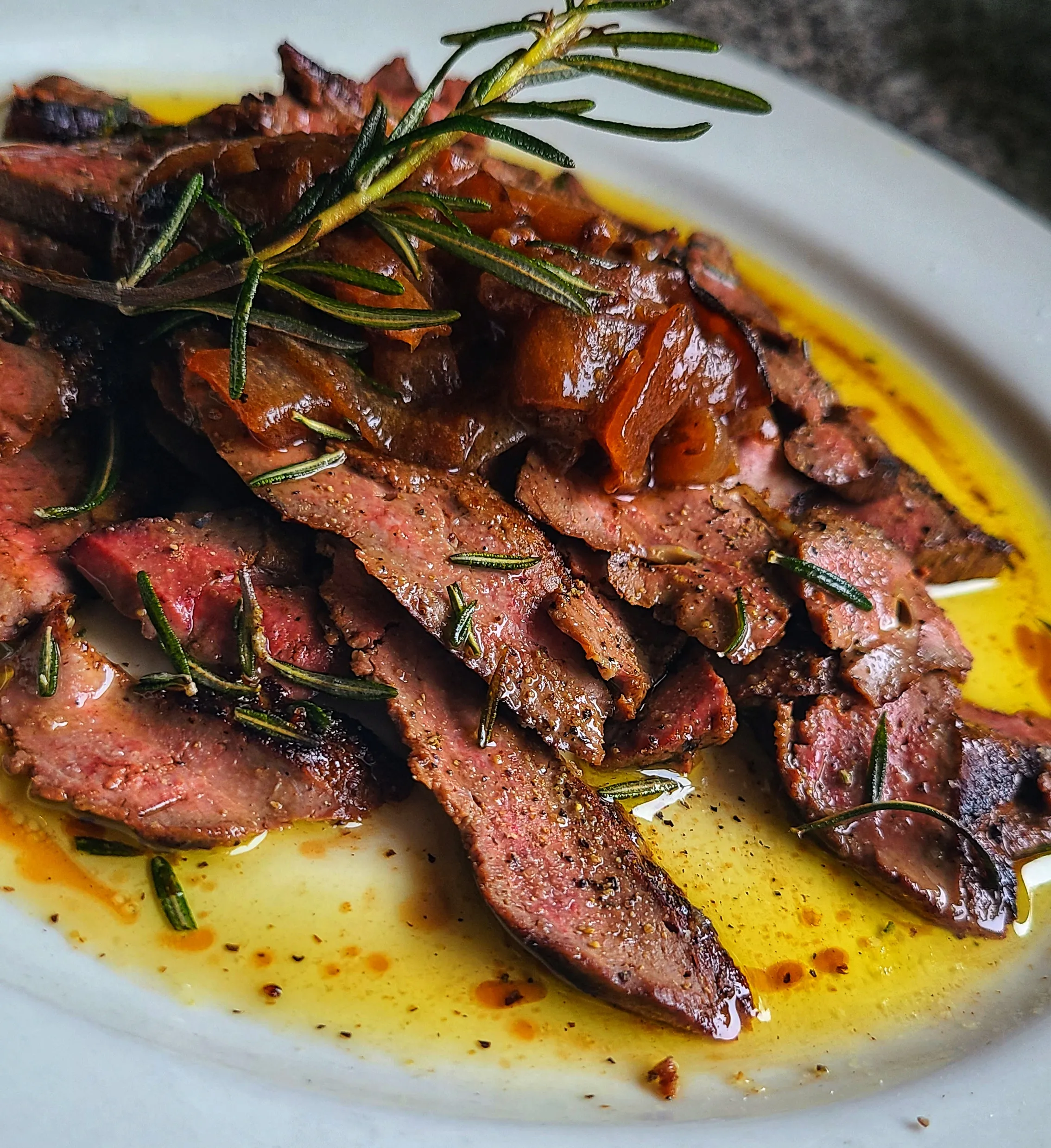
Time
The entire process from start to finish takes approximately 20 minutes, making it an ideal quick meal. The prep time is around 10 minutes, during which you will prepare and season the liver and onions, while the cooking process takes about 10 minutes. This efficiency makes calves liver and onions a go-to recipe for those seeking a hearty, homemade meal without spending hours in the kitchen.
Needed Equipment
- 12-inch Skillet or Frying Pan — Preferably stainless steel or cast iron for even heat distribution and optimal browning.
- Sharp Chef’s Knife — For slicing the liver and onions precisely.
- Cutting Board — To provide a stable surface for slicing.
- Measuring Cups and Spoons — To measure flour, oil, and seasonings accurately.
- Small Bowl — For dredging flour and seasoning the liver pieces.
- Tongs or Slotted Spoon — For turning the liver pieces and removing them from the skillet.
- Paper Towels — To drain excess oil and keep the cooked liver crispy.
- Stove or Cooktop — To provide consistent heat during cooking.
Tags
Comfort Food, Quick & Easy, Budget-Friendly, Classic, Pan-Fried, Liver & Onions, Family Dinner, Traditional, Stovetop, 30 Minutes or Less
Serving Size
This recipe yields four generous servings, making it perfect for a family dinner or a small gathering. Each serving contains approximately 348 calories, providing a hearty and satisfying meal that can be complemented with a variety of side dishes.
Difficulty Level
Medium — While the steps are straightforward, achieving the perfect level of doneness for calves liver requires attention to detail, especially to prevent overcooking and toughness. Mastery of pan-frying techniques and timing will ensure tender, flavorful results.
Allergen Information
- Gluten: Present in the flour used for dredging.
- Nightshades: Includes onions and liver (from animal sources).
Note: This dish is not suitable for those with gluten intolerance or celiac disease unless gluten-free flour is used.
Dietary Preference
- Contains animal protein and is suitable for omnivorous diets.
- Not suitable for vegetarians or vegans.
- Can be modified for paleo or keto diets by adjusting the flour and side dishes.
Course
Main Course
Cuisine
British / American / European
Ingredients
| Ingredient | Quantity | Notes |
|---|---|---|
| Calf liver | 1 whole liver (about 1 pound) | Fresh or thawed if frozen |
| Flour | 3/4 cup | Use all-purpose or gluten-free if needed |
| Onion | 1/2 large onion | Thinly sliced |
| Vegetable oil | 2 tablespoons | For frying |
| Salt | To taste | Adjust according to preference |
| Pepper | To taste | Freshly ground recommended |
Instructions
Preparation of the Liver
Step 1: Slicing and Cleaning
Begin with a high-quality calf liver, about one pound, which is typically sold whole. Rinse the liver under cold running water to remove any residual blood or impurities. Pat the liver dry thoroughly with paper towels to ensure proper searing and browning. Use a sharp chef’s knife to carefully remove any connective tissue or visible veins, which can impart a bitter flavor or tough texture. Slice the liver into manageable pieces—about 1/2 to 3/4 inch thick—preferably into strips or chunks that are easy to handle and serve. Uniform slices ensure even cooking and help prevent overcooking or undercooking.
Step 2: Seasoning
Place the sliced liver into a small bowl or a shallow dish. Season generously with salt and freshly ground black pepper, ensuring each piece is evenly coated. Salt enhances the natural flavor of the liver, while pepper adds a subtle spiciness that complements the richness of the meat. For added flavor, some cooks like to sprinkle a pinch of paprika or garlic powder, but keep it simple for traditional taste.
Preparation of Onions
Step 3: Slicing the Onion
Peel the onion and slice it thinly into rings or half-moons. Thin slices allow for quick caramelization, creating a sweet contrast to the savory liver. Use a sharp knife to ensure clean cuts and uniform thickness, which promotes even cooking. Set aside the sliced onions for sautéing.
Cooking Process
Step 4: Heating the Skillet
Place a large, heavy-bottomed skillet—preferably cast iron or stainless steel—on the stove. Add two tablespoons of vegetable oil, such as canola, vegetable, or sunflower oil, which can withstand high heat without smoking excessively. Turn the heat to medium-high and wait until the oil shimmers and is hot enough for frying, about 1-2 minutes. Properly heated oil ensures that the liver develops a beautiful crust, sealing in juices and preventing sticking.
Step 5: Dredging the Liver
Transfer the seasoned liver slices into a small bowl containing 3/4 cup of flour. Lightly dredge each piece, turning to coat all sides evenly. Shake off any excess flour; this light coating will give the liver a crispy exterior and help achieve a golden-brown crust. For gluten-free options, substitute with rice flour or almond flour.
Step 6: Pan-Frying the Liver
Carefully place the floured liver pieces into the hot skillet, laying them flat and ensuring they are not overcrowded. Crowding the pan can lower the temperature, resulting in soggy or greasy meat. Cook the liver without disturbance for approximately 4 minutes, allowing it to brown and develop a crust. Use tongs to flip each piece, cooking the other side for another 4 minutes. The goal is to achieve a light, crispy exterior while maintaining tender, not rubbery, interior.
Step 7: Checking Doneness and Resting
Once browned on both sides, remove the liver from the skillet and transfer it to a warm plate or baking dish. Cover loosely with foil to keep warm. Be cautious not to overcook, as calves liver can become tough and grainy if cooked beyond medium. The internal temperature should reach around 140°F (60°C) for medium-rare, but adjust based on your preference.
Step 8: Sautéing the Onions
Step 8.1: Using the Same Skillet
Reduce the heat to medium and add the sliced onions to the same skillet used for the liver. The residual oil and flavors from the liver will enhance the onions’ sweetness and depth. Stir the onions frequently to prevent burning, and cook until they become soft, golden, and slightly caramelized—about 5 minutes. For additional depth of flavor, you can add a teaspoon of butter or a splash of balsamic vinegar during the last minute of cooking.
Step 8.2: Caramelization Tips
For more pronounced sweetness, cook the onions slowly over medium to low heat, stirring occasionally, until they reach a deep golden brown. This process can take up to 10-15 minutes but yields more complex, caramelized flavor profiles. Be patient; the slow caramelization is worth the effort.
Assembling and Serving
Lay the cooked liver slices on a serving platter or individual plates. Spoon the warm, caramelized onions generously over the liver. The contrast between the crispy exterior, tender interior, and sweet onions creates a harmonious flavor experience. Serve immediately to enjoy the full texture and flavor profile. This dish pairs beautifully with mashed potatoes, buttered peas, or crusty bread to soak up the savory juices.
Preparation Tips
- Choose fresh, high-quality calves liver: Fresh liver should smell mild and have a bright, deep color. Avoid livers with a strong, unpleasant odor or a dull appearance.
- Uniform slicing: Ensures even cooking and prevents some pieces from overcooking while others remain underdone.
- Proper seasoning: Generous salt and pepper enhance flavor but do not overwhelm the natural richness.
- Temperature control: Maintaining medium-high heat initially is crucial for a crispy crust, but reduce heat when cooking onions to prevent burning.
- Don’t overcook: Liver is best cooked to medium or medium-rare to retain tenderness. Overcooking leads to toughness and dryness.
Nutritional Information
| Nutrient | Per Serving |
|---|---|
| Calories | 348.2 kcal |
| Total Fat | 27.5 g |
| Saturated Fat | 3.6 g |
| Cholesterol | 0 mg |
| Sodium | 2.7 mg |
| Carbohydrates | 23 g |
| Fiber | 1.6 g |
| Sugar | 2.4 g |
| Protein | 3 g |
Tips and Tricks
- Soak the liver in milk: For a milder flavor and improved tenderness, soak the slices in milk for 30 minutes before cooking. Drain and pat dry before seasoning and dredging.
- Use a cast-iron skillet: For superior browning and flavor development, cast iron provides excellent heat retention.
- Adjust seasoning: Experiment with herbs like thyme or rosemary for added aroma.
- Deglaze the pan: After cooking the liver, add a splash of wine or broth to the skillet to loosen flavorful browned bits and create a quick sauce.
- Rest the meat: Let the cooked liver rest for a minute after frying to allow juices to redistribute, ensuring maximum tenderness.
Add-ons
- Herbs: Fresh parsley, thyme, or rosemary minced and sprinkled over the dish just before serving.
- Sauces: Classic gravy, balsamic reduction, or a squeeze of lemon to brighten flavors.
- Spices: Paprika, garlic powder, or cayenne for a spicy kick.
- Vegetables: Sautéed mushrooms, roasted carrots, or green beans for added nutrition and textures.
Side Dishes
- Mashed potatoes or creamy polenta
- Steamed green beans or asparagus
- Crusty artisan bread or garlic bread
- Simple green salad with vinaigrette
- Roasted root vegetables
Improvements and Variations
- Make it a gravy-based dish: After frying the liver, deglaze the pan with wine or broth, add a tablespoon of flour or cornstarch slurry, and simmer to create a rich gravy.
- Use pancetta or bacon: Rendered pancetta can add smoky flavor when sautéed with onions.
- Vegetarian twist: Substitute with hearty mushrooms like portobello or shiitake for a vegetarian alternative.
- Gluten-free version: Use almond or rice flour instead of all-purpose flour for dredging.
Save and Store
If you have leftovers, transfer the cooked liver and onions to an airtight container. Store in the refrigerator for up to 2 days. Reheat gently in a skillet over low heat or in the microwave, adding a splash of broth or water to retain moisture. For longer storage, freeze in a freezer-safe container for up to 3 months. Reheat thoroughly before serving to ensure safety and optimal flavor.
FAQ
Can I use beef liver instead of calves liver?
Yes, beef liver is a common substitute. Keep in mind that beef liver has a slightly stronger flavor and may require shorter cooking times to prevent toughness. Follow similar preparation steps, adjusting for size and thickness.
How do I know when the liver is cooked enough?
The liver should be just cooked through—pale pink inside with no red or blood. It should be tender and slightly firm but not rubbery. Using a meat thermometer, aim for an internal temperature of about 140°F (60°C) for medium-rare.
Can I make this dish ahead of time?
While best enjoyed immediately, you can prepare the onions in advance and cook the liver just before serving. Reheat gently; avoid overcooking the liver during reheating to maintain tenderness.
Is it safe to eat calves liver rare?
Liver is a rich organ meat, and while some prefer it slightly pink inside, ensure it is cooked to a safe internal temperature to eliminate any risk of pathogens. Medium or medium-rare is generally acceptable, but consult local food safety guidelines.
Conclusion
Calves liver and onions is a quintessential comfort food that combines simplicity with sophistication. Its quick preparation makes it an excellent choice for busy weeknights, while its deep, savory flavors and tender texture elevate it to a dish worthy of special occasions. By mastering the techniques outlined here—proper slicing, seasoning, pan-frying, and caramelizing—you unlock the full potential of this underrated delicacy. Remember to select fresh liver, control your heat, and pay attention to timing for perfect results. With its rich nutrients and satisfying profile, this dish is a testament to the idea that humble ingredients, when handled with care, can produce extraordinary culinary experiences. For more such recipes, visit Love With Recipes, where culinary adventures are always within reach.
References
1. “The Art of Cooking Liver,” Food & Wine Magazine, 2022.
2. “Organ Meats in Traditional Cuisine,” Culinary Journal, 2021.