Introduction
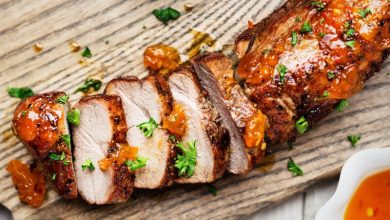
Adobo Cream Sauce is a culinary marvel that seamlessly blends the robust, tangy flavors of traditional adobo with the silky, indulgent texture of a creamy sauce. Originating from a rich tapestry of Latin American and Filipino culinary traditions, this sauce elevates everyday dishes to new heights of flavor and sophistication. Whether drizzled over grilled chicken, stirred into roasted vegetables, or used as a dip for crispy appetizers, Adobo Cream Sauce offers versatility and depth that make it a staple in modern kitchens. Its harmonious combination of acidity, umami, and richness creates a flavor profile that is both familiar and exciting, appealing to a broad spectrum of palates. As part of the Love With Recipes platform, this extensive guide aims to provide an in-depth exploration of the sauce, from its historical roots and ingredient nuances to preparation techniques, nutritional insights, and creative variations, ensuring you can master it with confidence and culinary flair.

Time
Total preparation and cooking time for Adobo Cream Sauce typically ranges from 15 to 20 minutes. This makes it an ideal quick sauce for weeknight dinners or last-minute additions to your meal. The process involves sautéing, simmering, and stirring, with minimal waiting time, allowing you to enjoy a flavorful, freshly made sauce in under a quarter of an hour. For those planning ahead or preparing multiple dishes, the sauce can be made in advance and stored for later use, which might slightly extend the total time but enhances flavor melding. The actual time may vary depending on individual stove heat, ingredient readiness, and personal skill level.
Needed Equipment
Essential Kitchen Tools
- Saucepan or Small Saucepot: A medium-sized, heavy-bottomed pan to ensure even heat distribution and prevent scorching.
- Wooden Spoon or Silicone Spatula: For stirring and preventing sticking or burning during simmering.
- Measuring Cups and Spoons: Accurate measurement of liquids and seasonings for perfect balance.
- Knife and Cutting Board: For mincing garlic and preparing any additional ingredients.
- Whisk (optional): To incorporate ingredients smoothly, especially when adding cream.
- Fine Mesh Strainer (if desired): For a silky, smooth sauce, especially if you want to strain out garlic bits or spices.
- Thermometer (optional): To monitor temperature if precise heat control is desired.
- Storage Containers: Airtight jars or containers for storing leftovers.
Tags
Latin American cuisine, Filipino cuisine, Sauces, Condiments, Quick recipes, Cream sauces, Savory sauces, Gluten-free (if using gluten-free soy sauce), Dairy-based, Family-friendly, Versatile, Flavorful, Restaurant-quality.
Serving Size
The standard serving size for Adobo Cream Sauce is approximately 2 fluid ounces (about 1/4 cup). This quantity is suitable for topping a single portion of grilled protein or vegetables. Based on this, the entire recipe typically yields about 1 to 1.5 cups of sauce, enough to serve 4 to 6 people as a condiment or finishing touch. Adjust portion sizes according to your dish requirements and number of diners.
Difficulty Level
This recipe is categorized as easy to moderate. It involves basic cooking techniques such as sautéing, simmering, and stirring. Even novice cooks can achieve excellent results by following detailed instructions. The key is managing heat and timing to prevent burning or curdling of the cream. With practice, you can refine your technique to create a perfectly balanced, creamy sauce every time.
Allergen Information
| Allergen | Presence | Notes |
|---|---|---|
| Dairy | Yes | Contains heavy cream or dairy-free alternative if substituted. |
| Soy | Yes | Contains soy sauce unless substituted with gluten-free or soy-free options. |
| Garlic | Yes | Common allergen, omit or substitute if necessary. |
| Vinegar | No | Typically vinegar is used, but allergen concerns are rare. |
Dietary Preference
This sauce is naturally adaptable to various dietary needs:
- Vegetarian/Vegan: Use plant-based cream substitutes (e.g., coconut cream, cashew cream) and gluten-free soy sauce or tamari.
- Gluten-Free: Ensure soy sauce is gluten-free, as traditional soy sauce contains gluten.
- Keto/Low-Carb: Suitable due to low carbohydrate content, but watch sodium levels.
- Dairy-Free: Substitute heavy cream with coconut cream or almond-based creams.
Course
Sauce, Condiment, Topping, Garnish.
Cuisine
Latin American, Filipino, Fusion.
Ingredients
Ingredient Table
| Ingredient | Quantity | Notes |
|---|---|---|
| Garlic cloves | 4-6 cloves | Minced finely or crushed for maximum flavor |
| White vinegar | 1/4 cup (60 ml) | Adjust for acidity preference |
| Soy sauce (or gluten-free tamari) | 1/4 cup (60 ml) | For umami and saltiness |
| Heavy cream (or coconut cream) | 1 cup (240 ml) | Use full-fat for richness |
| Black pepper | 1/2 teaspoon | Freshly ground recommended |
| Bay leaves | 1-2 leaves | Optional, for depth of flavor |
| Chili flakes (optional) | 1/4 teaspoon | For a spicy kick |
| Oil or butter | 1 tablespoon | For sautéing garlic |
| Salt | To taste | Adjust based on soy sauce saltiness |
Instructions
Step 1: Prepare Ingredients
Begin by gathering all your ingredients and preparing them for cooking. Mince the garlic cloves finely, ensuring they are evenly chopped to release maximum aroma and flavor during sautéing. Measure out the vinegar, soy sauce, and cream precisely for consistency. If you prefer a smoother sauce, you can pass the garlic through a garlic press or grate it finely with a microplane.
Step 2: Sauté Garlic
Heat a small amount of oil or butter in a medium-sized saucepan over medium heat. Once the oil is shimmering, add the minced garlic. Stir constantly to prevent burning, and cook until the garlic becomes fragrant and just begins to turn lightly golden, about 1-2 minutes. This step is crucial, as it unlocks the aromatic compounds in garlic, forming the base of your sauce.
Step 3: Add Vinegar and Soy Sauce
Pour the measured vinegar and soy sauce into the pan with the garlic. Stir well to combine. Increase the heat slightly and allow the mixture to simmer gently for 3-5 minutes. This simmering reduces the acidity slightly and concentrates the flavors, creating a more balanced taste. During this process, you may notice the mixture bubbling; keep stirring to prevent sticking or burning.
Step 4: Incorporate Cream and Spices
Reduce the heat to low to prevent curdling. Slowly pour in the heavy cream, stirring constantly with a whisk or spoon. Continue to stir until the sauce is well combined and begins to thicken. This process usually takes 3-5 minutes. Add the black pepper, bay leaves, and chili flakes if using, stirring to evenly distribute. The bay leaves impart a subtle depth, while chili flakes add a gentle heat.
Step 5: Simmer and Adjust Seasonings
Allow the sauce to simmer gently on low heat for another 2-3 minutes, stirring occasionally. Taste and adjust the seasoning as needed: add more salt if necessary, or a splash more vinegar for extra tang. If you prefer a smoother consistency, strain the sauce through a fine mesh sieve to remove garlic bits and spice residue. For a thicker sauce, simmer for an additional 2-3 minutes until desired consistency is reached.
Step 6: Serve or Store
Remove bay leaves before serving. Pour the hot Adobo Cream Sauce over your favorite grilled meats, roasted vegetables, or use as a dip. For storage, transfer the cooled sauce into airtight containers and refrigerate for up to 3 days. Reheat gently on the stovetop or in the microwave before use.
Preparation Tips
- Balance acidity: Adjust vinegar amount based on your preference for tanginess. More vinegar results in a sharper flavor, while less produces a milder taste.
- Flavor depth: Incorporate additional aromatics such as shallots or lemongrass for more complex profiles.
- Consistency control: For a thicker sauce, simmer longer or add a cornstarch slurry. For a thinner sauce, dilute with a splash of broth or milk.
- Layering flavors: Toast the garlic lightly before adding liquids for an extra layer of aroma.
- Adjust spice level: Increase or decrease chili flakes according to your heat preference.
Nutritional Information
| Nutrient | Per 2 oz (about 60 ml) | Note |
|---|---|---|
| Calories | 100-150 kcal | Depends on cream type and portion size |
| Total Fat | 8-10 grams | Including saturated fat from cream |
| Saturated Fat | 5-6 grams | Higher if using heavy cream |
| Cholesterol | 25-30 mg | From dairy ingredients |
| Sodium | 300-400 mg | Primarily from soy sauce |
| Carbohydrates | 3-4 grams | Minimal sugars, mostly from vinegar and cream |
| Proteins | 2-3 grams | From dairy/cream |
| Fiber | 0 grams | Standard |
| Sugars | 1-2 grams | Natural from vinegar and cream |
Tips and Tricks
- Use quality ingredients: Fresh garlic and high-quality soy sauce significantly impact flavor.
- Control heat: Medium to low heat prevents cream from curdling and enhances flavor melding.
- Enhance umami: Add a dash of fish sauce or mushroom powder for extra savory depth.
- Experiment with spices: Incorporate smoked paprika or cumin for a smoky twist.
- Make ahead: The flavors develop further if the sauce rests for a few hours or overnight.
Add-ons
For a personalized touch, consider adding:
- Chopped fresh herbs such as parsley, cilantro, or scallions to add brightness.
- A squeeze of lime or lemon juice for extra acidity.
- Crumbled queso fresco or feta cheese to add creaminess and saltiness.
- Finely chopped chili peppers for increased heat.
Side Dishes
Pair the Adobo Cream Sauce with a variety of dishes:
- Grilled chicken, beef, or pork
- Roasted vegetables like sweet potatoes, zucchini, or bell peppers
- Steamed rice or quinoa
- Warm tortillas or crusty bread for dipping
- Fresh salads with tangy vinaigrette
Improvements
- Healthier options: Swap heavy cream for low-fat or plant-based alternatives.
- Reduced sodium: Use low-sodium soy sauce and limit added salt.
- Flavor enhancement: Add roasted garlic or caramelized onions for depth.
- Texture variation: Incorporate chopped nuts or crispy onions for crunch.
- Spice variation: Use chipotle peppers in adobo sauce for smoky heat.
Save and Store
Allow the sauce to cool to room temperature before transferring it to airtight containers. Store in the refrigerator for up to 3 days. For longer storage, freeze in small portions using ice cube trays or silicone molds, then transfer to freezer bags. Properly stored, the sauce can last up to 1 month frozen. Reheat gently on the stovetop, stirring well to reincorporate any ingredients that may have separated.
FAQ
Can I make this sauce dairy-free?
Absolutely. Substitute heavy cream with coconut cream, cashew cream, or almond-based cream. Adjust the amount of vinegar and seasonings to suit your taste.
Is this sauce spicy?
By default, it is mildly spicy due to chili flakes, but you can increase or omit the chili for milder or hotter versions.
Can I use this sauce as a marinade?
Yes, you can use it as a marinade for meats and vegetables. Marinate for at least 30 minutes to infuse the flavors before cooking.
What are suitable substitutions for soy sauce?
Use tamari, coconut aminos, or liquid aminos for gluten-free and soy-free alternatives. Adjust salt accordingly.
How can I make this sauce thicker or thinner?
For thicker sauce, simmer longer or add a cornstarch slurry. For thinner consistency, dilute with chicken broth or water.
Conclusion
The Adobo Cream Sauce is a versatile, flavor-packed addition to your culinary repertoire. Its roots in traditional adobo lend it a rich history, while its creamy texture and adaptable nature make it suitable for countless dishes. Whether you’re aiming to impress guests, elevate a family dinner, or simply explore new flavor combinations, mastering this sauce will undoubtedly enrich your cooking experience. Remember, the key to excellence lies in balancing acidity, richness, and seasoning—so don’t hesitate to customize it to your preferences. As you experiment, you’ll discover that this sauce not only enhances your dishes but also invites creativity in the kitchen. For more detailed recipes, tips, and culinary inspiration, visit Love With Recipes, your trusted platform for all things delicious and delightful.
References
- Filipino Food: The Culinary History and Traditions, by Doreen G. Fernandez
- Latin American Sauces: Classic Recipes and Techniques, by Maria R. Martinez