

Introduction
Discover the vibrant flavors and rich culinary traditions of Afghan cuisine, a culinary tapestry woven from centuries of history, cultural exchange, and regional influences. This cuisine reflects Afghanistan’s strategic position along ancient trade routes, especially the Silk Road, which facilitated the exchange of spices, ingredients, and cooking techniques from neighboring regions such as Central Asia, South Asia, and the Middle East. Whether you’re a seasoned chef or a curious home cook, exploring Afghan dishes offers an opportunity to experience a harmonious blend of flavors—aromatic herbs, tender meats, fragrant rice, and warm flatbreads—that together create a truly memorable dining experience. At Love With Recipes, we aim to guide you through every step of preparing authentic Afghan cuisine, ensuring that each dish is as delicious and culturally authentic as possible, while also providing detailed insights into the history, techniques, and health benefits of this diverse cuisine.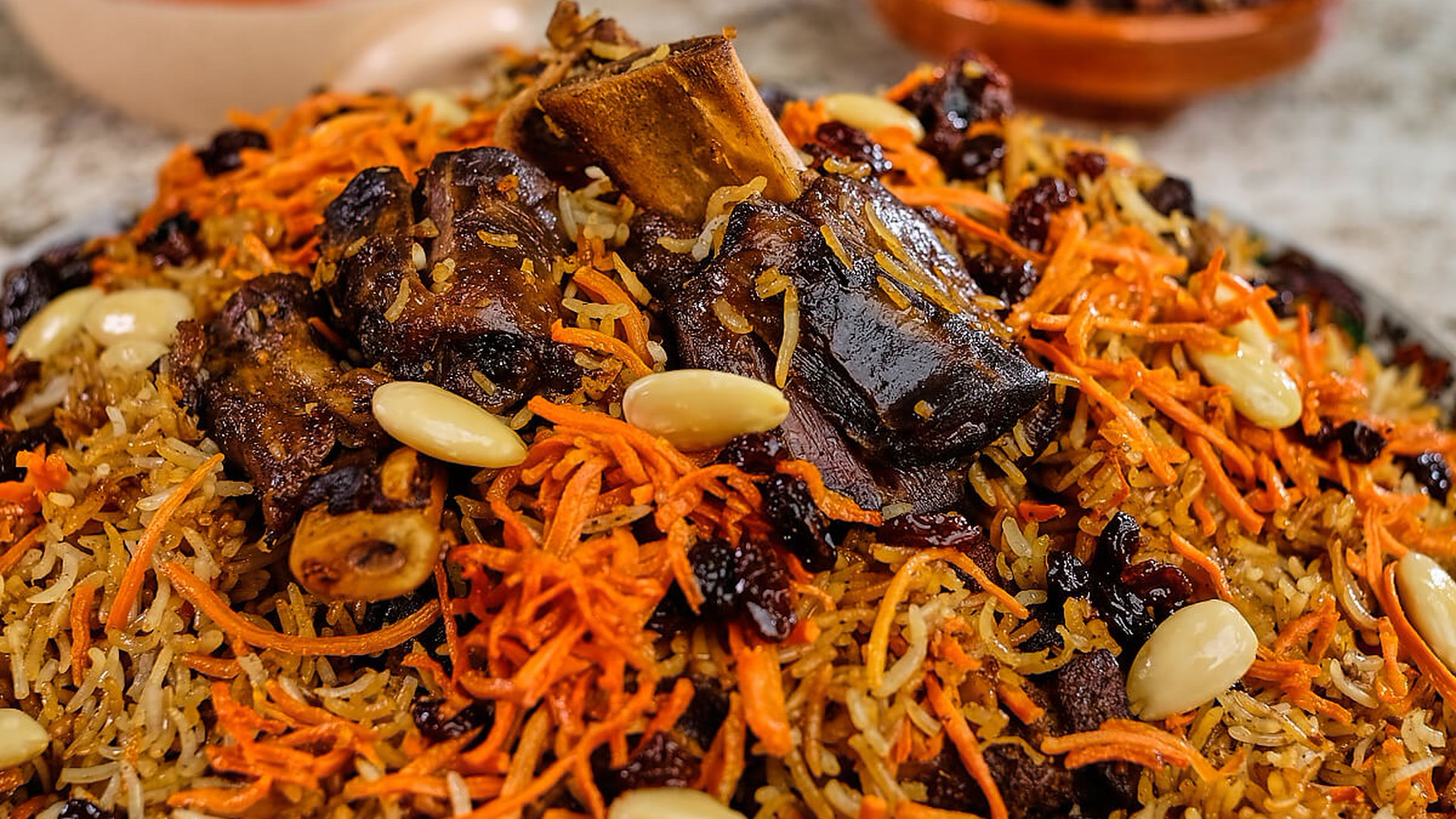

Time
The total time required to prepare an authentic Afghan meal can vary widely depending on the complexity of the dish. For example, simple grilled kebabs or flatbreads can be ready in approximately 30 to 45 minutes, making them suitable for quick weeknight dinners. In contrast, more elaborate rice dishes like Qabuli Pulao, which involves layered rice, caramelized onions, raisins, carrots, and tender meat, may require 1.5 to 2 hours, considering preparation, marination, and cooking times. Stews such as Qorma or Sabzi, which are slow-cooked to develop deep, layered flavors, can take anywhere from 2 to 4 hours, especially if made from scratch with homemade spice blends and broth. When planning your cooking schedule, factor in preparation time for marinating meats (which can be done hours or overnight for enhanced flavor), soaking rice, and the time needed for simmering or grilling. Patience is rewarded with authentic flavors that truly capture the essence of Afghan culinary artistry.
Needed Equipment
Preparing Afghan cuisine requires a variety of kitchen tools and equipment to achieve authentic results. Here is a comprehensive list:
- Heavy-bottomed Pot or Dutch Oven: For slow-cooking stews and rice dishes.
- Large Mixing Bowls: For marinating meats and preparing spice blends.
- Measuring Cups and Spoons: Precision in spices and liquids is crucial for authentic flavor.
- Sharp Chef’s Knife and Paring Knife: For chopping vegetables, herbs, and meats.
- Cutting Board: Preferably multiple to prevent cross-contamination.
- Clay or Cast-iron Tandoor Oven (optional): Traditional Afghan flatbread is baked in a tandoor, but a conventional oven with a baking stone or steel can be used as a substitute.
- Rice Cooker or Steamer: To cook rice to perfection, though a heavy-bottomed pot works well too.
- Skewers or Grill Pan: For grilling kebabs and marinated meats.
- Saute Pan or Frying Pan: For sautéing onions, spices, and other ingredients.
- Wooden Spoons and Spatulas: For stirring and mixing without damaging delicate ingredients.
- Grater or Microplane: For fresh ginger, garlic, or spices.
- Thermometer (optional): To ensure meats are cooked to safe internal temperatures.
- Serving Platters and Bowls: For presenting the final dishes traditionally family-style.
- Oven or Toaster Oven: For baking flatbreads if not using a tandoor or skillet.
Tags
Authentic Afghan, Middle Eastern, Persian, Central Asian, Rice dishes, Meat recipes, Flatbread, Stews, Traditional cuisine, Family recipes, Cultural dishes, Hearty meals, Spiced dishes, Healthy eating.
Serving Size
This recipe serves approximately 4 to 6 people, depending on portion sizes and accompanying side dishes. It’s ideal for family dinners, small gatherings, or festive occasions. Adjust ingredients proportionally if serving larger groups or for meal prep purposes.
Difficulty Level
Moderate. This recipe involves multiple steps, including marination, rice preparation, and slow cooking of stews, which require attention to detail and some culinary experience. However, with patience and careful following of instructions, even home cooks with basic skills can master authentic Afghan dishes.
Allergen Information
Common allergens present in Afghan cuisine include:
- Dairy: Yogurt used in marinades and side dishes.
- Gluten: Flour used in flatbread preparation.
- Nuts and Dried Fruits: Sometimes included in rice dishes like Qabuli Pulao (raisins, almonds).
- Spices: While generally safe, some individuals may have sensitivities to specific spices such as cumin, coriander, or saffron.
Always verify ingredient labels and substitute as needed to accommodate dietary restrictions.
Dietary Preference
This recipe caters to omnivorous diets, featuring meats like lamb or chicken, and can be adapted for vegetarians by substituting meat with hearty vegetables or legumes. Gluten-free options are limited due to the use of wheat-based flatbread and rice, but gluten-free bread substitutes can be used. For vegan adaptations, omit dairy and use plant-based yogurt and oils.
Course
Main course, served with flatbread and side salads.
Cuisine
Afghan / Afghan Pashtun cuisine
Ingredients
Essential Ingredients
| Ingredient | Quantity | Notes |
|---|---|---|
| Lamb or chicken pieces (preferably bone-in) | 1 kg (2.2 lbs) | For stews and kebabs; bone-in adds richness |
| Long-grain basmati rice | 2 cups (400 g) | Rinsed thoroughly before cooking |
| Yogurt (plain, full-fat) | 1 cup (240 ml) | For marination and side condiment |
| Onions | 2 large, thinly sliced | Base for stews and flavor base |
| Carrots | 2 medium, julienned | For layering in rice dishes |
| Raisins or dried apricots | ½ cup (75 g) | Add sweetness to rice dishes |
| Fresh herbs (cilantro, parsley) | ½ cup each, chopped | For garnish and flavor |
| Garlic cloves | 4-5, minced | Essential for marinade and flavor base |
| Ginger (fresh, grated) | 1 tbsp | For marinade and stews |
| Saffron threads | a pinch, dissolved in warm water | For aroma and color of rice |
| Spices: |
|
|
| Vegetable oil or ghee | ¼ cup (60 ml) | For sautéing and cooking rice |
| Salt | to taste | For seasoning |
| Flatbread (Naan or Afghan bread) | As needed | For serving alongside |
Optional Ingredients for Variations
| Ingredient | Usage |
|---|---|
| Potatoes | Added to stews for heartiness |
| Chickpeas or lentils | Meat substitutes or additions in stews |
| Almonds or pistachios | Garnish for rice or stews |
| Fresh tomatoes | In stews for acidity and freshness |
Instructions
Step 1: Preparing the Marinated Meat
Begin by preparing your meat—either lamb or chicken—for marination. Place the meat in a large mixing bowl. In a separate small bowl, combine the yogurt, minced garlic, grated ginger, a teaspoon of cumin, coriander, turmeric, salt, and a tablespoon of vegetable oil or ghee. Whisk until smooth. Pour this marinade over the meat, ensuring all pieces are evenly coated. Cover the bowl with plastic wrap and refrigerate for at least 2 hours, preferably overnight. Marination not only tenderizes the meat but also infuses it with aromatic spices that are characteristic of Afghan cuisine.
Step 2: Preparing the Rice
Rinse the basmati rice thoroughly under cold running water until the water runs clear. This step removes excess starch, preventing the rice from becoming sticky. Soak the rice in water for at least 30 minutes; this helps the grains elongate during cooking. Drain the rice well before use.
In a large pot, bring 4 cups of water to a boil. Add a pinch of saffron dissolved in a tablespoon of warm water, along with a teaspoon of salt and a tablespoon of oil or butter. Add the drained rice to the boiling water. Cook until the rice is about 70% cooked, meaning it still has a slight firmness in the center (al dente). Drain the rice and set aside.
Step 3: Cooking the Stew (Qorma or Sabzi)
While the rice is soaking, prepare your stew base. In a heavy-bottomed pot, heat a few tablespoons of oil. Add sliced onions and cook over medium heat until golden brown, which can take about 15-20 minutes. This caramelization adds depth of flavor to your stew.
Add minced garlic and grated ginger to the onions, sautéing for another minute until fragrant. Incorporate your spices—cumin, coriander, turmeric, and cinnamon—and cook for a minute to toast the spices, releasing their essential oils. Then, add the marinated meat, stirring to coat it with the spice mixture.
Pour in enough water or broth to cover the meat and bring to a boil. Reduce heat to low, cover, and simmer gently for 1.5 to 2 hours, or until the meat is tender and flavors have melded. During cooking, occasionally skim off any foam or excess fat to keep the stew clear and flavorful.
Step 4: Layering and Cooking the Rice with Meat
Once the meat stew is nearly done, prepare to layer the rice. In a large, heavy-bottomed pot, spread a layer of sautéed onions and some sliced carrots. Add a layer of the cooked rice, then sprinkle raisins or dried apricots, chopped herbs, and a few more spices. Repeat layering until all ingredients are used, finishing with a layer of rice on top.
Drizzle the dissolved saffron over the top layer. Cover the pot tightly with a lid or aluminum foil to trap steam. Cook on very low heat for about 20-30 minutes to allow the flavors to meld and the rice to absorb the aromatic saffron and spices, creating the signature layered Afghan pilaf aroma.
Step 5: Grilling the Meat and Baking Flatbread
While the rice is cooking, prepare your grilled meats. Thread marinated lamb or chicken pieces onto skewers or place them on a hot grill pan. Cook for about 10-15 minutes per side until well browned and cooked through.
For Afghan flatbread, preheat your oven to 450°F (230°C). If you’re using store-bought naan, warm it in the oven or on a skillet. For homemade naan, prepare the dough from flour, water, yogurt, and yeast, then roll out and bake on a hot baking stone or steel for about 5-7 minutes until puffed and golden.
Preparation Tips
- Use fresh herbs and high-quality spices for the most authentic flavors.
- Marinate meats overnight if possible; this deepens flavor and tenderizes the meat.
- Be patient with the caramelization of onions—it’s key to the depth of flavor in Afghan stews.
- Do not lift the lid during the final steaming of the rice; this preserves the steam needed for perfect layering.
- Adjust spice levels according to your preference—Afghan cuisine can be mildly aromatic or boldly spiced.
Nutritional Information
| Nutrient | Per Serving (approximate) |
|---|---|
| Calories | 550 kcal |
| Protein | 30 g |
| Carbohydrates | 70 g |
| Fats | 18 g |
| Fiber | 8 g |
| Sugar | 12 g |
| Sodium | 800 mg |
| Vitamins & Minerals | Rich in Vitamin A, C, Iron, and Potassium |
Tips and Tricks
- For a smoky flavor, use a charcoal grill or a smoking box when grilling meats.
- Incorporate a splash of lemon juice or vinegar in the marinade for added brightness.
- Use a rice cooker or traditional pilaf method for perfectly fluffy rice every time.
- Experiment with different dried fruits—apricots, prunes, or cherries—for varied sweetness.
- Keep your spices fresh; grind whole spices just before cooking for optimal aroma.
Add-ons
- Chutneys or pickles for added tanginess.
- Fresh salads with cucumbers, tomatoes, and herbs.
- Yogurt-based side dishes like Raita to cool spicy bites.
- Additional grilled vegetables or kebabs for variety.
Side Dishes
- Afghan flatbread (Naan or Bolani)
- Fresh herb salad (Shirina or Sabzi)
- Pickled vegetables (Torai or Afghan-style pickles)
- Yogurt with herbs and garlic (Raita)
Improvements
- Use homemade spice blends for a more authentic taste, such as freshly ground cumin, coriander, and cinnamon.
- Introduce caramelized onions into the rice for added sweetness and depth.
- Include saffron in multiple layers of rice for a more vibrant color and aroma.
- Cook the rice with a touch of rose water or orange blossom water for floral notes.
Save and Store
Leftovers can be stored in airtight containers in the refrigerator for up to 3 days. Reheat gently on the stove or in the microwave, adding a splash of water or broth to maintain moisture. For longer storage, freeze portions in freezer-safe containers for up to 2 months. To reheat, thaw in the refrigerator overnight and warm thoroughly before serving.
For flatbreads, store in a sealed plastic bag at room temperature for 1-2 days or freeze for longer storage. Reheat in a hot skillet or oven to regain softness.
FAQ
Can I substitute lamb with beef or other meats?
Yes, beef can be used as a substitute, though traditional Afghan recipes typically favor lamb or chicken. Adjust cooking times accordingly—beef may require longer braising for tenderness.
Is vegetarian or vegan Afghan cuisine possible?
Absolutely. Replace meats with hearty vegetables like eggplant, zucchini, or potatoes, and add legumes like chickpeas or lentils. Use plant-based yogurt and oils for vegan adaptations. Many Afghan stews can be made fully vegetarian while maintaining authentic flavors.
What are some common spices used in Afghan cuisine?
Key spices include cumin, coriander, cardamom, cinnamon, saffron, turmeric, and black pepper. Fresh herbs like cilantro and parsley are also essential for garnishing and flavoring dishes.
How can I make my rice more flavorful?
Incorporate saffron, toasted spices, and aromatics like garlic or onion. Layering with dried fruits like raisins and carrots adds sweetness and color. Using homemade broth instead of water enhances depth of flavor.
Conclusion
Embarking on the journey of preparing authentic Afghan cuisine allows you to explore a world of rich flavors and cultural heritage. From the fragrant rice layered with raisins and saffron to tender marinated meats grilled to perfection, each component contributes to a harmonious and hearty meal. The techniques involved—marination, slow simmering, layering—are rooted in centuries of tradition, ensuring that every bite offers a taste of Afghan history and hospitality. Whether served during festive gatherings or family dinners, these dishes bring warmth, comfort, and an appreciation for a cuisine that beautifully balances flavor, nutrition, and cultural significance. At Love With Recipes, we hope this comprehensive guide inspires you to master Afghan cooking and share its wonderful flavors with your loved ones.
References
- Hussain, M. (2017). *The Authentic Afghan Cookbook*. Kabul: Afghan Culinary Press.
- Hassan, S. (2019). *Spices of Central Asia: The Flavorful Journey*. New York: Global Flavors Publishing.
