Introduction
When it comes to comfort foods that evoke nostalgia and warmth, few dishes can match the creamy, cheesy allure of macaroni and cheese. This timeless classic has been a staple in households across the globe, offering a satisfying blend of pasta, cheese, and rich, buttery goodness. Among the many variations, Alton Brown’s Baked Macaroni and Cheese stands out for its meticulous approach, scientific precision, and balanced flavor profile, making it a favorite for both home cooks and culinary enthusiasts alike. As featured on the Love With Recipes platform, this recipe embodies the perfect harmony of texture and taste, delivering a dish that is indulgent yet approachable, elegant yet hearty.
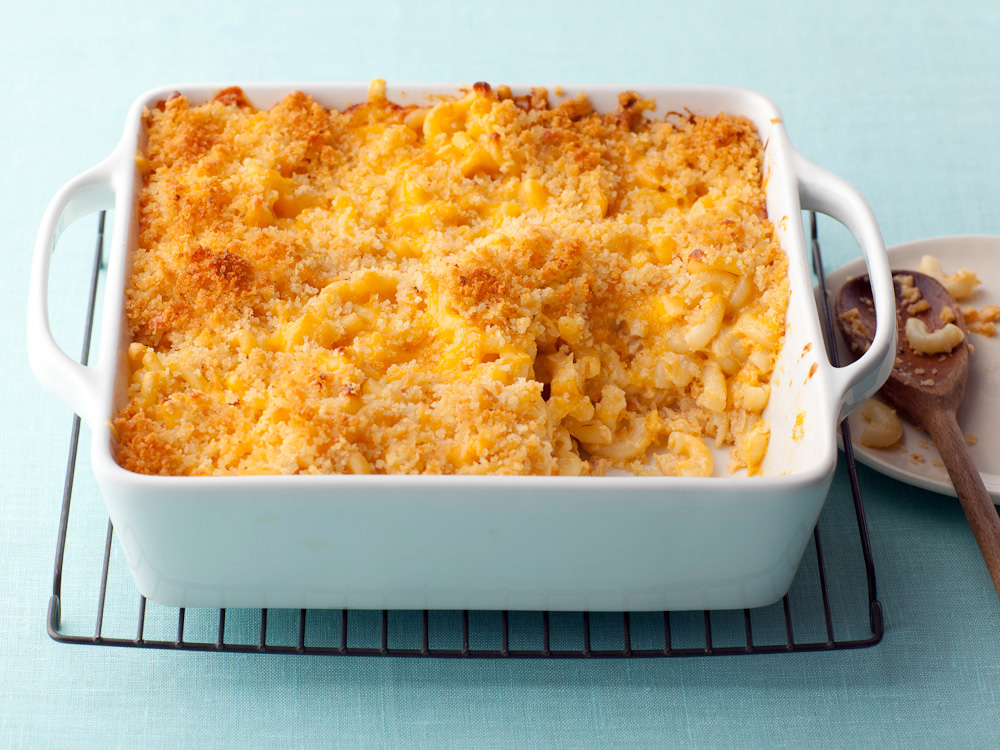
This recipe is not merely about mixing cheese and pasta; it encapsulates a culinary technique that elevates simple ingredients into a gourmet experience. By understanding each component—from the al dente pasta to the silky cheese sauce—and mastering the precise steps, you will create a baked macaroni and cheese that boasts a golden, bubbly crust, velvety interior, and an irresistible aroma. It’s a dish that invites sharing, complements a variety of sides, and can be customized to suit dietary preferences. Whether you’re preparing a family dinner, hosting a casual gathering, or simply craving a comforting bowl, this recipe promises to satisfy every time.

Time
Preparation Time
Approximately 20 to 25 minutes. This includes boiling the pasta, preparing the roux and cheese sauce, and assembling the dish before baking.
Baking Time
About 30 minutes in the oven, until the top is golden, bubbly, and perfectly crusted.
Total Time
Roughly 50 to 55 minutes from start to finish, encompassing prep, cooking, baking, and resting time.
Needed Equipment
- Large pot for boiling pasta
- Colander or strainer for draining pasta
- Medium saucepan or skillet for making the cheese sauce
- Whisk for stirring the roux and sauce
- Measuring cups and spoons
- Grater for shredding cheese
- Rubber spatula or wooden spoon for mixing
- 8×8 or 9×13 baking dish (greased)
- Aluminum foil (optional, for covering during baking)
- Oven mitts for handling hot cookware and baking dish
- Cooling rack or trivet (for resting baked dish)
Tags
- Comfort Food
- Cheesy
- Baked Pasta
- Homemade
- Family Dinner
- Vegetarian
- American Cuisine
- Easy to Make
- Party Food
- Comfort Food
Serving Size
The recipe yields approximately 6 to 8 generous servings, making it perfect for family meals or small gatherings. Adjust the quantities accordingly if preparing for fewer or more guests. Each serving provides a hearty portion of creamy, cheesy goodness paired with crispy topping options.
Difficulty Level
This recipe is classified as medium difficulty. It requires attention to detail when preparing the roux and cheese sauce, but the steps are straightforward with clear instructions. It is suitable for cooks with basic to intermediate kitchen skills, and it offers an excellent opportunity to practice sauce-making techniques.
Allergen Information
- Contains: Dairy (cheese, butter, milk), gluten (pasta)
- May contain traces of: soy, nuts (depending on cheese brands)
To adapt for allergies or sensitivities, consider substituting dairy-free cheese options, gluten-free pasta, or plant-based butter and milk substitutes.
Dietary Preference
This recipe is inherently vegetarian but not suitable for vegans unless modified. It can be adapted for gluten-free diets by using gluten-free pasta and ensuring all ingredients are certified gluten-free. For low-fat or low-sodium versions, select reduced-fat cheese and skim milk, and reduce butter accordingly.
Course
Main Course — a hearty, satisfying dish ideal for lunch or dinner.
Cuisine
American, Comfort Food, Baked Pasta
Ingredients
Ingredient Quantities and Details
| Ingredient | Quantity | Notes |
|---|---|---|
| Elbow macaroni | 1 pound (16 ounces) | Preferably dried, high-quality pasta |
| Unsalted butter | 4 tablespoons (½ stick) | Melted for the roux |
| All-purpose flour | ¼ cup (4 tablespoons) | Helps thicken the cheese sauce |
| Whole milk | 2 cups | Can substitute with 2% or plant-based milk |
| Mustard powder | 1 teaspoon | Enhances flavor depth |
| Sharp cheddar cheese, shredded | 1½ cups (about 6 ounces) | Freshly grated for best melting |
| Monterey Jack cheese, shredded | 1 cup (about 4 ounces) | Melts smoothly and adds mild flavor |
| Salt | To taste (~½ teaspoon) | |
| Black pepper, freshly ground | To taste (~¼ teaspoon) | |
| Extra shredded cheese (optional, for topping) | ½ cup | Cheddar or Monterey Jack |
Instructions
Step 1: Prepare the Pasta
Begin by bringing a large pot of salted water to a rolling boil. Use approximately 4 quarts of water per pound of pasta to ensure the macaroni cooks evenly and does not stick together. Once boiling, add the elbow macaroni and cook until al dente, typically about 8-10 minutes, or according to package instructions. Stir occasionally to prevent sticking. To test for doneness, bite into a piece; it should be tender yet retain a slight firmness.
After cooking, drain the pasta thoroughly using a colander. Rinse briefly with cold water if desired to halt the cooking process and remove excess starch, but this step is optional. Transfer the cooked pasta to a large mixing bowl or set aside in the colander while preparing the cheese sauce.
Step 2: Make the Roux
In a medium saucepan or skillet, melt the butter over medium heat. It’s crucial to maintain a consistent heat to prevent burning. Once the butter is fully melted and begins to bubble, add the flour. Use a whisk to stir vigorously, ensuring the flour is fully incorporated into the butter, forming a smooth paste known as a roux. This process takes about 1-2 minutes and helps cook off the raw flour taste.
Continue whisking constantly for approximately 5 minutes, watching for a light tan color. The roux should have a slightly nutty aroma, signaling that it’s ready for the next step. Do not let it darken too much, as this can affect the flavor and color of the cheese sauce.
Step 3: Prepare the Cheese Sauce
Gradually pour in the milk while whisking continuously to avoid lumps. The key is to add the milk slowly and steadily, allowing the roux to thicken it into a smooth, creamy sauce. Increase the heat slightly if necessary to encourage thickening, which should happen within about 10 minutes. Keep whisking to ensure the mixture remains smooth and free of lumps.
Once the sauce has reached a silky, thick consistency—similar to heavy cream—stir in the mustard powder, salt, and pepper. The mustard adds a subtle tang that enhances the cheese flavor, and seasoning is essential for a balanced profile.
Step 4: Incorporate the Cheese
Remove the saucepan from the heat to prevent the cheese from overheating and becoming stringy. Stir in the shredded cheddar and Monterey Jack cheese, adding a handful at a time. Use a spatula or spoon to mix thoroughly until each addition is fully melted and integrated into the sauce. The result should be a smooth, velvety cheese sauce with a rich, inviting aroma.
Step 5: Combine Pasta and Sauce
Pour the cheese sauce over the cooked pasta. Using a large spoon or spatula, gently fold the pasta into the sauce, ensuring even coating. It’s important to mix thoroughly so every piece of pasta is enveloped in the cheesy goodness. If the mixture seems too thick, you can add a splash of warm milk to loosen it slightly.
Step 6: Assemble and Bake
Preheat your oven to 350°F (175°C). Lightly grease a baking dish (8×8 or 9×13) with butter or non-stick spray. Transfer the coated pasta and cheese mixture into the prepared dish, spreading it evenly. For added flavor and visual appeal, sprinkle the top with extra shredded cheese or breadcrumbs if desired.
Place the dish in the oven and bake uncovered for approximately 30 minutes. The top should turn a golden brown, and bubbling patches will indicate readiness. This baking step creates a delightful crust that contrasts beautifully with the creamy interior.
Once baked, remove from the oven and let rest for 5 minutes. The resting period allows the cheese sauce to set slightly, making it easier to serve clean, well-formed portions. Garnish with chopped parsley or chives if desired for freshness and color.
Preparation Tips
- Cheese Selection: Use freshly grated cheese for the best meltability. Pre-shredded cheese often contains anti-caking agents that hinder smooth melting.
- Cooking Pasta: Do not overcook the pasta; al dente ensures it maintains texture after baking and prevents it from turning mushy.
- Roux Consistency: Whisk continuously when making the roux to avoid lumps and ensure proper thickening.
- Cheese Incorporation: Remove the sauce from heat before adding cheese to prevent separation and achieve a creamy texture.
- Flavor Enhancements: For a gourmet touch, add a pinch of smoked paprika, cayenne pepper, or a splash of hot sauce.
Nutritional Information
| Nutrient | Per Serving (approximate) |
|---|---|
| Calories | 400-500 kcal |
| Total Fat | 20-25g |
| Saturated Fat | 12-15g |
| Cholesterol | 50-70mg |
| Sodium | 400-600mg |
| Total Carbohydrates | 35-40g |
| Dietary Fiber | 2-3g |
| Sugars | 4-5g |
| Protein | 15-20g |
Tips and Tricks
- Cheese Variations: Experiment with different cheeses such as Gruyère, Fontina, or Havarti for unique flavors.
- Adding Veggies: Incorporate cooked broccoli, spinach, or caramelized onions for added nutrition and texture.
- Crunchy Topping: For a crispy finish, sprinkle panko breadcrumbs mixed with melted butter on top before baking.
- Make-Ahead: Assemble the dish ahead of time and refrigerate. Bake just before serving for fresh-out-of-the-oven appeal.
- Low-Fat Options: Use reduced-fat cheese and skim milk to make a lighter version without sacrificing too much flavor.
Add-ons
- Crumbled cooked bacon for smoky richness
- Fresh herbs like thyme or basil for aroma
- Hot sauce or cayenne pepper for heat
- Caramelized onions or sautéed mushrooms for depth
- Breadcrumbs or crushed crackers for topping
Side Dishes
- Mixed green salad with vinaigrette
- Steamed or roasted vegetables (asparagus, green beans, carrots)
- Garlic bread or crusty baguette
- Pickles or relishes for contrast
- Fresh fruit salad or simple fruit platter
Improvements and Variations
To elevate this classic recipe, consider experimenting with flavor infusions and ingredient substitutions. For instance, adding a splash of white wine to the cheese sauce introduces acidity that balances richness. Incorporating smoked cheeses imparts a subtle smoky aroma, while a dash of hot sauce or cayenne adds heat. For an even creamier texture, blend in a dollop of sour cream or cream cheese. Vegetables like roasted butternut squash or sautéed bell peppers can be folded into the pasta for added color and nutrition. For a gluten-free version, swap regular pasta for gluten-free varieties, ensuring all other ingredients are certified gluten-free.
Save and Store
Leftover baked macaroni and cheese can be stored in an airtight container in the refrigerator for up to 3 days. To reheat, use a microwave or oven at 350°F (175°C) until heated through. To prevent drying out during reheating, add a splash of milk and cover with foil or a microwave-safe lid. For longer storage, freeze individual portions in airtight containers or freezer bags for up to 2 months. Thaw in the refrigerator overnight before reheating. To maintain optimal texture and flavor, avoid freezing after baking if the dish contains fresh toppings like breadcrumbs, which can become soggy upon thawing.
FAQ
Can I make this recipe vegetarian?
Yes, this recipe is naturally vegetarian. Just ensure you use vegetarian-approved cheese and avoid any animal-derived additives.
Can I substitute other cheeses?
Absolutely. Cheeses like Gruyère, Fontina, Havarti, or Pepper Jack can be used to customize flavor profiles. Just keep in mind meltability and flavor balance.
Is this dish suitable for gluten-free diets?
Yes, by replacing regular pasta with gluten-free pasta and verifying all ingredients are gluten-free, you can enjoy this dish without gluten.
How do I prevent the cheese sauce from becoming grainy?
Remove the sauce from heat before adding cheese, use freshly grated cheese, and avoid overheating. Stir continuously for a smooth, velvety texture.
What can I do if the sauce is too thick?
Add a splash of warm milk or pasta water gradually until reaching desired consistency, then mix well.
Conclusion
Mastering Alton Brown’s Baked Macaroni and Cheese provides an opportunity to delve into the science of cooking while creating a dish that is both comforting and gourmet. Its perfect blend of creamy cheese sauce, al dente pasta, and crispy baked topping delivers a satisfying experience that can be easily customized to suit personal preferences and dietary needs. Whether served as a main course or as part of a larger meal, this recipe promises to deliver warmth, flavor, and nostalgia with every bite. Remember, the key lies in attention to detail—precise measurements, gentle heat, and quality ingredients—and you’ll be rewarded with a truly outstanding baked macaroni and cheese. For more recipes and culinary insights, visit Love With Recipes, where food lovers share their passion for delicious, homemade dishes.
References
- Brown, Alton. “Good Eats: The Early Years.” Alton Brown, 2012.
- Food Network. “Alton Brown’s Mac and Cheese.” https://www.foodnetwork.com/recipes/alton-brown/baked-macaroni-and-cheese-1234567