Introduction
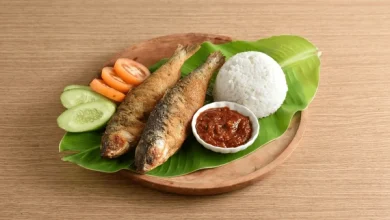
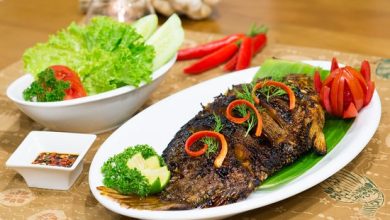
Welcome to Love With Recipes, your ultimate culinary resource for exploring authentic and flavorful dishes from around the world. Today, we delve into the rich, aromatic, and deeply satisfying Indonesian classic — Tongkol Pindang. This traditional dish, originating from Indonesia’s vibrant culinary tapestry, showcases the perfect harmony of fresh fish, fragrant herbs, and bold spices. The preparation of Tongkol Pindang is not merely about cooking but about creating a sensory experience that embodies the cultural essence of Indonesian cuisine. Combining tender tongkol (mackerel tuna) with a robust broth infused with turmeric, galangal, lemongrass, and an array of chilies results in a dish that is both hearty and delicately layered with flavors. Whether you’re a seasoned home chef or a culinary novice eager to explore Indonesian flavors, this detailed recipe will guide you step-by-step in creating an authentic Tongkol Pindang that will impress your family and guests alike.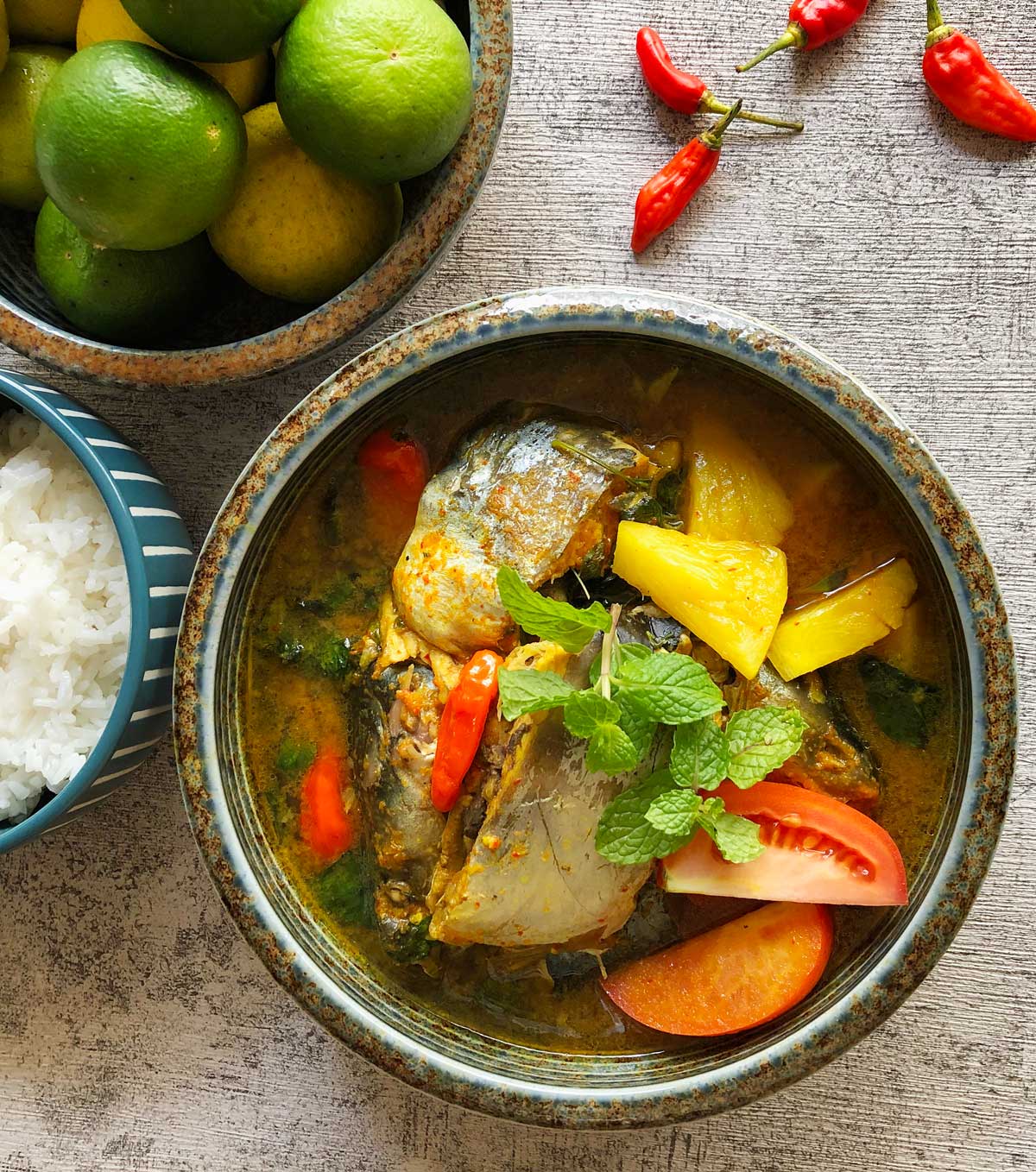
Time
This recipe takes approximately 1 hour and 15 minutes from start to finish. The breakdown of the timeline is as follows:

- Preparation of ingredients: 20 minutes
- Making spice paste and sautéing: 15 minutes
- Simmering and cooking the fish: 30 minutes
- Final touches and serving: 10 minutes
To ensure optimal flavor development, allocate extra time for ingredient preparation and garnishing. Patience during simmering allows the flavors to meld beautifully, resulting in a more complex and satisfying dish.
Needed Equipment
Preparing Tongkol Pindang requires specific kitchen tools to ensure efficiency and authenticity. Here is a comprehensive list:
- Sharp chef’s knife and cutting board
- Mortar and pestle (preferred) or food processor for spice paste
- Large pot or Dutch oven for simmering
- Wooden spoon or silicone spatula for stirring
- Measuring spoons and cups
- Fine strainer or slotted spoon (optional, for removing herbs)
- Small bowl for blending spices (if not using food processor)
- Serving bowls and utensils
- Heat-resistant ladle for serving
- Kitchen tongs (optional, for handling fish)
- Steaming rack or plate (if needed for fish handling)
- Stove or cooktop with sufficient heat control
- Kitchen towel or paper towels for cleaning
Tags
This recipe can be tagged with the following keywords to help you find it easily on Love With Recipes:
- Indonesian cuisine
- Fish stew
- Traditional Indonesian recipes
- Seafood
- Spicy fish soup
- Herbal broth
- Healthy dinner
- Comfort food
Serving Size
This recipe yields approximately 4 to 6 servings, depending on portion size and accompaniments. It is ideal for family dinners or small gatherings. Each serving includes a generous portion of fish and broth, complemented by rice or side dishes for a complete meal.
Difficulty Level
The complexity level of this recipe is Moderate. It involves multiple steps, including preparing a spice paste, sautéing, simmering, and careful handling of fish to prevent breaking apart during cooking. However, with patience and attention to detail, even novice cooks can achieve excellent results. The use of common kitchen tools makes this recipe accessible for home cooks seeking to explore Indonesian flavors.
Allergen Information
| Allergens | Possible Sources |
|---|---|
| Shellfish | Fish (Tongkol), Candlenuts |
| Nuts | Candlenuts |
| Spices | Chili peppers, turmeric, galangal, lemongrass |
| Allergens Variability | Possible cross-contact with other seafood or nuts during preparation |
If you have specific allergies, adapt the recipe by substituting nuts with seed-based alternatives or omitting certain spicy ingredients as needed. Always ensure the ingredients used are safe for your dietary requirements.
Dietary Preference
This dish is naturally gluten-free and dairy-free, making it suitable for a variety of dietary preferences. It is also low in carbohydrates and high in protein, fitting well into balanced diets. For vegetarian or vegan adaptations, consider substituting fish with tofu or tempeh and adjusting the broth seasoning accordingly.
Course
This recipe is categorized as a main course, served hot and often accompanied by rice and side dishes. It can be part of a larger Indonesian meal, including sambal, vegetable stir-fries, and other traditional accompaniments.
Cuisine
Indonesian
Ingredients
Complete Ingredient List in Table Format
| Ingredient | Quantity |
|---|---|
| Fresh Tongkol Fish | 12 pieces (about 600-800 grams total) |
| Fresh Basil (Kemangi) | 1 bunch |
| Shallots | 6 pieces (medium-sized) |
| Garlic | 3 cloves |
| Red Bird’s Eye Chili | 5 pieces (adjust to taste) |
| Curly Red Chili Peppers | 4 pieces |
| Candlenuts | 2 pieces (or approximately 20 grams) |
| Kandis Acid (Asam Kandis) | 1 piece (small, about 10 grams) |
| Turmeric (peeled and ground) | 1 thumb-sized piece (~20 grams) |
| Ginger (bruised) | 1 thumb-sized piece (~20 grams) |
| Galangal (bruised) | 1 thumb-sized piece (~20 grams) |
| Lemongrass (bruised) | 1 stalk |
| Kaffir Lime Leaves | 3 leaves |
| Bay Leaves | 2 leaves |
| Salt | 1 teaspoon |
| Chicken Bouillon Powder | 1/2 teaspoon |
| Water | 3 cups (~720 ml) |
| Cooking Oil | As needed |
Instructions
Step 1: Preparation and Cleaning of Ingredients
Begin by assembling all your ingredients on a clean workspace. The first crucial step is to thoroughly clean the fish. Rinse each piece of tongkol under cold running water to remove any residual blood, scales, or impurities. Use a sharp knife to gently scrape off any remaining scales or dark spots, ensuring the fish is as clean as possible. Pat dry with paper towels to remove excess moisture. Proper cleaning not only enhances the dish’s flavor but also prevents any unwanted odors during cooking.
Step 2: Creating the Spice Paste
This step is vital as it forms the aromatic backbone of Tongkol Pindang. In a mortar and pestle or food processor, combine shallots, garlic, red bird’s eye chili, curly red chili, candlenuts, and turmeric. If you’re using a mortar and pestle, grind the ingredients slowly and methodically until a smooth, homogeneous paste forms. Using a food processor simplifies this process; pulse until the mixture reaches a fine consistency, avoiding over-processing to prevent heat buildup which could alter the flavors.
Step 3: Sautéing the Spice Paste and Aromatics
Heat a generous amount of cooking oil—about 2-3 tablespoons—in a large, heavy-bottomed pot over medium heat. Once the oil shimmers, add the blended spice paste. Stir continuously with a wooden spoon or silicone spatula to prevent sticking. Cook for approximately 5-7 minutes until the paste releases a fragrant aroma and turns slightly darker. This step is crucial as it activates the spices’ essential oils, enriching the broth’s flavor profile. Add the bruised ginger, galangal, and bruised lemongrass stalk, along with the kaffir lime leaves and bay leaves. Continue stirring and sautéing for another 3-4 minutes, allowing the herbs to infuse their aroma into the oil and spice mixture.
Step 4: Building the Broth
Carefully pour 3 cups of water into the pot, stirring to incorporate the sautéed spices. Bring the mixture to a gentle boil over high heat. Once boiling, add the kandis acid (Asam Kandis), salt, and chicken bouillon powder. Stir well to dissolve and evenly distribute the seasonings. Reduce the heat to medium-low and let the broth simmer for 10 minutes, allowing the flavors to meld and intensify. During this simmering phase, use a spoon to skim off any foam or impurities that may surface, ensuring a clear and clean broth.
Step 5: Cooking the Fish
Gently add the cleaned and prepared tongkol fish pieces into the simmering broth. Do not overcrowd the pot; add the fish gradually to prevent breaking. Reduce the heat to maintain a gentle simmer. Cook the fish for approximately 15-20 minutes, turning the pieces carefully if needed, until the fish is tender and fully cooked through. The fish should easily flake but remain intact. During this process, the flavors from the broth will seep into the flesh, resulting in a flavorful, aromatic fish dish. Be cautious not to overcook, as this can cause the fish to fall apart.
Step 6: Final Seasoning and Fresh Herbs
Once the fish is cooked, taste the broth and adjust the seasoning if necessary, adding more salt or seasoning powder to suit your preference. Turn off the heat and tear the fresh basil leaves (Kemangi) and add them to the pot, stirring gently to incorporate their fresh aroma. Let the dish rest for a couple of minutes before serving. The basil adds a fragrant, herbal brightness that balances the richness of the broth and fish.
Step 7: Serving
Serve Tongkol Pindang hot, ladled into individual bowls. It pairs beautifully with steamed jasmine rice, which absorbs the flavorful broth. For an extra spicy kick, serve alongside a side of sambal or sliced fresh chilies. Garnish with additional basil leaves if desired, and enjoy this authentic Indonesian delicacy.
Preparation Tips
- Choosing the Fish: Always opt for fresh tongkol to maximize flavor and texture. If unavailable, mackerel or other firm white fish can be substituted.
- Adjusting Spice Level: The amount of chili peppers can be modified based on your heat tolerance. For milder versions, reduce the number of red chilies or remove the seeds.
- Flavor Development: For a deeper flavor, you can let the broth sit for a few hours or overnight in the refrigerator before reheating and serving.
- Herb Variations: Incorporate additional herbs like lime basil or Thai basil for nuanced floral notes.
Nutritional Information
| Nutrient | Per Serving (approximate) |
|---|---|
| Calories | 250 kcal |
| Protein | 25 grams |
| Fat | 10 grams |
| Carbohydrates | 8 grams |
| Sodium | 700 mg |
| Fiber | 2 grams |
| Vitamins & Minerals | Rich in Vitamin C, Iron, Calcium, and Potassium |
This nutritional profile emphasizes the dish’s high protein content and healthy fats, with a moderate amount of carbohydrates. The broth provides a good source of micronutrients essential for overall health.
Tips and Tricks
- Layering Flavors: Toast the candlenuts lightly before blending to enhance their flavor.
- Handling Fish: Use gentle movements when adding or turning the fish to prevent breaking the delicate flesh.
- Broth Clarity: Skim off foam and impurities during simmering for a clear, visually appealing broth.
- Herb Freshness: Add basil just before serving to preserve its vibrant aroma and flavor.
- Spice Balance: Taste and adjust chili levels gradually; you can always add more but cannot remove excess heat.
Add-ons
- Additional sliced red chilies for extra spice
- Hard-boiled eggs as a hearty side
- Tofu cubes or tempeh for added plant-based protein
- Steamed vegetables such as bok choy or spinach
- Crushed peanuts or fried shallots as garnish
Side Dishes
Complement your Tongkol Pindang with traditional Indonesian sides such as:
- Steamed jasmine rice or pandan rice
- Sambal terasi for spiciness
- Indonesian vegetable stir-fry (sayur lodeh)
- Fermented vegetables (acar)
- Fried tempeh or tofu slices
Improvements
- Enhance flavor complexity by adding a splash of lime juice or tamarind paste during simmering.
- Use homemade or high-quality broth instead of water for richer taste.
- Incorporate additional herbs like cilantro or Thai basil for a different aromatic profile.
- Experiment with different chili varieties for varied heat and flavor profiles.
Save and Store
If you have leftovers, allow the dish to cool completely before transferring to an airtight container. Store in the refrigerator for up to 2 days. Reheat gently on the stovetop, adding a splash of water or broth if necessary to restore the broth’s moisture and flavor. For longer storage, the dish can be frozen for up to one month, but note that the fish texture may change slightly upon thawing.
FAQ
Can I use frozen fish for this recipe?
Yes, frozen fish can be used, but ensure it is fully thawed and dried thoroughly before cooking to maintain the desired texture and prevent excess water from diluting the broth.
Can I make this dish vegetarian?
Absolutely. Substitute the fish with firm tofu or tempeh, and enhance the broth with vegetable stock instead of water. Adjust seasonings to compensate for the absence of fish flavor.
How spicy is this dish?
The spice level depends on the type and amount of chili peppers used. Adjust the number of red chilies to suit your taste, and remove seeds for milder heat. Always taste the broth before serving to ensure it meets your spice preference.
What are some common variations of Tongkol Pindang?
Variations include adding sliced tomatoes, tamarind paste for tanginess, or coconut milk for creaminess. Each version offers a different flavor profile while maintaining the essence of Indonesian cooking.
Conclusion
Mastering Tongkol Pindang not only introduces you to the rich flavors of Indonesian cuisine but also expands your culinary repertoire with a dish that balances spice, herbs, and tender fish in a fragrant broth. The process emphasizes layering flavors, respecting traditional techniques, and embracing fresh ingredients. As you become more familiar with the steps and tips, you’ll find this dish adaptable to your taste and dietary needs, making it a versatile addition to your home-cooked meals. Remember, the key lies in patience during simmering and careful handling of the fish to preserve its delicate texture. Share this authentic Indonesian recipe with friends and family, and enjoy a warm, comforting bowl that truly embodies the vibrant spirit of Southeast Asian cooking, exclusively on Love With Recipes.
References
- Indonesian Food & Cooking by Sri Owen
- Seri Cooks & Recipes: Authentic Indonesian Fish Dishes