Introduction
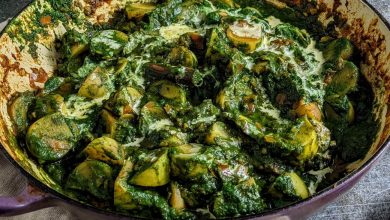
Dalma, an iconic dish from the heartland of Odisha (formerly Orissa), embodies the essence of traditional Oriya cuisine with its harmonious blend of wholesome vegetables, hearty lentils, and aromatic spices. This dish is more than just a meal; it is a reflection of cultural heritage, often served during festivals, religious ceremonies, and family gatherings, especially in the famous Chhappan Bhog offerings at temples. The beauty of Dalma lies in its simplicity yet complex layering of flavors, achieved through a meticulous selection of seasonal vegetables and the signature Oriya spice mix known as Panch Phoran. At Love With Recipes, we believe that mastering Dalma is an ode to appreciating nutritious, plant-based comfort food that is both satisfying and nourishing. Prepare to indulge in a culinary journey that celebrates Odisha’s rich gastronomic tradition through this authentic recipe, crafted with love and respect for its origins.
Time
Preparation Time: Approximately 20 minutes

Cooking Time: Around 50 minutes
Total Time: Approximately 1 hour and 10 minutes
Needed Equipment
- Pressure cooker – essential for quick, even cooking of lentils and vegetables
- Mixing bowls – for prepping and holding chopped vegetables
- Wooden or silicone spatula – for stirring the dal and spices
- Small frying pan – for tempering spices
- Measuring spoons and cups – for precise ingredient measurement
- Chopping board and sharp knives – for vegetable preparation
- Grater – for coconut garnish
- Serving bowls and spoons – for presentation and serving
- Optional: mortar and pestle – for freshly grinding spices if preferred
Tags
- Vegetarian
- Oriya Cuisine
- Traditional Indian Food
- Healthy
- Comfort Food
- Festive Dish
- Vegetable Lentil Stew
Serving Size
This recipe yields approximately 4 to 6 servings, making it ideal for family meals or small gatherings. The portion size can be adjusted based on appetite and accompanying dishes like rice or rotis.
Difficulty Level
Intermediate – Requires familiarity with basic Indian cooking techniques, including pressure cooking and tempering, but is straightforward enough for home cooks with some experience.
Allergen Information
- Contains legumes (toor dal)
- Contains coconut (used as garnish)
- Contains spices, which may cause allergic reactions in sensitive individuals
Dietary Preference
Vegetarian, vegan (if ghee is replaced with vegetable oil), and gluten-free (if served without wheat-based accompaniments).
Course
Main Course
Cuisine
Odisha (Oriya)
Ingredients
| Ingredient | Quantity | Notes |
|---|---|---|
| Arhar dal (toor dal) | 1 cup | Soaked for 4-5 hours for quicker cooking |
| Yam | 1/2 cup | Chopped into small cubes |
| Pumpkin | 1/2 cup | Chopped into small cubes |
| Brinjal (eggplant) | 1/2 cup | Chopped into small pieces |
| Raw banana | 1/2 cup | Chopped into small pieces |
| Carrot | 1/4 cup | Chopped small |
| Radish | 1/4 cup | Chopped small |
| Cinnamon powder | 1 teaspoon | For subtle aromatic flavor |
| Red chili powder | 1 teaspoon | Adjust according to spice preference |
| Panch Phoran Masala | 1 teaspoon | Oriya spice mix of five seeds |
| Turmeric powder | 1 teaspoon | For color and health benefits |
| Pinch of sugar | to taste | Enhances flavor balance |
| Salt | to taste | Adjust according to preference |
| Oil | As needed | Preferably mustard or vegetable oil for tempering |
| Ghee | 1 tablespoon | For tempering and garnishing |
| Dry red chillies | 2 | For tempering |
| Fennel seeds | 2 teaspoons | For tempering |
| Grated coconut | 1/4 cup | For garnish |
| Fresh coriander leaves | For garnish | Chopped |
Instructions
Step 1: Preparing the Lentils
Begin by rinsing the toor dal thoroughly under cold running water until the water runs clear. This step is crucial to remove surface impurities and excess starch that could affect the texture of the final dish. After rinsing, transfer the dal to a bowl and soak it in enough water to cover by at least two inches. Allow the dal to soak for 4 to 5 hours, or overnight if planning ahead. Soaking softens the lentils, reducing cooking time and ensuring a uniform, tender consistency.
Step 2: Vegetable Preparation
While the dal is soaking, focus on preparing the vegetables. Use a sharp, clean knife and a stable chopping board. Wash all vegetables thoroughly under running water to remove dirt, pesticides, or debris. For yam, pumpkin, brinjal, raw banana, carrot, and radish, peel if necessary, especially for yam and raw banana, to eliminate any bitter or inedible parts. Chop each into small, uniform cubes or pieces approximately 1/2 inch in size to ensure even cooking. Arrange the chopped vegetables in separate bowls or a large mixing bowl for convenience during later steps.
Step 3: Cooking the Dal and Vegetables
Drain the soaked dal and transfer it to a pressure cooker. Add 3 cups of water, along with the chopped vegetables, salt, and turmeric powder. Lock the lid securely and place the cooker on medium-high heat. Cook for 2 whistles—this ensures the dal is soft and the vegetables are tender but not overcooked. After the whistles, reduce the heat to low and cook for an additional 5 minutes to allow flavors to meld. Turn off the heat and carefully release the pressure by opening the vent or waiting for the pressure to subside naturally. Open the lid and give the mixture a gentle stir. The dal should be soft, with the vegetables cooked through, yet holding their shape.
Step 4: Spicing and Flavor Enhancement
Once the pressure is released, add red chili powder, cinnamon powder, panch phoran, and a pinch of sugar to the cooked dal and vegetables. Stir well to evenly distribute the spices. Bring the mixture to a gentle boil over medium heat. This step enhances the aroma and depth of flavor, ensuring the spices are infused thoroughly into the dish.
Step 5: Tempering (Tadka)
In a small frying pan, heat 1 tablespoon of ghee or oil over medium heat. Add the dry red chillies and fennel seeds. Allow them to sizzle and release their essential oils for approximately 20 seconds. Be cautious not to burn the spices; they should turn aromatic without turning dark. Turn off the heat and carefully pour the tempering over the dalma, ensuring even distribution. The tempering adds a layer of richness and boosts the overall flavor profile.
Step 6: Final Cooking and Garnishing
Stir the dalma gently to incorporate the tempering. Let it simmer uncovered for an additional 5 minutes on low heat, allowing the flavors to meld and the dish to thicken slightly. Turn off the heat and transfer the dalma to serving bowls. Garnish generously with freshly chopped coriander leaves and grated coconut for added freshness, aroma, and visual appeal. Serve hot with steamed rice or soft phulkas for a complete meal.
Preparation Tips
- Soaking Dal: Proper soaking reduces cooking time and ensures even tenderness. If pressed for time, soak for at least 2 hours, but longer soaking yields better results.
- Vegetable Variations: Seasonal vegetables like drumstick, green beans, or spinach can be added for variation and added nutrition.
- Spice Adjustment: For milder flavors, reduce red chili powder; for extra heat, increase accordingly.
- Consistency Control: Add more water if you prefer a thinner dalma or cook longer uncovered to thicken.
- Garnish Variants: A squeeze of lemon or a dash of fresh ginger can add additional layers of flavor if desired.
Nutritional Information
| Nutrient | Per Serving (approximate) |
|---|---|
| Calories | 220 kcal |
| Protein | 9 g |
| Carbohydrates | 35 g |
| Dietary Fiber | 8 g |
| Fats | 4 g |
| Sodium | 400 mg |
| Vitamins & Minerals | Rich in Vitamin A, Vitamin C, Iron, and Potassium |
Tips and Tricks
- Flavor Deepening: Let the cooked dal sit for 10-15 minutes after cooking; flavors develop further if it rests, making the dish more flavorful.
- Vegetable Doneness: Do not overcook vegetables; they should retain a slight bite to add texture to the dalma.
- Spice Mix: Prepare a batch of Panch Phoran in advance by dry roasting cumin, mustard, fenugreek, fennel, and kalonji seeds and storing in an airtight container for future use.
- Garnish Variations: Top with chopped raw onion or a drizzle of lemon juice for added zing.
Add-ons
- Freshly chopped green chilies or red chili flakes for extra heat
- Boiled eggs or paneer cubes for added protein (if non-vegetarian options are considered)
- Raita or plain yogurt as a cooling accompaniment
- Pickles for tangy contrast
- Fresh salad with onions, cucumbers, and tomatoes
Side Dishes
- Steamed Basmati rice or brown rice
- Whole wheat or millet rotis (phulkas)
- Papad or crispy Indian crackers
- Vegetable stir-fry or sautéed greens
Improvements
- Use homemade Panch Phoran for a fresher, more aromatic flavor
- Incorporate a splash of coconut milk during the final simmer for creaminess
- Add a dash of lemon juice or amchur (dry mango powder) for tang
- Experiment with different seasonal vegetables to keep the dish varied and nutritious
Save and Store
Dalma can be stored in an airtight container in the refrigerator for up to 2 days. Reheat gently on the stovetop or microwave, adding a splash of water to restore the desired consistency. For longer storage, freeze in portions for up to 1 month. To reheat, thaw overnight in the refrigerator and warm thoroughly before serving. Always check for spoilage before consumption, especially if stored for more than 2 days.
FAQ
Can I make Dalma without soaking the dal?
Yes, but soaking significantly reduces cooking time and results in a softer, more uniform texture. If you skip soaking, increase the cooking time accordingly, possibly cooking in a regular pot for 30-40 minutes or until the dal is soft.
Is Dalma vegan?
Yes, by substituting ghee with vegetable oil or coconut oil, Dalma remains vegan. Use fresh coconut and ensure that no animal-based ingredients are added.
Can I add other vegetables?
Absolutely. Vegetables like drumsticks, green beans, spinach, or peas can enhance flavor and nutrition. Adjust cooking times accordingly to prevent overcooking softer vegetables.
What is Panch Phoran?
Panch Phoran is an Oriya spice blend consisting of five seeds: cumin, mustard, fennel, kalonji (nigella), and fenugreek. These seeds are dry roasted to release their aroma and then used for tempering dishes like Dalma.
How do I prevent the dal from becoming too watery or too thick?
Adjust the amount of water during cooking based on the desired consistency. Add more water for a thinner dalma or cook uncovered longer to thicken. Stir occasionally to prevent sticking or burning at the bottom.
Conclusion
Dalma stands as a testament to Odisha’s rich culinary heritage, emphasizing wholesome ingredients, balanced spices, and a comforting, nourishing profile. Its versatility allows for variation according to seasonal vegetables and personal preferences, making it a beloved staple for vegetarians and health-conscious eaters alike. With patience and attention to detail, you can recreate this authentic Oriya delicacy in your own kitchen, bringing a taste of Odisha’s spiritual and culinary traditions to your dining table. Remember, at Love With Recipes, we celebrate the art of cooking as an act of love, and Dalma exemplifies that beautifully—simple, soulful, and deeply rooted in tradition.
References
- Odisha Tourism Official Website: https://odishatourism.gov.in
- Indian Food History and Culture, by K. T. Achaya (Oxford University Press, 1998)