Introduction
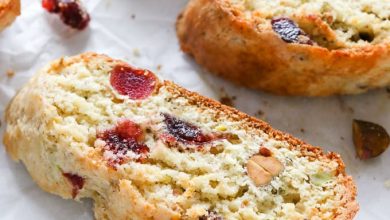
Embarking on a culinary journey into the heart of Roman tradition, Pangiallo Romano stands out as a quintessential festive bread that embodies the rich tapestry of Italy’s culinary history. This traditional Italian sweet bread, especially cherished during the winter holidays, is a celebration of flavor, aroma, and texture—combining aromatic spices, a medley of dried fruits, crunchy nuts, and vibrant saffron glaze. Its deep, complex taste profile, complemented by the tender, dense crumb of the bread, makes it an irresistible treat for family gatherings, festive celebrations, or simply as a luxurious snack. As a favorite during Christmas and Epiphany, Pangiallo Romano not only delights the palate but also carries with it the cultural significance and artisan craftsmanship of Roman bakers. This comprehensive guide, published by Love With Recipes, aims to walk you through every step of creating this legendary bread, ensuring you capture its authentic essence, flavor, and texture in your own kitchen.
Time
Preparation time: Approximately 30 minutes
Resting and rising time: 12 hours (preferably overnight)
Baking time: About 45 minutes
Total time commitment: Approximately 13 hours and 15 minutes, with the majority of the time dedicated to resting and rising phases which are crucial for flavor development and dough fermentation.

Needed Equipment
- Large mixing bowls for dough preparation and soaking
- Small bowls for activating yeast and preparing glaze
- Whisk or fork for dissolving yeast and mixing ingredients
- Wooden or silicone spatula for mixing dough
- Bench scraper or dough cutter
- Measuring cups and spoons for accurate ingredient measurement
- Kitchen scale for weighing ingredients precisely
- Clean work surface or pastry mat for kneading
- Plastic wrap or damp kitchen towels for covering dough
- Baking sheet or large baking pans
- Parchment paper or silicone baking mats for lining the baking sheet
- Pastry brush for glazing
- Oven for baking
- Cooling rack to cool the baked loaves
- Small saucepan for preparing saffron glaze
- Measuring spoons for small quantities like saffron and spices
- Microplane or fine grater (optional) for zesting or grating if needed for variations
Tags
Festive, Traditional, Italian, Bread, Holiday, Baked Goods, Sweets, Nuts, Dried Fruits, Spices, Saffron, Homemade
Serving Size
Each loaf yields approximately 8-10 slices, making the entire recipe suitable for 16-20 servings, depending on portion size. It is ideal for sharing among family and friends during special gatherings or holiday feasts.
Difficulty Level
Intermediate. This recipe involves multiple steps including soaking dried fruits, activating yeast, long fermentation, and meticulous glazing. It’s perfect for bakers with some experience in bread-making but can be adapted for enthusiastic beginners willing to invest patience for the best results.
Allergen Information
- Gluten: Yes, from all-purpose flour
- Nuts: Contains pine nuts, walnuts, almonds, hazelnuts
- Eggs: Egg whites used in dough
- Fruits: Dried orange peel and citron
- Saffron: Contains saffron spice, which may cause allergic responses in sensitive individuals
Dietary Preference
Not suitable for vegan or vegetarian diets unless modifications are made (e.g., replacing egg whites with plant-based binders). It is rich in nuts and dried fruits, making it a high-energy, nutrient-dense bread.
Course
Sweet bread / Festive bread / Dessert
Cuisine
Italian / Roman / Mediterranean
Ingredients
| Ingredient | Quantity |
|---|---|
| All-purpose flour (Farina 00) | 200g |
| Fresh yeast (Lievito di birra) | 10g |
| Sugar (Zucchero) | 150g |
| Candied orange peel (Arancia candita) | 50g |
| Candied citron (Cedro candito) | 50g |
| Pine nuts (Pinoli) | 50g |
| Walnuts (Noci) | 50g |
| Almonds (Mandorle) | 100g |
| Hazelnuts (Nocciole) | 100g |
| Sultana raisins (Uva sultanina) | 150g |
| Ground cinnamon (Cannella) | 1 teaspoon |
| Extra virgin olive oil (Olio extravergine d’oliva) | 50g |
| Egg whites (Albumi) | 2 |
| Water (Acqua) | 300g |
| Saffron (Zafferano) | 0.25g |
| For glaze: Extra virgin olive oil (Olio extravergine d’oliva) | 1 tablespoon |
| For glaze: All-purpose flour (Farina 00) | 1 tablespoon |
Instructions
1. Preparing the Raisins
Start by soaking the sultana raisins in 300g of warm water. Use a small bowl and fill it with water heated to about 40-45°C (104-113°F). The warmth helps soften the raisins, making them plump and juicy, which enhances their flavor and texture in the final bread. Let the raisins sit for approximately 30 minutes. During this time, they will absorb water and swell, becoming tender and more flavorful. After soaking, drain the raisins thoroughly using a fine-mesh sieve, ensuring all excess water is removed. Pat them gently with a paper towel if necessary to eliminate any remaining moisture. Set aside until needed, as excess water can interfere with dough consistency.
2. Activating the Yeast
In a small, clean bowl, dissolve 10g of fresh yeast in approximately 40g of warm water. The water should be at a temperature of around 38°C (100°F)—warm but not hot, as excessive heat can kill the yeast. Stir gently with a fork or whisk until the yeast is fully dissolved. Let this mixture sit for 5-10 minutes until it becomes frothy and bubbly, indicating that the yeast is active. This step is crucial because it ensures your dough will ferment properly, developing the characteristic rise and flavor of traditional pangiallo. If the mixture does not foam, discard and try again with fresh yeast, as this indicates the yeast is inactive.
3. Making the Dough
On a clean, flat surface or in a large mixing bowl, form a mound with the 200g of all-purpose flour. Create a well in the center of the flour mound, which acts as a well for adding wet ingredients and helps with proper mixing. Into this well, add the 150g of sugar and 1 teaspoon of ground cinnamon. These dry ingredients will provide sweetness and aroma to the bread. Pour the activated yeast mixture into the well, followed by 50g of extra virgin olive oil and the two egg whites. Slowly incorporate the surrounding flour into the liquid, starting from the center, using a spatula or your fingers. Mix gradually until you form a sticky, cohesive dough. This process should take about 5-7 minutes. Be patient; the dough will be somewhat shaggy but should come together smoothly. If needed, add a small splash of water or flour to achieve the right consistency—aim for a dough that is elastic yet manageable.
4. Incorporating Dried Fruits and Nuts
In a separate bowl, combine the pine nuts, walnuts, almonds, hazelnuts, candied orange peel, and candied citron. This mixture offers a delightful variety of textures and flavors, from crunchy to chewy, citrusy to nutty. Add the drained raisins from earlier, ensuring they are evenly distributed throughout the mixture. Now, add this fruit and nut mixture directly into the dough. Using your hands or a sturdy spatula, knead the ingredients together until fully incorporated. The dough will be dense and sticky, but this is expected. Ensure that the nuts and candied fruits are evenly dispersed, as this will ensure each slice is packed with flavor. Be gentle but thorough—taking care not to crush the nuts or break the candied peels.
5. Shaping the Loaves
Lightly dampen your hands with water to prevent sticking, then divide the dough into two equal portions. Take each portion and shape it into a round loaf or a smaller, compact shape according to your preference. Use your hands to gently form the dough into a ball or oval, pressing lightly to seal and create a smooth surface. Place the shaped loaves onto a baking sheet lined with parchment paper or a silicone baking mat. Leave enough space between them as they will expand slightly during the rising process. Using a gentle touch ensures the loaves retain their shape and do not deflate.
6. Allowing the Dough to Rise
Cover the loaves with plastic wrap or a damp kitchen towel to prevent them from drying out. Place the covered loaves in an oven that is turned off but still warm, ideally with residual heat from the oven after baking or a warm spot in your kitchen. The temperature should be around 25-30°C (77-86°F). Let the dough rise for about 12 hours, preferably overnight. This long fermentation allows the flavors to deepen, enhances the bread’s moistness, and develops the characteristic dense yet tender crumb. During this time, the yeast ferments the sugars, producing gases that create a slight rise and complex flavor profile. Do not refrigerate the dough at this stage, as cold temperatures slow yeast activity and inhibit proper fermentation.
7. Preparing the Saffron Glaze
While the dough is resting, prepare the saffron glaze. In a small saucepan, combine 1 tablespoon of extra virgin olive oil with 0.25g of saffron threads. Warm gently over low heat for about 2-3 minutes to release the saffron’s color and aroma. Remove from heat and immediately add 1 tablespoon of all-purpose flour. Stir vigorously to combine into a smooth, thick paste. Gradually add 40g of water, stirring continuously, until the mixture forms a uniform, glossy glaze. This saffron glaze will give the pangiallo its signature golden hue and subtle aroma. Adjust the consistency if necessary by adding tiny amounts of water or flour to ensure it is spreadable but not runny.
8. Baking Preparation
After the long rising period, remove the loaves from the oven or warm spot. Preheat your oven to 170°C (340°F) and position the rack in the middle. Gently brush the saffron glaze over the surface of each loaf using a pastry brush, ensuring an even coating. The glaze not only adds visual appeal but also imparts a delicate saffron aroma. Make sure to cover the entire surface, especially the top, to achieve an appealing, shiny finish once baked.
9. Baking the Loaves
Place the glazed loaves into the preheated oven. Bake for approximately 45 minutes, or until the top is golden brown and the bread has a firm, bread-like texture when tapped. The internal temperature should reach around 90°C (194°F). The long baking time ensures the dense bread is cooked through without burning the surface. Check for doneness by inserting a toothpick or skewer into the center; it should come out clean. If the loaves brown too quickly, loosely cover them with aluminum foil to prevent over-browning while the interior finishes baking.
10. Cooling and Serving
Once baked, carefully remove the loaves from the oven and transfer them to a cooling rack. Allow them to cool completely before slicing—this step is essential to set the crumb and prevent the slices from crumbling. Once cooled, slice into thick pieces and serve as desired. Pangiallo Romano is best enjoyed at room temperature, paired with a cup of espresso, sweet wine, or a warm beverage of choice. Its rich, aromatic profile makes it an ideal centerpiece for festive tables or special occasions. The bread’s fragrant aroma, complemented by the crunch of nuts and the citrusy sweetness of dried fruits, creates an authentic taste of Roman tradition.
Preparation Tips
- Use fresh, high-quality ingredients: The flavor of pangiallo heavily depends on the quality of nuts, dried fruits, and saffron. Opt for fresh, aromatic saffron and organic nuts for the best results.
- Ensure proper dough hydration: Adjust water slightly if the dough feels too dry or too sticky during kneading. A well-hydrated dough yields a tender, moist crumb.
- Long fermentation enhances flavor: Patience is key—allow the dough to rise slowly overnight for the best aromatic complexity and texture.
- Glaze consistency is vital: The saffron glaze should be smooth and spreadable. Too thick, and it won’t coat evenly; too thin, and it may run off during baking.
- Careful baking: Keep an eye on the loaf during the last 10 minutes to prevent over-browning. Use foil if necessary.
Nutritional Information
| Nutrient | Amount per Serving (approx. 1 slice) |
|---|---|
| Calories | ~350 kcal |
| Protein | ~5g |
| Carbohydrates | ~45g |
| Fats | ~20g |
| Fiber | ~3g |
| Sugars | ~20g |
Tips and Tricks
- Flavor variations: Feel free to incorporate other dried fruits like dried figs or apricots for a different flavor profile. Adding a splash of rum or orange liqueur to the soaked fruits can also add depth.
- Texture adjustments: To make the bread more cake-like, add a small amount of baking powder (about 1 teaspoon) to the dry ingredients.
- Glaze alternatives: Instead of saffron, a honey or lemon glaze can be used for a different finish, though it will alter the traditional appearance.
- Storage: Wrap cooled pangiallo tightly in plastic wrap or store in an airtight container to maintain freshness for up to 3 days. For longer storage, freeze slices and reheat gently.
Add-ons
- Chocolate chips or chunks—add within the dough for a chocolate twist.
- Additional spices such as nutmeg or cardamom for a more aromatic flavor.
- Drizzle with a simple powdered sugar glaze or honey before serving for extra sweetness.
Side Dishes
- Fresh fruit compote or citrus slices to complement the sweetness.
- Espresso or strong black coffee enhances the aromatic spices and nuts.
- Sweet dessert wines such as Moscato d’Asti or Vin Santo pair beautifully with pangiallo.
Improvements
- Experiment with different ratios of nuts and fruits to tailor the flavor.
- Incorporate a small amount of grated citrus zest into the dough for an extra citrus note.
- Use a slow-proofing method at lower temperatures to develop even more complex flavors.
- Try adding a splash of liqueur to the dough or soaked fruits for a boozy twist.
Save and Store
Once cooled completely, store the pangiallo in an airtight container or wrap tightly with plastic wrap. It can be kept at room temperature for up to 3 days or refrigerated for up to a week. For longer storage, slices can be frozen—wrap them individually in plastic wrap, then place in a freezer-safe container. To reheat, warm slices gently in the oven at 150°C (300°F) for about 10 minutes or until warmed through. This bread is best enjoyed fresh, but proper storage ensures you can savor its flavors over several days.
FAQ
Can I make pangiallo without nuts?
Yes, you can omit the nuts if you have allergies or prefer a different texture. Consider adding more dried fruits or citrus zest for added flavor. The classic texture and flavor profile will be affected, but it will still be delicious.
Can I replace the fresh yeast with dry yeast?
Absolutely. Use about one-third of the amount—roughly 3-4 grams of active dry yeast—and proof it in warm water with a pinch of sugar until frothy before adding to the dough. Adjust the rising times accordingly, as dry yeast may require slightly longer fermentation.
Is saffron essential?
Saffron is a key ingredient for authentic flavor and color, but if unavailable, turmeric can be used as a substitute for color, though it lacks the aromatic qualities. The saffron not only imparts a beautiful golden hue but also a subtle, luxurious aroma that defines pangiallo.
What variations can I try?
Try adding chocolate chips, dried figs, or apricots. Incorporate a splash of liqueur like Grand Marnier or Amaretto into the soaked fruits for an adult version. Experimenting with spices like nutmeg or allspice can also yield interesting flavor profiles.
Conclusion
Pangiallo Romano is more than just a sweet bread; it’s a symbol of Roman festive tradition, a celebration of community, and a testament to Italy’s rich culinary heritage. Its complex medley of flavors—from aromatic spices and candied citrus to crunchy nuts—encapsulates the warmth and joy of the holiday season. While the process involves patience and attention to detail, the rewarding aroma and delicious results make it all worthwhile. Whether enjoyed during Christmas, Epiphany, or a special family gathering, pangiallo is sure to impress and delight anyone fortunate enough to taste it. Remember, the true charm of this bread lies in its handcrafted authenticity and the love infused in every step—so take your time, enjoy the process, and savor every bite. Happy baking from Love With Recipes!
References
1. Italy Magazine – Pangiallo Recipe
2. La Cucina Italiana – Pangiallo Romano