
Introduction
Akhrot Ka Sheera, more commonly known as Walnut Halwa, is a beloved traditional dessert originating from the rich culinary tapestry of North India. Known for its hearty, nutty flavor and warm, comforting consistency, this dessert is a testament to Indian culinary artistry that marries health benefits with indulgence. Walnut Halwa is particularly popular during the winter season, when its nourishing qualities are most appreciated. It is often prepared during festivals such as Holi, Diwali, and other celebratory occasions, symbolizing prosperity and warmth. The combination of walnuts, jaggery, and milk creates a symphony of textures and flavors, from the crunch of chopped nuts to the smooth, pudding-like base that melts in your mouth. This dessert not only delights the palate but is also considered beneficial for health, providing healthy fats, antioxidants, and energy. As a versatile dish, it can be served warm or at room temperature, making it a perfect end to any festive meal or a hearty winter treat. Lovewithrecipes.com presents an authentic, detailed recipe for Akhrot Ka Sheera, designed to guide both novice cooks and seasoned chefs through every step of creating this sumptuous dessert with precision and care.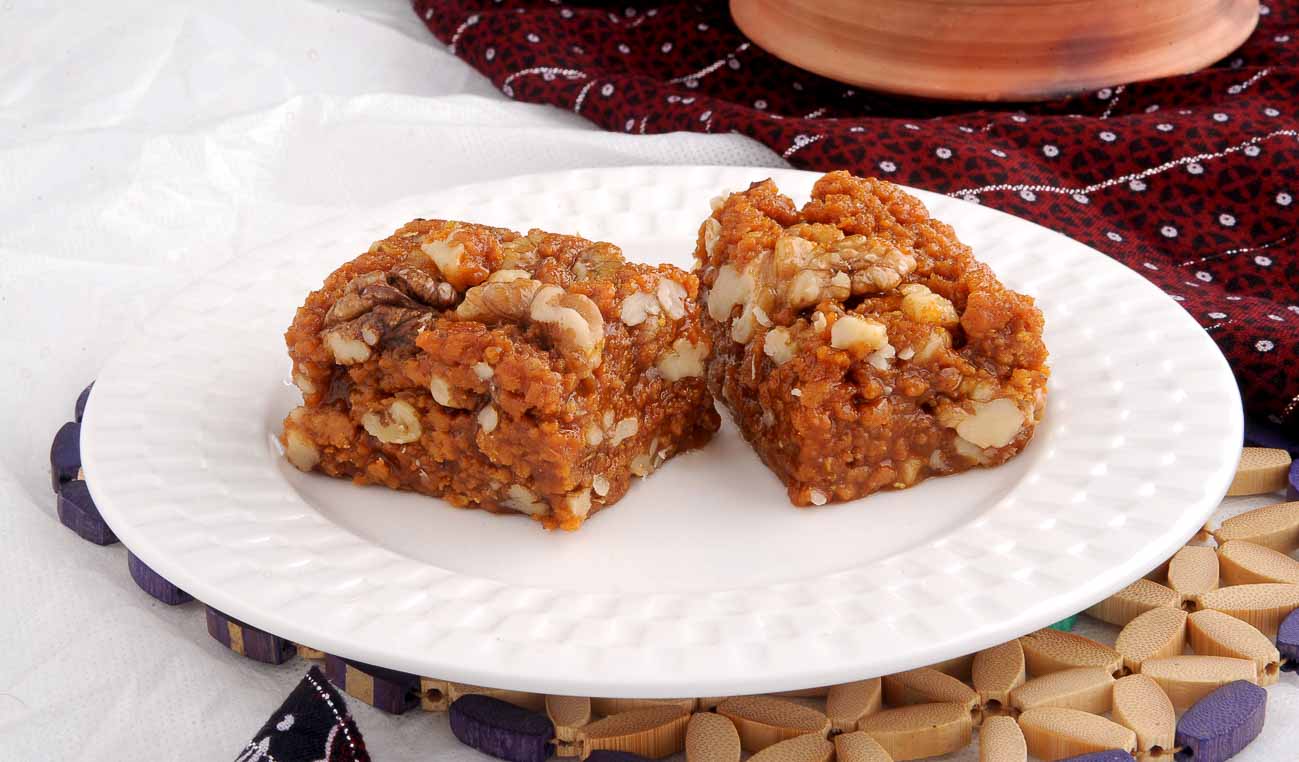
Time
- Preparation Time: 5 minutes
- Cooking Time: 40 minutes
- Total Time: 45 minutes
Needed Equipment
- Heavy-bottomed saucepan or deep skillet
- Non-stick frying pan or kadai
- Wooden spoon or silicone spatula
- Measuring cups and spoons
- Grater or food processor (for chopping and coarsely grinding walnuts)
- Small bowl (for saffron infusion, optional)
- Serving dish or tray (for setting and slicing, optional)
Tags
Indian Dessert, Walnut Recipes, Festive Sweets, Vegetarian, Winter Recipes, Traditional Indian Sweets, Festive Cooking, Nutty Desserts, Healthy Sweets, Comfort Food

Serving Size
This recipe yields approximately 4-6 servings, depending on portion size and presentation preferences.
Difficulty Level
Intermediate — Requires careful attention during roasting and simmering to achieve the perfect consistency and flavor balance.
Allergen Information
- Nuts: Walnuts
- Milk and Dairy: Milk, Ghee
- Potential cross-contamination: Check packaging for gluten or other allergens if using packaged ingredients
Dietary Preference
Vegetarian; can be adapted for vegan by substituting ghee with coconut oil and ensuring the use of plant-based milk and jaggery.
Course
Dessert / Sweet Course
Cuisine
North Indian
Ingredients
| Ingredient | Quantity | Notes |
|---|---|---|
| Walnuts (coarsely powdered) | 2 cups | Use fresh, high-quality walnuts for best flavor |
| Walnuts (chopped) | 1/4 cup | For garnishing and added texture |
| Milk | 3/4 cup | Full-fat milk preferred for richness |
| Jaggery | 3/4 cup | Adjust sweetness to taste; can substitute with sugar if unavailable |
| Ghee | 1/4 cup | Clarified butter; for authentic flavor, use traditional ghee |
| Cardamom Powder (Elaichi) | 1 teaspoon | Freshly ground enhances aroma |
| Saffron strands (optional) | A few strands | Steep in warm milk for infusion (optional) |
Instructions
Step 1: Roast the Walnuts
Begin the process by preparing the walnuts that form the base of this delightful sweet. Place a dry, heavy-bottomed pan over medium heat and allow it to warm up. Once the pan is adequately heated, add the chopped walnuts. Stir continuously to ensure an even roast, preventing burning and promoting uniform browning. The walnuts will emit a rich, nutty aroma, and their color will deepen slightly, indicating that they are roasted to perfection. This process typically lasts about 4-5 minutes. Keep a close watch, as over-roasting can lead to bitterness, and under-roasting may leave raw flavors. Once roasted, transfer the walnuts to a bowl and set aside to cool slightly. The roasted walnuts will be used later for flavor and texture enhancement.
Step 2: Prepare the Milk Mixture
While the walnuts are roasting, focus on preparing the milk infusion. Take a separate saucepan and pour in the measured milk. Place it over low to medium heat and bring to a gentle boil. To elevate the flavor profile, add saffron strands at this stage—if using—by soaking them in a tablespoon of warm milk for about five minutes. This allows the saffron to release its vibrant color and fragrant aroma, enriching the halwa’s appearance and taste. Add the jaggery to the boiling milk, stirring continuously until it dissolves completely. The mixture will turn slightly darker and syrupy. Stir well to ensure the jaggery integrates fully into the milk. Lower the heat and let the mixture simmer gently, allowing the flavors to meld and the jaggery to infuse the milk for about 10 minutes. This step ensures a uniform, aromatic sweetness that complements the walnuts perfectly.
Step 3: Roast the Walnut Powder
In a heavy-bottomed pan or kadai, heat the ghee over medium heat. Once melted and hot, add the coarsely powdered walnuts. Stir continuously to prevent burning and to promote even roasting. During this process, the walnuts will release their oils, deepen in color, and produce a rich, roasted aroma. This process takes approximately 8-10 minutes. Be attentive to the color change—aim for a golden-brown shade—indicating the nuts are roasted to enhance their flavor and digestibility. Stir frequently to avoid sticking or burning. The roasted walnut powder forms the base of the halwa, contributing both flavor and nutritional benefits.
Step 4: Combine Milk and Walnut Powder
Carefully and slowly pour the hot milk mixture into the pan containing the roasted walnut powder. This step requires caution because the mixture may splatter due to the temperature difference. Stir vigorously with a spatula or spoon to incorporate the milk thoroughly into the walnut powder, preventing lumps from forming. Continue stirring consistently as the mixture starts to thicken. The moisture from the milk will slowly absorb into the walnut paste, transforming the mixture into a smooth, pudding-like consistency. Keep stirring until the halwa begins to leave the sides of the pan, indicating it has thickened sufficiently. This process usually takes around 15-20 minutes. Patience during this stage ensures a well-blended and cohesive texture.
Step 5: Add Chopped Walnuts and Final Touches
Once the halwa has achieved the desired consistency, add the chopped walnuts for texture and visual appeal. Mix thoroughly to distribute the chopped nuts evenly throughout the mixture. The chopped walnuts will add a crunch and contrast to the smooth pudding, enhancing the overall eating experience. Taste and adjust the sweetness if needed by adding a little more jaggery or sugar. Sprinkle the cardamom powder over the mixture and stir well to incorporate the aromatic spice evenly. Turn off the heat and let the halwa rest for a few minutes to allow the flavors to settle.
Step 6: Serve and Garnish
Transfer the prepared Akhrot Ka Sheera to a serving dish or tray. You may serve it warm, at room temperature, or chilled, depending on preference. For presentation, sprinkle a few extra chopped walnuts on top for garnish. If you prefer a more structured presentation, pour the halwa into a greased dish, allow it to cool completely, then cut into squares or slices. Serve in small bowls or plates, accompanied by a cup of chai or other beverages. The halwa pairs wonderfully with traditional Indian snacks and makes a festive, nourishing dessert.
Preparation Tips
- Nut Quality: Use fresh, high-quality walnuts for the best flavor and texture. Old or rancid nuts will compromise the taste.
- Consistency Control: The halwa thickens as it cools. For a softer, more pudding-like texture, cook for a shorter duration. For thicker halwa, extend the cooking time slightly.
- Flavor Enhancements: Adding a few strands of saffron during milk boiling imparts a beautiful color and aroma. You can also add a pinch of nutmeg or rose water for variations.
- Vegan Adaptation: Replace ghee with coconut oil, use plant-based milk like almond or oat milk, and jaggery for sweetness to make this dessert vegan-friendly.
Nutritional Information
| Nutrient | Per Serving (approx. 150g) |
|---|---|
| Calories | 230 kcal |
| Protein | 4 g |
| Carbohydrates | 30 g |
| Fat | 12 g |
| Fiber | 2 g |
| Sugar | 10 g |
| Sodium | 20 mg |
Tips and Tricks
- Slow Cooking: Patience during simmering ensures the flavors meld well and the halwa achieves the perfect texture.
- Flavor Infusion: Steeping saffron strands in warm milk enhances aroma and color; do not skip this step for a richer flavor profile.
- Custom Sweetness: Adjust jaggery or sugar based on your sweetness preference and the natural sweetness of the jaggery used.
- Storing Nuts: Toast walnuts just before use to maximize freshness and flavor.
Add-ons
- Chopped almonds or pistachios for garnish
- Drizzle of honey or rose water for enhanced aroma
- Shredded coconut for added texture
- Fresh mint leaves as a garnish for presentation
Side Dishes
- Warm Indian flatbreads like Phulka or Paratha
- Sweetened yogurt or Raita
- Ginger chai or masala chai to complement the sweetness
Improvements
- Incorporate a splash of rose water or kewra water during simmering for a floral aroma.
- Use condensed milk for a richer, creamier halwa.
- Experiment with different nuts—almonds, cashews, or pistachios—for varied textures and flavors.
Save and Store
Leftover Akhrot Ka Sheera can be stored in an airtight container in the refrigerator for up to 3 days. Reheat gently on the stovetop or microwave before serving. For longer storage, freeze in portions and thaw as needed. Ensure the halwa is cooled completely before storing to prevent condensation and spoilage.
FAQ
Can I make this vegan?
Yes, by substituting ghee with coconut oil, using plant-based milk, and jaggery instead of sugar or honey, you can create a vegan version of this Walnut Halwa.
Can I prepare this in advance?
Absolutely. Prepare the halwa a day ahead and store it in the refrigerator. Reheat gently before serving to retain its flavor and texture.
How do I know when the halwa is ready?
The halwa is ready when it leaves the sides of the pan, has a pudding-like consistency, and the roasted walnuts are fragrant. It should be thick but still pourable or scoopable depending on preference.
Can I use other nuts?
Yes, almonds, pistachios, or cashews can be used alone or in combination with walnuts for added flavor and texture.
Conclusion
Akhrot Ka Sheera embodies the essence of Indian traditional desserts — nourishing, flavorful, and festive. Its combination of roasted walnuts, aromatic spices, and sweet jaggery creates a comforting treat perfect for winter days or celebratory occasions. The detailed process outlined above ensures that even novice cooks can achieve authentic results, while the tips and customization options allow for creative variations. Whether served warm or cooled, this Walnut Halwa promises to satisfy sweet cravings and bring a touch of Indian culinary heritage to your table. Lovewithrecipes.com encourages you to embrace this recipe, adapt it to your taste, and share its wholesome goodness with loved ones.
References
- Indian Food and Cooking – A Traditional Guide by R. K. Gupta, 2010.
- The Art of Indian Cooking by Monisha Bharadwaj, 2012.