Introduction
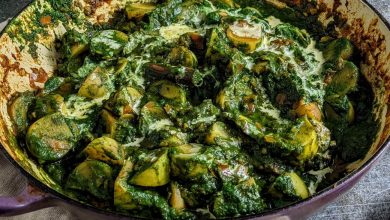
Potato Kurma, also fondly known as Aloo Kurma in many South Indian households, epitomizes the warm, aromatic, and flavorful essence of traditional South Indian cuisine. This dish seamlessly combines the comforting earthiness of potatoes with a rich, creamy coconut-based gravy infused with an exquisite blend of spices. As a versatile accompaniment, Potato Kurma pairs beautifully with steamed rice, soft chapatis, flaky parathas, or even dosas, making it a staple for both everyday meals and festive occasions. At Love With Recipes, we aim to bring you authentic, tested recipes that honor culinary traditions while offering simple, accessible steps for home cooks of all skill levels. This Potato Kurma recipe is designed to be both straightforward and deeply satisfying, promising a burst of flavors with every bite. Whether you’re cooking for your family, hosting friends, or preparing a wholesome lunchbox for kids, this dish will never disappoint. The combination of freshly ground coconut, warm spices, and tender potatoes creates a truly delightful experience that captures the soulful spirit of South Indian cooking.

Time
- Preparation Time: 10 minutes
- Cooking Time: 35 minutes
- Total Time: 45 minutes
Needed Equipment
- Pressure cooker or large saucepan
- Mixing bowl
- Grinder or food processor
- Large frying pan or wok
- Cooking spoon or spatula
- Measuring spoons
- Knife and chopping board
- Peeler for potatoes
- Grater for coconut (if fresh coconut is used)
- Stove or cooktop
- Serving bowls
Tags
- South Indian
- Vegetarian
- Vegan (if coconut is omitted)
- Gluten-Free
- Spicy
- Comfort Food
- Family-Friendly
Serving Size
Serves 4 people generously, with leftovers suitable for a small family or for meal prepping.
Difficulty Level
Easy
Allergen Information
- Contains: Coconut, Spices
- Possible allergens: Nut traces depending on spice blends, cross-contamination in spice processing facilities
Dietary Preference
- Vegetarian
- Vegan (if coconut milk or cream is not added)
Course
Main Course / Side Dish
Cuisine
South Indian, Indian
Ingredients
Ingredient List for Potato Kurma
| Ingredient | Quantity |
|---|---|
| Potatoes | 3 medium-sized, peeled and chopped into cubes |
| Onion | 1 large, finely chopped |
| Tomatoes | 2 medium, chopped |
| Bay Leaf | 1 |
| Cloves | 2 |
| Cinnamon | 1-inch piece |
| Ginger Garlic Paste | 1 teaspoon |
| Turmeric Powder | 1/2 teaspoon |
| Red Chili Powder | 1 1/2 teaspoon |
| Coriander Powder | 1 teaspoon |
| Garam Masala Powder | 1/2 teaspoon |
| Oil | 1 tablespoon |
| Salt | As per taste |
| Fennel Seeds (ground) | 1 teaspoon |
| Cumin Seeds (ground) | 1 teaspoon |
| Grated Coconut | 1/2 cup (fresh or frozen) |
Optional Add-ons and Variations
- Fresh green chilies, chopped, for extra heat
- Fresh coriander leaves for garnishing
- A splash of cream or yogurt for creaminess
- Additional vegetables like peas, carrots, or beans
Instructions
Step 1: Prepare the Ingredients
The foundation of any flavorful curry starts with meticulous preparation. Begin by peeling the potatoes and chopping them into uniform medium-sized cubes, approximately 1-inch in size. Uniformity ensures even cooking and a consistent texture. Rinse the potatoes thoroughly under cold water to remove any excess starch, which can cause the curry to become gloopy or over-thickened.
Next, finely chop the onions into small pieces, about 1/8 inch, to facilitate quick cooking and blending of flavors. Similarly, chop the tomatoes into small, manageable pieces; this helps them break down faster during cooking, releasing their natural juices to form the base of the gravy.
If using fresh coconut, grate it finely using a traditional grater or a food processor with a grating attachment. Alternatively, measure out frozen grated coconut if available. In a spice grinder or mortar and pestle, grind the fennel and cumin seeds into a fine powder or coarse grind, depending on preference. This step releases essential oils and enhances the flavor profile of the dish.
Step 2: Cook the Potatoes
To achieve tender potatoes that are perfectly cooked without overdoing it, you can use a pressure cooker for convenience and speed. Place the chopped potatoes into the pressure cooker along with enough water to cover them completely—about 2-3 cups, depending on the size of your cooker. Add a pinch of salt to the water to season the potatoes from within.
Close the lid tightly and cook on medium heat for about 2 whistles. The number of whistles may vary depending on your cooker model, but generally, it should take about 4-5 minutes at high pressure. Once the pressure subsides naturally or manually, carefully open the lid. The potatoes should be soft but not mushy.
Allow the potatoes to cool slightly. Using a slotted spoon, transfer them to a plate or bowl and peel the skins if desired (peeling is optional but recommended for a smoother gravy). Chop the peeled potatoes into smaller bite-sized pieces, if necessary, for better integration into the curry. Set aside.
Step 3: Prepare the Coconut Paste
In a mixer or food processor, combine the freshly grated coconut with the ground fennel and cumin seeds. Add a little water—about 2-3 tablespoons—to facilitate blending. Pulse until you achieve a smooth, thick paste. This coconut paste is the core flavor component, imparting richness and aroma to your kurma.
If using frozen grated coconut, let it thaw slightly before blending. For a more intense flavor, you may toast the coconut lightly in a dry pan until golden before blending, but this step is optional.
Step 4: Sauté the Whole Spices and Onions
Heat a large pan or wok over medium heat. Add 1 tablespoon of oil—preferably coconut oil or any neutral vegetable oil. Once hot, add the cinnamon stick, cloves, and bay leaf. Sauté these whole spices for about 30 seconds to 1 minute, until they release a fragrant aroma that signals they have toasted enough to infuse the oil.
Add the finely chopped onions to the pan. Stir frequently and cook until they turn soft, translucent, and then golden brown—this process takes approximately 8-10 minutes. Proper caramelization of onions is key to developing depth of flavor in the curry.
Step 5: Add Ginger Garlic Paste and Tomatoes
Once the onions are golden, add the ginger garlic paste. Sauté for about 2 minutes, stirring continuously, until raw smell disappears and the mixture is fragrant. This step is crucial for flavor development.
Next, add the chopped tomatoes. Cook them down until they become soft, mushy, and release their juices—about 7-8 minutes. Stir occasionally to prevent sticking, adding a splash of water if necessary to avoid burning.
Step 6: Incorporate Spices and Potatoes
Now, add the turmeric powder, red chili powder, coriander powder, and garam masala powder. Stir well to coat the onion-tomato mixture evenly with the spices. Let this cook for at least 2 minutes, allowing the spices to bloom and release their aromatic oils.
Add the cooked, peeled, and chopped potatoes into the pan. Gently fold to coat the potatoes with the spice mixture. This step ensures every bite is infused with flavor and helps the spices adhere to the potatoes.
Step 7: Add Coconut Paste and Simmer
Stir in the coconut paste, combining it thoroughly with the potato and spice mixture. Pour in approximately 1 cup of water to adjust the consistency of the gravy. Bring the mixture to a gentle boil, then reduce the heat to low and let it simmer uncovered for 10-15 minutes.
During this simmering process, the potatoes absorb the flavors, and the gravy thickens slightly. Check for seasoning and adjust salt or spice levels as needed. If you prefer a thinner gravy, add a little more water or coconut milk for richness.
Step 8: Final Touch and Serving
Once the curry reaches the desired consistency and the potatoes are tender, turn off the heat. Garnish with freshly chopped coriander leaves for a burst of freshness and aroma. Serve hot with steamed rice, chapatis, parathas, or dosas.
Enjoy this hearty, aromatic South Indian Potato Kurma that combines the creaminess of coconut with the warmth of spices for a comforting meal that will delight your senses.
Preparation Tips
- Uniform cutting: Cutting potatoes and vegetables uniformly ensures even cooking and a better texture.
- Fresh coconut: If fresh coconut isn’t available, frozen grated coconut or desiccated coconut soaked in warm water can be used.
- Spice freshness: Use freshly ground spices for maximum aroma and flavor. Store ground spices in airtight containers away from sunlight.
- Consistency control: Adjust water levels during simmering to achieve your preferred gravy thickness.
- Flavor enhancement: A teaspoon of lemon juice or a pinch of sugar can balance flavors if needed.
Nutritional Information
| Nutrient | Amount (per serving) |
|---|---|
| Calories | Approx. 150-200 kcal |
| Carbohydrates | 25-30g |
| Protein | 2-3g |
| Fat | 7-10g |
| Fiber | 3-4g |
| Sodium | Approx. 200-300 mg |
| Sugars | Approx. 5g |
Tips and Tricks
- Layer flavors: Toast whole spices before grinding for a deeper aroma.
- Make ahead: Prepare the coconut paste and spice mix in advance to speed up cooking.
- Adjust heat: For milder flavor, reduce red chili powder or omit green chilies.
- Slow simmer: Allow the curry to simmer gently for richer flavor development.
- Presentation: Garnish with fresh coriander and a squeeze of lemon for added brightness.
Add-ons and Variations
- Vegetables: Incorporate peas, carrots, beans, or corn for added nutrition.
- Protein boost: For non-vegetarian options, add cooked paneer or tofu for a vegetarian protein source.
- Spice level: Adjust the amount of red chili or green chilies for milder or spicier versions.
- Creaminess: Finish with a splash of coconut cream, yogurt, or a dollop of butter for luxurious texture.
Side Dishes
- Steamed white rice or jeera rice
- Chapatis or whole wheat parathas
- Dosa or idli for a breakfast or brunch option
- Simple vegetable poriyal or stir-fried greens
- Pickles and papadums for added crunch and flavor contrast
Improvements and Variations
To elevate your Potato Kurma, consider adding roasted cashew nuts or almonds for texture. You can also blend a portion of the cooked curry into a smoother sauce and reintroduce it for a creamier consistency. Experimenting with different types of coconut, such as shredded dried coconut or coconut milk, can alter the flavor profile. Incorporating fresh herbs like curry leaves during cooking adds an authentic aroma. For a tangy twist, a splash of tamarind juice can be added during simmering, balancing the richness with a subtle sour note.
Save and Store
Allow the Potato Kurma to cool completely before storing. Transfer leftovers into airtight containers and refrigerate for up to 2 days. To reheat, gently warm on the stovetop over low heat, stirring occasionally. For longer storage, freeze in small portions—use freezer-safe containers or zip-top bags. Thaw in the refrigerator overnight before reheating. To maintain flavor and prevent spoilage, avoid reheating multiple times.
FAQ
Can I make Potato Kurma vegan?
Yes, simply omit any dairy-based ingredients such as cream or yogurt. Use coconut milk or additional grated coconut to maintain creaminess.
Can I use dried coconut instead of fresh?
Yes, but toast the dried coconut lightly or soak it in warm water to soften before blending for better flavor extraction.
What if I don’t have whole spices?
You can use pre-ground spices, but freshly ground spices provide a more vibrant aroma and flavor. Adjust the quantity accordingly, as pre-ground spices may be more concentrated.
How do I make this dish spicier?
Increase red chili powder, add chopped green chilies during cooking, or sprinkle some chili flakes just before serving for extra heat.
Can I prepare this in a slow cooker?
Yes, combine all ingredients and cook on low for 4-6 hours, stirring occasionally. Add coconut paste towards the end of cooking to prevent curdling.
Conclusion
Potato Kurma is a quintessential South Indian dish that beautifully marries simplicity with complex flavors. Its rich coconut gravy, infused with aromatic spices, makes it an ideal accompaniment for a variety of breads and rice dishes. Perfect for vegetarians and those seeking a wholesome, flavorful meal, this recipe encapsulates the essence of traditional Indian home cooking. By following the detailed steps and tips provided, even novice cooks can master this dish, impressing family and friends alike. Remember, the key lies in fresh ingredients, proper seasoning, and patience during simmering. Explore variations, experiment with additional vegetables or spices, and make this dish your own signature comfort food. For more recipes like this, visit Love With Recipes, your trusted platform for authentic, tested, and delicious culinary creations.
References
- “Indian Cooking: A Vegetarian Journey,” by Anjum Anand
- “The Indian Spice Kitchen,” by Monisha Bharadwaj