
Introduction
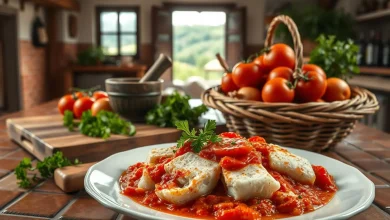
Welcome to Love With Recipes, where culinary innovation meets timeless comfort food. Today, we delve into a dish that elevates the humble meatball into a sophisticated, vegetable-rich masterpiece: Celery Meatballs served with a luscious homemade tomato sauce. This recipe combines the crisp, refreshing crunch of fresh celery with the savory depth of Parmesan cheese and aromatic herbs, all enveloped in a rich, flavorful tomato base. Not only does this dish offer a delightful palate experience, but it also introduces a nutritious twist on classic meatball recipes, making it suitable for a variety of dietary preferences and occasions. Whether you’re preparing a family meal, hosting friends, or looking to impress with a unique dish, these celery meatballs promise to deliver both taste and visual appeal. As always, this recipe is carefully crafted and tested to ensure maximum flavor, texture, and nutritional value, and is proudly published on Love With Recipes, your go-to platform for culinary inspiration.
Estimated Time
The overall preparation and cooking time for this dish is approximately 1 hour and 15 minutes. This includes time for preparing the tomato sauce, cooking the celery, forming and frying the meatballs, and final assembly. Here’s a breakdown:

- Preparation of ingredients: 20 minutes
- Cooking the tomato sauce: 30 minutes
- Cooking the celery: 10 minutes
- Forming the meatballs: 10 minutes
- Frying the meatballs: 10 minutes
- Assembly and final touches: 5 minutes
Needed Equipment
To ensure a seamless cooking experience, gather the following equipment before starting:
- Large frying pan (for tomato sauce)
- Deep-frying thermometer (to monitor oil temperature)
- Deep frying pan or heavy-bottomed pot (for frying meatballs)
- Slotted spoon or spider strainer (for removing fried meatballs)
- Mixing bowls (for preparing meatball mixture and holding ingredients)
- Sharp chef’s knife (for chopping celery and herbs)
- Chopping board
- Measuring cups and spoons
- Kitchen scale (for precise measurement of ingredients)
- Grater (for Parmesan cheese)
- Wooden spoon or silicone spatula (for stirring sauce)
- Small bowl (for cracking and beating egg)
- Paper towels (for draining fried meatballs)
- Cooking thermometer (for monitoring oil temperature)
- Serving plates and utensils
Tags
Comfort Food, Healthy, Family-Friendly, Italian-Inspired, Vegetarian Option, Appetizer, Main Course, Nutritious, Homemade, Quick & Easy
Serving Size
This recipe yields approximately 4-6 servings, depending on portion size. Each serving includes about 4-5 meatballs, paired with a generous serving of tomato sauce and garnished with herbs.
Difficulty Level
This recipe is rated as Moderate. While it involves several steps—including preparing the sauce, cooking celery, forming, and frying meatballs—it is accessible to home cooks with basic culinary skills. Attention to detail, especially during frying, ensures perfect results.
Allergen Information
| Allergen | Present in Recipe | Notes |
|---|---|---|
| Gluten | Optional breadcrumbs | Use gluten-free breadcrumbs for gluten intolerance |
| Dairy | Parmesan cheese | Omit or substitute for vegan cheese if necessary |
| Egg | Yes | Can substitute with flaxseed or chia seed mixture for vegan option |
| Garlic | Yes | Potential allergen for some individuals |
Dietary Preferences
- Vegetarian: Not suitable unless meat is substituted with plant-based alternatives.
- Vegan: Substitute Parmesan with vegan cheese, and egg with flaxseed or aquafaba.
- Gluten-Free: Use gluten-free breadcrumbs.
- Keto: Reduce breadcrumbs, increase Parmesan, and opt for low-carb tomato sauce.
Course
Appetizer or Main Course. This dish is versatile: serve as a starter for elegant dinners or as a hearty main paired with side dishes.
Cuisine
Italian-inspired, Mediterranean, Contemporary American
Ingredients
Meatball Components
| Ingredient | Quantity |
|---|---|
| Celery (fresh, cleaned) | 600g (about 4-5 large stalks) |
| Bread (stale, cut into pieces) | 200g (approx. 2 cups) |
| Parmesan Reggiano DOP (grated) | 100g (about 1 cup) |
| Egg | 1 large |
| Salt | To taste (approx. 1/2 teaspoon) |
| Black pepper | To taste (freshly ground, about 1/4 teaspoon) |
| Breadcrumbs (optional) | 180g (about 1 1/2 cups) |
| Sunflower oil (for frying) | Enough for deep frying (about 1 liter) |
| Fresh parsley (chopped) | For garnish and flavor |
Tomato Sauce
| Ingredient | Quantity |
|---|---|
| Passata di pomodoro (tomato passata) | 750g (about 3 cups) |
| Garlic cloves (peeled) | 2 cloves |
| Extra virgin olive oil | 2-3 tablespoons |
| Salt | To taste |
Instructions
Step 1: Preparing the Tomato Sauce
Begin by creating a flavorful base for your dish. Heat a generous amount of extra virgin olive oil—about two to three tablespoons—in a large, heavy-bottomed frying pan over medium heat. The choice of pan is crucial; a thick-bottomed pan ensures even heat distribution, preventing burning and allowing for gentle simmering. Once the oil is shimmering and warm, add the garlic cloves—left in their skins—to the pan. Be sure to press the garlic lightly with the side of your knife or a garlic crusher for maximum flavor release. Sauté the garlic gently, stirring occasionally, until it releases a fragrant aroma, about 1-2 minutes. Be cautious not to let the garlic burn, as this imparts a bitter taste that can spoil the sauce.
Next, pour in the passata di pomodoro, stirring it well to incorporate the garlic infused oil. Bring the sauce to a gentle simmer, then cover the pan with a lid to retain moisture and allow the flavors to meld. Reduce the heat to low and simmer for at least 30 minutes, stirring occasionally. This slow cooking process enhances the depth of flavor, thickens the sauce, and develops a rich, robust profile. During this time, the acidity of the tomatoes mellows, and the aroma fills your kitchen with a comforting scent reminiscent of traditional Italian kitchens. After the simmering period, carefully remove and discard the garlic cloves, which have served their purpose of infusing flavor. Taste the sauce and adjust seasoning with salt as needed. Keep the sauce warm on low heat until ready to serve.
Step 2: Preparing the Celery for the Meatballs
While your sauce simmers, shift focus to the celery component. Start by thoroughly washing the celery stalks under cold running water to remove any dirt or residual pesticides. Trim the base (the root end) of each stalk using a sharp chef’s knife. Cut away any discolored or damaged parts, ensuring only fresh, crisp celery remains. For easier handling, chop the celery into smaller, manageable pieces—roughly 2-3 inches long—before proceeding.
Fill a large pot with water, add a generous pinch of salt—about 1 teaspoon per liter of water—and bring it to a rolling boil. Once boiling, add the chopped celery. Boiling celery in salted water helps to soften it, making it more palatable and easier to blend into the meat mixture. Cook the celery for approximately 10 minutes, or until it becomes tender when pierced with a fork. Be careful not to overcook; you want the celery to retain some structure to provide texture to the meatballs.
Drain the cooked celery thoroughly using a colander and allow it to cool slightly. Once cooled enough to handle, finely chop the celery into small pieces. Use a sharp knife to mince the celery, ensuring an even consistency. This fine chop is essential because it facilitates even distribution throughout the meatball mixture, resulting in a cohesive, well-textured final product. The celery imparts a subtle, fresh flavor that balances the richness of the Parmesan and the savoriness of the meat, creating a harmonious bite.
Step 3: Forming the Meatballs
In a large mixing bowl, combine the chopped celery with the grated Parmesan Reggiano, crumbled bread, and the egg. Add a pinch of salt and freshly ground black pepper—about 1/2 teaspoon salt and 1/4 teaspoon pepper as a starting point, adjusting to taste. The bread acts as a binder, helping the mixture hold together during frying, while Parmesan adds umami and depth of flavor.
Mix all ingredients thoroughly until well combined. The mixture should be sticky but manageable; if it feels too wet, sprinkle in a little more crumbled bread to achieve the right consistency. Conversely, if it’s too dry, add a small splash of water or a bit more beaten egg. To test if the mixture holds together, take a small amount and form a mini meatball; if it holds its shape without crumbling, your mixture is ready.
Using your hands, form the mixture into small, uniform meatballs roughly the size of a large walnut (about 2 inches in diameter). Consistent sizing ensures even cooking and a professional presentation. Roll each meatball gently between your palms, then dredge lightly in the breadcrumbs if you desire an extra crispy exterior. This step is optional but recommended for added texture and visual appeal.
Step 4: Frying the Meatballs
Set up your frying station. Fill a deep pan or heavy-bottomed pot with sunflower oil—enough for deep frying, approximately 1 liter. Use a kitchen thermometer to monitor the temperature, aiming for 170°C (340°F). Maintaining the correct temperature is crucial; too low and the meatballs will absorb excess oil, becoming greasy; too high and they risk burning outside before cooking through inside.
Once the oil reaches the desired temperature, carefully add 3-4 meatballs at a time to avoid overcrowding. Use a slotted spoon or a spider strainer to gently lower the meatballs into the hot oil. Fry for about 2 minutes, turning occasionally, until they are golden brown on all sides. The frying process creates a crispy exterior that complements the tender, flavorful interior. Use the slotted spoon to remove the meatballs and drain on paper towels to remove excess oil. Repeat with remaining meatballs, maintaining the oil temperature throughout.
Step 5: Serving and Garnishing
To serve, spoon a generous ladle of the hot, freshly prepared tomato sauce onto each plate, creating a flavorful base. Arrange the fried celery meatballs on top of the sauce, ensuring they are well coated and nestled into the sauce. Finish with a sprinkle of finely chopped fresh parsley or basil for a burst of freshness and vibrant color. This not only enhances visual appeal but also adds aromatic contrast that elevates the dish.
Serve immediately for optimal texture, accompanied by crusty bread or a side of your choice. The combination of crispy meatballs, fragrant tomato sauce, and fresh herbs makes for an inviting presentation and a memorable meal.
Preparation Tips
- Use fresh ingredients: Fresh celery, high-quality Parmesan, and ripe garlic will significantly enhance the flavor.
- Chill the mixture: For easier handling, refrigerate the prepared meatball mixture for 15-20 minutes before forming. This helps it firm up, making shaping easier.
- Control oil temperature: Use a thermometer to ensure consistent frying temperature, preventing greasy or undercooked meatballs.
- Batch fry: Fry in small batches to maintain oil temperature and ensure even cooking.
- Keep warm: If serving multiple batches, keep fried meatballs warm in a low oven (around 80°C/175°F) on a baking sheet lined with paper towels.
Nutritional Information
| Nutrient | Per Serving |
|---|---|
| Calories | 210 kcal |
| Protein | 8 g |
| Carbohydrates | 26 g |
| Fiber | 3 g |
| Fat | 10 g |
| Saturated Fat | 1.5 g |
| Sodium | 450 mg |
Tips and Tricks
- Flavor infusion: For an extra layer of flavor, add finely chopped fresh herbs like basil or oregano into the meatball mixture.
- Cheese variations: Incorporate other grated cheeses such as Pecorino Romano or aged Gouda for different flavor profiles.
- Alternative binding agents: Use mashed sweet potato or cooked quinoa instead of bread for gluten-free options.
- Oven-baked option: For a healthier version, bake the formed meatballs at 180°C (356°F) for 20-25 minutes, turning halfway through, instead of frying.
- Serving suggestion: Pair with a side of steamed vegetables, a fresh green salad, or whole-grain pasta for a complete meal.
Add-ons
- Crushed red pepper flakes for a spicy kick.
- Grated lemon zest in the meatball mixture for a citrusy note.
- Drizzle of balsamic glaze over the finished dish for added sweetness and acidity.
- Spread of creamy ricotta or mascarpone for extra richness.
Side Dishes
- Complement with a side of garlic bread or toasted baguette slices.
- Serve alongside a fresh mixed greens salad with vinaigrette.
- Pair with whole-grain pasta or polenta for a filling main course.
- Include roasted vegetables such as zucchini, bell peppers, or eggplant for added nutrition.
Improvements
For enhanced flavor and texture, consider the following modifications:
- Incorporate finely chopped onions or shallots into the meatball mixture.
- Add a splash of white wine or red wine vinegar to the tomato sauce for complexity.
- Use panko breadcrumbs for a lighter, crispier exterior.
- Experiment with different herbs and spices, such as thyme, rosemary, or smoked paprika, to customize the flavor profile.
- Introduce a touch of heat with chopped chili peppers or hot sauce.
Save and Store
To prepare in advance or store leftovers:
- Refrigeration: Store cooked meatballs in an airtight container in the refrigerator for up to 3 days. Reheat gently in a skillet or microwave before serving.
- Freezing: Freeze uncooked or cooked meatballs in a single layer on a baking sheet, then transfer to a freezer bag. They can be stored for up to 3 months. To reheat, bake in a preheated oven at 180°C (356°F) for 15-20 minutes or fry directly from frozen.
- Reheating: Reheat in a warm sauce on the stovetop or microwave until hot, ensuring food safety.
FAQ
Can I make these meatballs vegan?
Yes. Substitute the Parmesan with vegan cheese, replace the egg with a flaxseed or chia seed mixture (1 tablespoon ground flaxseed or chia seeds mixed with 3 tablespoons water, let sit for 5 minutes), and use plant-based breadcrumbs. Adjust seasonings accordingly.
Can I bake instead of fry the meatballs?
Absolutely. Preheat your oven to 180°C (356°F). Place the formed meatballs on a baking sheet lined with parchment paper. Bake for 20-25 minutes, turning halfway through, until golden brown and cooked through. This method reduces oil use and creates a healthier dish.
How can I make the sauce spicier?
Add crushed red pepper flakes, chopped chili peppers, or a dash of hot sauce to the tomato sauce during simmering. Adjust the heat level to your preference.
Are these suitable for kids?
Yes. The mild flavor of celery and Parmesan makes them appealing to children. For a milder version, reduce or omit the black pepper and spicy additions. Pair with familiar sides like pasta or bread.
Can I prepare the meatballs ahead of time?
Yes. Form the meatballs, refrigerate for up to 24 hours, and fry just before serving. This not only saves time but also ensures freshness and crispiness.
Conclusion
This innovative take on traditional meatballs showcases the versatility of vegetables and the depth of flavor achievable with simple ingredients like celery, Parmesan, and aromatic herbs. The process of simmering a homemade tomato sauce enriches the dish, balancing the fresh, crunchy texture of the celery-based meatballs with a tangy, savory sauce. Perfect for a cozy family dinner, a dinner party, or meal prep, these Celery Meatballs are a delightful addition to your culinary repertoire. Remember, the key to perfect results lies in quality ingredients, precise temperature control during frying, and attention to seasoning. As always, Love With Recipes encourages you to experiment, adapt, and make this dish your own—happy cooking!
References
For further reading and inspiration, see Italian Notes and Cooking Light for variations on classic meatball recipes and vegetable-based dishes.