Introduction
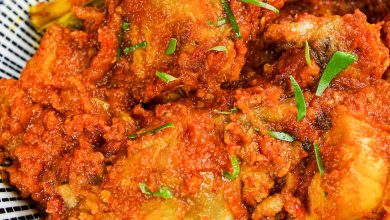
Ayam Geprek is a beloved Indonesian dish that epitomizes the bold and vibrant flavors characteristic of Southeast Asian cuisine. This dish features succulent chicken breast that is expertly seasoned, battered, and fried to achieve a crispy, golden exterior. The star of Ayam Geprek is its fiery sambal—a spicy chili paste infused with roasted peanuts and aromatics—that is either spooned over the chicken or mashed together to create a harmonious, fiery coating. Originating from Indonesia, particularly from the city of Yogyakarta, Ayam Geprek has gained popularity across the globe, celebrated for its intense flavors, satisfying textures, and the perfect balance of heat and aroma. This comprehensive guide from Love With Recipes aims to provide you with an authentic, detailed, and step-by-step approach to prepare this iconic dish in your own kitchen, ensuring that each bite offers the authentic taste experience.

Time
Preparation Time: 30 minutes
Marination Time: Minimum 1 hour (preferably overnight for deeper flavor absorption)
Cooking Time: 25-30 minutes
Total Time: Approximately 2 hours (including marination)
Needed Equipment
- Mixing bowls (for seasoning and batter preparation)
- Measuring spoons and cups
- Sharp knife and cutting board
- Mortar and pestle (for preparing sambal)
- Frying pan or wok (for frying chicken and sambal)
- Slotted spoon or tongs (for frying and handling chicken)
- Thermometer (optional, for checking oil temperature)
- Paper towels (for draining excess oil)
- Plastic wrap or airtight container (for marination)
- Grater or food processor (for roasting peanuts or preparing sambal)
- Cooking thermometer (to ensure proper oil temperature)
- Serving platter or plate
- Spatula or spoon for mixing and mashing
Tags
- Indonesian cuisine
- Fried chicken
- Spicy sambal
- Street food style
- Comfort food
- Homemade recipes
Serving Size
Serves 2-4 people (adjust quantities accordingly for larger groups or family-sized servings)
Difficulty Level
Intermediate — requires basic frying techniques and familiarity with spice preparations, but straightforward with detailed instructions.
Allergen Information
- Contains gluten (all-purpose flour)
- Contains peanuts (roasted peanuts in sambal)
- Contains alliums (shallots, garlic)
- Potential cross-contact with soy or other allergens depending on ingredients used
Dietary Preference
Contains meat; not suitable for vegan or vegetarian diets unless plant-based chicken substitutes are used. Can be adapted to gluten-free by using gluten-free flour alternatives.
Course
Main Course
Cuisine
Indonesian
Ingredients
Ingredients Table
| Component | Ingredient | Quantity | Notes |
|---|---|---|---|
| Chicken | Chicken breast | 1 piece (about 200g) | Skinless, boneless |
| For the Chicken | All-purpose flour | 100 grams | For coating |
| For the Batter | Ice water | 300 ml | Chilled to help create a light batter |
| For Frying | Cooking oil | 200 ml (or enough for deep frying) | Vegetable or canola oil preferred |
| Seasoning & Spices | Salt | 1 tablespoon | |
| Sugar | 1 teaspoon | ||
| Black pepper | 1 teaspoon | Ground | |
| Garlic powder | 1 teaspoon | ||
| Coriander powder | 1 teaspoon | ||
| Paprika powder | 1 teaspoon | For color and mild flavor | |
| Turmeric powder | 1 teaspoon | For earthy flavor and color | |
| Chili powder | 1 teaspoon | Adjust based on spice tolerance | |
| Chicken bouillon powder | 1 teaspoon | Optional, for depth of flavor | |
| Sambal | Red bird’s eye chilies | 10 | Adjust to taste for heat level |
| Garlic | 1 clove | Fresh | |
| Shallots | 3 | Small size | |
| Roasted peanuts | 1 tablespoon | Unsalted, roasted |
Instructions
Step 1: Prepare the Spice Mix
Begin by creating the flavor foundation for your ayam geprek. In a small bowl, combine the salt, black pepper, garlic powder, coriander powder, paprika powder, turmeric powder, chili powder, and chicken bouillon powder. Mix these ingredients thoroughly to produce an even spice blend. This seasoning will serve as the core flavor enhancer for your chicken, imparting aromatic, savory, and spicy notes that are quintessential to authentic Indonesian ayam geprek.
Step 2: Marinate the Chicken
Take the chicken breast and pat it dry with paper towels. Sprinkle half of the prepared spice mix evenly over both sides of the chicken, ensuring a generous coating. Cover the chicken with plastic wrap or place it in an airtight container, then refrigerate for at least one hour, though overnight marination is highly recommended. Marinating allows the flavors to penetrate deep into the meat, resulting in a more flavorful and tender outcome. If you prefer a more intense flavor, you can marinate the chicken for up to 12 hours, but ensure it stays refrigerated to avoid spoilage.
Step 3: Set Up Your Breading Station
Prepare two shallow bowls for the breading process. In the first bowl, pour the all-purpose flour. In the second bowl, pour the ice water. This setup facilitates a two-step coating process, promoting a light and crispy exterior. Keep these bowls within easy reach near your stove to streamline the process.
Step 4: Coat the Chicken
Remove the marinated chicken from the refrigerator. Dip the chicken breast into the flour, ensuring an even coat on all sides. Shake off any excess flour. Then, immerse the floured chicken into the ice water, allowing it to sit for about 2 minutes. The cold water creates a light crust that crisps up beautifully during frying. After soaking, return the chicken to the flour bowl, re-coating it thoroughly. Press the flour onto the chicken to adhere well, flipping as necessary to ensure full coverage. Let the coated chicken rest for another 2 minutes to allow the batter to set.
Step 5: Fry the Chicken
Heat the cooking oil in a deep frying pan or wok over low to medium heat. Use a thermometer to monitor the oil temperature; aim for approximately 170°C (340°F). Slowly place the coated chicken into the hot oil, being careful to avoid splatters. Fry the chicken for about 10 minutes per side, or until the exterior is golden brown and crispy. Adjust the heat as needed to prevent burning, ensuring the chicken cooks evenly without becoming greasy. Once cooked, remove the chicken using tongs or a slotted spoon and drain on paper towels to eliminate excess oil.
Step 6: Prepare the Sambal
In the same oil used for frying, add the red bird’s eye chilies, garlic, shallots, and roasted peanuts. Fry for approximately 1 minute, stirring constantly, until fragrant and slightly crispy. This quick fry enhances the flavors and prepares the ingredients for blending. Remove from the heat and drain on paper towels to remove excess oil.
Step 7: Create the Sambal Paste
Transfer the fried chilies, garlic, shallots, and peanuts into a mortar and pestle. Grind the mixture into a coarse paste, pressing and twisting until the ingredients are well incorporated. For a smoother consistency, you can use a food processor, pulsing carefully to avoid over-processing. Add 1/2 teaspoon salt, 1/2 teaspoon chicken bouillon powder, and 1/2 teaspoon sugar to the paste, mixing thoroughly to balance the flavors. Finally, stir in 1 tablespoon of hot oil from the frying process to intensify and enrich the sambal’s aroma and flavor profile.
Step 8: Assemble the Ayam Geprek
Place the fried chicken on a serving platter. Spoon or spread the spicy sambal generously over the chicken, pressing lightly with the back of a spoon or pestle to mash the sambal into the crispy coating. For an even more authentic experience, you can gently mash the chicken and sambal together in the mortar, allowing the flavors to meld and the sambal to penetrate the chicken’s crispy layers. Serve immediately while hot, paired ideally with steamed rice and fresh vegetables for a complete Indonesian meal.
Preparation Tips
- Marination Duration: Longer marination, ideally overnight, enhances flavor absorption and tenderness.
- Breading Technique: Double coating ensures a crispy exterior. Resting the coated chicken before frying helps the batter adhere better.
- Oil Temperature: Maintaining consistent oil temperature prevents sogginess and ensures even frying. Use a thermometer for accuracy.
- Spice Adjustment: Adjust the number of chilies and chili powder based on your spice tolerance for a milder or hotter sambal.
- Peanuts: Using roasted peanuts enhances the aroma and flavor of the sambal. For allergies, omit or substitute with toasted sesame seeds.
Nutritional Information
| Nutrient | Per Serving (approximate) |
|---|---|
| Calories | 620 kcal |
| Protein | 45 grams |
| Carbohydrates | 45 grams |
| Fats | 30 grams |
| Fiber | 4 grams |
| Sugar | 3 grams |
| Sodium | 900 mg |
Tips and Tricks
- Use Fresh Ingredients: Fresh garlic, shallots, and chilies deliver the best flavor; dried or old ingredients will dull the taste.
- Control Oil Temperature: Too hot, and the chicken will burn outside before cooking through; too low, and it will absorb excess oil and become greasy.
- Customize Spice Level: Adjust the number of chilies or chili powder in the sambal to suit your heat preference.
- Batch Frying: Fry in small batches to avoid temperature drops in the oil, ensuring crispiness and even cooking.
- Presentation: Serve on a rustic platter or banana leaf for an authentic Indonesian street-food vibe.
Add-ons
- Fried egg or sunny side up for extra richness
- Sliced fresh cucumbers or pickled vegetables for contrast
- Additional fried shallots or more roasted peanuts as garnish
- Spicy sambal oelek or other chili condiments for extra heat
Side Dishes
- Steamed jasmine rice or coconut rice
- Indonesian vegetable salad (sayur lalapan)
- Fried tempeh or tofu for added protein
- Pickled vegetables (acar) for refreshing acidity
Improvements
- Use a deep-fryer for more consistent temperature control and less mess
- Experiment with different nuts such as cashews for unique flavor profiles
- Add a squeeze of lime or calamansi for a citrusy brightness
- Use rice flour or gluten-free flour blends to make the batter gluten-free
- Incorporate fresh herbs like cilantro or basil in the sambal for additional aroma
Save and Store
Leftover fried chicken can be stored in an airtight container in the refrigerator for up to 2 days. To reheat, place in a preheated oven at 180°C (350°F) until warmed through and crispy again. The sambal is best prepared fresh but can be stored in an airtight jar in the refrigerator for up to 3 days. Reheat gently before serving. For longer storage, freeze cooked chicken separately and reheat in the oven or air fryer for best results.
FAQ
Can I make this dish gluten-free?
Yes, substitute all-purpose flour with a gluten-free flour blend such as rice flour, tapioca starch, or a commercial gluten-free batter mix. Ensure the other ingredients, especially the sambal, are also gluten-free.
Can I bake the chicken instead of frying?
While baking will not replicate the crispy fried texture, you can bake coated chicken in a preheated oven at 200°C (390°F) for about 20-25 minutes, flipping halfway through, until golden and cooked through. For added crispiness, spray with a light coating of oil before baking.
How spicy is the sambal?
The heat level depends on the type and quantity of chilies used. Bird’s eye chilies are very hot; adjust the number or substitute with milder chilies like Fresno or serrano if desired.
Is Ayam Geprek suitable for vegetarians?
No, as it uses chicken. However, you can make a vegetarian version using plant-based chicken substitutes and omit the sambal or modify it with vegetarian-friendly ingredients.
Conclusion
Creating authentic Ayam Geprek at home offers an exciting opportunity to explore Indonesian culinary traditions. The combination of crispy, seasoned chicken with the fiery, aromatic sambal creates a flavor profile that is both satisfying and addictive. By following this detailed guide, you can master the art of making this beloved street food dish, impressing family and friends with your culinary skills. Remember, the key to perfection lies in quality ingredients, careful frying, and balancing the spice levels to suit your palate. Love With Recipes is dedicated to helping you bring international flavors into your kitchen, and we hope this comprehensive recipe inspires you to enjoy the vibrant tastes of Indonesia whenever you desire.
References
- Indonesian Culinary Institute. “A Guide to Indonesian Spices and Flavors.” 2021.
- Rizky, D. “Street Food of Indonesia: Ayam Geprek and Its Variations.” Journal of Southeast Asian Food Culture, 2020.