

Introduction
African Bean Soup is a nourishing, robust dish that embodies the essence of African culinary traditions. Its roots stretch deep into the continent’s history, reflecting regional flavors, local ingredients, and age-old cooking techniques. The dish is celebrated for its hearty composition, combining a medley of beans, vegetables, and aromatic spices, resulting in a comforting and nutrient-dense meal that is both versatile and deeply satisfying. This detailed guide, brought to you by Love With Recipes, aims to provide an exhaustive overview of African Bean Soup—from its cultural significance to ingredient selection, preparation intricacies, health benefits, and creative variations—so that you can master this iconic dish and appreciate its rich heritage.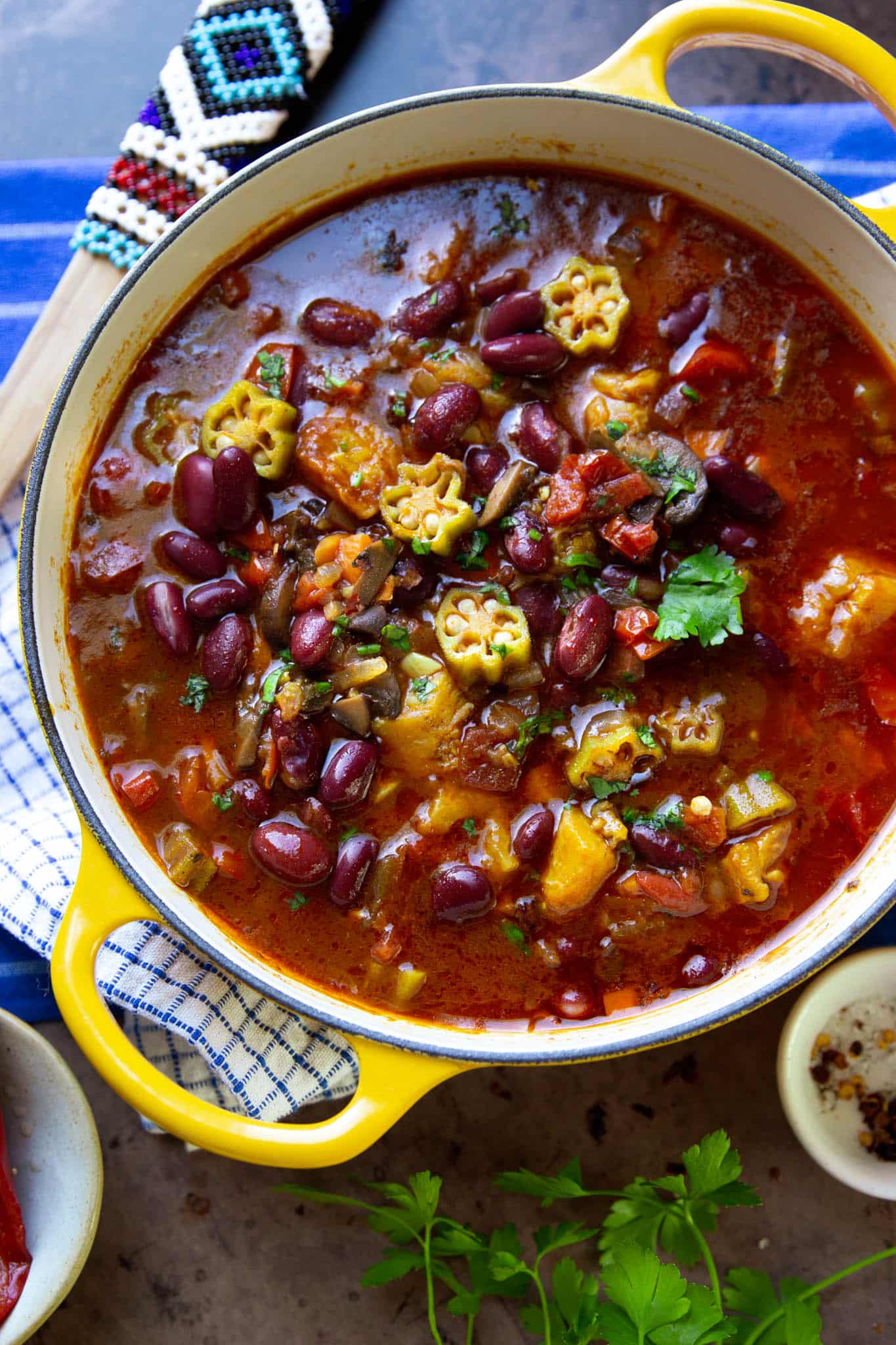
Time
Preparation Time
The total time required to prepare African Bean Soup can range from approximately 1 hour and 30 minutes to 2 hours, depending on whether you opt for dried or canned beans, and your familiarity with the prep process. The major components influencing this timeline include soaking dried beans, cooking the beans until tender, preparing vegetables, and simmering the soup to develop its depth of flavor.

Cooking Time
If using dried beans, expect around 1 to 1.5 hours just for cooking the beans, after soaking. When utilizing canned beans, this step is significantly shortened, reducing overall cooking time to about 30 to 40 minutes. The simmering process, which allows flavors to meld and vegetables to become tender, typically takes between 20 and 30 minutes.
Needed Equipment
- Large Heavy-Bottomed Pot or Dutch Oven: Essential for even heat distribution and robust simmering.
- Soaking Containers: For pre-soaking dried beans, typically a large bowl or basin.
- Strainer or Colander: To rinse beans and vegetables thoroughly.
- Sharp Chef’s Knife: For dicing vegetables, herbs, and garlic.
- Cutting Board: Preferably bamboo or plastic for easy cleaning and safety.
- Measuring Cups and Spoons: To ensure precise quantities of ingredients and spices.
- Ladle: For serving the soup into bowls.
- Stirring Spoons or Wooden Spatula: For mixing ingredients during cooking.
- Timer: To keep track of cooking and simmering durations.
- Optional: Food Processor or Blender: For pureeing some of the vegetables or beans, if a creamier texture is desired.
- Thermometer (Optional): For checking the temperature of the soup, especially if serving to large groups or in a professional setting.
Tags
Hearty, Comfort Food, African Cuisine, Vegetarian, Vegan, Nutritious, Gluten-Free, Plant-Based, Traditional, Family-Friendly, Healthy, Soups & Stews
Serving Size
This recipe yields approximately 6 to 8 generous servings, making it suitable for family dinners, meal prep, or entertaining guests. Each serving is approximately 1.5 to 2 cups of soup, depending on portion preferences and accompaniments.
Difficulty Level
This recipe is categorized as Intermediate. While it involves multiple steps—such as soaking beans, sautéing aromatics, and simmering—it is accessible to home cooks with basic knife skills and familiarity with stovetop cooking. The process can be simplified for beginners by using canned beans and pre-chopped vegetables, which reduces prep time and complexity.
Allergen Information
| Allergen | Presence in Recipe |
|---|---|
| Legumes (beans) | Yes |
| Gluten | No (unless added via side dishes) |
| Nuts | No |
| Dairy | No |
| Soy | No |
| Shellfish | No |
Note: Always verify ingredient labels, especially if using pre-packaged or processed ingredients, to avoid cross-contamination or hidden allergens.
Dietary Preference
This dish is naturally vegetarian and can be made vegan by ensuring all ingredients, such as broth and seasonings, are plant-based. It is also gluten-free if no wheat-based thickeners or additives are included.
Course
Main Course, Vegetarian Main Dish
Cuisine
African (West, Central, or North African Variations)
Ingredients
Ingredient Components and Quantities
| Ingredient | Quantity | Preparation Notes |
|---|---|---|
| Dried Black-eyed peas (or substitute with kidney beans or cowpeas) | 2 cups (about 340 grams) | Soaking required unless using canned beans |
| Vegetable broth (or chicken broth for non-vegetarian) | 6-8 cups (1.5-2 liters) | Homemade or store-bought, low sodium preferred |
| Olive oil or palm oil | 2-3 tablespoons | For sautéing aromatics |
| Large onions, diced | 2 medium | Yellow or red onions work well |
| Garlic cloves, minced | 4-5 cloves | Fresh garlic preferred for flavor |
| Fresh ginger, grated | 1 tablespoon | Optional but adds warmth and depth |
| Fresh tomatoes, chopped | 3 large or 1 cup canned diced tomatoes | Fresh preferred for bright flavor |
| Bell peppers, chopped (red, yellow, or green) | 1-2 medium | Adds sweetness and color |
| Okra, sliced (optional) | 1 cup | For thickening and texture |
| Spinach or kale, chopped | 1-2 cups | Added at the end for nutrients and color |
| Spices: cayenne pepper, thyme, cumin, paprika | To taste | Adjust according to spice preference |
| Salt and freshly ground black pepper | To taste | Seasoning to enhance flavors |
| Fresh herbs (cilantro, parsley), chopped | For garnish | Optional but recommended |
Instructions
Step 1: Preparing the Beans
If you opt for dried beans, the initial step involves proper preparation to ensure optimal texture and digestibility. Rinse the beans thoroughly under cold running water to remove any dirt or debris. Transfer the beans into a large bowl or basin, cover with plenty of cold water, and allow them to soak overnight—preferably 8 to 12 hours. Soaking reduces cooking time, improves digestibility by leaching out some of the indigestible sugars, and minimizes gas formation. For quicker preparation, use the quick-soak method: bring beans to a boil for 5 minutes, then remove from heat, cover, and let sit for 1 hour.
Step 2: Cooking the Beans
Drain the soaked beans and rinse them again. Place them in a large pot with fresh water—covering the beans by at least 2 inches—and bring to a boil. Reduce heat to medium-low, skim off any foam that appears, and simmer gently until beans are tender but not mushy. Depending on bean freshness and soaking time, this can take anywhere from 45 minutes to 1.5 hours. For canned beans, drain and rinse thoroughly before adding directly to the soup in later steps.
Step 3: Preparing Aromatics and Vegetables
While the beans are simmering, prep your vegetables. Dice the onions, mince the garlic, grate the ginger, and chop the tomatoes and bell peppers. If using fresh okra, slice it into rounds. Rinse and chop leafy greens like spinach or kale, adding them towards the end of cooking for vibrant color and nutrients.
Step 4: Sautéing Aromatics
Heat the oil in your large pot over medium heat. Add diced onions and sauté until translucent, about 5-7 minutes. Incorporate minced garlic and grated ginger, cooking for an additional 1-2 minutes until fragrant. This step releases essential flavors that serve as the aromatic foundation of the soup.
Step 5: Building the Flavor Base
Add chopped tomatoes and bell peppers to the sautéed aromatics. Cook, stirring frequently, until the vegetables soften and the mixture thickens slightly, approximately 10 minutes. During this process, season with salt, black pepper, cayenne pepper, thyme, cumin, and paprika. Adjust the amount of spices based on your heat preference and flavor profile. This step is crucial for layering flavors and creating a rich, complex broth.
Step 6: Incorporating Beans and Broth
Drain the cooked beans if using dried beans. Add them into the pot with the sautéed mixture. Pour in the vegetable or chicken broth, ensuring the ingredients are covered comfortably. Bring the mixture to a rolling boil over high heat, then reduce the heat to low. Cover partially and simmer gently for 20-30 minutes, allowing flavors to blend and vegetables to become tender. If using canned beans, add them during the last 10-15 minutes of simmering to prevent overcooking.
Step 7: Final Additions and Adjustments
In the last 5 minutes of cooking, stir in chopped leafy greens such as spinach or kale. These will wilt quickly, adding color and nutritional value. If you desire a thicker consistency, you can mash some of the beans with a spoon or use an immersion blender to puree a portion of the soup. Taste and adjust seasoning with additional salt, pepper, or spices as needed.
Step 8: Serving
Serve the hot African Bean Soup garnished with freshly chopped cilantro or parsley. It pairs beautifully with traditional accompaniments such as rice, fufu, or crusty bread. Ladle the soup into bowls, ensuring each serving includes a variety of beans, vegetables, and flavorful broth. For an authentic experience, serve the soup with a side of grilled plantains or roasted sweet potatoes.
Preparation Tips
- Bean Selection: Using a variety of beans enhances texture and flavor complexity. Black-eyed peas are traditional, but kidney beans or cowpeas also work well.
- Flavor Enhancers: Incorporate smoked paprika or a dash of hot sauce for added depth and heat.
- Vegetable Variations: Incorporate seasonal vegetables like carrots, zucchini, or eggplant for variety.
- Cooking Liquids: Use homemade broth whenever possible for richer flavor, but store-bought low-sodium options are convenient.
- Spice Adjustments: Always taste during cooking, as some spices intensify over time. Adjust accordingly to suit your palate.
Nutritional Information
| Nutrient | Per Serving (approximate) |
|---|---|
| Calories | 250-300 kcal |
| Protein | 10-15 grams |
| Carbohydrates | 40-50 grams |
| Dietary Fiber | 8-10 grams |
| Fat | 5-8 grams |
| Vitamins & Minerals | Rich in Vitamins A, C, K; Minerals such as iron, potassium, magnesium |
Tips and Tricks
- Using Canned Beans: Rinse thoroughly to remove excess sodium and cooking liquid, then add directly to the soup during the final simmering stage.
- Flavor Boosters: Add a splash of lemon juice or vinegar at the end to brighten flavors.
- Texture Variations: For creamier soup, blend a portion and stir back in. For chunkier texture, leave the beans whole and avoid pureeing.
- Spice Customization: Experiment with different spice blends like berbere or ras el hanout for regional authenticity.
- Meal Prep: Make ahead and refrigerate for up to 3 days; flavors deepen over time.
Add-ons
- Fresh herbs: Cilantro, parsley, or basil for garnish
- Hot sauce or chili flakes for extra heat
- Drop of coconut milk for a creamy twist
- Crumbled feta or goat cheese for added richness
Side Dishes
- Steamed jasmine or basmati rice
- Fufu, yam, or plantain mash
- Crusty artisan bread or flatbread
- Roasted sweet potatoes or cassava
- Grilled vegetables or kebabs
Improvements
- Use smoked meats or sausage for a non-vegetarian version that adds smoky depth.
- Add a splash of coconut milk or palm nut oil to enhance authenticity and richness.
- Incorporate regional spices like harissa or berbere to diversify flavor profiles.
- Include seasonal vegetables to keep the soup fresh and varied.
Save and Store
Allow the soup to cool completely before transferring to airtight containers. Store in the refrigerator for up to 4 days or freeze in portions for up to 3 months. To reheat, gently warm on the stovetop over low heat, stirring occasionally. If the soup has thickened upon storage, add a splash of water or broth to loosen it during reheating.
FAQ
Can I use fresh beans instead of dried?
Fresh beans are less common and more difficult to find, but if available, cook them until tender, which may take less time than dried beans. Adjust cooking times accordingly.
Can I make this soup vegan?
Absolutely. Use vegetable broth and ensure all seasonings and additives are plant-based. Skip any animal-based fats or broths.
What can I do if I don’t like spicy food?
Reduce or omit cayenne pepper and spicy seasonings. You can add a squeeze of lemon or a dollop of yogurt when serving to balance flavors.
Is this dish suitable for gluten-free diets?
Yes, provided no gluten-containing thickeners or additives are used. Confirm all packaged ingredients are gluten-free.
Conclusion
Mastering African Bean Soup offers a delightful journey into the rich culinary traditions of Africa. Its wholesome ingredients, layered flavors, and versatility make it a perfect choice for nutritious family meals, cultural exploration, or simply satisfying comfort food. By understanding the nuances of ingredient selection, preparation techniques, and regional variations, you can adapt this dish to suit your preferences while honoring its heritage. Whether served with rice, bread, or traditional accompaniments, African Bean Soup stands as a testament to the beauty of simple, wholesome ingredients transformed through time-honored cooking methods. Dive into this recipe with confidence, and enjoy the nourishing flavors that connect you to a rich cultural tapestry. Remember to visit Love With Recipes for more authentic and innovative culinary ideas!
References
- “The African Food Bible,” by Y. O. K. Nwafor, 2015.
- “African Food and Cooking,” by Justin Harris, 2018.