

Introduction
In the bustling world of culinary artistry, few dishes celebrate freshness, seasonality, and health as beautifully as the Farmer’s Market Salad. Rooted deeply in the farm-to-table movement, this vibrant salad embodies the very spirit of sustainable eating and local sourcing, offering a taste of the season’s best produce in every bite. Whether you are an avid home cook, a health-conscious eater, or someone passionate about supporting local farmers, this salad provides an exquisite canvas to showcase the bounty of your local farmer’s market. Its colorful presentation, combined with a harmonious blend of textures and flavors, makes it a perfect choice for a light lunch, a summer picnic, or an elegant dinner starter. At Love With Recipes, we believe in celebrating the art of cooking with wholesome, fresh ingredients, and this Farmer’s Market Salad exemplifies that philosophy perfectly.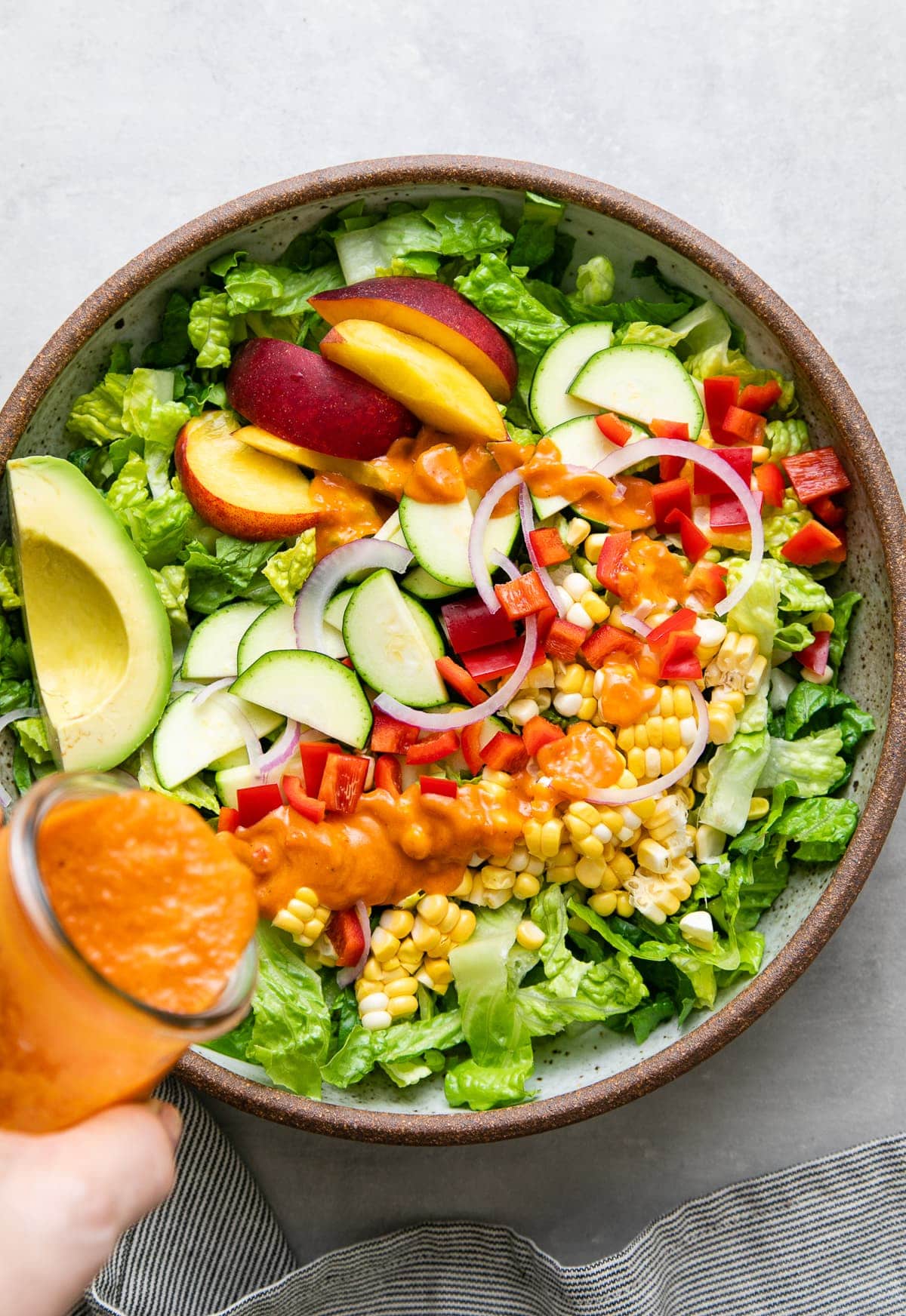

Time
The preparation time for this Farmer’s Market Salad is approximately 15 to 30 minutes. This includes washing, chopping, assembling, and dressing the ingredients. The time can vary based on your familiarity with handling fresh produce and whether you are making your own dressing from scratch or using a pre-made one. If you plan to add proteins such as grilled chicken or shrimp, allocate an additional 10 to 15 minutes for cooking. Overall, this salad is designed for quick assembly, making it an ideal option for a nutritious, fresh meal with minimal effort.
Needed Equipment
- Large mixing bowls for washing and tossing ingredients
- Salad spinner for drying leafy greens and herbs
- Sharp chef’s knife for chopping vegetables and herbs
- Cutting board with a stable surface
- Measuring spoons and cups for dressing ingredients
- Small whisk or fork for emulsifying the dressing
- Grater or zester if adding fresh citrus zest or cheese
- Toasting pan or oven for nuts or seeds
- Serving platter or large salad bowl for presentation
- Optional: grill or stovetop pan if adding cooked proteins
Tags
Healthy, Fresh, Seasonal, Vegetarian, Vegan, Gluten-Free, Locally Sourced, Farm-to-Table, Summer Recipe, Light Meal
Serving Size
Serves approximately 4 to 6 people as a main dish or 8 to 10 as a side salad. Adjust portion sizes based on the number of diners and the context of the meal.
Difficulty Level
Easy to Moderate. This recipe requires basic knife skills and familiarity with preparing fresh vegetables and herbs. Assembling the salad is straightforward, and the dressing can be customized to suit personal preferences. Even novice cooks can achieve excellent results with attention to detail and quality ingredients.
Allergen Information
This salad is naturally free from common allergens such as gluten, dairy, and nuts, making it suitable for many dietary restrictions. However, if nuts or seeds are added, they should be clearly noted for allergy concerns. Always check ingredient labels if using store-bought dressings or toppings.
Dietary Preference
This recipe is adaptable to various dietary preferences:
- Vegan: omit any animal-based proteins and cheese
- Vegetarian: include cheese or plant-based proteins
- Paleo: focus on whole, unprocessed ingredients and avoid certain dressings
- Keto: reduce carbohydrate-heavy vegetables and opt for high-fat dressings
Course
Appetizer or Salad Course
Cuisine
Contemporary / Farm-to-Table / Healthy
Ingredients
Vegetables and Greens
| Ingredient | Quantity | Notes |
|---|---|---|
| Mixed baby greens or spring mix | 6 cups | Fresh, washed and dried |
| Cherry tomatoes | 1 cup | Halved for easier eating |
| Cucumbers | 1 large | Sliced thin or diced |
| Bell peppers (any color) | 1 large | Sliced into strips |
| Carrots | 2 medium | Julienned or grated |
| Radishes | 4-5 | Sliced thin |
| Snap peas | 1 cup | Trimmed, optional |
Herbs & Aromatics
| Ingredient | Quantity | Notes |
|---|---|---|
| Basil leaves | ¼ cup | Fresh, chiffonade or torn |
| Cilantro leaves | ¼ cup | Chopped, optional |
| Mint leaves | ¼ cup | Fresh, chopped, optional |
Protein (Optional)
| Ingredient | Quantity | Preparation Notes |
|---|---|---|
| Grilled chicken breast | 1 large | Sliced thin |
| Shrimp | 1 cup | Cooked and peeled |
| Tofu | 1 block (14 oz) | Pressed and cubed, pan-fried or grilled |
| Feta cheese | ½ cup | Crumble over the salad |
Nuts & Seeds
| Ingredient | Quantity | Preparation Notes |
|---|---|---|
| Almonds | ¼ cup | Toasted, sliced or chopped |
| Sunflower seeds | 2 tbsp | Optional, toasted |
| Pumpkin seeds | 2 tbsp | Optional, toasted |
Dressing Ingredients
| Ingredient | Quantity | Notes |
|---|---|---|
| Extra virgin olive oil | ¼ cup | |
| Apple cider vinegar or balsamic vinegar | 2 tbsp | |
| Honey or maple syrup | 1 tsp | Optional for sweetness |
| Dijon mustard | 1 tsp | Emulsifies the dressing |
| Garlic (minced) | 1 clove | Freshly minced |
| Salt and pepper | To taste |
Instructions
Step 1: Preparing the Ingredients
Begin your culinary journey by meticulously washing all fresh produce. Use cold, running water to rinse the leafy greens, vegetables, and herbs thoroughly, removing dirt, bacteria, and any residual pesticides. For leafy greens such as lettuce, arugula, or mixed greens, use a salad spinner to remove excess water, ensuring they are crisp and dry. For vegetables like cucumbers, carrots, radishes, and peppers, use a sharp chef’s knife and a sturdy cutting board to chop, slice, or julienne as per the recipe specifications.
Peel and julienne the carrots, slice the radishes thinly, and dice the cucumbers into bite-sized pieces. Halve the cherry tomatoes for easier eating and more vibrant presentation. Trim the snap peas if using, removing the ends and strings. For fresh herbs, gently wash and pat dry before chopping or tearing into small pieces. If adding proteins such as chicken or shrimp, prepare and cook them accordingly, seasoning lightly with salt and pepper, or your preferred herbs and spices.
Step 2: Assembling the Greens and Vegetables
In a large salad bowl or on a serving platter, lay down the bed of mixed greens or spring mix. This forms the foundation of your Farmer’s Market Salad, offering a lush, textured backdrop for the colorful vegetables and herbs. Distribute the prepared cherry tomatoes, cucumbers, bell peppers, carrots, radishes, and snap peas evenly over the greens, creating a vibrant mosaic of colors and textures that beckon the senses.
Step 3: Incorporating Fresh Herbs and Proteins
Add the fresh herbs—basil, cilantro, and mint—to the salad, scattering them evenly across the vegetables. These herbs impart a fragrant aroma and an extra layer of freshness. If using protein, layer sliced grilled chicken, shrimp, or tofu over the salad. Crumble feta cheese if desired, adding a salty, creamy element that complements the crisp vegetables and fresh herbs beautifully.
Step 4: Preparing the Dressing
In a small bowl, combine the olive oil, vinegar, honey or maple syrup, Dijon mustard, minced garlic, salt, and pepper. Whisk vigorously until the ingredients are fully emulsified into a smooth, cohesive dressing. Taste and adjust the seasoning as needed—more salt, pepper, or acidity depending on your preference. For a more zestful flavor, add a squeeze of fresh lemon or lime juice.
Step 5: Final Assembly and Serving
Just before serving, drizzle the dressing over the salad. Use a gentle tossing motion with salad tongs or large forks to coat all ingredients evenly without crushing the delicate greens. Ensure that the salad remains crisp and fresh—serve immediately for optimal texture and flavor. Garnish with toasted nuts or seeds for crunch, if desired.
Preparation Tips
- Freshness is key: Always select the freshest ingredients available at your local farmer’s market for maximum flavor and nutritional value.
- Chopping consistency: Aim for uniform sizes in vegetables and herbs for a balanced bite and attractive presentation.
- Dressing balance: Keep the dressing tangy and light to enhance the natural flavors without overpowering the vegetables.
- Protein preparation: Cook proteins to perfection—grilled, sautéed, or baked—before adding to the salad. Let them rest briefly to retain moisture.
- Assembly order: Arrange ingredients in layers or sections for an eye-catching presentation, then toss lightly before serving.
Nutritional Information
| Nutrient | Per Serving (approx. 2 cups) |
|---|---|
| Calories | 200-250 kcal |
| Total Fat | 10-15 g |
| Saturated Fat | 1-2 g |
| Cholesterol | 0-20 mg |
| Sodium | 100-300 mg |
| Total Carbohydrates | 20-30 g |
| Dietary Fiber | 4-6 g |
| Sugars | 5-8 g |
| Protein | 8-12 g |
| Vitamins & Minerals | Rich in vitamins A, C, K, folate, potassium |
Tips and Tricks
- Use seasonal ingredients: Adjust vegetables and herbs based on what is freshest and in season for your region.
- Make it colorful: Incorporate a variety of hues to enhance visual appeal and nutritional diversity.
- Homemade dressings: Always prefer homemade dressings to limit added sugars and preservatives found in store-bought options.
- Texture contrast: Toast nuts and seeds until fragrant for an extra crunch and flavor boost.
- Protein options: Experiment with different proteins like grilled tofu, salmon, or chickpeas to suit various diets.
- Presentation: Serve in a clear glass bowl or a rustic platter to showcase the vibrant ingredients.
Add-ons
- Avocado slices for creaminess
- Roasted vegetables like beets or sweet potatoes for added sweetness and earthiness
- Crumbled goat cheese for tanginess
- Olives or capers for added saltiness
Side Dishes
- Crusty artisan bread or baguette slices
- Grilled corn on the cob
- Fresh fruit salad for dessert
- Herbed quinoa or couscous
Improvements
- Add grains such as cooked farro, barley, or bulgur for a heartier salad
- Incorporate seasonal fruits like berries, peaches, or apples for a sweet contrast
- Use flavored oils (like garlic or chili-infused olive oil) to enhance dressing complexity
- Introduce fermented elements like a splash of apple cider vinegar or a dash of sauerkraut for probiotics
Save and Store
This Farmer’s Market Salad is best enjoyed fresh, but you can prepare components ahead of time and assemble just before serving. Store washed and chopped vegetables in airtight containers in the refrigerator for up to 2 days. Keep dressings separate until ready to serve to prevent sogginess. For leftovers, store the assembled salad without dressing in an airtight container for up to 24 hours. Re-toss with fresh dressing before serving if needed.
FAQ
Can I make this salad vegan?
Absolutely. Simply omit cheese and animal proteins, and consider adding plant-based proteins like chickpeas, tempeh, or tofu for added satiety.
Can I prepare this salad in advance?
Yes, but it’s best to assemble the greens, vegetables, and herbs just before serving. Prepare dressings and proteins ahead of time, and store separately. Add dressing and toss when ready to serve to maintain freshness and crunch.
What can I substitute for nuts if I have allergies?
Seeds like sunflower seeds, pumpkin seeds, or hemp seeds are excellent alternatives that provide crunch and nutrients without allergenic concerns.
How do I make a dairy-free version?
Omit cheese or use dairy-free cheese options. Ensure that any added proteins or toppings are plant-based.
What are some variations for different seasons?
In spring, incorporate asparagus and peas; summer calls for tomatoes and corn; fall features apples and root vegetables; winter can include hearty greens like kale and roasted squash.
Conclusion
The Farmer’s Market Salad stands as a celebration of freshness, seasonality, and health consciousness. Its adaptability allows for endless variations, making it a versatile addition to any meal or gathering. By sourcing ingredients locally and preparing with care, you create not just a dish but an experience that honors the bountiful offerings of the land. At Love With Recipes, we encourage you to embrace the farm-to-table ethos, experiment with your favorite seasonal ingredients, and enjoy the vibrant, nourishing flavors of this beautiful salad. Remember, the key to a memorable Farmer’s Market Salad lies in freshness, balance, and a dash of creativity—so go ahead, harvest the best from your local market, and bring that sunshine to your table.
References
- Farmers Market Movement and Its Impact on Modern Cuisine – Journal of Sustainable Agriculture
- Seasonal Eating and Nutritional Benefits – USDA Dietary Guidelines