Introduction
Celebrating Christmas in Kerala, a state renowned for its vibrant festivals and rich culinary heritage, calls for a special treat that embodies the warmth, tradition, and festive spirit of the season. The Kerala Style Christmas Plum Cake stands as a testament to this, weaving together a symphony of dried fruits, aromatic spices, and the subtle infusion of spirits, resulting in a moist, flavorful, and visually stunning dessert. Rooted in the colonial legacy of the British and adapted to local flavors, this cake has become a beloved holiday tradition, symbolizing joy and sharing among family and friends.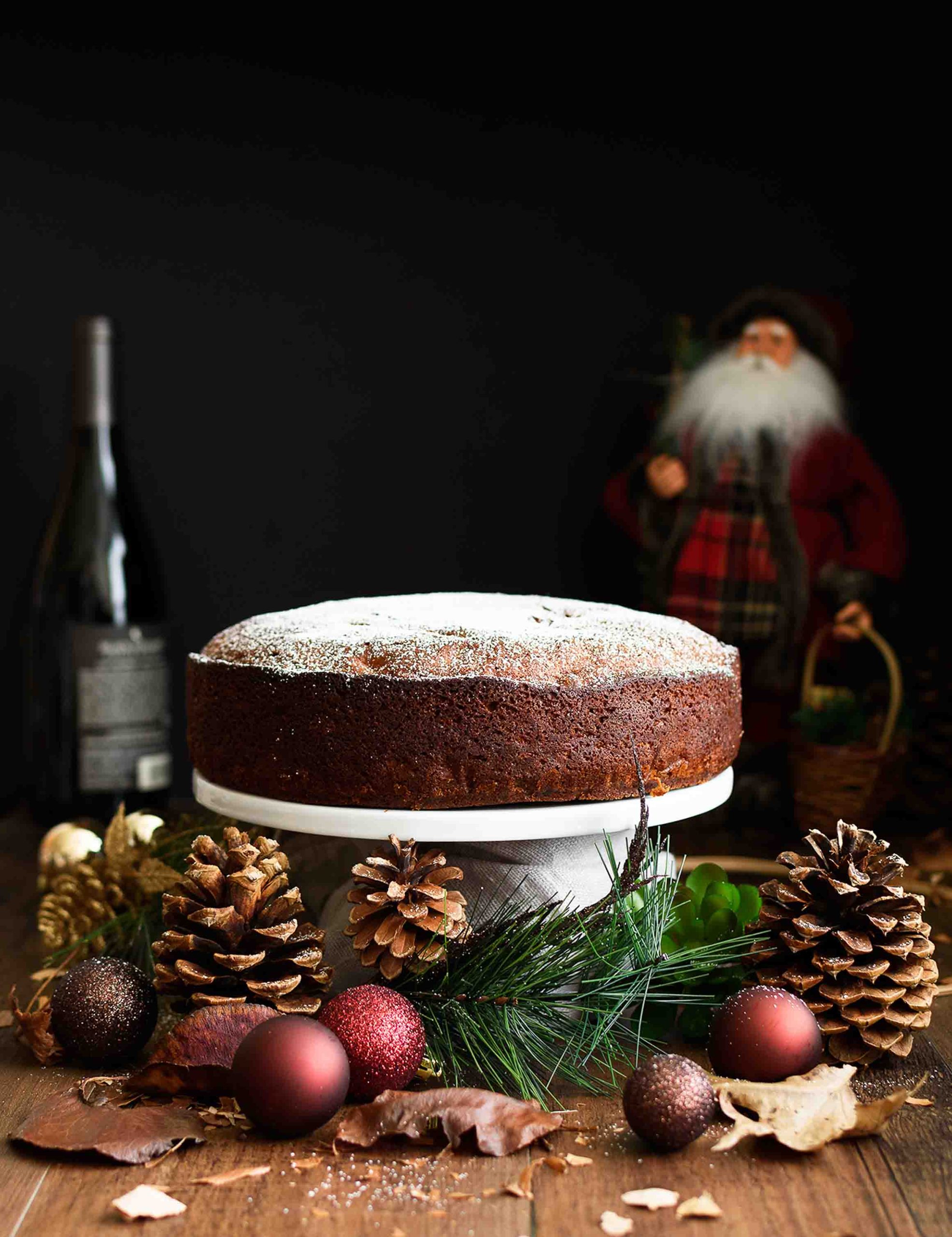
This recipe, shared via Love With Recipes, aims to guide you through crafting an authentic Kerala-style Christmas Plum Cake, emphasizing meticulous preparation, flavor balancing, and presentation. Whether you are an experienced baker or a home cook eager to explore regional variations of Christmas desserts, this detailed guide will ensure your creation is a hit during your festivities. From soaking dried fruits in aromatic spirits to mastering the perfect batter consistency, every step is designed to help you produce a cake that is not only delicious but also a festive showstopper.

Time
The entire process, from preparation to final storage, spans approximately 160 minutes, with dedicated soaking time for the fruits, which can extend from a few hours to a month for optimal flavor development. The active baking time is around 40 minutes, but the flavor matures significantly if the cake is stored and regularly infused with spirits over time. This extended timeline ensures the cake develops its characteristic depth, richness, and moistness, making it a coveted centerpiece for your Christmas celebrations.
Needed Equipment
- 9-inch round cake pan (preferably metal or silicone)
- Mixing bowls (large and medium)
- Fine sieve or sifter
- Saucepan or heavy-bottomed pot
- Whisk and spatula
- Electric hand or stand mixer (optional but recommended)
- Measuring cups and spoons
- Kitchen scale (for precise measurement)
- Cooling rack
- Parchment paper or greaseproof paper
- Rubber spatula
- Toothpick or cake tester
- Aluminum foil or plastic wrap for storage
- Juicer or citrus press (for fresh orange juice)
- Fine grater or zester (for orange peel and spices)
- Mixing spoon
- Decorative tools (optional for garnishing)
Tags
Festive, Christmas, Kerala Cuisine, Traditional, Fruit Cake, Spiced, Moist, Rich, Holiday Baking, Family Recipe
Serving Size
This recipe yields approximately 6 generous slices, suitable for sharing among family or friends during a Christmas gathering. The cake’s richness and moistness mean that a little goes a long way, making it an ideal centerpiece or gift for loved ones.
Difficulty Level
Intermediate. The recipe involves multiple steps including soaking, cooking, preparing the batter, and precise baking. Attention to detail, especially in folding egg whites and timing the baking, ensures optimal results. However, with patience and careful execution, even novice bakers can achieve professional-quality results.
Allergen Information
- Contains wheat (gluten), nuts (almonds, cashews), dairy (butter, ghee), and eggs.
- Alcoholic spirits (rum or brandy) used for soaking and flavoring.
- Cross-contamination possible if prepared in shared kitchen spaces.
Dietary Preference
Contains dairy, eggs, and nuts; suitable for non-vegetarian but can be adapted for vegan or dairy-free diets with substitutions such as plant-based margarine, almond milk, or fruit juices, and nut-free dried fruits.
Course
Dessert / Festive Cake
Cuisine
Indian (Kerala), Christmas Special
Ingredients
| Ingredient | Quantity |
|---|---|
| Raisins | 100 grams |
| Glazed Cherries | 100 grams |
| Dried Figs | 100 grams |
| Tutti Frutti | 100 grams |
| Almond (Badam) | 50 grams |
| Cashew Nuts | 50 grams |
| Rum or Orange Juice | 100 ml (adjust to taste) |
| Unsalted Butter | 100 grams |
| Ghee | 125 grams |
| Caster Sugar | 300 grams |
| Egg Yolks | 4 |
| Vanilla Extract | 1 teaspoon |
| Candied Orange Peel | 3 tablespoons |
| Caramel Sauce | 1/4 cup |
| Orange (for juice) | 1 |
| All-Purpose Flour (Maida) | 250 grams |
| Baking Powder | 1/2 teaspoon |
| Baking Soda | 1/4 teaspoon |
| Cinnamon Powder (Dalchini) | 1 teaspoon |
| Nutmeg Powder | 1/4 teaspoon |
| Cloves (Laung) – powdered | 1/2 teaspoon |
| Dry Ginger Powder | 1/2 teaspoon |
| Milk | 1/4 cup |
| Egg Whites | 4 |
| Lemon Juice | 3 tablespoons |
| Sugar | 4 tablespoons |
Instructions
Step 1: Preparing the Fruit Mixture
Begin by selecting high-quality dried fruits, as they form the core flavor and texture of the Kerala Christmas Plum Cake. Rinse the raisins, glazed cherries, dried figs, and tutti frutti under cold water to remove any surface impurities or excess sugar coating. Drain thoroughly and place them in a large, deep mixing bowl.
To infuse the fruits with rich flavors, soak them in a combination of rum or freshly squeezed orange juice. The traditional approach involves soaking in rum for a month to develop deep flavors, but for practicality, a minimum of 24 hours is sufficient. If you plan to soak for an extended period, store the mixture in a cool, dark place, preferably in an airtight container. Cover the fruits completely with the chosen liquid to ensure even absorption.
For a more authentic Kerala twist, use freshly squeezed orange juice, which adds citrus brightness and complements the spices. For an alcohol-free version, orange juice alone works beautifully. The soaking process allows the dried fruits to absorb moisture and flavors, becoming tender and bursting with aroma.
After soaking, drain the fruits, reserving the soaking liquid for later use in cooking or flavoring. The soaking liquid can also be used to brush the baked cake, enhancing its moisture and aroma. If you prefer a boozy flavor, add a splash of rum or brandy to the cake after baking, or periodically infuse the cake as it matures.
Step 2: Cooking the Soaked Fruits
Transfer the drained dried fruits into a saucepan. Add the freshly squeezed orange juice, and optionally, a splash of rum or brandy if you desire a stronger flavor. Cover the saucepan with a lid and cook over medium heat, stirring occasionally. The goal is to allow the fruits to absorb the orange juice completely and become plump and tender.
This cooking process enhances the fruits’ natural sweetness and marries the flavors of citrus and spirits, vital for the cake’s depth. Cook until the liquid is mostly absorbed, and the fruits are glossy and soft, approximately 10-15 minutes.
Once cooked, spread the fruits on a plate or tray to cool completely. Cooling prevents moisture from affecting the batter’s consistency. If you are short on time, you can skip the cooking step but note that the flavor and moistness may be less intense.
For an even richer flavor, after cooling, soak the cooked fruits in a mixture of rum and orange juice for a few more hours or overnight. This step deepens the aroma and enhances the overall taste profile of your cake.
Step 3: Preheating and Mixing Dry Ingredients
Preheat your oven to 180°C (356°F). While the oven heats, prepare your dry ingredients by sifting together the all-purpose flour, baking powder, baking soda, and spice powders—cinnamon, nutmeg, cloves, and dry ginger. Sifting not only combines the ingredients uniformly but also aerates the flour, contributing to a lighter, fluffier cake.
This aromatic mixture forms the base of your batter, imparting warmth and festive flavor. The spices are crucial for that characteristic Kerala Christmas aroma, blending hints of sweetness, earthiness, and spice.
Set aside the sifted mixture. Now, take a large mixing bowl and coat the cooled, cooked dried fruits with the sifted flour mixture. Toss gently, ensuring each piece is lightly coated. This technique prevents the fruits from sinking during baking, distributing them evenly throughout the cake.
Step 4: Preparing the Batter
In a separate bowl, cream together the unsalted butter and ghee using an electric mixer or whisk until smooth and slightly fluffy. Add the egg yolks one at a time, beating well after each addition. Incorporate the caster sugar gradually, continuing to beat until the mixture turns pale, light, and fluffy—this process introduces air into the batter, contributing to its moistness and rise.
Next, fold in the sifted flour mixture and the cooked, coated dried fruits alternately with the milk. Begin with flour, add a small amount of milk, fold gently, then add more flour, and so on until everything is incorporated. The batter should be thick but pourable—adjust with a little more milk if needed.
Be gentle during folding to retain the air introduced during beating, which is essential for a tender crumb. Use a spatula to fold, making sweeping movements from the bottom to the top of the bowl. The batter should be uniform, with visible pieces of fruit evenly distributed.
Step 5: Whipping Egg Whites
In a clean, dry bowl, whip the egg whites with lemon juice until stiff peaks form. Add the sugar gradually while beating, until the whites are glossy and hold their shape. This meringue creates a light, airy structure for the cake, adding to its moistness and fluffy texture.
Carefully fold the whipped egg whites into the batter in three additions. Use a gentle, sweeping motion with a spatula, starting from the center and folding outward. Take care to keep the air in the whites, which is critical for a soft crumb and good rise.
Once fully incorporated, fold in the caramel sauce and candied orange peel. These ingredients lend a caramelized sweetness and zesty citrus notes, elevating the flavor profile of your cake.
Step 6: Baking the Cake
Pour the batter into the prepared cake tin, smoothing the surface with a spatula. For aesthetic appeal, you may arrange whole almonds or floured dried fruits on top before baking. This not only adds visual interest but also enhances texture.
Place the cake in the center of the preheated oven and bake for approximately 90 to 105 minutes. Start checking for doneness after 60 minutes by inserting a toothpick into the center; it should come out clean when the cake is ready. Variations in oven calibration mean monitoring is essential.
For an even bake, rotate the cake halfway through baking. If the top browns too quickly, cover loosely with aluminum foil. The aroma of spices and toasted fruits during baking is an indication of a well-executed process.
Once baked, remove from the oven and allow the cake to cool in the pan for 10-15 minutes. Then, transfer it to a wire rack to cool completely. This step prevents condensation, which could make the cake soggy.
Step 7: Flavoring and Maturation
While still warm, brush the cake with 1/8 cup of rum or brandy to infuse additional moisture and flavor. Wrap the cake tightly in aluminum foil or plastic wrap, and store in a cool, dark place. For authentic Kerala style, the cake is often stored for a week or more, with periodic infusions of spirits, which deepen the flavor and improve moistness.
During storage, re-infuse the cake every 4-7 days by unwrapping, brushing with alcohol, and re-wrapping. This process creates a rich, boozy aroma characteristic of traditional Kerala Christmas cakes. If you prefer a milder flavor, opt for orange juice or skip the infusion altogether.
For best results, allow the cake to mature at least 2 weeks before serving, as this resting period melds the flavors and softens the dried fruits, creating a luxurious, melt-in-the-mouth experience. It’s a perfect gift or centerpiece for your holiday table.
Step 8: Serving and Presentation
Unwrap the matured cake and slice with a serrated knife. Serve slices alongside hot tea, black coffee, or a glass of fortified wine. Garnish with candied orange peel or toasted nuts for presentation. The cake pairs beautifully with seasonal fruits or a dollop of whipped cream.
Ensure slices are served at room temperature to maximize flavor and texture. The moistness and richness make it a decadent treat, perfect for sharing during Christmas celebrations.
Preparation Tips
- Use high-quality dried fruits and spirits for a more flavorful cake.
- Soaking dried fruits in alcohol or juice a month in advance enhances flavor complexity.
- Sifting dry ingredients ensures even distribution of spices and leavening agents.
- Coating fruits with flour prevents sinking during baking, ensuring an even distribution.
- Whipping egg whites separately and folding gently maintains a fluffy texture.
- Baking times may vary; always check with a toothpick or cake tester.
- Infuse the cake with spirits periodically for a more intense flavor.
Nutritional Information
| Nutrient | Amount Per Serving |
|---|---|
| Calories | Approximately 320 kcal |
| Total Fat | 18 g |
| Saturated Fat | 7 g |
| Cholesterol | 75 mg |
| Sodium | 45 mg |
| Total Carbohydrates | 35 g |
| Dietary Fiber | 2 g |
| Sugars | 22 g |
| Protein | 5 g |
Tips and Tricks
- Use freshly squeezed orange juice for a bright, citrusy flavor that complements the spices.
- For a more pronounced boozy flavor, increase the amount of rum or brandy during soaking and infusion.
- Ensure egg whites are completely clean and free of yolk to achieve perfect stiff peaks.
- Do not overmix the batter after folding in egg whites to preserve airiness.
- Store the cake in an airtight container to maintain moisture and flavor.
- Decorate with toasted nuts or edible gold leaf for an elegant presentation.
Add-ons and Variations
- Chocolate chips or grated dark chocolate for a chocolaty twist.
- Adding a layer of marzipan or icing for a more elaborate presentation.
- Infusing with spices like star anise or cardamom for regional flavor accents.
- Vegan adaptation: replace dairy with plant-based margarine and egg replacers, and dry fruits soaked in fruit juice or coconut rum.
- Gluten-free version: use almond flour or gluten-free baking mix, ensuring all other ingredients are gluten-free.
Side Dishes
- Spiced Masala Tea or Black Coffee
- Warm Milk or Hot Chocolate
- Fresh Fruit Salad with Citrus Dressing
- Confectionery like Marzipan or Fruit Mince Pies
Improvements and Personalization
- Experiment with different dried fruits and nuts based on availability and taste preferences.
- Add a splash of rose water or kewra essence for floral notes.
- Adjust spices to suit your palate, increasing cinnamon or nutmeg for a more robust flavor.
- Incorporate grated fresh ginger for extra zing.
- Use a combination of butter and ghee for a richer texture.
Save and Store
Proper storage extends the life and flavor of your Kerala Christmas Plum Cake. Once cooled and infused, wrap the cake tightly in aluminum foil or store in an airtight container. Keep it in a cool, dark place away from direct sunlight, ideally in a pantry or cellar. The cake can be matured for up to 3 months, with weekly re-infusion of spirits to maintain moisture and flavor depth. For longer storage, refrigerate and bring to room temperature before serving.
If you wish to freeze the cake, wrap it well in plastic wrap and then foil. It can be frozen for up to 6 months. Thaw at room temperature for several hours before serving.
FAQ
Can I make this cake without alcohol?
Yes, substitute rum or brandy with additional orange juice or apple juice. The flavor will be less intense, but still delicious and festive.
How long can I store the Kerala Christmas Plum Cake?
Stored properly, it remains good for up to 3 months at room temperature, and even longer if refrigerated or frozen.
Can I prepare this cake in advance?
Absolutely. In fact, flavor maturation improves the cake. Prepare it at least a week before your celebration for optimal taste.
Is it suitable for vegans?
With suitable substitutions for dairy, eggs, and spirits, a vegan version can be crafted. Use plant-based margarine, almond milk, and fruit juices.
What are some decorating ideas?
Decorate with candied orange peels, toasted nuts, edible gold leaf, or a dusting of powdered sugar for an elegant touch.
Conclusion
The Kerala Style Christmas Plum Cake epitomizes the joyous spirit of the holiday season, blending tradition with regional flavors. Its rich texture, aromatic spices, and vibrant dried fruits make it an irresistible centerpiece that can be enjoyed over days, with flavors deepening over time. Whether served at a family gathering, gifted to loved ones, or enjoyed as a personal indulgence, this cake is a celebration of heritage, love, and festive cheer. Crafted with care and patience, it embodies the warmth and hospitality characteristic of Kerala’s festive traditions. Remember, the key to a memorable cake lies in quality ingredients, slow maturation, and the love infused in each step. Happy baking and Merry Christmas from Love With Recipes!
References
1. Kerala Food Heritage: Traditional Christmas Recipes. Kerala Culinary Archive, 2020.
2. The Art of Baking in South India. South Indian Food Journal, 2019.