

Introduction
The Apricot Vienna Tarts are a quintessential European pastry, embodying the delicate balance of buttery, flaky crust combined with the luscious sweetness of ripe apricots. Originating from Austria’s rich culinary tradition, these tarts bring together a harmonious blend of textures and flavors—crisp on the outside, tender and gooey inside, with an aromatic hint of apricot preserves and optional nutty accents. Perfect for elegant teatime gatherings, festive celebrations, or as a delightful homemade gift, these tarts showcase the artistry of pastry making with simple ingredients elevated through technique and presentation. As part of the Love With Recipes platform, this comprehensive guide aims to provide you with detailed insights into every step, ensuring your success and enjoyment in recreating this classic European dessert.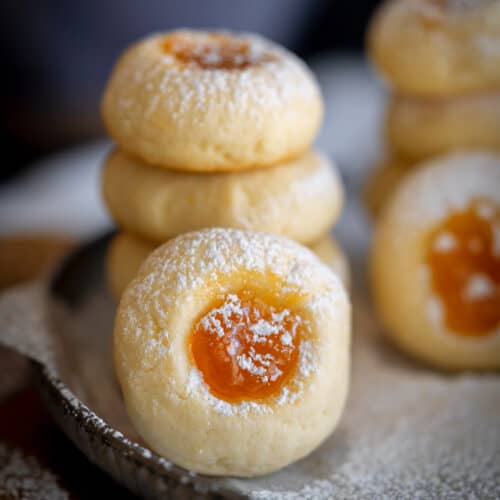
Time
- Prep Time: 20 minutes
- Cook Time: 20 minutes
- Total Time: 40 minutes
Needed Equipment
- Oven capable of reaching 350°F (175°C)
- Cookie sheets or baking trays
- Parchment paper or silicone baking mats
- Mixing bowls (preferably stainless steel or glass)
- Measuring cups and spoons
- Pastry roller
- Sharp knife or pastry cutter
- Small saucepan
- Whisk or fork
- Cooling racks
- Pastry brush (for egg wash)
- Plastic wrap or reusable food wrap
- Fine sieve (optional, for dusting)
- Food processor (optional, for dough mixing)
Tags
- European Dessert
- Pastry
- Apricot
- Vienna Style
- Homemade Cookies
- Fruit Filling
- Elegant Baking
- Giftable Treat
Serving Size
This recipe yields approximately 32-48 cookies, depending on the size of each tart. Typically, serving 2-3 tarts per person provides a satisfying dessert portion, making it suitable for small gatherings or intimate teatime. For larger events, consider adjusting the size or quantity accordingly.

Difficulty Level
Intermediate. While the technique involves basic pastry preparation, precise handling of the dough, proper chilling, and shaping are essential to achieve the perfect flaky texture and presentation. Novice bakers should pay careful attention to chilling times and dough consistency, but with patience, success is assured.
Allergen Information
| Allergen | Present in Recipe | Notes |
|---|---|---|
| Gluten | Yes | Contains wheat flour; can be substituted with gluten-free flour blend |
| Dairy | Yes | Includes cream cheese, butter, and margarine |
| Eggs | Yes | Used as a wash and in dough |
| Nuts | Optional | Walnuts are optional for filling or topping |
| Preserves/Fruit | Yes | Apricot preserves and fresh apricots used |
Dietary Preference
Vegetarian. The recipe contains dairy and eggs but no meat or seafood products. For vegan adaptations, substitute dairy ingredients with plant-based alternatives and use egg replacers.
Course
Dessert / Pastry / Snack
Cuisine
Austrian / European
Ingredients
| Ingredient | Quantity |
|---|---|
| Cream cheese | 1/2 cup (120g) |
| Unsalted butter | 1 cup (226g) |
| Margarine | 6 tablespoons (85g) |
| All-purpose flour | 1 cup (120g) |
| Eggs | 2 large |
| Fresh apricots, chopped | As needed (about 1 cup) |
| Apricot preserves | ½ cup (about 120g) |
| Walnuts (optional), chopped | ¼ cup (30g) |
Instructions
Preparation of Apricot Filling
The first step involves preparing the apricot filling, which is essential for the characteristic sweet and tart flavor of the tarts. Using fresh apricots enhances the natural fruitiness, but if unavailable, high-quality canned or frozen apricots can be substituted.
-
Chop and Combine Apricots with Preserves
Begin by washing and chopping the fresh apricots into small, uniform pieces, approximately ½-inch cubes. This ensures even distribution and ease of spreading within the pastry. Place the chopped apricots into a small saucepan. Add the apricot preserves, which act as a natural sweetener and binding agent, enhancing the overall flavor profile.
-
Cook Until Soft
Cook the mixture on medium heat, stirring constantly to prevent sticking and burning. The goal is to soften the apricots and melt the preserves into a cohesive, jam-like consistency. This process typically takes about 8-10 minutes. The mixture should be thick but spreadable, with the apricots tender enough to mash slightly with the back of a spoon.
-
Chill the Mixture
Once cooked, transfer the apricot filling to a clean bowl and allow it to cool in the refrigerator for at least 30 minutes. Proper chilling ensures it thickens further and is easy to handle when filling the pastry dough.
Preparing the Dough
The pastry dough forms the flaky, buttery shell of the tarts. It is crucial to handle the dough gently and keep it chilled to prevent melting of fats, which results in a tender, crisp texture.
-
Mixing the Ingredients
In a large mixing bowl, combine the softened cream cheese, softened butter, and margarine. Use a whisk or electric mixer on low speed for a smoother, more homogeneous mixture. Gradually add the flour, blending until a stiff dough forms. If using a food processor, pulse the ingredients until the dough just comes together, avoiding overmixing which can develop gluten and make the pastry tough.
-
Dividing and Chilling
Divide the dough into two equal disks, roughly shaping each into a flat disc. Wrap each in plastic wrap or reusable food wrap, ensuring airtight sealing. Chill the disks in the refrigerator for a minimum of 1 hour, or ideally overnight, to relax the gluten and firm up the fats for easier rolling.
Shaping and Filling the Tarts
Once the dough has chilled adequately, you can proceed to shaping and filling. This step requires precision to ensure each tart has a uniform appearance and proper sealing to prevent filling leakage during baking.
-
Rolling the Dough
Remove one disk from the refrigerator and let it sit at room temperature for about 5 minutes to soften slightly for easier rolling. Lightly dust your work surface and rolling pin with flour to prevent sticking. Roll the dough into a thin, even circle, approximately 1/8-inch thick. Aim for a diameter of about 12 inches, which provides enough width for cutting into wedges and folding.
-
Cutting and Shaping
Using a sharp knife or pastry cutter, cut the rolled dough into 4 or 6 wedges, depending on your preferred size. Each wedge will be filled and rolled into a crescent shape, similar to Danish pastries.
-
Adding the Filling
Place approximately 1 teaspoon of the cooled apricot filling on the outer edge (the wide, rounded side) of each wedge. Use a small spoon or piping bag for precision. To prevent the filling from spilling out during rolling, moisten the tip of the dough with a tiny amount of water or beaten egg.
-
Rolling and Sealing
Carefully roll each wedge from the outer edge toward the point, enclosing the filling inside. Tuck in the sides slightly to seal the filling within. Place each shaped tart on the prepared parchment-lined baking sheet, seam side down to prevent unrolling during baking.
Final Touches and Baking
Before baking, brush each tart with an egg wash to promote a golden, shiny crust. If desired, sprinkle with cinnamon sugar or chopped walnuts for added flavor and visual appeal.
-
Egg Wash and Toppings
Beat one egg thoroughly and brush gently over the surface of each tart using a pastry brush. Lightly sprinkle cinnamon sugar or chopped nuts on top for extra aroma and texture.
-
Baking
Arrange the baking sheet in the preheated oven at 350°F (175°C). Bake for 15-20 minutes, or until the tarts are golden brown and crispy around the edges. Keep an eye on them during the last few minutes to prevent overbaking.
Cooling and Serving
Allow the baked tarts to cool on a wire rack for at least 10 minutes before serving. This resting period helps the filling set slightly and makes handling easier. Serve warm or at room temperature, accompanied by a hot cup of tea or coffee for a truly authentic experience.
Preparation Tips
- Ensure the dough is thoroughly chilled before rolling to facilitate handling and achieve a crisp, flaky crust.
- Use fresh, ripe apricots for the best flavor; if using canned or frozen, drain excess liquid thoroughly.
- Adjust the size of the wedges based on the desired tart size; smaller tarts are great for bite-sized treats, larger ones for more substantial servings.
- For a more decorative presentation, brush with a glaze made from apricot preserves thinned with a little water or lemon juice after baking.
- To prevent the filling from leaking, avoid overfilling and ensure the dough is sealed well at the edges.
- Chopping nuts finely ensures even distribution and avoids overpowering the delicate pastry.
Nutritional Information
| Nutrient | Per Serving (based on 32 servings) |
|---|---|
| Calories | 139.1 kcal |
| Fat | 7.7 g |
| Saturated Fat | 4.8 g |
| Cholesterol | 21.1 mg |
| Sodium | 63 mg |
| Carbohydrates | 17 g |
| Fiber | 0.4 g |
| Sugar | 6.6 g |
| Protein | 1.4 g |
Tips and Tricks
- Chilling is Key: Always chill your dough thoroughly to prevent excessive spreading during baking. This also enhances the flakiness.
- Fruit Variations: Experiment with different preserves such as raspberry, strawberry, or mixed berry for variety.
- Decorative Touches: Drizzle melted dark or white chocolate over cooled tarts for an elegant finish. Dust with powdered sugar for a classic look.
- Nutty Flavors: Incorporate finely chopped almonds, pecans, or hazelnuts into the dough for added crunch and flavor.
- Storage: Keep baked tarts in an airtight container at room temperature for up to 2 days or refrigerate for up to a week. Reheat briefly before serving.
Add-ons
- Chocolate drizzle or ganache
- Powdered sugar dusting
- Extra chopped nuts sprinkled on top
- Fresh apricot slices for garnish
- Honey or apricot glaze brushed on after baking for shine
Side Dishes
Pair these apricot tarts with a light vanilla or cinnamon-flavored whipped cream, a dollop of mascarpone, or a scoop of vanilla ice cream for an indulgent dessert platter. They also complement a fresh fruit salad or a cheese platter with mild cheeses like Brie or Camembert.
Improvements
- For a richer crust, substitute part of the flour with ground almonds or hazelnuts.
- Use puff pastry instead of shortcrust for a more layered, flaky texture.
- Infuse the dough with a splash of almond or vanilla extract for enhanced aroma.
- Add a touch of lemon zest to the dough for a citrusy note that complements the apricots.
- Introduce a hint of cinnamon or cardamom into the filling for an aromatic twist.
Save and Store
Store baked apricot tarts in an airtight container at room temperature for up to 2 days. For longer storage, refrigerate for up to a week, allowing them to come to room temperature before serving. To freeze, place cooled tarts in a single layer on a baking sheet, freeze until solid, then transfer to an airtight container or freezer bag. Reheat in a preheated oven at 350°F (175°C) for 10 minutes or until warmed through.
FAQ
Can I make this recipe vegan?
Yes. Substitute dairy ingredients with plant-based alternatives such as vegan cream cheese, margarine, and egg replacers. Ensure preserves do not contain animal-derived ingredients.
Can I prepare the dough ahead of time?
Absolutely. Wrap the dough disks tightly and refrigerate for up to 2 days or freeze for longer storage. Thaw in the refrigerator before rolling.
Is it possible to bake these as larger tarts?
Yes. Instead of wedges, roll the dough into a larger sheet, spread with filling, and cut into squares or circles. Adjust baking time accordingly, typically 25-30 minutes.
What other fruit fillings work well?
Raspberry, strawberry, cherry, or plum preserves make excellent alternatives, providing varying flavor profiles from tart to sweet.
How do I prevent the filling from leaking during baking?
Ensure the dough edges are sealed tightly around the filling, and do not overfill. Chilling the filled tarts before baking can also help maintain shape.
Conclusion
The Apricot Vienna Tarts from Love With Recipes are a celebration of European pastry craftsmanship, combining a crisp, buttery crust with a luscious, fruit-filled center. Their elegant appearance and delightful flavor make them a versatile addition to any dessert table or afternoon tea. By mastering the technique detailed in this comprehensive guide, you will be able to produce bakery-quality treats that impress friends, family, and yourself. Whether served warm with a dusting of powdered sugar or drizzled with chocolate, these tarts are sure to become a treasured recipe in your baking repertoire. Embrace the process, enjoy the fragrant aromas during baking, and revel in the satisfaction of creating a truly authentic European delicacy at home.
References
- European Pastry Classics — “The Art of Austrian Baking,” by Maria Schneider, 2018.
- The Essential Guide to Fruit Preserves and Jams — “Preserving with Love,” by Julia Green, 2020.