Introduction
In the vibrant culinary landscape of Italy, Calabria stands out for its rustic, robust flavors and traditional recipes that have been handed down through generations. Among its many culinary treasures, the Cuddrurieddri hold a special place as an irresistible appetizer that captures the essence of Calabrian home cooking. These golden, crispy potato doughnuts, known locally as cuddrurieddri, are a testament to the Italian penchant for transforming humble ingredients into extraordinary bites of flavor and texture. Perfect for festive gatherings, family dinners, or simply indulging in a flavorful snack, these potato doughnuts offer a delightful blend of crunchy exterior and tender, pillowy interior that makes each bite a moment of pure satisfaction.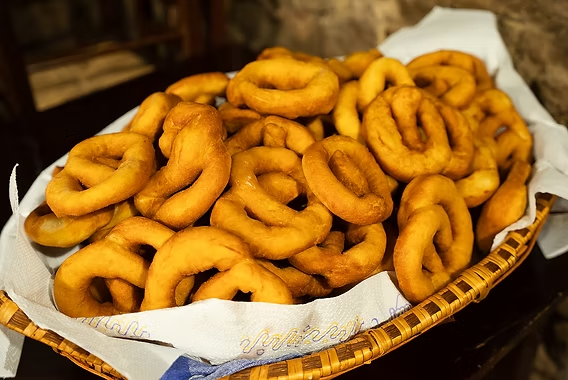
Crafted with a simple yet precise combination of potatoes, flour, fresh yeast, and a touch of salt, the preparation of these traditional treats is both an art and a science. The process involves careful dough development, shaping, and frying to achieve that classic golden hue and irresistible crunch. With their roots firmly planted in Calabria, these cuddrurieddri not only serve as a delicious appetizer but also as a cultural emblem of Calabria’s rich culinary heritage.

In this comprehensive guide, brought to you by Love With Recipes, you will find detailed steps, expert tips, nutritional insights, and variations to perfect your own batch of authentic Calabrian cuddrurieddri. Whether you are a seasoned home cook or a curious food lover eager to explore Italian regional specialties, this recipe promises to elevate your appetizer game and bring a taste of Calabria right to your table.
Time
The total preparation and cooking time for this recipe is approximately 2 hours and 15 minutes, with the majority of that time allocated to dough resting, boiling potatoes, and frying. Here’s a breakdown:
- Preparation of ingredients: 20 minutes
- Boiling potatoes: 30-40 minutes
- Cooling and mashing potatoes: 10 minutes
- Activating yeast and making dough: 15 minutes
- Dough resting and shaping: 30 minutes
- Frying: 20 minutes
- Final assembly and serving: 10 minutes
Note: Some steps involve passive waiting, such as dough resting and frying, which can be optimized by multitasking or preparing other components simultaneously.
Needed Equipment
Essential Kitchen Tools
- Large pot or stockpot for boiling potatoes
- Potato ricer or masher for pureeing hot potatoes
- Mixing bowls for combining ingredients
- Measuring cups and spoons for precise measurement of ingredients
- Kitchen scale for accurate dough portioning
- Bench scraper or sharp knife for dividing dough
- Clean work surface or countertop for kneading and shaping
- Cloth towels or plastic wrap for covering dough portions
- Deep frying pan or heavy-bottomed pot for frying
- Thermometer for oil temperature to ensure optimal frying temperature
- Slotted spoon or spider strainer for removing fried doughnuts
- Paper towels or wire rack to drain excess oil
- Cooking thermometer for precise oil temperature monitoring
- Kitchen towel or damp cloth for moistening hands during shaping
Tags
Italian cuisine, Calabria, Appetizer, Traditional recipe, Potato doughnuts, Crispy snack, Homemade, Fried food, Regional specialties, Rustic cooking
Serving Size
Approximately 15 pieces of cuddrurieddri, with each piece weighing about 140 grams before frying. Serving suggestions include 3-4 pieces per person for an appetizer or snack portion, making it ideal for sharing at gatherings or family meals.
Difficulty Level
This recipe is suitable for cooks with intermediate to advanced culinary skills. It requires familiarity with boiling potatoes, dough handling, shaping skills, and proper frying techniques. Patience and precision are key to achieving the perfect texture and appearance.
Allergen Information
- Gluten: Contains wheat flour
- Eggs: Not included in this recipe
- Dairy: Not included in this recipe
- Nightshades: Potatoes are a nightshade vegetable
Always check ingredient labels and source fresh, uncontaminated products if you have allergies or sensitivities.
Dietary Preference
This recipe is vegetarian but not vegan due to the use of yeast and the frying process. It is suitable for gluten-sensitive diets if gluten-free flour is used as a substitute. For vegan adaptations, ensure the yeast is plant-based and consider oil options that align with vegan preferences.
Course
Appetizer, Snack, Finger Food
Cuisine
Italian, Calabrian regional cuisine
Ingredients
Ingredient Details
Russet or Yukon Gold recommended for fluffiness
| Ingredient | Quantity | Description |
|---|---|---|
| Potatoes | 1 kg | |
| All-purpose flour (00 type) | 1 kg | Traditional Italian flour for tender but sturdy dough |
| Fresh yeast | 25 g | Fresh yeast provides authentic flavor and good rise |
| Warm water | 280 g | Approximately 40°C (104°F) for yeast activation |
| Fine salt | 12 g | Enhances flavor and gluten development |
| Sunflower oil | As needed | For frying; neutral flavor and high smoke point |
Instructions
Step 1: Prepare the Potatoes
Begin by selecting high-quality potatoes, ideally Russet or Yukon Gold varieties, which are known for their starchy content and fluffiness when cooked. Rinse the potatoes thoroughly under cold water to remove any dirt or residual soil. Place them in a large pot and cover with cold water, ensuring the water level exceeds the potatoes by at least an inch to facilitate even cooking.
Bring the water to a rolling boil over high heat, then reduce the heat to medium and simmer gently. The goal is to cook the potatoes until they are tender enough to be pierced easily with a fork or skewer, which typically takes between 30 to 40 minutes depending on their size. To test doneness, insert a thin skewer into the center; if it slides in easily without resistance, the potatoes are ready.
Drain the potatoes in a colander and allow them to sit for a few minutes to release excess moisture. While still hot, transfer the potatoes to a large mixing bowl and use a potato ricer or masher to mash them thoroughly. The skin of the potatoes can remain on—they will be strained out during ricing or mashed smoothly with the skins intact. This process creates a fluffy, smooth base essential for the dough’s consistency.
Step 2: Activate the Yeast
In a small bowl, combine the warm water with the fine salt, stirring gently until the salt dissolves completely. Use a thermometer to ensure the water temperature is approximately 40°C (104°F); this temperature is optimal for yeast activation without killing the microorganisms. Crumble the fresh yeast into the water mixture, then stir thoroughly to dissolve the yeast completely. Allow the mixture to sit for about 5-10 minutes until it becomes frothy or bubbly, indicating that the yeast is active and ready to be incorporated into the dough.
Step 3: Make the Dough
Pour the activated yeast mixture into the bowl containing the mashed potatoes. Add the flour all at once, then use your hands or a wooden spoon to start mixing the ingredients together. Initially, the mixture will be sticky and shaggy, but continue kneading until a cohesive dough forms. Transfer the dough onto a clean, floured work surface to knead by hand, which develops gluten and improves the dough’s elasticity. Knead thoroughly for approximately 8-10 minutes until the dough is smooth, slightly tacky but not sticky, and uniform in texture.
If the dough feels too sticky, sprinkle with a small amount of additional flour; if too dry, add a teaspoon of water at a time. Proper kneading ensures the dough will stretch evenly and fry up crispy without breaking apart.
Step 4: Portion the Dough
Once kneaded, shape the dough into a ball and cover it loosely with a damp cloth or plastic wrap. Allow it to rest for 15-20 minutes to relax the gluten, which makes shaping easier. After resting, use a kitchen scale to divide the dough into approximately 140 g portions—this ensures uniform frying and presentation. Use a bench scraper or sharp knife to cut the dough into equal pieces, then gently roll each portion into a ball.
Place each dough portion on a tray lined with a clean kitchen towel or parchment paper, leaving enough space between them to prevent sticking. Cover the tray with another damp towel or plastic wrap to keep the dough from drying out while you proceed to shape and fry.
Step 5: Shape the Cuddrurieddri
Heating the oil to the right temperature is critical for achieving the signature crispiness. Pour sunflower oil into a deep frying pan or heavy-bottomed pot, filling it at least 3 inches deep. Attach a cooking thermometer to monitor the temperature, and heat the oil over medium heat until it reaches 170°C (340°F). Maintaining this temperature ensures the doughnuts fry evenly without absorbing excess oil or burning.
While the oil heats, take one dough portion and dampen your hands slightly with water to prevent sticking. Using your fingers, gently press into the center of the dough ball to create a hole, then stretch the dough into a ring shape. The goal is a uniform, thick ring with a hole diameter of about 2-3 inches, which allows for even frying and a traditional appearance.
Step 6: Fry to Perfection
Carefully lower the shaped doughnut into the hot oil, using a slotted spoon or tongs to avoid splatters. As soon as the dough hits the oil, gently swirl the back of a wooden spoon or spatula in the center to enlarge the hole slightly, promoting even frying and a distinctive ring shape. Fry the cuddrurieddri for approximately 2-3 minutes on each side, turning once or twice to ensure even golden-brown coloration.
During frying, watch the temperature closely; if the oil cools below 170°C, increase heat slightly. If it exceeds 180°C, reduce heat to prevent burning. When the doughnuts are golden brown and crispy on the outside, remove them from the oil using a slotted spoon, and drain on a plate lined with paper towels or a wire rack to absorb excess oil. Repeat the process with remaining dough portions, maintaining consistent oil temperature and shape.
Step 7: Serve and Enjoy
Serve the cuddrurieddri warm for maximum flavor and crunchiness. They can be accompanied by a variety of dipping sauces—traditional marinara, garlic aioli, or even a spicy chili oil enhance their flavors beautifully. For a more authentic experience, serve alongside cured meats, cheeses, or fresh herbs for a Mediterranean-inspired platter. The crispy exterior and soft interior make these doughnuts perfect for casual snacking or festive celebrations.
Preparation Tips
- Use starchy potatoes: Russet or Yukon Gold potatoes yield a fluffier dough and better texture in the finished product.
- Control oil temperature: Consistent frying temperature is key for crispy, golden results. Use a reliable thermometer and avoid overcrowding the pan.
- Shape carefully: Dampening your hands prevents sticking and makes shaping easier. Be patient and gentle to maintain the ring shape.
- Fry in batches: Do not overcrowd the pan to prevent temperature drops and uneven cooking.
- Serve immediately: Crispy doughnuts are best enjoyed fresh; re-frying leftovers may compromise texture.
Nutritional Information
| Nutrient | Amount per Serving |
|---|---|
| Calories | ~200 kcal |
| Carbohydrates | 35 g |
| Protein | 4 g |
| Fat | 5 g |
| Fiber | 3 g |
Tips and Tricks
- Choose high-starch potatoes: They provide a better structure and fluffiness, essential for the dough’s texture.
- Use fresh yeast: It ensures proper rising and authentic flavor. If using dry yeast, adjust quantities accordingly.
- Maintain consistent frying temperature: Use a thermometer and avoid overcrowding to ensure even cooking.
- Experiment with fillings: While traditionally served plain, you can fill them with cheese, herbs, or even sweet fillings for a modern twist.
- Pre-shape and rest: Allowing the shaped dough to rest briefly helps maintain their shape during frying.
Add-ons
- Fresh herbs such as parsley or basil, finely chopped, can be added to the dough for added flavor.
- Spices like black pepper, paprika, or chili flakes can be incorporated into the dough for a spicy kick.
- Sprinkle with sea salt or grated cheese immediately after frying for extra flavor.
Side Dishes
- Simple mixed greens salad with balsamic vinaigrette
- Antipasto platter with cured meats, cheeses, and marinated vegetables
- Fresh tomato and basil salad
- Warm marinara sauce for dipping
Improvements
For a gluten-free version, substitute the wheat flour with a high-quality gluten-free flour blend. To enhance flavor, consider adding grated pecorino Romano or Parmesan cheese into the dough. Experiment with different frying oils such as olive oil or peanut oil for unique flavor profiles. For a healthier twist, bake the shaped doughnuts at 200°C (392°F) until golden, although they will lack the traditional crispiness of fried versions.
Save and Store
Freshly fried cuddrurieddri are best enjoyed immediately. To store leftovers, place cooled doughnuts in an airtight container and refrigerate for up to 24 hours. Reheat in a preheated oven at 180°C (356°F) for 5-7 minutes to restore some crispiness. Freezing is not recommended, as the texture may become soggy upon thawing and reheating.
FAQ
Can I make this recipe gluten-free?
Yes, by substituting the all-purpose flour with a certified gluten-free flour blend. Be aware that the texture may vary slightly, and you might need to adjust the liquid content accordingly.
Can I bake these instead of frying?
Yes, for a healthier option, shape the dough into rings and bake at 200°C (392°F) for approximately 15-20 minutes or until golden. Expect a less crispy texture compared to frying, but still delicious.
How do I know when the oil is at the correct temperature?
Use a reliable cooking thermometer. When the oil reaches 170°C (340°F), it is ready. Alternatively, place a small piece of dough into the oil; if it sizzles and rises to the surface immediately, the temperature is appropriate.
What variations can I try?
Fill the doughnuts with cheese, herbs, or sweet fillings like Nutella or jam after frying. Add spices or herbs to the dough for different flavor profiles. You can also experiment with different frying oils for a unique taste.
Conclusion
Mastering the art of making authentic Calabrian cuddrurieddri is a rewarding culinary journey that brings the rustic flavors of Italy into your home. The process, though requiring patience and attention to detail, results in a delightful snack that embodies the essence of Calabrian tradition—crispy, comforting, and irresistibly delicious. Whether served as a festive appetizer or a special treat, these potato doughnuts are sure to impress family and friends alike. Remember, the key to success lies in controlling the frying temperature, shaping with care, and serving promptly to enjoy their perfect texture and flavor. Dive into this authentic recipe, explore variations, and enjoy a little slice of Calabria right at your dining table.
For further inspiration and authentic recipes, you may consult sources like Italy Magazine or regional cookbooks that delve into Calabria’s culinary traditions. Happy cooking!