

Introduction
At Love With Recipes, we believe that baking is an art that transforms simple ingredients into memorable moments. The Gingerbread Cake, a timeless holiday favorite, embodies warmth, comfort, and the nostalgic aroma of spices that evoke cozy winter evenings. This recipe is crafted to deliver a moist, flavorful cake with the perfect balance of ginger, cinnamon, and molasses, creating a rich, aromatic experience in every bite. Whether you’re celebrating festive seasons, hosting a family gathering, or simply craving a delightful dessert, this gingerbread cake promises to satisfy your sweet tooth with its spiced goodness and tender crumb. Beyond its delicious flavor profile, this cake is versatile — adaptable for muffins, served with whipped cream, or enjoyed plain with a cup of hot tea. As part of our commitment to providing detailed, comprehensive recipes on Love With Recipes, this guide will walk you through every aspect of making this classic treat, ensuring you achieve bakery-quality results at home.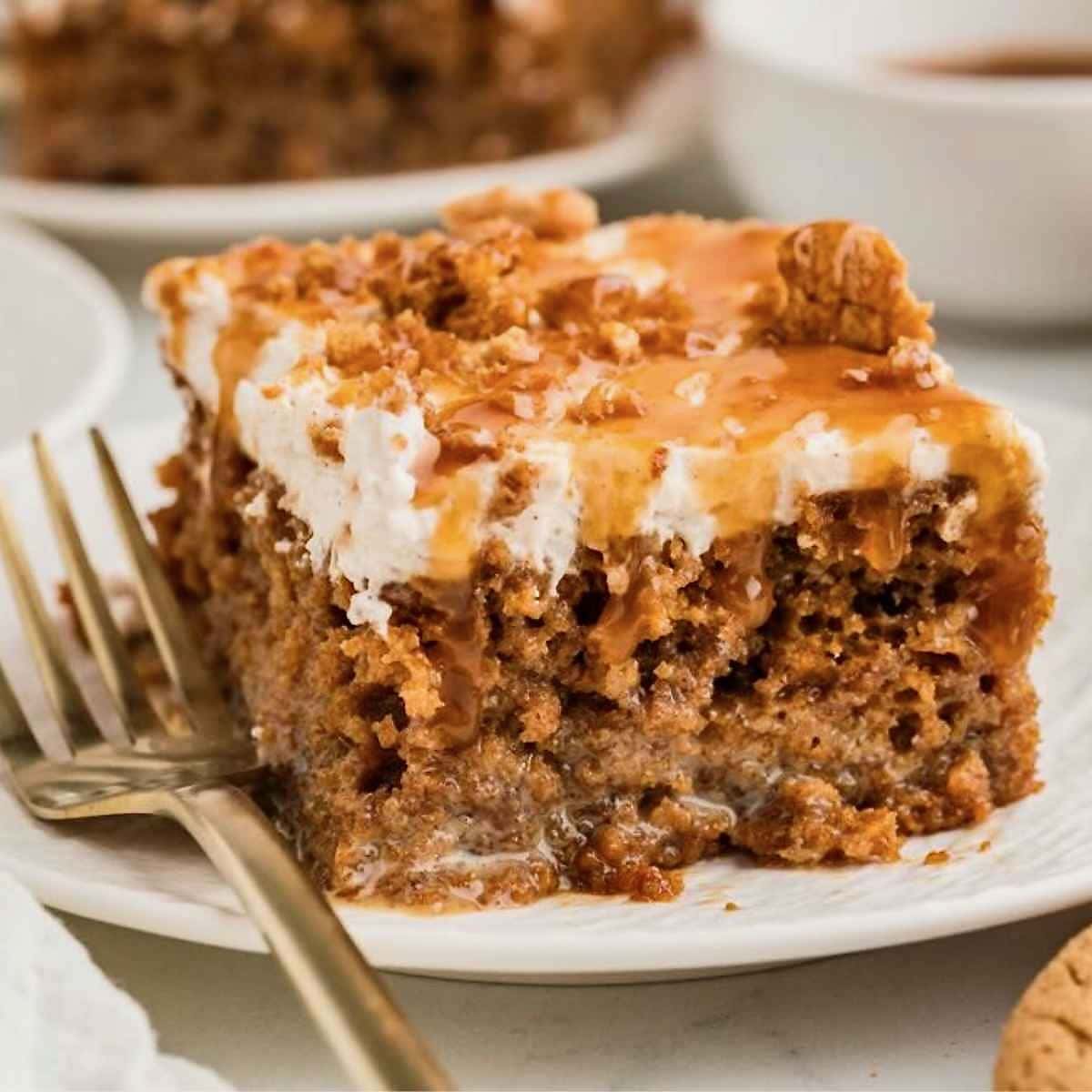
Time
Prepare to indulge in about 60 minutes total, which includes:

- Preparation time: 15 minutes
- Baking time: 30-40 minutes
- Cooling time: 10 minutes
For optimal flavor development and texture, consider allowing the cake to cool completely before serving, which can add an additional 30 minutes if you prefer a fully cooled presentation.
Needed Equipment
Equipping your kitchen with the right tools makes the baking process smoother, more enjoyable, and results in a superior final product. Here is a detailed list of equipment needed:
- Oven: Preheated to 350°F (175°C). Ensure your oven is calibrated correctly for even baking.
- Mixing bowls: Large enough to comfortably combine dry and wet ingredients. Preferably stainless steel or glass for durability and ease of cleaning.
- Whisk or fork: For mixing dry ingredients thoroughly.
- Measuring cups and spoons: Accurate measurement is crucial for the perfect balance of spices and liquids.
- Electric hand mixer or stand mixer (optional): For blending wet ingredients smoothly, though a sturdy spoon or spatula works well too.
- Rubber spatula or silicone scraper: To scrape the batter into the pan and ensure no mixture is wasted.
- 8 or 9-inch square baking pan: For baking the cake. Non-stick or greased with butter or spray for easy removal.
- Parchment paper (optional): For lining the pan, making extraction easier and cleaner.
- Cooling rack: To allow air circulation around the cake for even cooling.
- Toothpick or cake tester: For checking doneness.
- Knife or offset spatula: For smoothing the surface or serving.
- Optional: Pastry brush for greasing pans, grater for zesting citrus (if customizing), or piping bags for decorative toppings.
Tags
This Gingerbread Cake recipe is best categorized under the following tags for easy search and categorization on Love With Recipes:
- Holiday Dessert
- Spiced Cake
- Homemade Baking
- Festive Baking
- Quick & Easy Dessert
- Comfort Food
- Winter Treat
- Sponge Cake
- Family-Friendly Dessert
- Traditional Recipe
Serving Size
This recipe yields approximately 9 generous slices, ideal for sharing among family or friends during a cozy gathering. Each slice provides a hearty serving that satisfies sweet cravings without overwhelming, making it perfect for a small celebration or an intimate dessert option.
Difficulty Level
This Gingerbread Cake is classified as Easy to Moderate. It involves straightforward mixing and baking steps that require basic kitchen skills. The techniques used are accessible to beginner bakers but provide enough scope for experienced bakers to add personal touches or modifications. The key to success lies in precision when measuring ingredients and attentive baking to avoid over or undercooking.
Allergen Information
| Allergen | Contains | Notes |
|---|---|---|
| Gluten | Yes | Contains wheat flour; can be substituted with gluten-free flour for gluten-free version. |
| Eggs | Yes | Provides structure; can be replaced with egg substitutes for vegan version. |
| Milk/Dairy | Margarine, butter | Contains dairy; margarine can be dairy-free. |
| Soy | Margarine | Check labels for soy content if allergic. |
Dietary Preference
This recipe is suitable for omnivores and can be adapted for specific dietary needs:
- Vegetarian
- Vegan (with substitutions for eggs, butter, and margarine)
- Gluten-Free (using gluten-free flour blends)
Course
This Gingerbread Cake is classified as a Dessert, perfect after lunch or dinner, or as a standalone sweet treat. It can also serve as a festive centerpiece for holiday celebrations or parties.
Cuisine
Traditional American with influences from European baking, especially in holiday and winter cuisine. The use of molasses and warm spices is characteristic of North American and European holiday baking traditions.
Ingredients
| Quantity | Ingredient | Notes |
|---|---|---|
| 1 1/3 cups | All-purpose Flour | Sifted for a lighter texture, optional but recommended |
| 3/4 teaspoon | Cinnamon | Ground cinnamon, fresh for maximum flavor |
| 3/4 teaspoon | Ground Ginger | Enhances the spicy flavor profile |
| 1/2 teaspoon | Salt | Enhances all other flavors |
| 1/2 teaspoon | Baking Powder | Leavening agent for rise and texture |
| 1/2 teaspoon | Baking Soda | Works with molasses for leavening |
| 1/2 teaspoon | Allspice | Optional, adds depth to spice flavor |
| 1/2 cup | Brown Sugar | Dark or light, packed |
| 1/2 cup | Butter | Unsalted preferred, softened |
| 1/2 cup | Margarine | Optional, can substitute with butter |
| 1/2 cup | Boiling Water | Helps dissolve molasses and spices |
| 1/2 cup | Molasses | Blackstrap or mild molasses, for rich flavor |
| 1 | Egg | Large, for binding |
Instructions
Preparation
Begin by setting your oven to preheat at 350°F (175°C). This step ensures that your oven reaches the optimal temperature for baking, allowing the cake to rise evenly and develop a tender crumb. As your oven warms, prepare your baking pan. For this recipe, an 8 or 9-inch square pan is ideal. Lightly grease the bottom with butter or non-stick spray, making sure to coat the surface evenly. Alternatively, line the pan with parchment paper for easier removal and cleaner slices. If using parchment, cut it to fit the bottom of the pan and lightly grease the paper to prevent sticking.
Mix Dry Ingredients
In a large mixing bowl, add the flour, cinnamon, ground ginger, salt, baking powder, baking soda, and allspice. Use a whisk or a fork to thoroughly combine these ingredients. Whisking ensures that each portion of the dry mixture is evenly seasoned, which is crucial for consistent flavor throughout the cake. Sifting the dry ingredients is optional but recommended, as it aerates the flour and helps prevent clumping, resulting in a lighter, fluffier cake. Take your time to incorporate everything uniformly — this step is fundamental for achieving a balanced spice profile and a proper rise.
Combine Wet Ingredients
In the same bowl, add the brown sugar, softened butter, margarine, boiling water, molasses, and egg. If you’re using a hand mixer, beat on medium speed until the mixture is smooth and homogenous, approximately 1-2 minutes. If mixing by hand, use a sturdy spatula or whisk to vigorously stir until the ingredients are fully integrated. The boiling water helps dissolve the molasses and spices, creating a smooth batter with a fragrant aroma. The egg acts as a binder, giving structure to the final cake. Make sure to scrape down the sides of the bowl periodically to incorporate all ingredients evenly.
Blend Well
Continue blending until the batter is smooth, with no lumps remaining. The consistency should resemble thick but pourable cake batter. Avoid overmixing, as this can develop gluten and make the cake dense. Proper mixing is critical for a tender crumb and even rise. Use a spatula to scrape the bottom and sides of the bowl, folding the mixture gently to ensure everything is combined without deflating the batter.
Pour Batter into Pan
Transfer the batter into your prepared baking pan. Use the spatula to spread it evenly across the surface. This step ensures uniform baking and a symmetrical appearance. Tap the pan gently on the counter to release any air bubbles trapped in the batter, which could cause uneven texture or holes. Smooth the top with the back of a spoon or spatula for an even surface, which helps with consistent baking and aesthetic appeal.
Baking
Place the pan in the preheated oven on the middle rack. Bake for approximately 30-40 minutes. The exact time will depend on your oven and the thickness of your batter. Begin checking at the 30-minute mark by inserting a toothpick or cake tester into the center of the cake. If it comes out clean or with just a few moist crumbs, your cake is ready. If batter clings to the toothpick, bake for an additional 5-minute intervals until done. Avoid opening the oven door excessively, as this can cause the cake to sink or bake unevenly.
Cooling and Serving
Once baked, remove the cake from the oven and set on a cooling rack. Allow it to cool in the pan for about 10 minutes to set the structure and prevent breaking when transferring. After this initial cooling, carefully lift the cake out of the pan (if lined with parchment) and place it directly on the rack to cool completely. This prevents condensation from forming underneath, which can make the cake soggy. When fully cooled, slice into nine portions, serving with optional toppings such as powdered sugar, whipped cream, or a drizzle of caramel or vanilla glaze for added flavor and presentation. Enjoy your homemade gingerbread cake, a warm and fragrant treat that captures the essence of holiday spirit.
Preparation Tips
- Ingredient Temperature: Use softened butter and eggs at room temperature for easier mixing and a better batter consistency.
- Spice Adjustment: Feel free to add a pinch of ground cloves or nutmeg for a more complex spice profile.
- Molasses Choice: Blackstrap molasses provides a richer flavor, but mild or unsulfured molasses works well too. Adjust sweetness accordingly.
- Texture Variations: Incorporate chopped nuts, dried fruits, or candied ginger into the batter for added texture and flavor complexity.
- Decorative Touches: Before baking, sprinkle a little cinnamon or sugar on top for a decorative crust or add a drizzle of icing after cooling for a festive look.
Nutritional Information
| Nutrient | Per Serving |
|---|---|
| Calories | 267.8 kcal |
| Fat | 11 g |
| Saturated Fat | 6.7 g |
| Cholesterol | 50.6 mg |
| Sodium | 312.2 mg |
| Carbohydrates | 40.5 g |
| Fiber | 0.7 g |
| Sugar | 22.3 g |
| Protein | 2.8 g |
Tips and Tricks
- Use Fresh Spices: For maximum aroma, use freshly ground cinnamon and ginger. Old spices tend to lose potency.
- Test for Doneness: The toothpick test is reliable, but gently pressing the center of the cake should also yield a springy texture.
- Enhance Moisture: Brush the cooled cake with a simple syrup flavored with ginger or cinnamon for added moisture and flavor.
- Make Ahead: Wrap the cooled cake tightly in plastic wrap and store overnight for flavors to meld. It often tastes better the next day.
- Presentation: Serve slices with whipped cream, vanilla ice cream, or caramel sauce for a decadent dessert experience.
Add-ons and Variations
- Gluten-Free Version: Substitute the wheat flour with a gluten-free flour blend suitable for baking. Ensure the blend contains xanthan gum for elasticity.
- Vegan Version: Replace eggs with flaxseed or chia seed “eggs” (1 tablespoon ground seeds mixed with 3 tablespoons water per egg). Use vegan margarine or coconut oil instead of butter and margarine.
- Spice Enhancements: Add a pinch of ground cloves, nutmeg, or cardamom for a more spiced profile.
- Filling and Layers: Spread cream cheese frosting or lemon curd between layers if making a layered gingerbread cake.
- Festive Decorations: Top with candied ginger, crushed peppermint candies, or a dusting of powdered sugar for a holiday-ready appearance.
Side Dishes
Complement your gingerbread cake with a variety of accompaniments to enhance the overall dessert experience:
- Vanilla Ice Cream: A cold, creamy contrast to the warm spices.
- Whipped Cream: Light, airy, and perfect for adding richness.
- Caramel Sauce: Drizzle over slices for added sweetness and visual appeal.
- Fresh Berries: Strawberries, raspberries, or cranberries add a tart contrast.
- Spiced Apples: Sautéed apples with cinnamon and sugar make a lovely side or topping.
Improvements and Personalization
To elevate your gingerbread cake further, consider these enhancements:
- Add a Layer of Frosting: Cream cheese frosting, vanilla buttercream, or spiced glaze can add richness.
- Incorporate Nuts or Dried Fruits: Chopped pecans, walnuts, or dried cranberries add texture and flavor depth.
- Use Different Sweeteners: Substitute honey or maple syrup for part of the sugar for a different sweetness profile.
- Make a Gingerbread Trifle: Cube leftover cake and layer with whipped cream and fruit for a stunning dessert presentation.
- Infuse Additional Flavors: Add orange zest or a splash of bourbon for a unique twist.
Save and Store
Proper storage ensures your gingerbread cake remains fresh and tasty:
- Room Temperature: Wrap the cooled cake tightly with plastic wrap or store in an airtight container. Consume within 3 days for optimal freshness.
- Refrigeration: Store in an airtight container for up to a week. Bring to room temperature before serving for best flavor.
- Freezing: Wrap slices or the whole cake in plastic wrap, then in foil. Freeze for up to 3 months. Thaw overnight in the refrigerator, then bring to room temperature.
FAQ
Can I use gluten-free flour?
Yes, substituting with a high-quality gluten-free flour blend designed for baking works well. Ensure it contains xanthan gum or add some if not included to mimic gluten’s elasticity.
Is this cake suitable for vegans?
Absolutely. Swap out the butter, margarine, and eggs with plant-based alternatives like coconut oil, vegan margarine, and flax or chia seed eggs. Adjust baking time if necessary.
Can I make this ahead of time?
Yes, the cake benefits from resting overnight, which allows flavors to meld. Wrap it tightly and store at room temperature or in the fridge, depending on your preference. Frost or decorate just before serving for best presentation.
What variations can I try?
Incorporate chopped nuts, dried fruits, or citrus zest into the batter. Use different spices or add a layer of cream cheese frosting for a richer dessert. Experiment with toppings for a personalized touch.
Conclusion
This Gingerbread Cake recipe from Love With Recipes encapsulates the essence of holiday baking—aromatic spices, moist crumb, and festive warmth. Its straightforward preparation makes it accessible to bakers of all levels, while its customizable nature invites creativity. Whether you serve it plain, topped with whipped cream, or decorated festively, this cake will leave a lasting impression on your taste buds and your guests’ hearts. Embrace the comforting tradition of gingerbread with this detailed, easy-to-follow recipe, and bring a slice of holiday cheer into your home today.