

Introduction
At Love With Recipes, we recognize that traditional recipes carry more than just flavors—they embody memories, heritage, and the warmth of family gatherings passed down through generations. This Prune Fruitcake, inspired by a cherished family recipe from the 1930s, is a testament to timeless baking. It encapsulates the essence of holiday festivities, combining the rich sweetness of prunes and candied fruits with aromatic spices, all enveloped in a moist, dense crumb that only improves with age. Perfect for Christmas or any special occasion, this fruitcake offers a nostalgic taste that evokes the spirit of yesteryears, making it an ideal centerpiece or heartfelt gift during the festive season.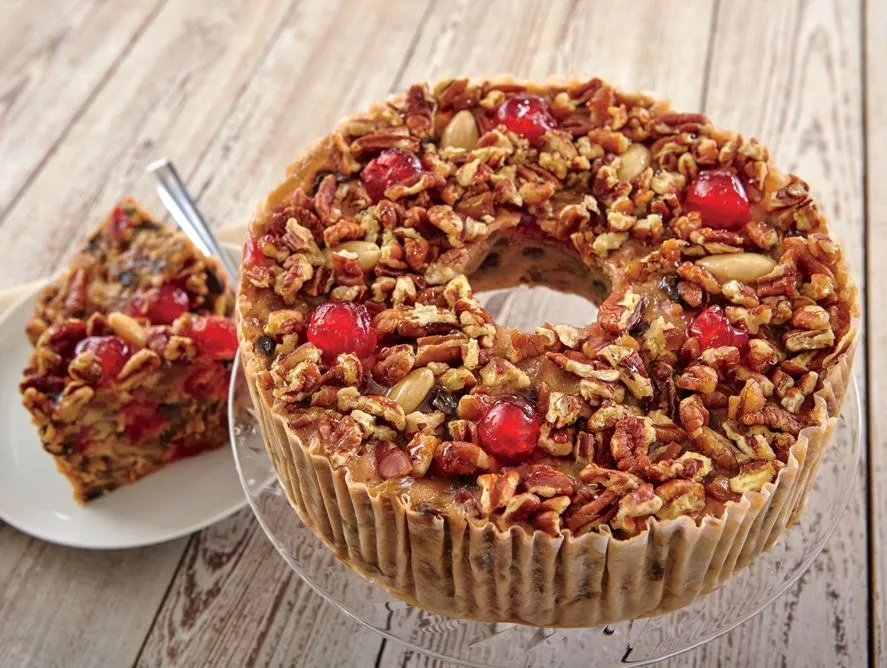
Estimated Time
The entire process from preparation to serving takes approximately 2 hours and 20 minutes. This includes about 20 minutes of prep time and 2 hours of baking. To ensure the best flavor development, consider allowing the cake to sit for a day or two after baking, wrapped tightly, before serving.

Needed Equipment
- Two loaf pans or standard bread pans (preferably 9×5-inch)
- Mixing bowls (large and medium)
- Sieve or fine-mesh strainer
- Whisk and spatula
- Measuring cups and spoons
- Cooking pot (for boiling prunes)
- Electric mixer or hand beaters (optional, but recommended for creaming)
- Cooling racks
- Parchment paper
- Rubber spatula
- Knife and cutting board (for optional zest or candied fruits)
- Oven thermometer (optional for precise temperature control)
Tags
Holiday, Christmas, Family Recipe, Traditional, Nostalgic, Fruitcake, Baked Goods, Festive Baking, Rich & Dense, Spiced
Serving Size
Each loaf yields approximately 10 to 12 generous slices, making it suitable for a gathering of 20–24 people, depending on portion size. It can be cut into smaller slices for sampling or larger pieces for more indulgent servings.
Difficulty Level
Moderate. While the process involves multiple steps—such as boiling prunes, preparing the batter, and careful baking—these are straightforward with some attention to detail. Experienced bakers will find it manageable, and beginners can successfully make this with patience and precise measurements.
Allergen Information
| Allergen | Present in this recipe |
|---|---|
| Gluten | Yes, from wheat flour |
| Eggs | Yes |
| Dairy | Butter |
| Nuts | None included, but cross-contamination possible |
| Sulfites | Present in candied citron and fruit |
Dietary Preference
Vegetarian. This recipe contains no meat or fish products. For vegan adaptations, substitute butter with plant-based margarine or oils and replace eggs with flaxseed or chia seed eggs, though these may slightly alter texture and flavor.
Course
Dessert, Festive Baked Goods, Holiday Special
Cuisine
American, Traditional, Holiday Baking
Ingredients
| Ingredients | Quantity |
|---|---|
| All-purpose flour | 4 1/2 cups |
| Baking powder | 1 teaspoon |
| Salt | 1/2 teaspoon |
| Cinnamon | 1 teaspoon |
| Clove | 1 teaspoon |
| Nutmeg | 1 teaspoon |
| Unsalted butter | 1 cup (softened) |
| Sugar | 2 cups |
| Eggs | 2 large |
| Milk | 1 cup |
| Molasses | 1 cup |
| Baking soda | 1 teaspoon |
| Raisins | 1 cup |
| Currants | 1 cup |
| Citron (candied lemon peel) | 1/2 cup |
| Prunes | 1/2 cup |
Instructions
1. Prepare the Dry Ingredients
Begin by assembling all your dry ingredients. Using a fine-mesh sieve or sifter, combine 4 1/2 cups of all-purpose flour, 1 teaspoon of baking powder, 1/2 teaspoon of salt, 1 teaspoon of ground cinnamon, 1 teaspoon of ground clove, and 1 teaspoon of ground nutmeg. Sifting these ingredients together is essential to ensure the spices are evenly distributed, preventing clumps and ensuring a uniform flavor profile throughout the cake. This process also aerates the flour, aiding in a lighter crumb for the final product.
Set the sifted mixture aside on a clean plate or bowl while you prepare the wet ingredients. The thorough mixing of dry components at this stage is crucial for a well-integrated batter, especially in dense cakes like this fruitcake.
2. Cream the Butter and Sugar
In a large mixing bowl, place 1 cup of softened, unsalted butter. Using an electric mixer or vigorous hand whisk, beat the butter until it becomes smooth, creamy, and slightly fluffy—about 2 to 3 minutes on medium speed. Gradually add 2 cups of sugar, continuing to beat until the mixture turns pale, light, and fluffy. This step is critical because it introduces air into the batter, which contributes to the cake’s tender crumb. Proper creaming ensures the sugar is well-incorporated, creating a smooth base for subsequent ingredients.
3. Incorporate Wet Ingredients
Next, add two large eggs, one at a time, to the creamed butter and sugar mixture. Beat well after each addition until fully incorporated—about 30 seconds to 1 minute per egg. This process ensures the eggs are evenly distributed, helping to bind the batter and maintain its structure during baking.
In a separate small bowl, dissolve 1 teaspoon of baking soda into 1 cup of milk. Add 1 cup of molasses to this mixture, stirring to combine thoroughly. Then, pour this liquid into the creamed mixture gradually, mixing continuously. This step introduces moisture, richness, and depth of flavor, while the baking soda reacts with the molasses to provide a slight leavening effect, ensuring the cake is moist and dense but not heavy.
Gently fold in the sifted dry ingredients using a spatula or low-speed mixer. Mix until just combined to avoid overworking the batter, which can lead to a tough texture. The batter should be thick but pourable, with a rich, dark hue from the molasses and spices.
4. Prepare the Prunes and Fruits
Bring a small pot of water to a boil. Add the prunes and cook until they are soft, approximately 10 minutes. Drain and let cool slightly. Once cooled, chop the prunes into small, bite-sized pieces. Incorporate the chopped prunes into the batter, folding gently to distribute evenly. The cooked prunes add moisture, sweetness, and a distinctive flavor that complements the spices and candied fruits.
In addition, prepare the other dried fruits: raisins, currants, citron, and candied lemon peel. These should be chopped into small pieces if large, then folded into the batter as well. For a more festive touch, you can include additional candied fruits or nuts if desired, but traditionalists often prefer the simplicity of this mix.
5. Optional Flavor Enhancements
For an added layer of flavor, consider mixing in 1 teaspoon of lemon or orange extract. Alternatively, grate a teaspoon of lemon or orange zest into the batter. These bright, citrusy notes lift the richness of the cake and enhance the festive aroma, making each bite more vibrant and aromatic.
6. Prepare the Pans and Bake
Preheat your oven to a gentle 275°F to 300°F (135°C to 150°C). Grease your loaf pans thoroughly with butter or non-stick spray, then line them with parchment paper, extending the paper above the edges of the pans for easy removal. Divide the batter evenly between the two prepared pans, smoothing the tops with a spatula.
Place the pans on the middle rack of the oven. Bake slowly to prevent the cake from burning on the outside while remaining undercooked inside. Bake for approximately 1 1/2 to 2 hours, checking periodically after the 1 1/2-hour mark. To test for doneness, insert a toothpick or cake tester into the center of each loaf; if it comes out clean, the cake is ready.
Allow the fruitcake to cool in the pans for about 15 minutes, then transfer to wire racks to cool completely before slicing. For best flavor and texture, wrap the cooled cakes in wax paper and store in an airtight container for at least 24 hours, preferably up to a week, to allow the flavors to meld and mature.
Preparation Tips
- Use high-quality dried fruits: The flavor of dried fruits significantly influences the final outcome. Opt for plump, shiny, and fresh-looking prunes, raisins, and currants.
- Soaking optional but recommended: For an even moister cake, soak the dried fruits in some of the molasses or a splash of brandy overnight before mixing into the batter.
- Adjust sweetness: If you prefer a less sweet cake, reduce the sugar slightly or incorporate a touch of honey or maple syrup.
- Prevent cracking: Bake at a low temperature and avoid overmixing once the dry ingredients are added. Covering the cake with foil during the last 30 minutes can help prevent over-browning.
- Flavor development: For enhanced depth, consider brushing the cooled cake with warm brandy or rum, then wrapping tightly. Repeat this process over several days for a boozy, moist finish.
Nutritional Information
| Nutrient | Per Serving (Approximate) |
|---|---|
| Calories | 3686.3 kcal |
| Fat | 105.7 g |
| Saturated Fat | 63.6 g |
| Cholesterol | 472.6 mg |
| Sodium | 2258.6 mg |
| Carbohydrates | 660.6 g |
| Fiber | 17 g |
| Sugar | 378.3 g |
| Protein | 45.1 g |
Tips and Tricks
- Enhance flavor with alcohol: Mature the cake by brushing it with dark rum, brandy, or bourbon every few days. This not only adds flavor but also preserves the cake’s moistness.
- Use a water bath: For an extra moist cake, bake in a water bath by placing the loaf pans in a larger baking dish filled with hot water, ensuring gentle heat and moisture retention.
- Make ahead: Fruitcakes improve with time. Wrap tightly and store in a cool, dark place for up to one month, allowing flavors to deepen.
- Customize the fruits: Incorporate your favorite dried fruits or nuts for a personalized touch. Dried cherries, chopped almonds, or walnuts work beautifully.
- Test for doneness: Always use a toothpick to check the center of the cake to prevent overbaking, which can dry out the cake.
Add-ons and Variations
- Nuts: Add chopped walnuts, pecans, or almonds to introduce crunch.
- Spiced Glaze: Brush with a mixture of apricot jam and a splash of brandy for a shiny, flavorful finish.
- Chocolate Drizzle: Drizzle melted dark chocolate over cooled slices for a decadent touch.
- Vegan Version: Substitute butter with coconut oil, eggs with apple sauce or flaxseed eggs, and ensure dried fruits are free from sulfites.
Side Dishes
This rich fruitcake pairs beautifully with:
- Clotted cream or mascarpone cheese
- Vanilla ice cream or custard
- Spiced tea or mulled wine
- Fresh berries or citrus segments for contrast
Improvements and Variations
While this recipe offers a nostalgic, traditional flavor, you can experiment with modifications to suit personal preferences:
- Reduce sweetness: Cut back on sugar and molasses slightly for a less dense, more balanced flavor.
- Incorporate nuts or seeds: For added texture and nutrition, fold in chopped pecans or sunflower seeds.
- Use different dried fruits: Incorporate dried apricots, cranberries, or figs for variety.
- Flavored alcohol soaking: Enhance flavor and moisture by soaking fruits or the finished cake in bourbon, sherry, or port.
Save and Store
Proper storage is key to preserving the authenticity and flavor of this traditional fruitcake. Once cooled completely, wrap the cake tightly in wax paper or parchment paper, then place in an airtight container or resealable plastic bag. Store in a cool, dark, and dry place—such as a cellar, basement, or pantry. For extended freshness and flavor development, periodically brush the cake with alcohol (brandy, rum, or whiskey) every few days. This process, known as “feeding” the cake, keeps it moist and infuses it with additional aroma.
It can be stored for several months, with some connoisseurs aging their fruitcakes for up to a year, enjoying the mellowed flavors that mature over time. Remember to rewrap and refresh the alcohol layer periodically for optimal preservation.
FAQs
Can I freeze this fruitcake?
Absolutely. Wrap the cooled cake tightly in plastic wrap, then foil, and freeze for up to 6 months. Thaw at room temperature, still wrapped, for several hours before serving. Freezing enhances the cake’s flavor and moisture, especially if you plan to store it for an extended period.
Can I make this recipe gluten-free?
Yes. Substitute the wheat flour with a high-quality gluten-free flour blend designed for baking. Note that texture and moisture may vary; adding a binding agent like xanthan gum can help improve structure.
Is it necessary to boil the prunes?
Boiling softens the prunes, making them easier to chop and integrate evenly into the batter. It also enhances their natural sweetness. If you prefer a more intense prune flavor, you can soak them overnight instead of boiling.
Can I omit the candied citron?
Yes, but it adds a lovely citrusy brightness that balances the richness of the cake. If omitted, consider adding a teaspoon of citrus zest or fresh lemon/orange juice to maintain flavor complexity.
How long will the cake stay fresh?
If stored properly, the cake can stay moist and flavorful for up to 2 months. For longer storage, keep it in the freezer, and always re-apply alcohol or moisture every few weeks to prevent drying out.
Conclusion
This Prune Fruitcake, with its roots deeply embedded in family tradition and holiday customs, offers a rich, aromatic, and nostalgic experience. Its dense texture, infused with spices and dried fruits, makes it a beloved centerpiece during festive celebrations. By following this detailed recipe and tips, you can recreate a piece of history in your own kitchen, delighting family and friends with a dessert that not only tastes divine but also carries the warmth of cherished memories. Remember, the beauty of fruitcake lies in its ability to improve with age, making it a perfect make-ahead treat or heartfelt gift during the holiday season. Embrace the process, enjoy the aromas, and celebrate the timeless joy of baking with love, as recommended by Love With Recipes.