Introduction
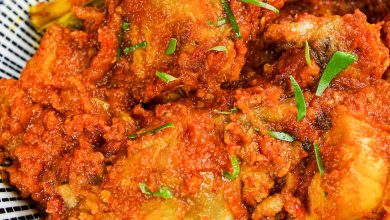
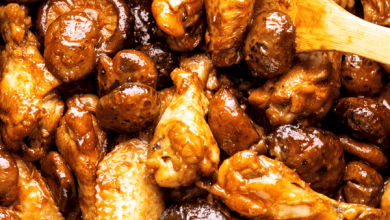
Ayam Goreng Tulang Lunak is an authentic Indonesian culinary masterpiece that celebrates the harmony of tender, flavorful chicken with irresistibly soft bones. This dish exemplifies the rich spice heritage of Indonesia, combining aromatic herbs, spices, and a meticulous cooking process to achieve a unique textural contrast—crisp exterior with melt-in-your-mouth meat and bones. The process involves initial marination with a vibrant spice blend, slow pressure cooking to tenderize the chicken thoroughly, and finishing with a satisfyingly crispy fry. This recipe, shared exclusively on Love With Recipes, is a delightful exploration of traditional Indonesian flavors, perfect for those seeking hearty, aromatic comfort food with an exotic twist. Prepare to indulge in the complexity of spices and the tender charm of soft-boned chicken that elevates everyday dining into a celebration of culinary heritage.

Time
- Total Preparation Time: 1 hour 30 minutes
- Active Prep Time: 30 minutes
- Cooking Time (including pressure cooking and frying): 1 hour
- Resting/Cooling Time: 15 minutes
Needed Equipment
- Pressure cooker (preferably stainless steel or heavy-duty aluminum)
- Frying pan or deep-fryer
- Kitchen knife and cutting board
- Measuring spoons and cups
- Mortar and pestle or spice grinder (for spice paste)
- Large mixing bowls
- Silicone spatula or wooden spoon
- Kitchen tongs
- Paper towels (for draining oil)
- Thermometer (optional, for oil temperature)
- Serving platter
Tags
Indonesian cuisine, fried chicken, soft bones, aromatic spices, traditional recipe, comfort food, family meal, street food, authentic flavors
Serving Size
Serves approximately 4–6 people with generous portions.
Difficulty Level
Intermediate — requires familiarity with pressure cooking and frying techniques, as well as handling aromatic spice blends.
Allergen Information
- Contains nuts (candlenuts)
- Contains garlic and spices that may cause sensitivities
Dietary Preference
Non-vegetarian, gluten-free (if cooked in gluten-free oil), dairy-free
Course
Main course, appetizer
Cuisine
Indonesian
Ingredients
| Ingredient | Quantity | Notes |
|---|---|---|
| Chicken (preferably whole or cut into desired pieces) | 1 kg | Choose bone-in pieces for authentic soft-bone experience |
| Lemongrass | 2 stalks | Bruised lightly for aroma release |
| Kaffir lime leaves | 4 leaves | Fresh or dried, adds citrus aroma |
| Garlic | 7 cloves | Finely ground |
| Coriander seeds | 1 tablespoon | Finely ground |
| Galangal | 3 finger-sized pieces | Finely ground, adds earthiness |
| Turmeric | 3 finger-sized pieces | Finely ground, imparts vibrant color |
| Candlenuts | 2 nuts | Finely ground, adds richness |
| Salt | to taste | Adjust to preference |
| Water | as needed | For boiling the chicken |
| Cooking oil | As needed | For frying |
Instructions
Preparing the Spice Blend
To begin this culinary journey, create a robust spice paste that forms the heart of Ayam Goreng Tulang Lunak. Gather fresh garlic cloves, coriander seeds, galangal, turmeric, candlenuts, and salt. Using a mortar and pestle or a high-quality spice grinder, grind these ingredients into a smooth, aromatic paste. The process involves adding the coriander seeds first to crush them into a powder, then incorporating garlic, galangal, turmeric, candlenuts, and salt. The grinding should be done until the mixture is fragrant and uniform in texture, resembling a thick paste that readily coats the chicken. The quality of your spice paste directly influences the depth of flavor, so take your time to achieve a fine, aromatic consistency.
Preparing the Chicken
While the spice blend is being prepared, focus on selecting fresh chicken pieces. Ideally, opt for bone-in cuts such as thighs, drumsticks, or a whole chicken cut into manageable portions. Rinse the chicken thoroughly under cold running water to remove any residual blood or impurities. Pat dry with paper towels to ensure the surface is dry, promoting even cooking and browning during frying. Cut into your desired pieces, but avoid overly small cuts to maintain the integrity of the bones and achieve the soft-bone effect. Marinate the chicken with the prepared spice paste, ensuring every piece is generously coated. This marination can be done in a large mixing bowl, allowing the flavors to deeply penetrate the meat for at least 15 minutes, but preferably up to 30 minutes for enhanced flavor.
Cooking the Chicken
Transfer the marinated chicken pieces to a sturdy pressure cooker. Add enough water to fully submerge the chicken, typically around 2–3 liters depending on your pressure cooker size. Incorporate the bruised lemongrass stalks and kaffir lime leaves into the water—these aromatics infuse the chicken with a distinctive citrusy and herbaceous aroma, characteristic of Indonesian cuisine. Seal the pressure cooker securely, ensuring the lid is locked in place. Bring the pressure cooker to medium heat and cook for approximately 45 minutes. This process tenderizes the chicken thoroughly, softening the bones to a delicate, almost melt-in-your-mouth consistency. The pressure cooking method ensures the flavors are deeply infused, and the bones become soft enough for easy consumption without compromising the meat’s integrity.
Cooling the Chicken
Once the cooking time is complete, carefully release the pressure and open the cooker. Remove the chicken pieces and transfer them to a cooling rack or a plate. Allow the chicken to cool to room temperature; this step is crucial as it prevents excess splattering when frying and helps set the surface for crisping. During this period, you might want to strain the cooking liquid to save for future use or to serve as a flavorful broth.
Frying the Chicken
Heat a generous amount of cooking oil in a frying pan or deep-fryer over medium heat. The oil temperature should ideally reach around 170°C (340°F) for optimal frying. Use a thermometer if available to ensure precision. Carefully add the cooled chicken pieces into the hot oil. Fry in batches if necessary to avoid overcrowding, which can lower the oil temperature and result in soggy chicken. Fry each batch until the exterior turns a deep golden-brown hue and develops a crispy texture, approximately 8–10 minutes. Turn the pieces occasionally with tongs to ensure even browning. The final result should be a beautifully crispy exterior with tender, soft bones inside, providing a satisfying eating experience that’s both flavorful and texturally delightful.
Preparation Tips
- Use fresh, high-quality chicken for optimal flavor and tenderness.
- Adjust spice levels according to your preference; extra garlic or turmeric can be added for more intensity.
- For an extra crispy finish, double fry the chicken: fry once to cook and soften, then cool, and fry again until crispy.
- Ensure the oil temperature remains consistent during frying for even crisping and to prevent burning.
- Let the chicken rest for a few minutes after frying to allow excess oil to drain on paper towels.
Nutritional Information
| Nutrient | Per Serving (approximate) |
|---|---|
| Calories | 350 kcal |
| Protein | 25 g |
| Fat | 20 g |
| Carbohydrates | 12 g |
| Fiber | 2 g |
| Sodium | 600 mg |
| Cholesterol | 85 mg |
Tips and Tricks
- For maximum flavor, marinate the chicken overnight in the spice paste wrapped in plastic wrap or stored in an airtight container.
- Use a heavy-bottomed pan for frying to ensure even heat distribution.
- To enhance aroma, add a few slices of fresh ginger or shallots to the boiling water during pressure cooking.
- Consider adding a dash of coconut milk to the spice paste for a more decadent flavor profile.
- Experiment with different regional Indonesian spices like turmeric, coriander, or cumin to customize the flavor.
Add-ons
- Sambal oelek or sambal matah for extra spice
- Sliced fresh cucumbers and tomatoes for refreshing contrast
- Fried shallots or toasted breadcrumbs as garnishes
- Pickled vegetables for a tangy accompaniment
Side Dishes
- Steamed jasmine or pandan rice
- Indonesian-style vegetable stir-fry (sayur lodeh)
- Fresh vegetable salad with lime dressing
- Fried tempeh or tahu (tofu)
- Satay skewers with peanut sauce
Improvements
- Use a clay pot instead of a pressure cooker for a more traditional, slow-cooked flavor.
- Marinate the chicken in coconut milk and turmeric for added richness.
- Experiment with different frying oils such as coconut oil for authentic flavor.
- Add a splash of lime juice or vinegar just before serving for brightness.
Save and Store
Leftover Ayam Goreng Tulang Lunak can be stored in an airtight container in the refrigerator for up to 2 days. Reheat in an oven or air fryer at 180°C (356°F) for about 10 minutes until crispy. For longer storage, freeze the chicken in a sealed bag or container for up to 1 month. To reheat from frozen, thaw overnight in the refrigerator and then fry or oven-bake to restore crunchiness.
FAQ
Can I use chicken breast instead of bone-in pieces?
While you can, the soft-bone texture and rich flavor are best achieved with bone-in cuts. Chicken breast may become dry or tough when pressure-cooked, and the bones do not soften as much. For authentic experience, stick with bone-in thighs or drumsticks.
Is it necessary to pressure cook the chicken?
Pressure cooking is essential for achieving the characteristic tenderness and soft bones. Alternatively, slow braising in a covered pot can be used, but it requires longer cooking times and careful temperature control.
Can I fry the chicken without pressure cooking?
Frying raw chicken directly is possible but will not yield the soft, melt-in-your-mouth bones. The pressure cooking step is crucial for the traditional soft-bone texture.
What are some vegetarian or vegan substitutes?
For vegetarians, replace chicken with tofu or tempeh, marinated with similar spices, and bake or pan-fry until crispy. For vegan versions, use plant-based protein substitutes designed for similar texture.
Conclusion
Ayam Goreng Tulang Lunak stands as a testament to Indonesia’s rich culinary heritage, emphasizing the importance of slow, aromatic cooking techniques combined with crisp frying. The harmonious blend of herbs and spices, coupled with the unique softness of tender bones, offers an unparalleled eating experience that delights both the senses and the soul. Perfect for sharing with family and friends, this dish transforms everyday meals into a flavorful celebration of tradition. With patience and attention to detail, anyone can recreate this authentic Indonesian recipe at home, bringing a taste of Bali or Java directly to their dining table. Remember, the key to success lies in the quality of ingredients, precise cooking times, and a love for the process—so enjoy every step and savor the delicious results. Happy cooking from Love With Recipes!
References
1. Indonesian Food and Cooking by Sri Owen
2. The Food of Indonesia by Heinz Von Holzen and Christine V. Holzen