Introduction
Welcome to Love With Recipes, your go-to platform for culinary inspiration and detailed, authentic recipes. Today, we delve into the world of traditional Italian pastry making with a focus on the delicate and luscious Veneziane alla Crema. These pastries are emblematic of Italy’s rich baking heritage, blending the airy, tender texture of brioche with a sumptuous pastry cream filling that oozes flavor and sophistication. Perfect for breakfast, brunch, or as a decadent dessert, Veneziane alla Crema embodies the artistry of Italian confectionery. The process is a labor of love, requiring patience and attention to detail, but the reward is undeniably worth it—a melt-in-your-mouth pastry with a creamy, aromatic filling that transports you straight to a little bakery in Venice or Bologna. In this comprehensive guide, every step is explained meticulously, ensuring you achieve bakery-quality results in your own kitchen. Whether you’re an experienced baker or a passionate beginner, this recipe offers a rewarding challenge that results in stunning, delicious treats to impress family and friends alike.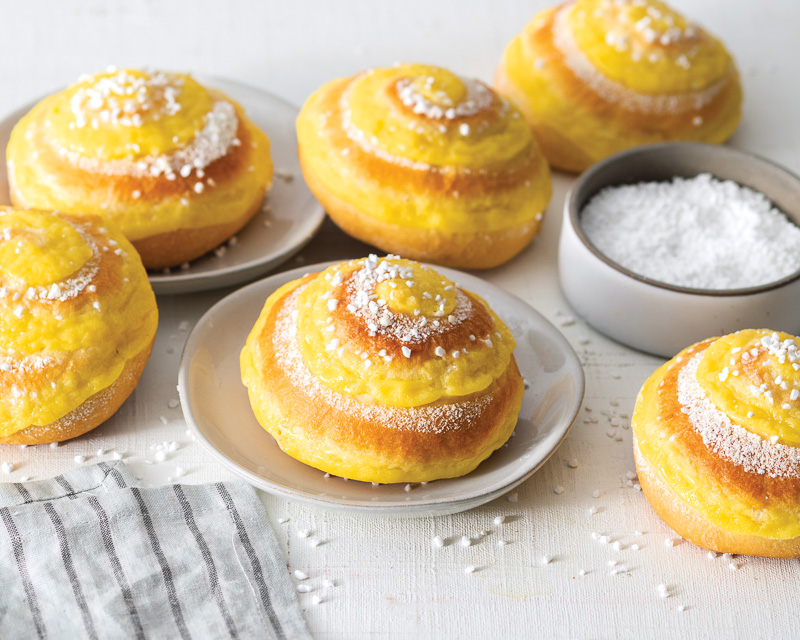
Time
The preparation and baking process for Veneziane alla Crema is quite involved, requiring patience and precise timing. Here is a breakdown of the approximate total time needed:

- Preparation of pre-dough: 20 minutes
- First fermentation (dough rising): 2 to 3 hours
- Refrigeration (cold resting): 8 to 12 hours, preferably overnight
- Shaping and second fermentation: 1 hour
- Pastry cream preparation: 30 minutes
- Baking: 20-25 minutes
- Cooling and final garnishing: 15 minutes
Overall, expect around 12 to 14 hours from start to finish, most of which involves resting and rising times, making it an ideal recipe for a weekend baking project.
Needed Equipment
To achieve the best results with this recipe, gather the following equipment:
- Stand mixer with dough hook attachment (preferred) or large mixing bowls and hand kneading tools
- Thermometer (for verifying water temperature and dough temperature)
- Kitchen scale (for precise measurement of ingredients)
- Mixing bowls of various sizes
- Silicone spatula or dough scraper
- Measuring cups and spoons
- Pastry brush (for egg wash)
- Baking sheet(s) lined with parchment paper
- Rolling pin (for shaping, if needed)
- Small saucepan for custard and pastry cream
- Whisk and ladle
- Fine-mesh sieve (for straining custard if needed)
- Cooling rack
- Plastic wrap or clean kitchen towel (for covering dough)
- Refrigerator (for cold resting)
- Oven preheated to 180°C (350°F)
- Food processor or microplane (for zesting citrus)
- Garnishing tools: sifter or fine strainer for powdered sugar and sugar crystals
Tags
Baking, Italian Pastry, Traditional, Dessert, Pastry Cream, Brioche, Homemade, Dough, Custard, Sweet Treats
Serving Size
This recipe yields approximately 12 individual Veneziane alla Crema, each weighing about 100 grams. This size makes for an elegant presentation and an ideal portion for dessert or special occasions. Adjustments can be made to produce smaller or larger pastries depending on your preference or event requirements.
Difficulty Level
This recipe is categorized as intermediate due to the multiple fermentation steps, the need for precise temperature control, and the preparation of a rich pastry cream. Nevertheless, with patience and attention to detail, it is accessible to home bakers with some baking experience.
Allergen Information
This recipe contains the following common allergens:
- Gluten: present in wheat flour (Farina 00 and Manitoba flour)
- Eggs: used in dough and custard
- Dairy: butter, heavy cream, and milk
Those with allergies or intolerances should consider suitable substitutions, such as gluten-free flour blends or dairy alternatives, noting that these may alter the texture and flavor.
Dietary Preference
This recipe is traditional and not suitable for vegan or dairy-free diets. However, modifications can be explored for plant-based alternatives, such as vegan butter, plant-based milk, and egg replacers, though results may vary.
Course
Dessert / Pastry / Breakfast treat
Cuisine
Italian
Ingredients
For the Pre-Dough
| Ingredient | Quantity | Notes |
|---|---|---|
| Farina 00 (All-purpose flour) | 40g | Used for initial flavor development |
| Farina Manitoba (High-gluten flour) | 60g | Provides structure and elasticity |
| Water | 65g | Lukewarm, about 38°C (100°F) |
| Dry yeast | 3g (about 1 teaspoon) | Active dry yeast |
| Honey | 1 teaspoon | Acts as a fermentable sugar and flavor enhancer |
| Orange zest | 1 piece | Freshly grated |
| Lemon zest | 1 piece | Freshly grated |
Main Dough
| Ingredient | Quantity | Notes |
|---|---|---|
| Farina Manitoba (High-gluten flour) | 300g | Main structure of the dough |
| Farina 00 (All-purpose flour) | 100g | Refinement and tenderness |
| Sugar | 100g | Sweetness and fermentation aid |
| Eggs | 3 large | For richness and structure |
| Whole milk | 50ml | Temperature should be lukewarm |
| Butter (room temperature) | 175g | Unsalted, softened |
| Fine salt | 5g | Enhances flavor |
| Vanilla bean (half pod) | 1/2 | Seeds scraped for flavor |
Pastry Cream Filling
| Ingredient | Quantity | Notes |
|---|---|---|
| Whole milk | 250ml | Fresh and cold |
| Vanilla bean (half pod) | 1/2 | Seeds scraped |
| Egg yolks | 3 | Large eggs |
| Sugar | 75g | Sweetness and structure |
| Farina 00 (or cornstarch) | 25g | Thickening agent |
| Heavy cream | 2 tablespoons | For richness |
Garnish & Finishing
| Ingredient | Quantity | Notes |
|---|---|---|
| Sugar crystals | As needed | For topping before baking |
| Powdered sugar | As needed | For dusting after baking |
Instructions
Step 1: Prepare the Pre-Dough
Begin by activating your yeast. In a small bowl, combine the lukewarm water with the dry yeast. Stir gently and let sit for about 5-10 minutes until foamy. This step ensures the yeast is alive and active. Meanwhile, in a separate medium bowl, mix the 40g of Farina 00 and 60g of Manitoba flour thoroughly. Once the yeast mixture is foamy, add it to the flour blend along with a teaspoon of honey and the freshly grated zest of orange and lemon. Use a fork or a dough scraper to mix everything until it forms a sticky but manageable dough. Cover the bowl with plastic wrap or a damp cloth and set aside in a warm, draft-free place for about 1.5 to 2 hours, or until doubled in size.
Step 2: Prepare the Main Dough
In a large mixing bowl or a stand mixer fitted with a dough hook, combine the 300g Manitoba flour, 100g of all-purpose flour, sugar, and a pinch of salt. Mix briefly to distribute evenly. Create a well in the center and add the eggs, 50ml of lukewarm milk, and the pre-dough you prepared earlier. Mix on low speed until the ingredients come together into a rough dough. Increase to medium speed and knead for about 8-10 minutes until the dough is smooth, elastic, and slightly sticky but not overly wet. This process develops the gluten structure essential for the airy crumb of the final pastry.
Step 3: Incorporate the Butter and Knead
Gradually add the softened butter, a small piece at a time, while the mixer is running on medium speed. Ensure each addition is fully incorporated before adding the next. This slow, steady process allows the fat to emulsify into the dough, creating a rich, pliable texture. Continue kneading until the dough is shiny, smooth, and slightly elastic, about 25-30 minutes in total. If kneading by hand, this process may take longer and require more effort. The dough should pass the windowpane test—stretching thin without tearing—indicating good gluten development.
Step 4: First Rising
Shape the dough into a ball and place it in a lightly oiled or floured bowl. Cover tightly with plastic wrap or a damp towel. Let it rise in a warm, draft-free area for approximately 2 to 3 hours, or until it doubles in volume. This fermentation allows the yeast to produce carbon dioxide, giving the brioche its characteristic fluffiness and flavor development. For optimal flavor, you can perform a cold fermentation by refrigerating the dough overnight after the initial rise. This slow fermentation enhances the dough’s aroma and improves texture, especially if you plan to bake the pastries the next day.
Step 5: Cold Resting & Shaping
After the initial rise, punch down the dough gently to release excess gas. Cover again and refrigerate for 8-12 hours, ideally overnight. This step tightens the gluten structure and deepens flavor. The next day, remove the dough from the fridge and allow it to come to room temperature for about 30 minutes. Divide the dough into 12 equal portions, roughly 80 grams each. Shape each piece into a smooth ball, ensuring there are no cracks or uneven surfaces. Place the dough balls on a parchment-lined baking sheet, spaced adequately apart to allow for expansion.
Step 6: Second Rise
Cover the dough balls with a clean kitchen towel or plastic wrap and let them proof at room temperature for 30 to 60 minutes. They should puff up noticeably, feeling soft and airy when gently pressed. This secondary fermentation ensures a light, tender crumb and helps the pastries hold their shape during baking.
Step 7: Prepare the Pastry Cream
While the dough is undergoing its second rise, prepare your pastry cream. Pour the 250ml of milk into a saucepan, scraping the seeds from half a vanilla bean pod into the milk for a fragrant infusion. Warm gently over medium heat until just below boiling point, then remove from heat and let steep for 10 minutes for maximum vanilla flavor. In a mixing bowl, whisk together the 3 egg yolks, 75g of sugar, and 25g of flour until smooth and pale. Gradually pour a small amount of the hot milk into the egg mixture, whisking constantly to temper the eggs. Then, pour everything back into the saucepan with the remaining milk. Cook over low heat, stirring constantly, until the mixture thickens into a custard. Remove from heat, strain through a fine sieve if necessary, and let cool slightly. Mix in 2 tablespoons of heavy cream for added richness. Cover with plastic wrap touching the surface to prevent a skin from forming and refrigerate until needed.
Step 8: Assemble and Bake
Preheat your oven to 180°C (350°F). Once the dough balls have puffed up, gently press an indentation into the center of each with your fingertip or the back of a spoon. Fill each indentation generously with the prepared pastry cream. Brush the tops of the filled pastries with an egg yolk wash to promote a glossy, golden finish. Sprinkle sugar crystals over the top for added sweetness and an appealing crunch. Place the pastries in the oven and bake for 20-25 minutes, or until golden brown and puffed. The aroma during baking will be intoxicating and a sign of their imminent deliciousness. Remove from oven and cool on a wire rack for at least 15 minutes before handling.
Step 9: Final Touches
Once cooled slightly, dust the Veneziane alla Crema with powdered sugar for an elegant presentation. Serve warm or at room temperature. These pastries are best enjoyed fresh but can be stored in an airtight container for up to 2 days. Reheat gently in the oven if desired to restore their softness and aroma.
Preparation Tips
- Ensure all ingredients, especially butter and eggs, are at room temperature before mixing for better incorporation and dough elasticity.
- Use high-quality flour, preferably Italian “00” for refinement and Manitoba for structure, to achieve authentic texture.
- Maintain precise temperatures during fermentation and proofing—warm enough to activate yeast but not so hot as to kill it (~25-27°C / 77-80°F).
- Don’t rush the rising process; patience is key to achieving airy, tender pastries.
- Control the pastry cream’s thickness by cooking it slowly and stirring constantly to prevent curdling.
- For a more intense vanilla flavor, use a vanilla bean pod rather than extract.
Nutritional Information
| Nutrient | Per Serving (approx. 100g) |
|---|---|
| Calories | 380 kcal |
| Protein | 8g |
| Carbohydrates | 52g |
| Dietary Fiber | 2g |
| Sugar | 15g |
| Fat | 15g |
| Saturated Fat | 8g |
| Sodium | 150mg |
Tips and Tricks
- For an extra flavor boost, incorporate a splash of Grand Marnier or Limoncello into the pastry cream.
- Use a piping bag to fill the indentations neatly and evenly for a professional look.
- Try adding a sprinkle of toasted almonds or slivered pistachios on top post-baking for added crunch and flavor.
- Experiment with different zest combinations—grapefruit or lime can offer unique twists.
- Ensure the oven is fully preheated before baking to ensure proper rise and browning.
Add-ons and Variations
- Chocolate Pastry Cream: Add chopped dark chocolate or cocoa powder to the custard for a mocha version.
- Fruit Filling: Incorporate fresh berries or fruit compote inside the pastry or as a topping.
- Glazing: Brush with apricot jam or a thin layer of melted chocolate after baking for extra shine and flavor.
Side Dishes
These pastries pair beautifully with:
- Freshly brewed Italian espresso or cappuccino
- Sweet dessert wines like Vin Santo or Moscato
- Fresh fruit salads or berry compotes to complement the richness
- Light mascarpone or Greek yogurt for a balanced contrast
Improvements and Customizations
- For a richer dough, incorporate a small amount of mascarpone cheese into the dough mixture.
- Adjust the sugar content in the dough for less sweetness if serving with sweet accompaniments.
- Experiment with different flavor infusions in the pastry cream, such as lavender or cardamom, for unique variations.
- Use a bread machine for kneading if you prefer less manual effort, but ensure the dough is properly developed.
Save and Store
To store the Veneziane alla Crema, keep them in an airtight container at room temperature for up to 2 days. For longer storage, refrigerate for up to 3 days, but note that the pastries may lose some of their softness. To refresh, warm them briefly in a 150°C (300°F) oven for about 5 minutes. Freeze individually wrapped in plastic wrap for up to 1 month; thaw overnight in the fridge and rewarm gently before serving.
FAQ
Can I make the pastry dough ahead of time?
Yes, after the initial fermentation, you can refrigerate the dough overnight or up to 12 hours. This slow fermentation enhances flavor and texture. Just bring it to room temperature before shaping.
Is it necessary to refrigerate the dough?
Refrigeration after the first rise is recommended to develop deeper flavor and better texture. It also makes handling the dough easier.
Can I substitute the pastry cream with mascarpone or whipped cream?
While you can, traditional Veneziane alla Crema uses a cooked pastry cream for stability and flavor. Mascarpone or whipped cream can be used as fillings for a lighter variation, but the texture and flavor profile will differ.
What if I don’t have Manitoba flour?
Use bread flour as a substitute; it has high gluten content similar to Manitoba. The dough may be slightly less elastic but still workable.
Conclusion
Creating Veneziane alla Crema is a rewarding baking adventure that marries Italian tradition with culinary craftsmanship. The process underscores the importance of patience, precise timing, and quality ingredients to achieve the best possible results. The end product—a fluffy, buttery brioche filled with luscious pastry cream—is a testament to Italian pastry artistry and perfect for special occasions or everyday indulgence. Remember, each step is vital, from fermenting the dough slowly to cooking the custard to the perfect thickness. With love and care, you’ll craft pastries that not only taste divine but also carry the warmth of homemade Italian tradition. Share these delights with loved ones or keep them as a personal treat—either way, they promise to be memorable. Happy baking from Love With Recipes!
References
- “Italian Pastry & Baking Traditions,” by Maria Grazia, 2018.
- “The Art of Italian Pastry,” by Giovanni Rossi, 2020.