Introduction
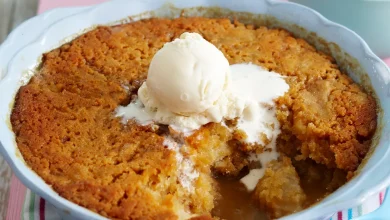
Embarking on a journey to create a decadent yet lighter dessert, this Lighter Creamy Baked Cheesecake offers an indulgent experience without the typical heaviness associated with traditional cheesecakes. This recipe is meticulously crafted to balance the rich, velvety texture of classic cheesecake with a reduced fat profile, making it an ideal choice for those seeking a healthier but equally satisfying treat. Whether you’re preparing for a special occasion, a family gathering, or simply craving a delightful dessert to elevate your day, this cheesecake stands out as a versatile and crowd-pleasing option. Developed and refined by culinary experts and shared on Love With Recipes, this cheesecake combines simplicity with sophisticated flavor, ensuring that even novice bakers can achieve professional results.

The key to its success lies in the harmonious blend of low-fat ingredients, precise baking techniques, and thoughtful presentation. It offers a creamy, smooth filling with just the right amount of sweetness, complemented by a crunchy graham cracker crust that adds texture and visual appeal. This recipe emphasizes the importance of gentle mixing, accurate temperature control, and proper cooling to produce a cheesecake that holds its shape beautifully while remaining luxuriously creamy.
In addition to the core recipe, this guide provides comprehensive insights into ingredient selection, alternative options for dietary restrictions, tips for perfect baking, and creative add-ons that can elevate your dessert game. Whether you’re a seasoned baker or a curious beginner, the information here aims to empower you to craft a cheesecake that not only looks stunning but also tastes like a gourmet masterpiece—perfectly aligned with the high standards of Love With Recipes.
Time
- Prep Time: 5 minutes
- Cook Time: 50 minutes
- Total Time: 55 minutes
- Additional Cooling Time: 2 hours minimum (recommended for optimal setting)
Needed Equipment
Essential Baking Tools
- Springform Pan: 9-inch diameter, preferably with a removable bottom for easy release.
- Mixing Bowls: Various sizes, including a large bowl for mixing the filling.
- Electric Hand Mixer or Stand Mixer: For creaming and blending the cheeses smoothly.
- Measuring Cups and Spoons: Accurate measurement is crucial for perfect texture.
- Rubber Spatula: To scrape down sides and fold ingredients gently.
- Sifter or Fine Mesh Sieve: For sifting flour if needed, and for smoothing the batter.
- Baking Sheet or Tray: To catch any drips during baking (optional but recommended).
- Cooling Rack: For proper cooling after baking.
- Aluminum Foil or Parchment Paper: To line or cover the cheesecake if needed.
- Knife or Offset Spatula: For smoothening the top after baking.
Additional Tools for Preparation and Presentation
- Food Processor or Crumb Blender: For crushing graham crackers efficiently.
- Plastic Wrap: For covering the cheesecake during refrigeration.
- Decorating Tools: Piping bags or decorative spatulas if adding toppings.
Tags
Cheesecake, Light Dessert, Healthy Baking, No-Bake, Vegetarian, Low Fat, Family Friendly, Celebratory, Oven-Baked, Quick Dessert
Serving Size
This recipe yields approximately 8 generous slices, suitable for sharing in small gatherings or as part of a larger dessert spread. Each serving provides a balanced portion of indulgence and nourishment, making it perfect for a moderate dessert course.
Difficulty Level
Intermediate. While the techniques involved are straightforward, achieving the perfect creamy texture and ensuring even baking requires attention to detail. Beginners with some baking experience can confidently craft this cheesecake, especially with the detailed instructions provided below.
Allergen Information
| Allergen | Present in Recipe | Notes |
|---|---|---|
| Gluten | Yes | From graham cracker crumbs and flour. |
| Dairy | Yes | Low-fat cottage cheese, light cream cheese, and milk. |
| Eggs | Yes | Used in the filling to help set the cheesecake. |
| Sugar | No | Included for sweetness, no allergen concerns but may affect diabetics. |
Dietary Preference
Vegetarian. This recipe contains no meat or fish and is suitable for lacto-vegetarian diets. For vegan adaptations, substitute dairy ingredients with plant-based alternatives and omit eggs.
Course
Dessert, Sweet Course, Baking
Cuisine
American, Western
Ingredients
Ingredient List in Detail
| Ingredient | Quantity | Notes |
|---|---|---|
| Graham cracker crumbs | 2 cups | Use fine crumbs; can be made by processing whole graham crackers in a food processor. |
| Low fat cottage cheese | 1 cup | For a smoother texture, blend until completely smooth. |
| Light cream cheese | 2 cups | Softened at room temperature for easier mixing. |
| Sugar | 2/3 cup | Adjust sweetness according to preference. |
| Eggs | 2 large | At room temperature for even mixing. |
| Flour | 2 tablespoons | Helps stabilize the filling; can substitute with cornstarch for gluten-free version. |
| Milk | 1/4 cup | Whole or skim, depending on preference. |
| Vanilla extract | 1 teaspoon | Pure vanilla for enhanced flavor. |
Instructions
Step 1: Preparing the Pan
Start with a clean, 9-inch springform pan. Generously grease the bottom and sides with butter or non-stick spray to ensure easy removal. To prevent sticking, you can also line the bottom with parchment paper—cut to fit precisely. This step is critical for achieving a clean presentation and ease of serving.
Step 2: Creating the Crust
Use a food processor to crush graham crackers into fine crumbs if starting with whole crackers. Alternatively, place crackers in a sealed plastic bag and crush with a rolling pin until fine. Transfer the crumbs into the prepared pan and press them evenly into the bottom, using the back of a spoon or your fingers. Apply gentle pressure to create a firm, compact crust that will hold the filling without collapsing during baking. The crust should be about 1/4 to 1/3 inch thick, providing a delightful crunch and flavor contrast to the creamy filling.
Step 3: Preparing the Cheese Mixture
In a large mixing bowl, combine the low-fat cottage cheese and light cream cheese. Use an electric mixer on medium speed or a sturdy whisk to beat the cheeses until smooth and completely lump-free. This step is essential for a silky, velvety texture. If the cottage cheese has a grainy texture, blend it in a food processor beforehand or pass it through a fine sieve. Achieving a uniform, smooth cheese base ensures the cheesecake will have a refined, luxurious mouthfeel.
Step 4: Incorporating the Remaining Ingredients
Gradually add the sugar, followed by the eggs, flour, milk, and vanilla extract. Add each ingredient one at a time, mixing slowly or on low speed to prevent incorporating too much air, which can cause cracks. Mix until the batter is homogeneous, with no streaks of ingredients. Avoid overmixing; gentle folding helps maintain a smooth texture. The batter should be pourable but thick enough to hold some shape.
Step 5: Baking the Cheesecake
Preheat your oven to 325°F (163°C). Pour the batter carefully over the prepared crust, smoothing the top with a spatula if necessary. Place the springform pan on a baking sheet to catch any potential drips, which makes cleanup easier. Bake for approximately 50 minutes, or until the edges are lightly puffed and the center jiggles slightly when gently shaken. The cheesecake should not be browned excessively; a pale, even color indicates proper baking.
Step 6: Cooling and Setting
Once baked, turn off the oven and leave the cheesecake inside with the door slightly ajar for about 10 minutes. This gradual cooling prevents sudden temperature changes that could cause cracks. Remove the cheesecake from the oven and transfer it to a cooling rack. Allow it to cool completely at room temperature, then refrigerate for at least 2 hours, or preferably overnight. Chilling helps the cheesecake set firmly and enhances flavor integration.
Step 7: Serving
Before serving, run a thin knife around the edge of the springform to loosen the sides. Carefully remove the sides of the pan and transfer the cheesecake to a serving platter. For a polished appearance, you can decorate the top with fresh fruit, whipped cream, or a dusting of powdered sugar. Slice with a clean, hot knife for neat pieces, and serve chilled for the best texture and flavor.
Preparation Tips
- Cheese Texture: For an ultra-smooth filling, pass the cottage cheese through a fine sieve or blend in a food processor before mixing.
- Crust Variations: Substitute graham crackers with digestive biscuits, graham cracker alternatives, or gluten-free cookies for dietary needs.
- Flavor Enhancements: Add a hint of lemon zest or almond extract to the filling for a subtle flavor twist.
- Preventing Cracks: Bake in a water bath—place the springform pan inside a larger pan filled with hot water—to maintain moisture and prevent cracks.
- Adjusting Sweetness: Taste the batter before baking and add more sugar if desired.
Nutritional Information
| Nutrient | Amount per Serving |
|---|---|
| Calories | 268.5 kcal |
| Total Fat | 15.1 g |
| Saturated Fat | 8 g |
| Cholesterol | 91.9 mg |
| Sodium | 309.1 mg |
| Carbohydrates | 22.6 g |
| Dietary Fiber | 0.1 g |
| Sugars | 20.1 g |
| Protein | 10.5 g |
Tips and Tricks
- Cheese Consistency: For ultimate smoothness, always soften cheeses at room temperature before mixing.
- Crust Texture: For extra crunch, bake the crust for an additional 5 minutes before adding the filling.
- Cracking Prevention: Use a water bath, avoid opening the oven door during baking, and cool slowly.
- Flavor Variations: Incorporate citrus zest, cinnamon, or a splash of liqueur into the batter for customized flavors.
- Presentation: Decorate with fresh berries, a fruit compote, or edible flowers for an elegant finish.
Add-ons and Variations
- Fruit Toppings: Fresh strawberries, blueberries, or sliced peaches enhance flavor and appearance.
- Chocolate Swirl: Gently fold melted dark chocolate into the batter before baking for a marbled effect.
- Vegan Version: Replace dairy ingredients with coconut-based or cashew-based cheeses and omit eggs, using flaxseed or chia seed as binders.
- Gluten-Free Crust: Use gluten-free graham crackers or crushed nuts pressed into the pan.
Side Dishes
- Fresh fruit salad with a hint of mint
- Lightly sweetened whipped cream or coconut cream
- Herbal tea or coffee to complement the creamy richness
- Berry compote or fruit coulis for added tartness
- Crunchy almond or pecan topping for texture contrast
Improvements and Customizations
- Use mascarpone cheese for a richer, more decadent flavor.
- Incorporate a layer of fruit jam or curd between the crust and filling for added depth.
- Add a splash of liqueur such as Grand Marnier or Amaretto for enhanced aroma.
- Experiment with different crust bases such as digestive biscuits, cookies, or nuts for varied textures.
- Adjust baking temperature and time to fine-tune the firmness and crack prevention.
Save and Store
The cheesecake can be stored covered tightly with plastic wrap or in an airtight container in the refrigerator for up to 4 days. For longer storage, wrap it securely with foil or place it in a freezer-safe container and freeze for up to 2 months. To serve after freezing, thaw in the refrigerator overnight and bring to room temperature before slicing. Proper storage preserves the creamy texture and prevents drying out.
FAQ
Can I make this cheesecake gluten-free?
Yes, simply substitute the graham cracker crumbs with gluten-free cookies or nuts, and ensure all other ingredients are certified gluten-free.
Can I use full-fat cheese for a richer flavor?
Absolutely. Using full-fat cream cheese and cottage cheese will yield a more decadent, traditional cheesecake. However, it will be higher in fat and calories.
How do I prevent cracks in my cheesecake?
Use a water bath, avoid overmixing, bake at a consistent temperature, and cool gradually to reduce the risk of cracks.
Is it necessary to refrigerate the cheesecake overnight?
Yes, refrigeration allows the filling to set properly, improving texture and flavor integration. It’s highly recommended for best results.
Can I add fruit or toppings before baking?
Yes, but be mindful that added fruit can release moisture, which may affect the texture. Adding toppings after baking is often preferred for visual appeal.
Conclusion
Crafting this Lighter Creamy Baked Cheesecake is a rewarding experience that combines culinary precision with creative flair. With its velvety texture, balanced sweetness, and lighter profile, it stands as a versatile dessert that can be adapted to various tastes and dietary needs. Its elegant appearance and decadent flavor make it suitable for both everyday indulgence and special celebrations. Remember, the key to a perfect cheesecake lies in patience—allowing it to cool and set fully ensures a flawless presentation and delightful eating experience. As always, Love With Recipes encourages you to experiment, personalize, and enjoy the art of baking, turning simple ingredients into unforgettable desserts.