Introduction
Tarkari Ni Kari is a cherished dish from the vibrant culinary heritage of the Parsi community, renowned for its subtle yet complex flavor profile that harmoniously combines the sweetness of fresh vegetables, the tanginess of tamarind, and the richness of coconut. This vegetable curry exemplifies the simplicity and depth characteristic of coastal Indian cuisines, especially from regions where the use of coconut and tamarind are traditional ingredients. The dish is versatile, wholesome, and perfect for those seeking a nutritious meal that is naturally plant-based, vegan, and gluten-free. Whether served as part of a grand feast or a comforting weeknight dinner, Tarkari Ni Kari offers a delightful experience that celebrates the authentic flavors of Parsi cuisine, which emphasizes balanced spicing and fresh ingredients.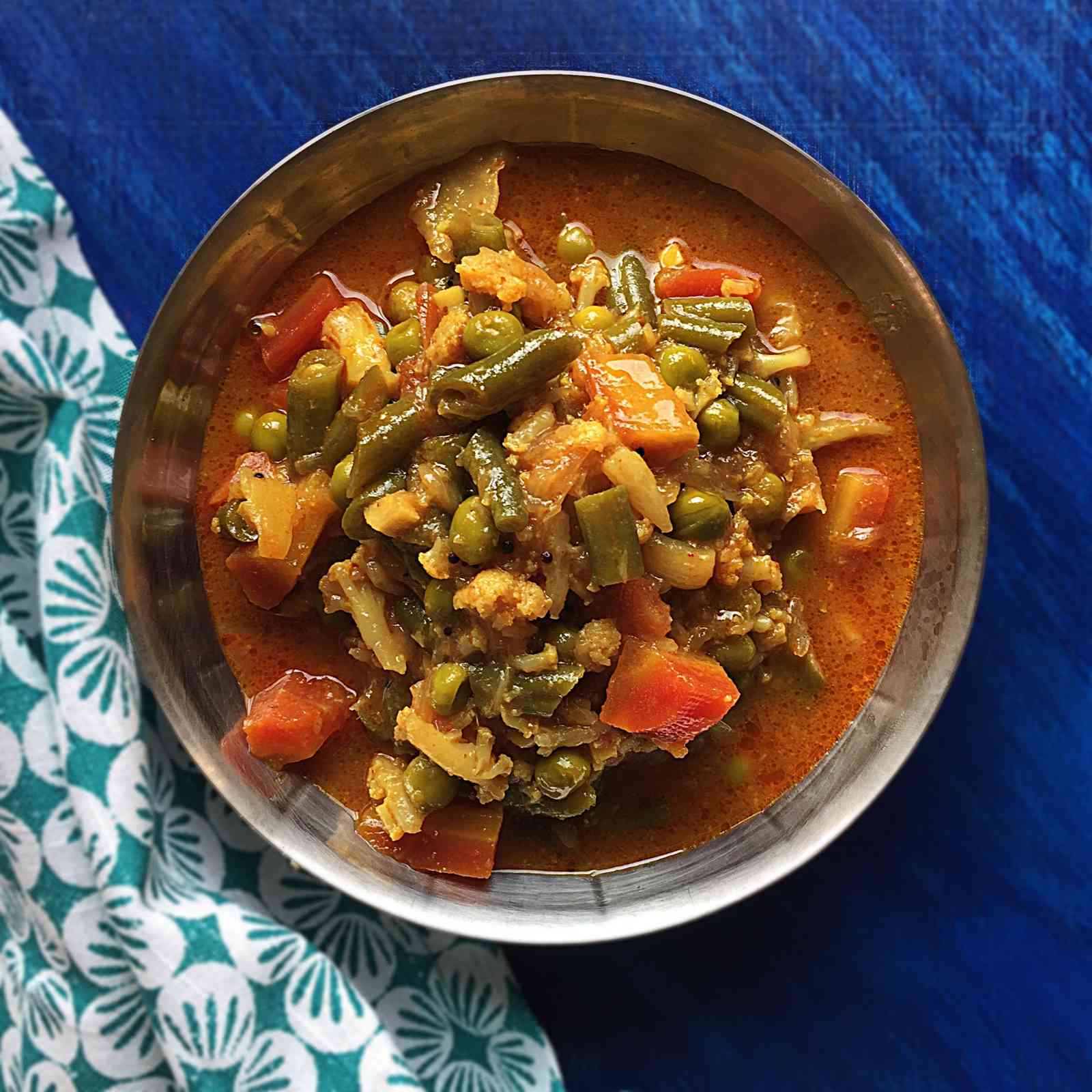
At Love With Recipes, we are committed to sharing recipes that are rooted in tradition yet adaptable to modern kitchens. This recipe for Tarkari Ni Kari is detailed to help both novice cooks and seasoned chefs achieve perfect results. From the selection of fresh vegetables to the precise spice tempering, every step is designed to maximize flavor while maintaining simplicity and healthfulness. Prepare to explore a dish that not only nourishes the body but also warms the soul through its fragrant aroma and vibrant taste.

Time
Preparation Time: 15 minutes
Cooking Time: 25 minutes
Total Time: 40 minutes
Needed Equipment
- Large mixing bowl
- Heavy-bottomed skillet or wok
- Blender or food processor
- Measuring spoons and cups
- Chef’s knife
- Cutting board
- Spatula or wooden spoon
- Grater or coconut shredder (if fresh coconut not pre-shredded)
- Small bowl for tempering spices
- Serving bowls
Tags
Vegetarian, Vegan, Gluten-Free, Indian Cuisine, Parsi Cuisine, Coconut Curry, Vegetable Curry, Healthy, Family-Friendly, Quick & Easy
Serving Size
Serves 4-6 people, approximately 1.5 cups per serving
Difficulty Level
Intermediate—requires basic chopping, blending, and tempering skills but is straightforward with clear steps.
Allergen Information
- Coconut: Contains tree nuts, which may trigger allergies in sensitive individuals.
- Tamarind: Generally safe but can cause reactions in rare cases.
- Mustard seeds: Common allergen for those with mustard allergies.
This recipe is free from dairy, making it suitable for vegans and those with lactose intolerance. It contains no gluten ingredients, suitable for gluten-free diets.
Dietary Preference
- Vegetarian
- Vegan
- Gluten-Free
- Dairy-Free
Course
Main Course / Vegetable Main
Cuisine
Parsi / Indian Coastal Cuisine
Ingredients
| Ingredient | Quantity |
|---|---|
| Mixed vegetables (carrots, beans, peas, cauliflower, etc., chopped and steamed) | 3 cups |
| Ripe tomatoes (pureed) | 2 tomatoes |
| Turmeric powder (Haldi) | 1/4 teaspoon |
| Coriander powder (Dhania) | 1/4 teaspoon |
| Red chili powder | 1/2 teaspoon |
| Sugar | 1/2 teaspoon |
| Salt | To taste |
| Fresh coconut (for ground masala paste) | 1/2 cup (grated or shredded) |
| Onion (chopped) | 1 medium |
| Green chilies | 2 |
| Garlic | 1 clove |
| Ginger (fresh, grated) | 1/2 inch piece |
| Cumin seeds (Jeera) | 1/2 teaspoon |
| Tamarind (pulp or block, soaked in warm water) | 30 grams (about 1 tablespoon tamarind paste or pulp) |
| Oil (vegetable or coconut oil) | 2 teaspoons |
| Mustard seeds (Rai/Kadugu) | 1 teaspoon |
| Dry red chili (halved) | 1 |
Instructions
1. Prepare the Masala Paste
The first step involves creating a flavorful ground paste that forms the base of Tarkari Ni Kari. Begin by gathering the fresh coconut, onion, green chilies, garlic, ginger, and cumin seeds. If you have fresh coconut, grate it finely or use shredded coconut. For convenience, pre-shredded coconut works well and saves time.
In a blender or food processor, combine the grated coconut, chopped onion, green chilies, garlic, ginger, and cumin seeds. Add a small amount of water—around 2-3 tablespoons—to facilitate blending. Blend until you achieve a smooth, thick paste with no large chunks remaining. If the mixture is too thick, add a little more water gradually, but avoid making it too watery to maintain a rich flavor.
Once blended, set this masala aside. This ground paste will infuse the curry with aromatic depth and a subtle coconut flavor, characteristic of Parsi cuisine.
2. Temper the Spices
Heat 2 teaspoons of oil in a wide, heavy-bottomed skillet or wok over medium heat. When the oil is hot but not smoking, add the mustard seeds. Allow them to crackle—this should happen within a few seconds. This crackling releases essential flavors and is a key step in Indian cooking.
Add the halved dry red chili to the oil along with the mustard seeds. Let the chili infuse the oil for about 10 seconds, then remove it if you prefer a milder flavor or leave it for a deeper, spicier taste. Be cautious not to burn the chili, as it can turn bitter.
3. Cook the Tomatoes and Spices
To the tempered oil and spices, add the pureed tomatoes. Stir well to combine and cook on low heat. The tomatoes will release their juices, and you’ll see the mixture simmer gently. Cook for about 3-4 minutes, stirring occasionally, until the tomatoes soften and the raw smell dissipates.
Now add the turmeric powder, coriander powder, red chili powder, sugar, and salt. Mix thoroughly, ensuring that the spices are evenly distributed throughout the tomato base. Continue cooking on low heat for another 3-4 minutes. This step helps develop a rich, layered flavor profile, and slightly thickens the mixture, which serves as the foundation for the curry.
4. Incorporate Vegetables and Masala Paste
Add the steamed mixed vegetables to the pan, gently folding them into the tomato-spice mixture. The vegetables should be cooked until tender but not mushy, approximately 5 minutes. This ensures they absorb the flavors without losing their texture.
Next, spoon in the prepared ground masala paste. Carefully mix everything together, coating the vegetables evenly with the aromatic spice blend. Allow the curry to simmer gently on low heat for 5-7 minutes, stirring occasionally. This step is crucial for marrying the flavors and ensuring the vegetables are infused with the coconut and spice essence.
5. Final Touches and Serving
Once the curry has thickened slightly and the flavors have melded, turn off the heat. Tarkari Ni Kari is best served hot, accompanied by steamed basmati rice or whole wheat parathas. For an authentic touch, garnish with fresh coriander leaves if desired, though traditional recipes typically do not include garnishes.
Preparation Tips
- Vegetable selection: Use seasonal vegetables for the best flavor and texture. Carrots, beans, peas, cauliflower, and potatoes are excellent choices, but feel free to customize based on availability.
- Blending: For a smoother curry, ensure the masala paste is well-blended. Use a high-speed blender if possible, especially when working with fresh coconut.
- Adjust spice levels: Modify red chili powder and green chilies according to your spice tolerance. For milder versions, reduce or omit the chili powders and chilies.
- Cooking time: Do not overcook the vegetables; they should remain vibrant and slightly firm to the bite.
Nutritional Information
| Nutrient | Per Serving (approximate) |
|---|---|
| Calories | 150 kcal |
| Protein | 4 g |
| Carbohydrates | 20 g |
| Dietary Fiber | 6 g |
| Fats | 7 g |
| Sugar | 3 g |
| Sodium | 250 mg |
Tips and Tricks
- Use fresh ingredients: Fresh vegetables and coconut significantly enhance flavor and nutritional value.
- Make ahead: Prepare the masala paste in advance and store it in the refrigerator for up to 2 days or freeze for longer storage.
- Enhance the flavor: Add a squeeze of fresh lime or lemon juice just before serving for an extra tangy kick.
- Consistency adjustments: If you prefer a thicker curry, simmer longer to reduce excess moisture. For a thinner gravy, add a splash of warm water or vegetable broth.
Add-ons
- Fresh coriander leaves for garnish
- Fried or fresh sliced onions for texture
- Boiled eggs (for non-veg options)
- Additional chopped green chilies for extra heat
- Fresh grated coconut sprinkled on top for added texture
Side Dishes
- Steamed basmati rice
- Whole wheat Lachha Paratha
- Freshly baked chapatis or naan bread
- Simple cucumber raita (for contrast)
- Pickled vegetables or mango chutney
Improvements
- Incorporate other vegetables such as bell peppers or zucchini for variation.
- Add a splash of coconut milk at the end for extra creaminess.
- Include a pinch of garam masala or amchur (dried mango powder) for additional depth.
- Use roasted cumin powder instead of seeds for a smoky flavor.
Save and Store
Allow the curry to cool completely before storing in airtight containers. It can be refrigerated for up to 3 days or frozen for up to 2 months. Reheat gently on the stovetop or microwave, adding a splash of water or coconut milk if needed to restore the desired consistency.
For best results, reheat only the portion you plan to serve to preserve freshness and flavor.
FAQ
Can I substitute fresh coconut with coconut milk?
Yes, you can replace fresh coconut with 1/2 cup of coconut milk for convenience. For a richer flavor, use full-fat coconut milk, but reduce the quantity to prevent thinning the curry excessively.
Is this dish suitable for gluten-free diets?
Absolutely. All ingredients are naturally gluten-free. Just ensure that any packaged spices or tamarind are certified gluten-free if you have celiac disease or gluten sensitivity.
Can I make this recipe spicier?
Yes, increase the amount of red chili powder or add extra green chilies. For a smoky heat, include smoked paprika or chipotle powder.
What vegetables are best for this curry?
Root vegetables like carrots, potatoes, or sweet potatoes work well, along with beans, peas, cauliflower, and zucchini. Use seasonal vegetables for the freshest taste.
Conclusion
Tarkari Ni Kari emerges as a shining example of Parsi culinary artistry—simple yet layered with flavor, wholesome, and adaptable. Its delightful combination of spiced vegetables, coconut creaminess, and tangy tamarind essence makes it a versatile dish suitable for any occasion—from everyday family dinners to festive gatherings. By incorporating fresh, quality ingredients and following the detailed steps outlined here, you can recreate this authentic Parsi vegetable curry in your own kitchen, bringing a touch of coastal Indian charm to your table.
At Love With Recipes, we hope this comprehensive guide inspires you to explore and enjoy the rich flavors of Parsi cuisine. Embrace this dish as a celebration of nature’s bounty, balanced with aromatic spices, and shared with loved ones to create memorable mealtime experiences.
References
- Parsi Cuisine: Traditional Recipes and Modern Variations – Parsi Food & Culture
- Indian Coastal Cooking: Coconut and Tamarind Recipes – Indian Food Heritage Archive