

 Introduction
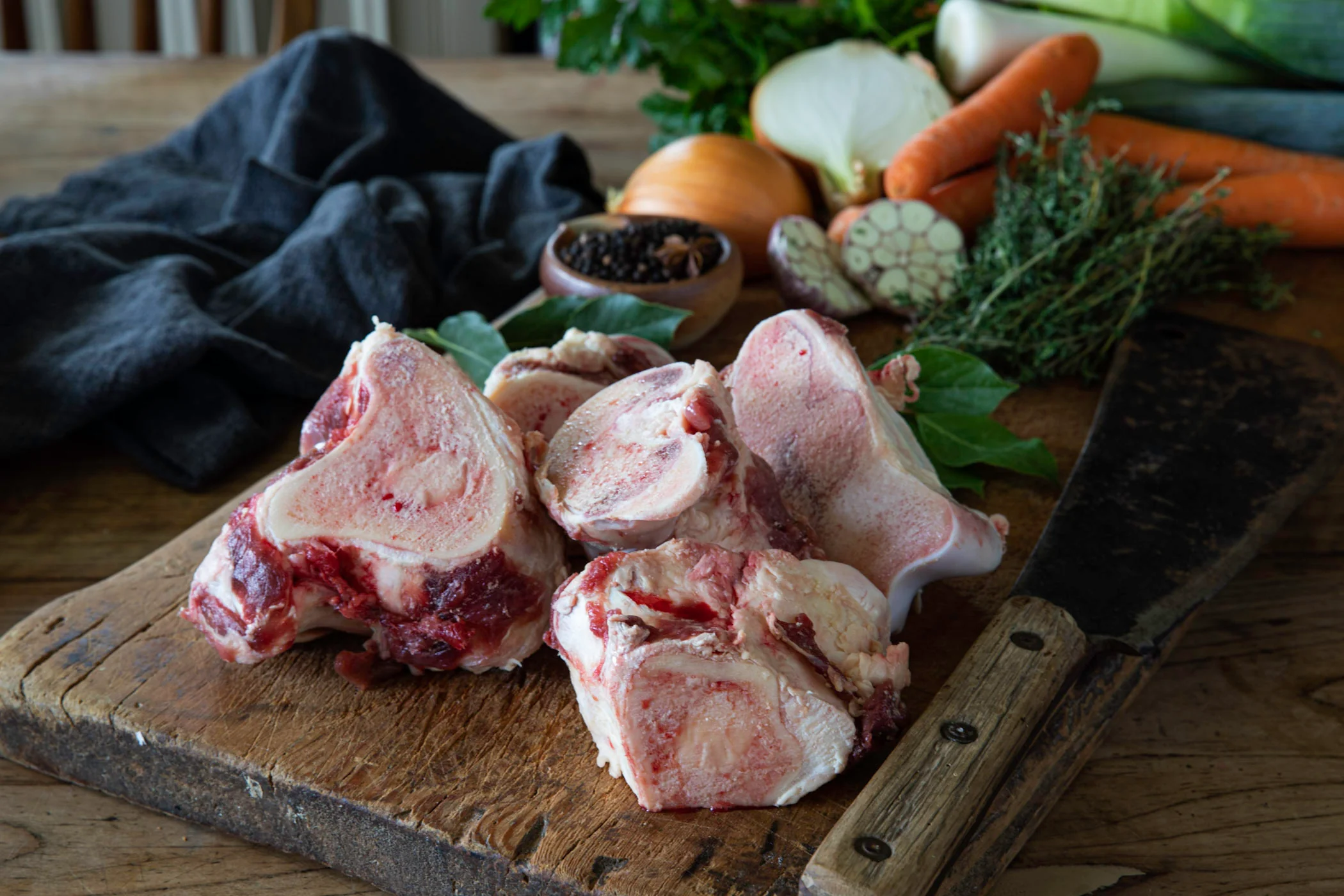
Welcome to the comprehensive guide on preparing a rich, flavorful pork stock, a foundational element in many savory dishes. At Love With Recipes, we believe that the secret to elevating your culinary creations lies in building depth and complexity through homemade stocks. This recipe is designed to yield approximately 4 to 5 cups of intensely savory pork stock, perfect for enhancing braised pork dishes, enriching sauces, or serving as a base for soups. Drawing inspiration from traditional techniques and modern adaptations, this recipe emphasizes the balance between meat, bones, and aromatics to produce a gelatinous, flavor-packed stock that elevates any dish it accompanies.
Whether you are an experienced home chef or a passionate beginner, understanding the nuances of stock-making can transform your cooking. The process involves roasting the meat and bones to develop a deeper flavor, followed by slow simmering to extract maximum richness and gelatin. While pig’s feet are traditionally used for their high collagen content, this recipe offers flexible options to accommodate ingredient availability and dietary preferences.

As you embark on this culinary journey, you’ll find that patience and attention to detail are key. The result is a luxurious, aromatic broth that can be stored easily and used across a variety of pork-centric recipes, from hearty stews to delicate sauces. The following sections provide an exhaustive exploration of every aspect of this recipe, ensuring that you can replicate and even perfect it over time, creating a staple that will elevate your home cooking to professional levels.
Time
- Preparation Time: 20 minutes
- Cooking Time: 4 to 5 hours
- Total Time: Approximately 5 hours 20 minutes
Needed Equipment
- Oven capable of reaching 450°F (232°C)
- Large shallow roasting pan or heavy-duty skillet
- Deep stockpot or large heavy-bottomed saucepan (preferably 6-8 quarts)
- Fine mesh strainer or chinois
- Large slotted spoon or tongs
- De-glazing spoon or spatula
- Measuring cups and spoons
- Kitchen thermometer (optional but helpful)
- Refrigeration container or airtight storage jars
- Chef’s knife and cutting board
- Peeler (for peeling onions if desired)
- Cooling rack or surface for cooling stock
Tags
- Homemade Stock
- Pork Recipes
- Rich Broth
- Slow Cooking
- Bone Broth
- Gluten-Free
- High Collagen
Serving Size
Approximately 4 to 5 cups of pork stock, which can be divided into several servings or used as a base for larger dishes.
Difficulty Level
Intermediate. This recipe involves roasting, simmering, and careful skimming, making it suitable for home cooks with some kitchen experience seeking to develop more complex flavor profiles.
Allergen Information
This recipe contains no common allergens; however, always check individual ingredient labels for potential allergens such as preservatives or additives in packaged bones or vegetables.
Dietary Preference
This recipe is carnivorous and rich in animal collagen. It is suitable for paleo, keto, and low-carb diets. It is not vegetarian or vegan.
Course
- Appetizer base (for soups and sauces)
- Main ingredient in braised pork dishes
- Flavor enhancer in various recipes
Cuisine
Global, with roots in traditional European, Asian, and American cooking techniques, emphasizing slow simmering and flavor extraction from pork bones and meat.
Ingredients
| Ingredient | Quantity | Notes |
|---|---|---|
| Pork | 2 1/2 pounds | Use a mix of lean meat and fat for flavor |
| Pig’s foot (optional) | 1/2 pound | For enhanced gelatin; omit if unavailable |
| Cold water | 4 cups | For roasting and initial simmering |
| Yellow onions | 4 large | Peeled and quartered |
| Celery stalks | 4 | Cut into chunks |
| Bay leaf | 1 | Fresh or dried |
| Black peppercorns | 2 tablespoons | Cracked or whole |
Instructions
Preparation Phase
Step 1: Preheat the Oven
Begin by setting your oven to 450°F (232°C). This high temperature ensures a thorough and evenly distributed heat that will develop a beautiful golden crust on the pork and pig’s foot, which is essential for building deep, caramelized flavors in your stock. Preheating the oven ahead of time guarantees that once the meat and bones are arranged, they can be roasted immediately, saving time and ensuring even coloration.
Step 2: Arrange Meat and Bones
Place the pork and pig’s foot in a shallow roasting pan or a heavy-duty skillet. It is crucial to arrange them in a single layer, avoiding piling or overcrowding, to promote uniform browning. If the pieces are too large, consider cutting the pork into smaller chunks for more even roasting. The pig’s foot, if used, should be positioned to maximize surface contact with the pan, allowing the skin and cartilage to caramelize and release their gelatinous goodness.
Step 3: Optional Pan Preheating for Searing
For an extra layer of flavor, you can preheat the roasting pan in the oven before adding the meat. This step ensures that the meat hits a hot surface immediately, encouraging Maillard reactions—those complex browning reactions that develop rich, savory flavors. Alternatively, you can proceed directly with the cold meat on a room temperature pan, but preheated pans tend to yield a more profound caramelization.
Step 4: Roast until Golden
Roast the pork and pig’s foot for approximately 30 to 40 minutes. During this period, turn or rearrange the pieces once or twice to ensure each surface becomes evenly browned. Keep an eye on the meat, avoiding burning or excessive charring, which can impart bitterness. The goal is a deep, golden-brown color that signals the development of rich flavors.
Extraction Phase
Step 5: Transfer to Stockpot
Using tongs or a slotted spoon, carefully transfer the roasted meat and bones into a deep stockpot. This step marks the transition from roasting to simmering, where the flavors will continue to develop slowly over many hours.
Step 6: Deglaze the Roasting Pan
Pour off any excess fat from the roasting pan into a heatproof container—save it for cooking or discard if undesired. Place the pan over low heat on the stove, add 1/4 cup of cold water, and use a spatula or spoon to scrape up all browned bits stuck to the bottom. This deglazing process captures concentrated flavors and nutrients from the caramelized bits, adding depth to your stock.
Step 7: Incorporate Deglazing Liquid
Taste the deglazed liquid. If it has a rich, savory flavor, add it to the stockpot. If it appears burnt or bitter, discard it to prevent spoiling the stock. This step ensures that no flavor is wasted and enhances the overall richness of your broth.
Simmering Phase
Step 8: Add Water and Aromatics
Pour 4 cups of cold water into the stockpot, ensuring that the meat, bones, and aromatics are submerged by approximately one inch. Add the peeled and quartered onions, celery chunks, bay leaf, and black peppercorns. These ingredients infuse the stock with aromatic complexity and subtle bitterness that balances the savory richness.
Step 9: Bring to a Gentle Simmer
Place the pot over medium heat and bring the mixture to a gentle simmer. Once simmering, reduce the heat to low to maintain a slow, steady simmer. During this process, a foam or scum may rise to the surface—use a fine mesh skimmer or spoon to carefully remove it. This skimming prevents cloudiness and unwanted impurities from clouding your stock, resulting in a clear, professional-looking broth.
Step 10: Long Simmer for Depth
Allow the stock to simmer uncovered for 4 to 5 hours. Regularly check and skim off any foam or excess fat that rises to the surface. During this slow simmer, collagen and gelatin from the bones and connective tissues will break down, giving your stock a rich, viscous texture. Taste periodically, adjusting the heat as needed to keep a gentle simmer. This patience is essential for extracting maximum flavor and achieving a luscious, deeply flavored broth.
Step 11: Strain and Capture Flavors
Once the simmering time is complete, carefully strain the stock through a fine mesh strainer or chinois into a large bowl or another clean pot. Leave the meat and vegetables in the strainer to continue draining, extracting every last bit of flavor. Rinse the roasting pan with a little water and pour the residual liquid into the strained stock to capture residual flavors. This ensures that nothing goes to waste.
Step 12: Cool and Store
Allow the stock to cool completely at room temperature. To preserve its flavor and prevent spoilage, refrigerate the stock with the layer of fat intact. This fat acts as a natural barrier against bacteria and oxidation, extending the stock’s shelf life. Once chilled, it will develop a gelatinous consistency that indicates high collagen content—perfect for adding body to your dishes.
Preparation Tips
- Choosing the right pork: For maximum flavor, select a mixture of pork shoulder, neck, or pork ribs along with the pig’s foot if available. The combination balances meatiness, fat, and collagen.
- Ingredient freshness: Use fresh vegetables and high-quality bones to ensure the best flavor. Organic or farm-fresh ingredients yield superior results.
- Bone preparation: For a clearer stock, blanch the bones in boiling water for 10 minutes, then rinse before roasting. This step removes impurities and improves clarity.
- Adjusting richness: If you desire a more gelatinous stock, extend the simmering time or add additional bones, such as pork knuckles or neck bones.
Nutritional Information
| Nutrient | Amount per 4-5 cups |
|---|---|
| Calories | 824.4 kcal |
| Fat Content | 56.9 g |
| Saturated Fat | 19.3 g |
| Cholesterol | 229.4 mg |
| Sodium | 580.7 mg |
| Carbohydrates | 12.9 g |
| Fiber | 0.8 g |
| Sugar | 5.8 g |
| Protein | 60.7 g |
Tips and Tricks
- For a clearer stock, avoid stirring during simmering and skimming foam regularly.
- To intensify flavor, add herbs such as thyme, parsley, or garlic during the last hour of simmering.
- For a more concentrated stock, simmer for up to 8 hours, reducing volume and intensifying flavor.
- Use a thermometer to ensure the stock stays at a gentle simmer (~185°F to 205°F) for optimal collagen extraction.
- If you prefer a vegetarian or vegan alternative, consider vegetable-based stocks with umami-rich ingredients like mushrooms and seaweed.
Add-ons
- Additional aromatics: garlic cloves, leeks, carrots, or fresh herbs such as thyme or rosemary.
- Flavor enhancers: a splash of soy sauce or fish sauce for umami depth.
- Spices: a cinnamon stick or star anise for a subtle aromatic twist.
Side Dishes
- Hearty stews made with pork stock for added richness.
- Vegetable soups that benefit from the deep flavor of homemade stock.
- Polenta or risotto cooked with pork stock for a savory base.
- Sauces and gravies that require a flavorful liquid foundation.
Improvements
- For a more gelatinous stock, add extra marrow bones or pork knuckles and extend simmering time.
- Incorporate roasted garlic or fresh herbs during the last hour for added complexity.
- Experiment with smoking the pork before roasting for a smoky flavor infusion.
- Use pressure cooking for quicker extraction while maintaining flavor richness.
Save and Store
Allow the stock to cool to room temperature before transferring it to airtight containers. Store in the refrigerator for up to 4 days, or freeze for up to 3 months. For easy portioning, freeze in ice cube trays and transfer frozen cubes to storage bags. Label with date for freshness tracking. When reheating, bring to a boil and simmer briefly to ensure safety and flavor integrity.
FAQ
Can I omit pig’s foot from this recipe?
Yes, you can omit the pig’s foot if unavailable or if you prefer a less gelatinous stock. To compensate, add extra pork bones or meat to boost flavor and body.
Can I make this stock vegetarian?
This recipe is inherently meat-based. For vegetarian alternatives, use vegetable broth with umami-rich ingredients like dried mushrooms, seaweed, and soy sauce. However, the depth and gelatin content will differ.
How do I know when the stock is ready?
The stock is ready when it has reduced to a syrupy consistency, deep in flavor, and a rich aroma. The collagen will have broken down, giving it a slightly viscous, jelly-like quality when cooled.
Can I use the stock immediately?
While you can, refrigerating and allowing the flavors to mature overnight enhances complexity. Reheat thoroughly before using in recipes.
Conclusion
Making your own pork stock is a rewarding process that yields a deeply flavored, nourishing broth capable of transforming ordinary dishes into extraordinary culinary experiences. By roasting the meat and bones, simmering patiently over hours, and skimming diligently, you create a foundation of umami and richness that elevates any pork dish. This recipe, shared by Love With Recipes, combines traditional techniques with practical adaptations, offering a versatile and essential addition to your kitchen repertoire. With time, patience, and attention to detail, you’ll master the art of stock-making, resulting in a culinary staple that enhances your cooking for years to come.
References
- Harold McGee, “On Food and Cooking: The Science and Lore of the Kitchen,” Scribner, 2004.
- Julia Child, “Mastering the Art of French Cooking,” Alfred A. Knopf, 1984.