

Introduction
Minestrone with barley is a quintessential Italian dish that embodies the warmth and richness of traditional Mediterranean cuisine. Known for its hearty texture and vibrant flavors, this soup combines an array of fresh vegetables, aromatic herbs, savory pancetta, and nutty pearl barley to create a nourishing first course that is equally comforting and wholesome. Perfect for chilly evenings or when you desire a filling yet light meal, this minestrone is a celebration of simplicity and authenticity. As featured on Love With Recipes, this recipe emphasizes quality ingredients and thoughtful preparation to bring out the best in each component, making it a standout dish in any culinary repertoire.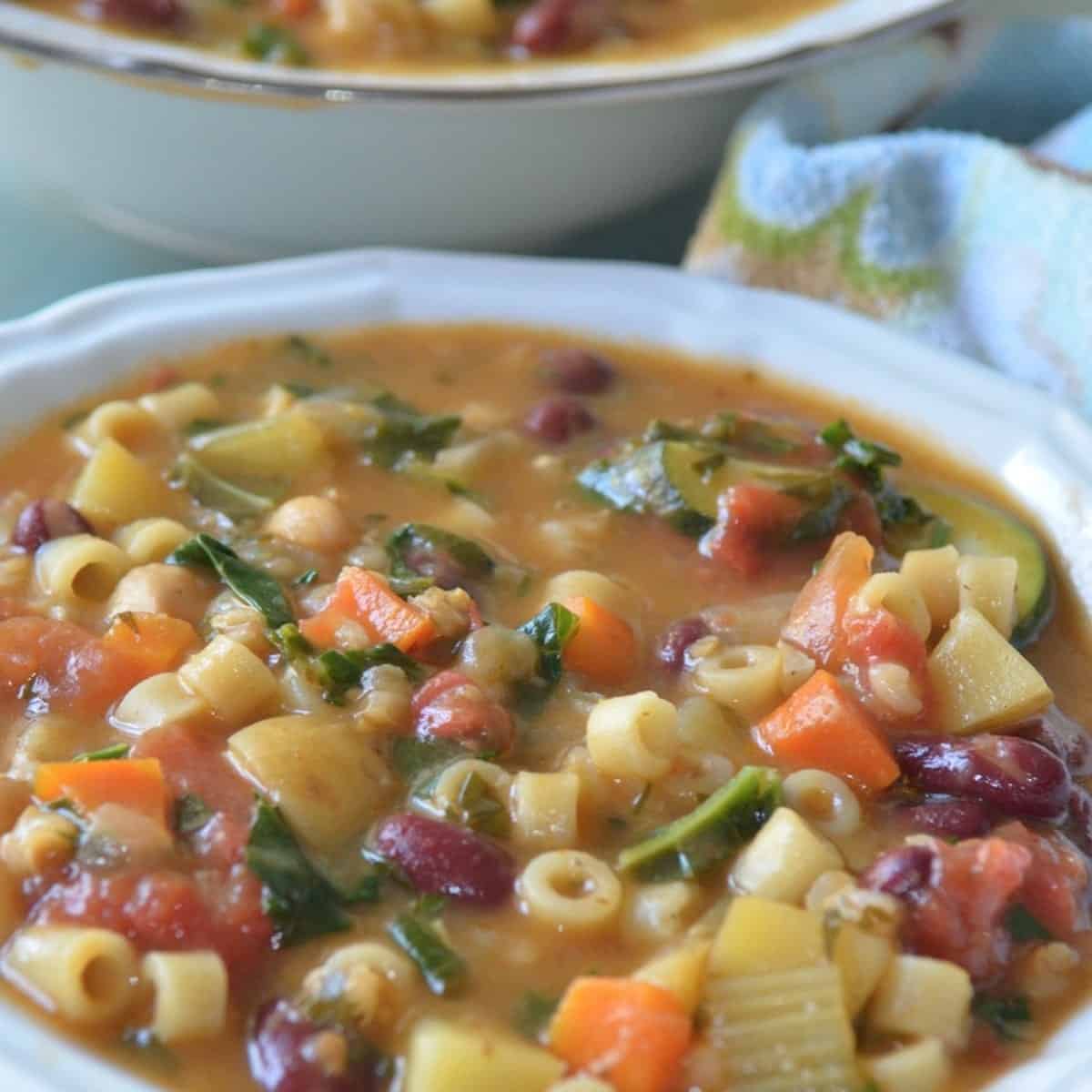
Time
Total preparation and cooking time: approximately 1 hour and 15 minutes

- Preparation Time: 20 minutes
- Cooking Time: 55 minutes
Needed Equipment
- Large Heavy-Bottomed Pot: Essential for even heat distribution and preventing sticking during simmering.
- Chef’s Knife: For peeling and dicing vegetables with precision.
- Vegetable Peeler: To peel onions, carrots, and potatoes efficiently.
- Cutting Board: A sturdy surface for chopping vegetables and herbs.
- Measuring Spoons and Cups: For accurate measurement of ingredients like olive oil, salt, and pepper.
- Colander or Fine Mesh Sieve: To rinse pearl barley thoroughly.
- Wooden Spoon or Silicone Spatula: For stirring ingredients without scratching cookware.
- Soup Ladle: For serving the finished minestrone.
- Grater: For freshly grating Grana Padano cheese.
- Storage Containers: Airtight containers for leftovers.
- Optional: Immersion Blender: For optional blending if you prefer a creamier texture, though traditional minestrone is usually chunky.
Tags
- Italian Cuisine
- Soups & Stews
- Vegetarian
- Comfort Food
- Healthy Eating
- Gluten-Free (if using gluten-free barley)
- Family-Friendly
Serving Size
This recipe yields approximately four generous servings, perfect as a starter or a light main course. Each bowl is hearty, packed with vegetables and grains, ensuring satisfaction without excess.
Difficulty Level
Intermediate—This recipe involves multiple steps, including peeling, dicing, cooking, and seasoning, but it remains accessible for home cooks with basic culinary skills.
Allergen Information
- Contains: Wheat (barley), dairy (Grana Padano cheese, butter), gluten (if using traditional barley), sulfites (pancetta).
- Possible Cross-Contamination: Check labels if using store-bought broth for gluten and allergen content.
Dietary Preference
- Suitable for omnivores.
- Vegetarian adaptation: substitute meat broth with vegetable broth and omit pancetta.
- Gluten-Free option: use gluten-free pearl barley or substitute with other grains like quinoa.
Course
Appetizer / First Course
Cuisine
Italian
Ingredients
| Ingredient | Quantity |
|---|---|
| Pearl barley | 150g |
| Carrot | 1 medium |
| Celery stalk | 1 stalk |
| Onion | 1 medium |
| Potato | 1 medium |
| Bay leaves | 2 |
| Chives | 4 sprigs, finely chopped |
| Black pepper | To taste, freshly ground |
| Fine salt | To taste |
| Butter | 40g (about 3 tbsp) |
| Extra virgin olive oil | 2 tbsp |
| Smoked pancetta | 100g, diced into small cubes |
| Meat broth | 1 liter (preferably homemade or high-quality store-bought) |
| Grana Padano DOP cheese | To taste, freshly grated |
Instructions
Step 1: Preparing the Vegetables
Begin by assembling all your vegetables and ingredients. Peel the onion, carrot, and potato using a vegetable peeler or knife, ensuring you remove any tough outer layers or skins that may detract from the soup’s texture. Wash the celery stalk thoroughly under cold running water, removing any dirt or grit that might be lodged between the fibers. Similarly, rinse the chives and pat them dry with a clean towel or paper towel to eliminate excess moisture.
Once all vegetables are cleaned, proceed to dice each into small, uniform cubes, roughly ¼ inch in size. Uniformity in size ensures even cooking and a pleasing, consistent bite. For the onion, cut in half lengthwise, then make horizontal and vertical cuts to create small diced pieces. The carrot, potato, and celery should be sliced into small cubes with a sharp chef’s knife, taking care to maintain consistent size for even cooking.
Chives, being delicate, are best chopped finely with a sharp knife or kitchen scissors. Set aside the diced vegetables and chopped herbs in separate bowls, prepared for the next steps.
Step 2: Sautéing Aromatics and Pancetta
Choose a large, heavy-bottomed pot—preferably a Dutch oven or similar vessel—to ensure even heat distribution. Place the pot on medium heat. Add the butter and allow it to melt completely, creating a rich base for the sautéed vegetables. Once melted and foamy, add the diced onion. Stir gently with a wooden spoon or silicone spatula, cooking until the onion becomes translucent, about 3-4 minutes. This process releases natural sugars, sweetening the base and enhancing flavor depth.
Next, add the diced smoked pancetta to the onion. Spread the pieces evenly across the pan. Allow the pancetta to cook gently, rendering its fat and developing a light golden color. This step takes approximately 5-7 minutes. The pancetta’s smoky aroma will infuse the oil and butter, forming the savory backbone of the soup. Stir occasionally to prevent sticking and ensure even cooking.
Step 3: Incorporating Vegetables and Developing Flavor
With the pancetta rendered and fragrant, introduce the diced carrot, celery, and potato into the pot. Stir well, ensuring each piece is coated with the fat and flavors from the pancetta and aromatics. Cook the mixture for an additional 5-7 minutes, stirring occasionally, to soften the vegetables slightly and deepen their flavors. During this stage, the vegetables will begin to release their natural moisture and aroma, creating a fragrant base for the broth.
Season lightly with salt and freshly ground black pepper to enhance the flavors. Remember, you can adjust seasoning later, so start modestly.
Step 4: Rinsing and Adding Pearl Barley
While the vegetables are cooking, rinse the pearl barley thoroughly under cold running water using a colander or fine mesh sieve. This step removes excess surface starch, preventing the soup from becoming overly thick or gloopy. Drain well and set aside.
Once rinsed, add the pearl barley to the pot. Stir thoroughly to coat the grains with the flavors of the vegetables and pancetta. This step allows the barley to absorb the aromatic oils and juices, enhancing its nutty flavor and chewy texture during cooking.
Step 5: Adding Broth and Herbs
Pour in 3-4 ladles of warm meat broth to cover the ingredients. Use a ladle or spoon to gently stir the mixture, ensuring even distribution of flavors. Add the bay leaves, which will impart a subtle earthy aroma, and stir again. This is the point where the soup begins to simmer and develop its depth of flavor.
Bring the mixture to a gentle simmer over low to medium-low heat. Cover partially with a lid to maintain a steady simmer while preventing evaporation. Cook for approximately 25-30 minutes, stirring occasionally to prevent the barley from sticking to the bottom of the pot. During this time, the barley will become tender, and the flavors will meld beautifully.
Step 6: Final Seasoning and Herb Addition
After the cooking period, taste the broth and adjust seasoning as needed. Add more salt, pepper, or broth if the soup appears too thick or concentrated. Remove the bay leaves, as they have fulfilled their purpose. Finely chop the chives and sprinkle them into the soup, stirring gently to infuse a fresh herbal aroma.
To achieve a more rustic texture, you can opt to use an immersion blender to pulse the soup lightly, leaving some chunks intact. Alternatively, serve as-is for a chunky, hearty experience.
Step 7: Serving and Garnishing
Ladle the hot minestrone into bowls, ensuring each serving contains a good proportion of vegetables, barley, and broth. Finish each bowl with a generous sprinkle of freshly grated Grana Padano cheese, which adds a salty, umami-rich note. Drizzle with a splash of high-quality extra virgin olive oil to enhance richness and flavor complexity.
Serve immediately, accompanied by crusty rustic bread or grilled crostini for an authentic Italian experience.
Preparation Tips
- Vegetable Variations: Feel free to add zucchini, green beans, peas, or leeks to diversify the texture and flavor profile. Incorporate these ingredients during the last 10-15 minutes of cooking to prevent over-softening.
- Herb Enhancements: Besides chives, fresh parsley, thyme, or basil can be added for additional aromatic layers. Add delicate herbs towards the end of cooking to preserve their freshness.
- Meat Alternatives: For a vegetarian version, substitute the meat broth with a high-quality vegetable broth and omit the pancetta. To add smoky flavor, consider smoked paprika or a dash of liquid smoke.
Nutritional Information
| Nutrient | Per Serving (approximate) |
|---|---|
| Calories | 310 kcal |
| Protein | 15 g |
| Carbohydrates | 35 g |
| Fats | 12 g |
| Fiber | 6 g |
| Sodium | 780 mg |
Tips and Tricks
- Choosing Broth: For maximum flavor, prepare homemade broth using beef or chicken bones, aromatics, and herbs. Alternatively, opt for organic, preservative-free store-bought broths.
- Barley Preparation: Soaking barley overnight can reduce cooking time and improve digestibility. Rinse thoroughly before adding to the soup.
- Flavor Boosters: Incorporate a splash of balsamic vinegar or a squeeze of lemon juice before serving to brighten flavors.
- Texture Preference: Adjust the cooking time of barley for desired tenderness. For a creamier texture, blend part of the soup lightly with an immersion blender.
- Presentation: Garnish with fresh herbs, a drizzle of olive oil, and a dusting of cheese to elevate presentation.
Add-ons and Variations
- Shredded cooked chicken or turkey for added protein.
- Crumbled crispy bacon or pancetta for extra crunch and flavor.
- Freshly toasted croutons or small garlic bread pieces for texture contrast.
- Spicy kick: Add red pepper flakes or a dash of hot sauce.
Side Dishes
- Crusty Italian bread or baguette slices.
- Simple green salad with balsamic vinaigrette.
- Grilled vegetables or antipasto platter for a complete Italian meal.
- Cheese platter featuring aged cheeses and cured meats.
Improvements and Customizations
This minestrone can be tailored to suit seasonal ingredients and personal preferences. Consider adding seasonal greens like spinach or kale during the final minutes of cooking for added nutrients. Experiment with different grains such as farro or lentils for variety. Incorporate saffron or smoked paprika to introduce subtle, sophisticated flavors. For a more substantial dish, serve with a side of polenta or toasted bread spread with tapenade.
Save and Store
Store leftovers in airtight containers in the refrigerator for up to 3 days. For longer storage, freeze in portioned containers for up to 2 months. Reheat gently on the stove over low heat, adding a splash of broth or water to restore the desired consistency. Avoid reheating multiple times to preserve flavor and texture integrity.
FAQ
Can I make this soup vegetarian?
Yes, simply replace the meat broth with a high-quality vegetable broth and omit the pancetta. For added smoky flavor, incorporate smoked paprika or liquid smoke, and consider adding roasted mushrooms for richness.
Is pearl barley gluten-free?
No, pearl barley contains gluten. For gluten-free options, consider substituting with quinoa, rice, or gluten-free grains like amaranth.
Can I use other grains instead of barley?
Absolutely. Farro, lentils, brown rice, or even small pasta shapes can be used as alternatives, each bringing a unique texture and flavor profile.
How can I make this dish vegan?
Use vegetable broth instead of meat broth, omit pancetta, and add hearty vegetables like mushrooms, zucchini, or eggplant for depth. Top with nutritional yeast or vegan cheese for added flavor.
Conclusion
Crafting a perfect bowl of minestrone with barley is both an art and a science, requiring attention to ingredient quality, technique, and seasoning. This dish exemplifies the heart of Italian comfort food—simple ingredients transformed into a symphony of flavors that nourish both body and soul. Whether served as a starter or a light main course, its richness and depth will satisfy and delight. Remember, the key lies in patience—allowing each component to develop fully and blending flavors harmoniously. As always, Love With Recipes encourages you to experiment with ingredients and make this dish your own, embracing the warmth and tradition of Italy with every spoonful.
References
- “The Silver Spoon” by The Silver Spoon Kitchen, 2005.
- “Italian Food” by Elizabeth David, 1977.