

Introduction
Kim Bap, a quintessential Korean dish, embodies the perfect harmony of textures and flavors, making it a beloved choice for both casual snacking and fulfilling lunches. Originating from Korea, this dish features seasoned, vinegared rice wrapped in nori (seaweed), filled with a variety of colorful and nutritious ingredients. Its popularity has transcended borders, inspiring countless variations tailored to personal tastes and dietary preferences. The beauty of Kim Bap lies in its versatility; you can customize fillings ranging from fresh vegetables, proteins, to even pickles, ensuring each roll is a unique culinary experience. As a dish that is easy to prepare yet visually appealing and delicious, Kim Bap is an ideal addition to your weekly meal repertoire. This comprehensive guide, curated by Love With Recipes, aims to walk you through every detail, from ingredient selection to presentation, ensuring your homemade Kim Bap achieves professional quality and authentic flavor.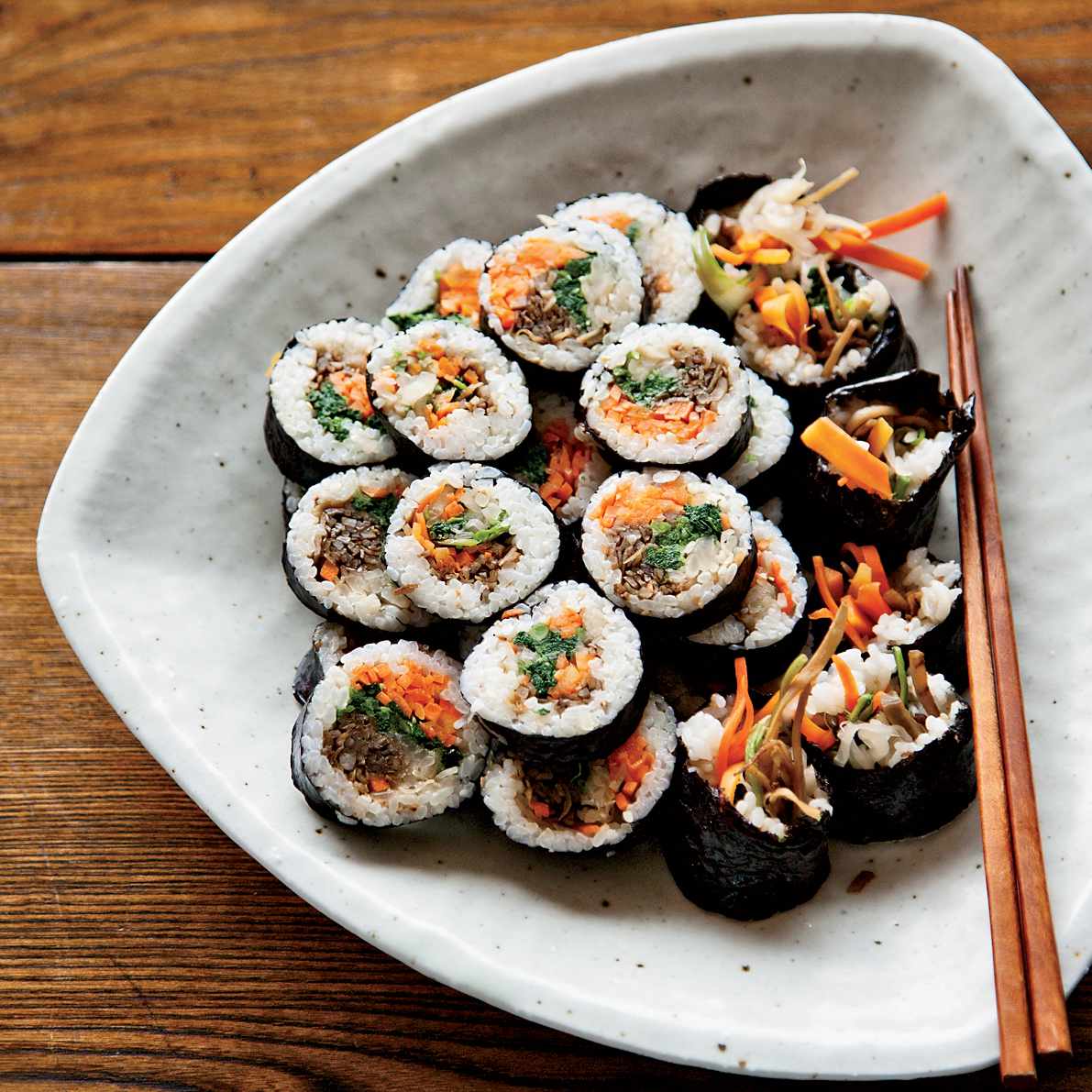

Preparation Time
Total time required: approximately 23 minutes. This includes preparation, cooking, assembling, and slicing, making it suitable for a quick lunch or snack. The precise timing may vary slightly depending on your proficiency and kitchen setup, but the steps are designed for efficiency, ensuring you can enjoy fresh, homemade Kim Bap in less than half an hour.
Needed Equipment
- Cooking pot or rice cooker: For boiling and steaming rice and vegetables.
- Mixing bowls: To prepare seasoned rice, fillings, and sauces.
- Frying pan or skillet: For cooking eggs and sautéing vegetables if needed.
- Knife and cutting board: Essential for julienning vegetables and slicing eggs and rolls.
- Measuring spoons and cups: For accurate measurement of liquids and seasonings.
- Silicone spatula or spoon: To mix rice and fillings thoroughly.
- Cloth or plastic wrap: For wrapping the bamboo mat or for handling sticky rice.
- Bamboo sushi rolling mat (optional but highly recommended): For shaping the rolls evenly.
- Sharp chef’s knife: For clean slicing of the finished rolls.
- Serving platter: To display the completed Kim Bap slices.
- Small bowls: For soy sauce, dipping sauces, and seasoning preparations.
Tags
- Korean cuisine
- Rice rolls
- Homemade sushi
- Healthy snacks
- Vegetarian options
- Quick recipes
Serving Size
Each batch yields approximately 4 servings, with each serving comprising about 4 to 6 slices of Kim Bap, depending on the thickness of each cut. The total number of slices may vary based on how tightly the rolls are packed and sliced. This makes it perfect for sharing among family and friends or for meal prep, as leftovers can be stored and enjoyed later.
Difficulty Level
Intermediate. While the process involves basic cooking and assembly skills, achieving tight, uniform rolls requires some practice. Beginners can master this with patience, and using a bamboo sushi rolling mat simplifies shaping the rolls, ensuring a professional appearance. The key is to work swiftly but carefully to prevent rice from sticking excessively to hands or the rolling surface.
Allergen Information
| Allergen | Contains |
|---|---|
| Gluten | May be present in soy sauce; use gluten-free soy sauce if necessary |
| Soy | Yes, in soy sauce and possibly in processed ingredients |
| Eggs | Yes, eggs are included in the fillings |
| Sesame | Sesame oil and seeds used in seasoning and garnish |
| Seaweed | Contains iodine and other marine compounds |
Dietary Preference
- Vegetarian: Yes, with optional protein additions
- Vegan: Possible by omitting eggs and using plant-based substitutes
- Gluten-Free: Yes, with gluten-free soy sauce
Course
Main dish, Snack, Appetizer, Light Meal
Cuisine
Korean
Ingredients
| Ingredient | Quantity | Notes |
|---|---|---|
| Cooked rice | 4 cups | Short-grain or medium-grain rice, cooked and slightly cooled |
| Rice vinegar | 1 tablespoon | For seasoning rice |
| Soy sauce | 1/2 cup | Use gluten-free if required |
| Sesame oil | 2 tablespoons | For seasoning rice and fillings |
| Carrot | 1 large | Julienned |
| Eggs | 4 large | Fried into thin omelette and sliced |
| Frozen spinach | 1 cup | Thawed and drained |
| Radishes | 10 medium | Thinly sliced for garnish |
| Sesame seeds | 1/2 cup | For sprinkling and garnish |
Instructions
Step 1: Preparing the Rice
Begin by ensuring your rice is freshly cooked and slightly cooled. Using freshly cooked rice ensures a stickier, more pliable texture, essential for shaping your Kim Bap. Transfer the hot rice to a large mixing bowl. Gently fluff the rice with a fork or rice paddle to release excess steam, then allow it to cool for 5-10 minutes. During this cooling period, the rice becomes more manageable and less sticky to handle, yet still retains enough moisture for proper adhesion.
Step 2: Season the Rice
Once the rice has cooled slightly, add 1 tablespoon of rice vinegar, 1/2 cup of soy sauce, and 2 tablespoons of sesame oil. Use a silicone spatula or wooden spoon to mix thoroughly, ensuring each grain is evenly coated with the seasoning. The vinegar adds a subtle tang, enhancing the flavor profile, while sesame oil imparts a nutty aroma characteristic of authentic Korean dishes. Mix gently to prevent the rice from becoming mushy, maintaining the ideal texture for rolling.
Step 3: Preparing the Fillings
Egg Omelette
Crack the 4 eggs into a bowl and whisk until fully combined. Heat a non-stick skillet over medium heat, lightly greased with a small amount of sesame oil or vegetable oil. Pour the beaten eggs into the pan, tilting to spread evenly. Cook until the edges are set and the surface is firm, about 2-3 minutes. Carefully flip or fold the omelette and cook for another minute. Remove from heat, place on a cutting board, and once cooled slightly, cut into thin strips that will serve as one of your main fillings.
Spinach Preparation
Thaw the frozen spinach by placing it in a colander and running under cold water or microwaving it for a few seconds. Squeeze out excess moisture thoroughly using paper towels or a clean kitchen towel. Transfer the drained spinach to a bowl, then add 1 teaspoon of sesame oil and a splash of soy sauce for seasoning. Mix well to evenly distribute flavors. This step ensures the spinach remains tender and flavorful, without excess moisture that could make the roll soggy.
Julienning Carrots and Radishes
Peel the carrots and radishes if necessary. Using a sharp julienne peeler or a mandoline slicer, cut the vegetables into thin, matchstick-like strips. Precise julienning enhances the visual appeal and ensures even distribution within the roll, creating a balanced bite with each slice.
Step 4: Assembling the Kim Bap
Preparing the Seaweed
Place a sheet of nori on a clean, flat surface or a bamboo sushi rolling mat if available. Cover about 2/3 of the seaweed sheet with seasoned rice, leaving a small border at the top edge to seal the roll later. Wet your hands with water or a mixture of water and rice vinegar to prevent sticking, and spread the rice evenly, pressing gently to create a firm layer. The rice should be thin enough to see the seaweed beneath but thick enough to hold the fillings securely.
Adding Fillings
Arrange the julienned carrots, egg strips, and seasoned spinach horizontally across the center of the rice-covered seaweed. Be generous but balanced, ensuring each ingredient is evenly distributed. Sprinkle sesame seeds over the fillings to add a nutty crunch and visual appeal. For customization, you might add cucumber strips, pickled radish, or cooked proteins like chicken or fish if desired.
Rolling the Kim Bap
Using the bamboo mat or your hands, carefully lift the end of the seaweed closest to you and begin to roll tightly over the fillings, applying gentle pressure to form a compact cylinder. Continue rolling until the seam is sealed, moistening the edge of the seaweed with a little water to help it stick. Maintain even pressure during rolling to ensure the roll is firm and shape is uniform. Once rolled, gently squeeze the roll to compact it further, ensuring the fillings stay in place during slicing.
Step 5: Slicing and Serving
Place the roll on a clean cutting board. Using a sharp chef’s knife dipped in water (to prevent sticking), slice the roll into 1/2-inch thick rounds. Clean the knife between cuts for cleaner slices. Arrange the slices neatly on a serving platter, fan out for presentation, and garnish with additional radish slices or sesame seeds if desired. Serve immediately with soy sauce, pickled ginger, or your favorite dipping sauce for an authentic experience or a modern twist.
Preparation Tips
- Work quickly but carefully to prevent rice from sticking excessively to your hands. Keeping your hands moist with water or rice vinegar helps manage stickiness.
- If you find it difficult to roll tightly, practice with smaller portions or use a bamboo mat to assist in shaping the roll evenly.
- For a more colorful presentation, consider adding thinly sliced cucumber, pickled radish, or cooked fish such as tuna or salmon.
- To ensure even slices, use a very sharp knife and wipe it clean between cuts.
Nutritional Information
| Nutrient | Per Serving (Approximate) |
|---|---|
| Calories | 329.2 kcal |
| Fat | 5.5 grams |
| Saturated Fat | 1.2 grams |
| Cholesterol | 93 mg |
| Sodium | 186.3 mg |
| Carbohydrates | 58.5 grams |
| Fiber | 3.5 grams |
| Sugar | 1.2 grams |
| Protein | 11.1 grams |
Tips and Tricks
- Use a slightly damp cloth or plastic wrap underneath the bamboo mat to prevent slipping during rolling.
- Chill the assembled rolls for 10-15 minutes before slicing for cleaner cuts and better shape maintenance.
- Experiment with fillings like marinated tofu, cooked shrimp, or cheese for variety.
- Adjust the amount of rice and fillings based on personal preference; for a leaner roll, use less rice and more vegetables.
Add-ons and Variations
- Imitation crab meat or cooked shrimp for a seafood twist.
- Pickled radish or daikon for added tang and crunch.
- Avocado slices for creaminess and healthy fats.
- Spicy mayo or sriracha for a spicy kick.
- Tofu or tempeh for vegan protein options.
Side Dishes
- Korean kimchi: Adds a spicy, fermented tang that complements Kim Bap.
- Pickled vegetables: Such as daikon or cucumber for refreshing contrast.
- Seaweed salad: Light and flavorful, pairs well with the rice rolls.
- Steamed edamame: For a protein-rich snack alongside Kim Bap.
Improvements and Variations
To elevate your Kim Bap, consider making your own seasoned rice with a touch of sugar and salt for a more authentic flavor. Incorporate additional fillings such as marinated beef, pickled vegetables, or cheese for a gourmet twist. For a healthier option, opt for brown rice or quinoa instead of white rice, increasing fiber and nutrient content. Experimenting with different seaweed types or adding sesame seeds inside the rice layer can enhance flavor and visual appeal. For a more satisfying meal, serve with a side of spicy gochujang sauce or soy-based dips.
Save and Store
Leftover Kim Bap can be stored in an airtight container in the refrigerator for up to 24 hours. To maintain freshness and prevent the seaweed from becoming soggy, wrap the rolls tightly with plastic wrap or place them in a resealable container. Before eating leftovers, allow the rolls to come to room temperature or briefly microwave to restore some of the original texture. For longer storage, the rolls can be frozen, but the texture may change slightly upon thawing. Reheat gently and consume promptly for best taste.
FAQ
Can I make Kim Bap vegan?
Yes, simply omit the eggs or substitute them with tofu scramble or colorful vegetables like bell peppers. Use plant-based fillings and ensure your seasonings are free of animal products.
What is the best rice for Kim Bap?
Short-grain or medium-grain Korean rice is ideal due to its sticky texture, which helps in shaping the rolls. Rinsing the rice thoroughly before cooking removes excess starch and results in a better consistency.
Can I prepare ingredients ahead of time?
Absolutely. Cook and season the rice, prepare fillings like eggs and spinach, and julienne vegetables in advance. Store them separately in airtight containers in the refrigerator. Assembling can be done just before serving to maintain freshness.
What alternatives can I use for seaweed?
While nori is traditional, you might experiment with rice paper or lettuce wraps for a different presentation and flavor profile. However, these alternatives may alter the authentic taste of Kim Bap.
How do I prevent rice from sticking to my hands during assembly?
Keep your hands moist with water or a mixture of water and rice vinegar to reduce sticking. Using a bamboo mat also helps shape the rolls evenly without messy fingers.
Conclusion
Homemade Kim Bap stands as a testament to Korea’s culinary ingenuity—combining simplicity, nutrition, and versatility into a portable and aesthetically pleasing dish. Its customizable nature invites endless culinary experimentation, allowing each cook to craft their perfect roll. Whether you prefer traditional fillings like seasoned spinach, eggs, and carrots, or wish to innovate with seafood, tofu, or exotic vegetables, Kim Bap provides a canvas for creativity. The process encourages precise technique, attention to detail, and a touch of artistry, resulting in a delightful dish that boasts both visual appeal and satisfying flavors. As you master the art of rolling and slicing, you’ll appreciate how this humble dish can elevate everyday meals into memorable culinary experiences. Remember, the joy of Kim Bap lies not just in the taste but also in the shared moments of making and enjoying this dish with loved ones. For more recipes, tips, and culinary inspiration, visit Love With Recipes, your trusted platform for culinary exploration.
References
- Korean Food Foundation. (2020). Traditional Korean Cuisine. Seoul: Korean Food Foundation Publishing.
- Kim, S. (2019). The Art of Korean Cooking. Seoul: Hanmi Publishing.