
Introduction
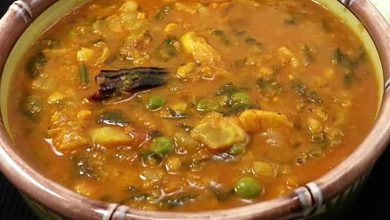
Love With Recipes, your trusted platform for delightful culinary explorations, presents a comprehensive guide to preparing the classic Indian dish, Sago Khichdi. This savory dish, celebrated for its simplicity, nutritional value, and comforting flavors, is rooted deeply in Indian culinary tradition, especially during fasting days like Navratri and Shivratri. The star ingredient, sabudana or tapioca pearls, offers a unique soft texture that, when combined with roasted peanuts, tender potatoes, and aromatic spices, creates a harmonious blend of flavors and textures that appeal to both palate and nutrition.
Sago Khichdi is not only a wholesome vegetarian meal but also an adaptable dish that can be enjoyed at any time of the day—be it breakfast, lunch, or dinner. Its ease of preparation, coupled with its ability to be customized to individual taste preferences, makes it a staple in many households. Whether you are a seasoned cook or a beginner eager to explore Indian fasting cuisine, this recipe will serve as a satisfying and nourishing addition to your culinary repertoire.

Time
Preparation Time: 20 minutes
Cooking Time: 20 minutes
Total Time: 40 minutes
Needed Equipment
- Large mixing bowl for soaking and draining sabudana
- Fine mesh strainer or colander for draining excess water from soaked pearls
- Medium-sized saucepan or pot for boiling potatoes
- Heavy-bottomed wok or frying pan for stir-frying
- Wooden spatula or cooking spoon for stirring
- Measuring cups and spoons for accurate ingredient measurement
- Knife and chopping board for preparing vegetables
- Peeler for peeling potatoes
- Grater or garlic press (optional) for garlic or other garnishes
- Serving bowls or plates for presentation
- Optional: garlic roaster or small skillet for dry roasting peanuts
Tags
Vegetarian, Vegan (if oil is plant-based), Fasting Recipe, Indian Cuisine, Quick & Easy, Nutritious, Snack, Light Meal
Serving Size
This recipe yields approximately 2 to 3 servings, making it perfect for small family meals or individual portions for meal prep. Adjust quantities proportionally for larger gatherings or meal planning.
Difficulty Level
Easy — Ideal for beginners and experienced cooks alike, this dish requires minimal culinary skills but offers maximum flavor and satisfaction. Its straightforward steps make it accessible for any home cook seeking a quick, wholesome meal.
Allergen Information
- Contains: Peanuts, Tapioca (sago)
- Potential cross-contact: Nuts, gluten (if prepared with gluten-containing ingredients or cross-contaminated utensils)
Dietary Preference
Vegetarian, Suitable for Vegan diets (if cooking oil is plant-based). Can be adapted to gluten-free diets with minimal adjustments.
Course
Main Course, Snack, Light Meal
Cuisine
Indian
Ingredients
| Ingredient | Quantity | Description / Notes |
|---|---|---|
| Sabudana (Tapioca Pearls) | 1 cup | Choose good quality, medium-sized pearls. Rinse thoroughly before soaking. |
| Raw Peanuts (Moongphali) | 1/4 cup | Roast and coarsely crush for added crunch and flavor. |
| Anardana Powder (Pomegranate Seed Powder) | 1/2 teaspoon | Optional but recommended for tangy flavor. |
| Coriander (Dhaniya) Leaves, chopped | 1 teaspoon | Freshly chopped for garnish and flavor enhancement. |
| Oil | As needed | Use neutral oil like vegetable or sunflower oil. |
| Salt | To taste (use kala namak for fasting) | Adjust according to dietary restrictions and preference. |
| Potato (Aloo), boiled, peeled, and chopped | 1 medium-sized | Ensure potatoes are cooked until tender but not mushy. |
| Tomato, finely chopped | 1 small | Fresh, ripe tomato for added moisture and flavor. |
| Lemon Juice | 1 teaspoon | Freshly squeezed for brightness. |
| Green Chilli, finely chopped | 1 small | Adjust spice level as desired. |
| Pomegranate Kernels | For garnishing | Fresh, juicy, and vibrant for color and flavor contrast. |
Instructions
Step 1: Soaking the Sabudana
Begin the preparation process by thoroughly rinsing the sabudana pearls. Place them in a large bowl and rinse under cold running water until the water runs clear. This step is crucial to remove excess starch that can cause clumping during cooking. After rinsing, soak the sabudana in enough water to cover the pearls completely. Ensure the water level is about an inch above the pearls to allow for expansion. Cover the bowl with a lid or a clean kitchen towel and let it soak for 4 to 5 hours. The soaking duration allows the pearls to absorb water and puff up, resulting in a soft, translucent texture that is ideal for stir-frying.
After the soaking period, drain the excess water using a fine mesh strainer or colander. Gently shake or tap the strainer to remove residual water. Spread the soaked sabudana on a clean towel or plate to dry slightly for a few minutes. This prevents excess moisture from causing the pearls to stick together or become overly sticky during cooking.
Step 2: Roasting the Peanuts
While the sabudana is soaking, prepare the peanuts. Heat a dry skillet or a small frying pan over medium heat. Add the raw peanuts and roast them, stirring frequently, until they develop a golden brown color and release a nutty aroma. This process usually takes about 5 to 7 minutes. Roasting enhances the flavor and crunchiness of the peanuts, giving the dish a delightful texture.
Once roasted, remove the peanuts from the pan and let them cool slightly. Coarsely crush the peanuts using a mortar and pestle or place them in a plastic bag and gently crush with a rolling pin. Set aside for later use as a crunchy garnish and flavor enhancer.
Step 3: Preparing the Vegetables
While the peanuts cool, peel the potato and cut it into small, bite-sized cubes. Boil the potatoes in a saucepan filled with water until they are tender but still hold their shape, approximately 8-10 minutes. Drain and set aside.
Finely chop the small tomato and green chili. Keep these ready for sautéing, which will add moisture, acidity, and spice to the dish. Freshness is key, so use ripe tomatoes and fresh green chilies for the best flavor.
Step 4: Stir-Frying the Dish
Heat a tablespoon of oil in a wok or large frying pan over medium heat. Once hot, add the roasted peanuts and sauté for a minute to release their aroma. Carefully add the chopped potatoes, stirring gently to coat them with the oil and peanuts. Cook for 3-4 minutes, allowing the potatoes to absorb the flavors and develop a slight golden hue.
Add the finely chopped tomatoes and green chilies. Sauté everything together for about 5-8 minutes, stirring occasionally. The tomatoes will soften, releasing their juices, and the potatoes will become tender. Season with salt (or kala namak if you are fasting) and cook until everything is well combined. This step ensures the vegetables are flavorful and infused with the spices.
Step 5: Incorporating the Sabudana
Reduce the heat to medium-low. Add the soaked and drained sabudana pearls to the pan. Gently mix all ingredients, ensuring the pearls are evenly distributed among the vegetables and peanuts. Continue stirring for 3-5 minutes, allowing the sabudana to heat through and absorb the flavors of the spices and vegetables. Be careful not to over-stir, as the pearls can become sticky or break apart if handled roughly.
Step 6: Final Seasoning and Garnish
Once the sabudana is heated through and uniformly coated with spices, turn off the heat. Squeeze fresh lemon juice over the mixture to add brightness and tanginess. Sprinkle the anardana powder over the dish, which introduces a subtle pomegranate flavor that balances the savory notes. Gently toss everything together to distribute the flavors evenly.
Garnish with freshly chopped coriander leaves and a handful of pomegranate kernels for a burst of color, texture, and taste. The pomegranate adds a sweet-tart flavor contrast that elevates the dish from ordinary to extraordinary.
Preparation Tips
- Soaking Duration: Ensure the sabudana is soaked sufficiently; under-soaked pearls will remain hard, while over-soaked ones may become mushy. Adjust soaking time based on your climate and sabudana quality.
- Drying the Pearl: After soaking, drying the pearls slightly before cooking prevents clumping and gives a better texture.
- Peanut Preparation: Roasting peanuts enhances their flavor; ensure they are cooled before crushing to avoid burns and to facilitate easier crushing.
- Vegetable Texture: Boil potatoes just until tender to prevent them from turning to mush, maintaining a good bite in the dish.
- Flavor Customization: Adjust green chili and anardana powder to suit your spice and tang preferences.
Nutritional Information
| Nutrient | Per Serving (approximate) |
|---|---|
| Calories | 200-250 kcal |
| Protein | 4-6 grams |
| Carbohydrates | 45 grams |
| Dietary Fiber | 2-3 grams |
| Fat | 8-10 grams |
| Sodium | 300-400 mg |
| Potassium | 300-400 mg |
| Vitamin C | 15-20% of Daily Value |
Tips and Tricks
- Use Fresh Ingredients: Fresh coriander and ripe tomatoes significantly enhance flavor.
- Adjust Spices: Modify the amount of green chilies and anardana powder to suit your spice tolerance and flavor profile.
- Make Ahead: Soaking sabudana overnight reduces prep time and ensures perfect texture.
- Garnish Variations: Experiment with roasted sesame seeds, grated coconut, or fresh mint for added layers of flavor and texture.
- Serving Ideas: Serve hot with cooling raita, yogurt, or a simple lemon wedge for a refreshing contrast.
Add-ons and Variations
- Incorporate chopped onions or grated ginger for additional aroma and flavor.
- Add shredded coconut for a tropical twist.
- Include diced bell peppers or carrots for extra crunch and color.
- For a spicy kick, toss in a pinch of red chili powder or chopped green chilies during sautéing.
Side Dishes
- Cooling cucumber raita or yogurt dip
- Fresh green salad with lemon dressing
- Simple vegetable stir-fry or sautéed greens
- Indian pickles for added tang and spice
Improvements
- Use soaked and dried sabudana pearls for a better texture.
- Experiment with different nuts such as cashews or almonds for variety.
- Incorporate fresh herbs like mint or basil for more aromatic depth.
- Adjust the oil quantity to cater to health preferences without compromising flavor.
Save and Store
Though best enjoyed fresh, Sago Khichdi can be stored in an airtight container in the refrigerator for up to 24 hours. Reheat gently in a microwave or on the stovetop, adding a teaspoon of water or oil to regain moisture. For longer storage, it is recommended to consume within 1-2 days to maintain optimal flavor and texture.
FAQ
Can I prepare this dish ahead of time?
Yes, soaking the sabudana overnight and preparing the dish a few hours in advance can save time. However, it is best to reheat and garnish just before serving to maintain freshness and texture.
Can I make this recipe vegan?
Absolutely. Use plant-based oil like coconut or vegetable oil, and ensure all ingredients, including garnishes, are vegan-friendly.
What if the sabudana turns sticky or clumpy?
This usually happens if the pearls are over-soaked or not dried properly before cooking. Rinse thoroughly and soak for the right duration, then drain and dry before stir-frying.
Is this dish suitable for gluten-free diets?
Yes, sabudana is naturally gluten-free. Just ensure no cross-contamination during processing.
Conclusion
Love With Recipes hopes this extensive guide helps you master the art of preparing Sago Khichdi—a dish that combines tradition, nutrition, and flavor in every bite. Perfect for fasting days, light meals, or whenever you desire a comforting, wholesome snack, this dish exemplifies the beauty of simple ingredients elevated through thoughtful preparation. Experiment with garnishes and spice levels to make it your own, and enjoy the delightful textures and flavors that make this dish a beloved favorite across Indian households. Happy cooking!
References
1. Indian Food and Cooking, by K.T. Achaya
2. The Essential Indian Cookbook, by Raghavan Iyer