

Introduction
Love With Recipes, the renowned culinary platform dedicated to bringing diverse, flavorful, and health-conscious dishes to home cooks worldwide, proudly presents an in-depth, comprehensive guide to preparing Vegetable Lo Mein with Crispy Tofu. This dish epitomizes the harmonious blend of hearty noodles, vibrant vegetables, and crispy, golden tofu, all coated in a savory, aromatic sauce that captures the essence of Chinese-American comfort food. Whether you’re a seasoned chef or a culinary novice, this recipe offers a delightful balance of technique and flavor, encouraging creativity and customization to suit your taste preferences and dietary needs. The following guide delves into the dish’s rich history, detailed ingredient breakdown, step-by-step instructions, and a wealth of tips and tricks to elevate your cooking experience. Prepare for an extensive journey into the art of stir-fry cuisine, culminating in a satisfying, nutritious, and visually stunning meal that will impress family and friends alike.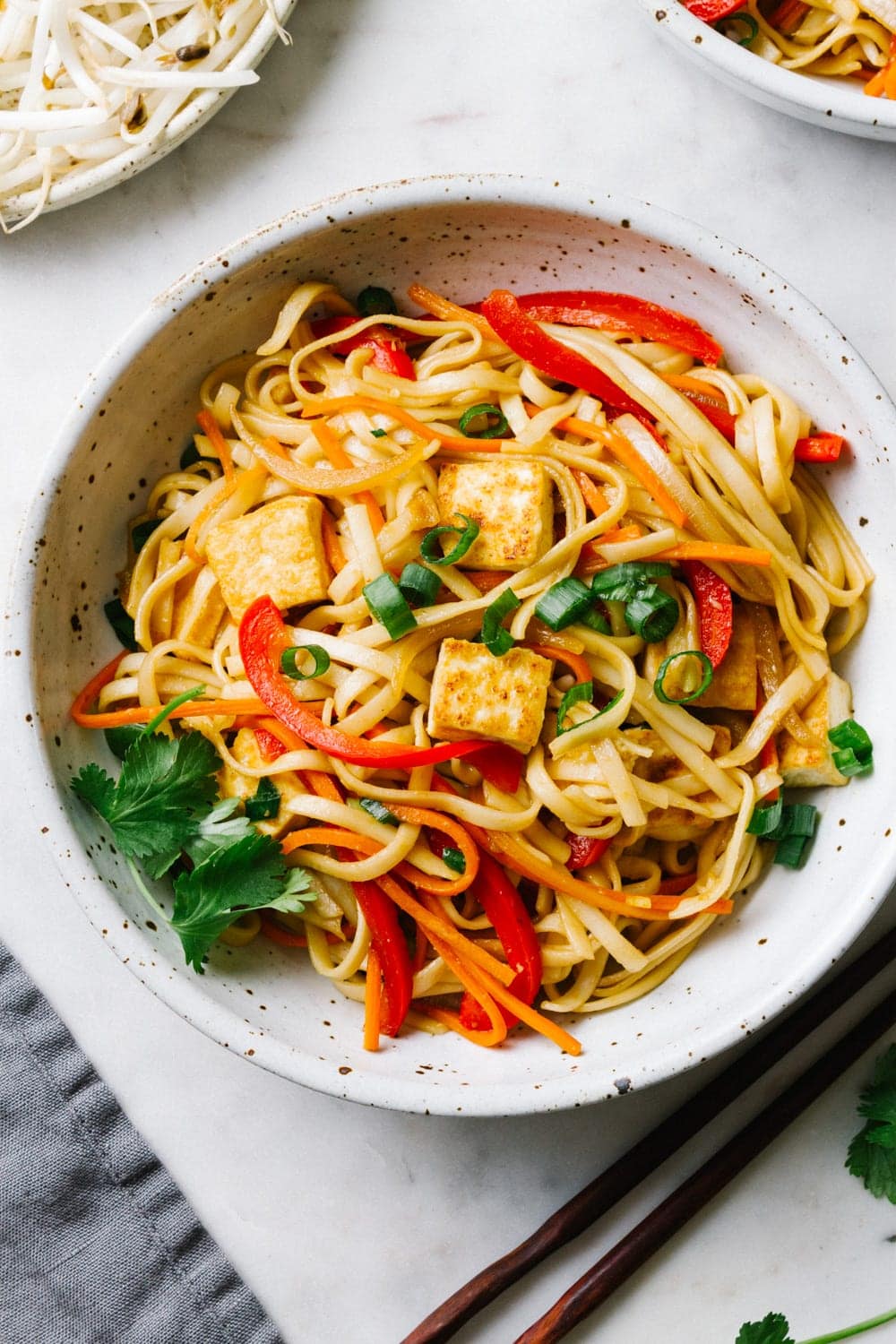
Time
Preparation and cooking for Vegetable Lo Mein with Crispy Tofu typically require approximately 30 to 40 minutes, broken down as follows:

- Tofu pressing and marinating: 10 minutes
- Vegetable preparation (washing, slicing, julienning): 10-15 minutes
- Cooking the noodles and tofu: 10 minutes
- Stir-frying and assembling: 10 minutes
Overall, plan for about 40 minutes to execute the entire process smoothly, allowing you to manage each phase without rush and ensuring optimal texture and flavor. For those with advanced prep skills or kitchen experience, some steps can be expedited or prepped ahead of time, making this dish suitable for weeknight dinners or weekend meal prep.
Needed Equipment
To achieve professional-quality results, assemble the following essential kitchen tools and equipment:
- Large pot or saucepan: For boiling noodles
- Fine-mesh strainer or colander: For draining noodles
- Cutting board: For vegetable and tofu preparation
- Sharp chef’s knife: For slicing vegetables and tofu
- Microplane or garlic press: For mincing garlic and ginger
- Measuring spoons and cups: For precise ingredient measurements
- Mixing bowls: For sauce preparation and tofu marinating
- Large wok or deep skillet: For stir-frying
- Slotted spoon or spatula: For handling tofu and vegetables
- Kitchen tongs: For tossing ingredients
- Baking sheet and parchment paper (optional): For baked crispy tofu
- Kitchen thermometer (optional): To ensure precise frying temperature
- Paper towels: For draining excess oil from tofu
- Grater or zester: For fresh ginger and optional garnishes
Investing in quality kitchen tools will streamline the cooking process and enhance the overall result, especially when aiming for evenly cooked noodles, perfectly crisp tofu, and evenly stir-fried vegetables.
Tags
Vegetarian, Vegan, Chinese Cuisine, Noodle Dish, Stir-Fry, Tofu, Healthy, Quick Meal, Family-Friendly, Dinner, Lunch, Plant-Based, Gluten-Free (if gluten-free noodles are used), Dairy-Free, Soy-Based, High-Protein, Low Cholesterol.
Serving Size
This recipe yields approximately 4 to 6 servings, depending on portion size and accompaniments. Each serving provides a balanced combination of carbohydrates, protein, and vegetables, making it suitable for a main course or complemented with additional side dishes for a larger meal.
Difficulty Level
The dish is rated as moderate in difficulty. It involves multiple steps such as tofu pressing, stir-frying, and sauce preparation, but with clear instructions and proper organization, home cooks of intermediate skill level can achieve excellent results. Beginners are encouraged to follow each step carefully, especially when handling hot oil and stir-frying techniques. The process emphasizes multitasking skills, timing, and precise ingredient handling, which can be mastered with practice.
Allergen Information
| Allergen | Present in Recipe | Notes |
|---|---|---|
| Soy | Yes | Soy sauce and hoisin sauce contain soy; use low-sodium or gluten-free soy sauce if needed. |
| Wheat | Yes | Lo mein or egg noodles contain gluten; substitute with gluten-free noodles if necessary. |
| Sesame | Yes | Sesame oil and seeds are used for flavor and garnish. |
| Garlic & Ginger | No | Allergens for some; can be omitted or substituted. |
Dietary Preference
This recipe is suitable for vegetarian and vegan diets, provided that plant-based noodles are used and animal-derived ingredients are avoided. It is also nut-free unless sesame seeds are considered a nut allergy; these can be omitted or replaced with other garnish options. The dish is inherently dairy-free and can be adapted for gluten-free diets with specific ingredient substitutions.
Course
Main Course
Cuisine
Chinese-American / Asian Fusion
Ingredients
In a detailed table, below are the ingredient quantities with notes for flexibility and sourcing:
| Ingredient | Quantity | Notes |
|---|---|---|
| Lo Mein or Egg Noodles | 8-10 ounces (about 225-280 grams) | Choose fresh or dried; for gluten-free, opt for rice noodles or gluten-free wheat noodles. |
| Firm Tofu | 14-16 ounces (about 400-450 grams) | Press to remove excess moisture; cut into 1-inch cubes. |
| Vegetables: |
|
|
| Garlic | 3-4 cloves | Minced finely or through a garlic press |
| Ginger | 1-inch piece | Grated or minced |
| Soy Sauce | 3-4 tablespoons | Use low-sodium soy sauce for less salt |
| Sesame Oil | 1 tablespoon | Use toasted sesame oil for flavor |
| Hoisin Sauce | 2 tablespoons | Sweet and savory, adds depth |
| Sugar | 1 teaspoon | Optional, balances flavors |
| Vegetable Oil | 2-3 tablespoons | For stir-frying |
| Green Onions | 2-3, chopped | For garnish |
| Sesame Seeds | 1 tablespoon | For garnish, optional |
Instructions
1. Prepare the Tofu
Begin by pressing the tofu to remove excess moisture, which is crucial for achieving that crispy exterior. To do this, remove the tofu from its packaging and drain the water. Wrap the tofu block in a clean kitchen towel or paper towels, then place a heavy object—such as a cast-iron skillet or a cookbook—on top. Let it press for at least 10 minutes. This process expels water, allowing for better browning and crispiness during cooking.
After pressing, cut the tofu into uniform 1-inch cubes, ensuring even cooking and a consistent texture. For added flavor, you can marinate the tofu in a mixture of soy sauce, a teaspoon of sesame oil, and a splash of rice vinegar for 10-15 minutes. This step infuses the tofu with flavor and enhances its crispiness.
2. Achieve Crispy Tofu
There are two primary methods for crisping tofu: pan-frying and baking. Both methods produce excellent results, but pan-frying offers a quicker, more traditional approach, while baking provides a healthier, less oily option.
Pan-Frying Method
- Heat about 2 tablespoons of vegetable oil in a large skillet or wok over medium-high heat until shimmering.
- Carefully add the tofu cubes, avoiding overcrowding. It’s best to work in batches if necessary.
- Cook for 3-4 minutes per side, turning with tongs or a slotted spoon until all sides are golden brown and crispy.
- Remove the tofu with a slotted spoon and drain on paper towels to remove excess oil.
Baking Method
- Preheat your oven to 400°F (200°C) and line a baking sheet with parchment paper.
- Spread the tofu cubes evenly on the prepared baking sheet.
- Toss with a tablespoon of oil and a pinch of salt for added flavor.
- Bake for 25-30 minutes, flipping halfway through, until golden and crispy.
- Remove from the oven and set aside.
Both methods yield crispy tofu; choose based on preference and dietary considerations.
3. Cook the Noodles
Fill a large pot with water, adding a pinch of salt, and bring to a rolling boil. Once boiling, add the noodles and cook according to package instructions, usually 8-10 minutes for lo mein or egg noodles. Stir occasionally to prevent sticking.
Once cooked, drain the noodles in a colander, then rinse with cold water to halt the cooking process and remove excess starch. Set aside to prevent sticking or clumping.
4. Prepare the Sauce
In a small mixing bowl, combine soy sauce, sesame oil, hoisin sauce, minced garlic, minced ginger, and sugar. Whisk thoroughly until the sugar dissolves completely. Adjust the taste by adding more soy sauce for saltiness, more hoisin for sweetness, or more sesame oil for richness. This sauce will provide the dish’s characteristic umami and aromatic flavor.
5. Stir-Fry the Vegetables
Heat a wok or large skillet over high heat. Once hot, add 1-2 tablespoons of vegetable oil. When shimmering, add the sliced vegetables starting with the ones that take longer to cook, such as carrots and broccoli. Stir-fry for 3-4 minutes until vegetables are tender-crisp but still vibrant and colorful.
Add garlic and ginger during the last minute of stir-frying, allowing their aromatics to infuse the dish. Keep stirring constantly to prevent burning and ensure even cooking.
6. Combine and Finish
Add the cooked noodles to the wok with vegetables. Toss gently to combine. Then, add the crispy tofu, distributing it evenly throughout the mixture. Pour the prepared sauce over the ingredients and toss everything together thoroughly to coat each component evenly.
Cook for an additional 2-3 minutes to allow flavors to meld. Taste and adjust seasoning as needed—perhaps a splash more soy sauce or a sprinkle of freshly ground pepper.
7. Serve
Transfer the vegetable lo mein with crispy tofu to serving bowls or plates. Garnish with chopped green onions and sesame seeds for added flavor and visual appeal. Serve immediately while hot for the best texture and taste.
Preparation Tips
- Batch your prep: Chop vegetables, press tofu, and prepare sauce beforehand to streamline cooking.
- Cook in high heat: Use high heat to achieve proper stir-fry texture and prevent sogginess.
- Don’t overcrowd the pan: Cook tofu and vegetables in batches if necessary to ensure crispiness and even cooking.
- Adjust flavors: Taste the sauce before adding it to ensure balanced sweetness, saltiness, and aroma.
- Use fresh ingredients: Fresh garlic, ginger, and vegetables elevate the overall flavor profile.
Nutritional Information
| Nutrient | Per Serving (approximate) |
|---|---|
| Calories | 350 – 400 kcal |
| Protein | 18 – 20 grams |
| Total Fat | 12 – 15 grams |
| Saturated Fat | 2 – 3 grams |
| Cholesterol | 0 mg |
| Sodium | 600 – 800 mg |
| Total Carbohydrates | 45 – 50 grams |
| Dietary Fiber | 3 – 4 grams |
| Sugars | 6 – 8 grams |
Tips and Tricks
- For extra crunch: Add chopped peanuts or cashews as a garnish.
- Flavor variations: Incorporate chili flakes or Sriracha for heat, or a splash of rice vinegar for tanginess.
- Make it gluten-free: Use gluten-free noodles and gluten-free tamari instead of soy sauce.
- Enhance the aroma: Toast sesame seeds lightly before garnishing.
- Meal prep: Prepare components ahead of time and assemble just before serving for freshness.
Add-ons
- Additional proteins such as tempeh or seitan for variation
- Different vegetables like mushrooms, bok choy, or baby corn
- Spicy elements like sliced chili peppers or chili oil
- Extra herbs like cilantro or Thai basil for fresh flavor
Side Dishes
- Spring rolls or egg rolls with dipping sauce
- Steamed dumplings or potstickers
- Asian-style salads with sesame dressing
- Hot and sour soup or egg drop soup
- Steamed jasmine or brown rice
Improvements
- Use homemade or high-quality store-bought sauces for richer flavor
- Experiment with different vegetables based on seasonality and availability
- Adjust the sauce ratio for sweeter or more savory profiles
- Incorporate a touch of five-spice powder or Chinese five-spice for added depth
- Try different noodles such as soba or udon for unique textures
Save and Store
Leftover vegetable lo mein with crispy tofu can be stored in an airtight container in the refrigerator for up to 3 days. To reheat, microwave in 30-second intervals or stir-fry in a hot pan for 2-3 minutes until heated through. For best texture, re-crisp the tofu in a hot skillet or oven before serving again. Avoid freezing, as noodles and vegetables may become mushy upon thawing.
FAQ
Can I make this dish vegan?
Absolutely. Use plant-based noodles and ensure the sauces are free of animal-derived ingredients. Many hoisin sauces and soy sauces are vegan-friendly, but always check labels.
Can I substitute the tofu with other proteins?
Yes, chicken, shrimp, or beef can be used if you prefer non-vegetarian options. For a plant-based alternative, tempeh, seitan, or chickpeas work well.
Is this dish gluten-free?
Only if you use gluten-free noodles and gluten-free soy sauce or tamari. Regular lo mein noodles contain gluten, so choose accordingly.
What if I don’t have a wok?
A large, deep skillet or frying pan works as a suitable substitute. The key is to have enough space for tossing and stir-frying ingredients quickly at high heat.
How can I make the dish spicier?
Add sliced chili peppers, chili paste, or a drizzle of Sriracha sauce during stir-frying or as a finishing touch.
Conclusion
Vegetable Lo Mein with Crispy Tofu stands as a testament to the versatility and richness of Chinese-inspired cuisine adapted for modern, health-conscious kitchens. The combination of tender noodles, crisp tofu, and vibrant vegetables coated in a savory sauce creates a multi-layered flavor profile that satisfies both the palate and nutritional needs. By mastering the techniques detailed here, you can craft an authentic, flavorful dish that rivals takeout favorites while allowing full control over ingredients and dietary preferences. Remember, the key to exceptional results lies in preparation, high-heat stir-frying, and balancing flavors. Share this dish with loved ones or enjoy it as a nourishing solo meal—either way, it’s bound to become a beloved staple in your culinary repertoire. For more delicious recipes and culinary insights, explore Love With Recipes, your trusted source for inspiring home cooking.