Introduction
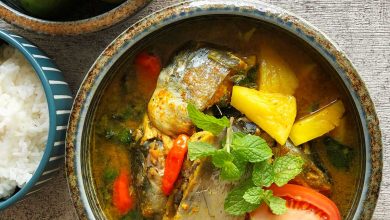
Embarking on a gastronomic journey into Asian cuisine often reveals dishes that are both simple to prepare and rich in flavor. One such culinary gem is Ikan Bawal Bun Taucio, a traditional fish dish originating from Southeast Asian culinary traditions, particularly popular in Malaysia and Singapore. This dish features the tender, flaky white pomfret fish (known locally as ikan bawal putih), which is pan-fried to crispy perfection and then coated with a savory taucio-based sauce. Taucio, a fermented soybean paste, provides a deep umami flavor that perfectly complements the delicate fish, while aromatic ingredients like garlic, ginger, shiitake mushrooms, and chili elevate the dish into a symphony of flavors.
Designed for a balanced blend of textures and tastes, Ikan Bawal Bun Taucio is a versatile dish that pairs beautifully with steamed rice, making it a hearty yet approachable meal suitable for family dinners or special occasions. This recipe, meticulously detailed and crafted with love, is published on Love With Recipes, a platform dedicated to sharing culinary delights with passionate home cooks and food enthusiasts alike. Prepare to impress your palate and your guests with this authentic, flavorful, and satisfying fish dish that embodies the rich culinary heritage of Southeast Asia.

Time
Preparation and cooking time for Ikan Bawal Bun Taucio is approximately 45 minutes, broken down as follows:
- Preparation: 20 minutes
- Cooking: 25 minutes
This timeline provides ample opportunity to prepare ingredients, cook the fish to crispy perfection, and craft the savory taucio sauce to achieve a harmonious dish bursting with flavor.
Needed Equipment
To ensure a smooth cooking process, gather the following essential kitchen tools:
- Large frying pan or wok – for frying the fish and stir-frying the sauce ingredients
- Deep-frying thermometer (optional but recommended) – to monitor oil temperature for frying
- Slotted spoon or tongs – for handling the fish during frying
- Cutting board and sharp knife – for prep work
- Mixing bowls – for soaking shiitake mushrooms, mixing cornstarch slurry
- Measuring spoons and cups – for accurate ingredient measurement
- Whisk or fork – for stirring the cornstarch slurry
- Serving platter – for presenting the finished dish
- Paper towels – for draining excess oil from fried fish
- Stirring spoon or spatula – for combining ingredients in the sauce
Tags
This recipe is best described with the following tags for easy categorization and searchability:
- Seafood
- Asian cuisine
- Traditional
- Fried fish
- Fermented soybean
- Fermentation
- Healthy
- Family-friendly
- Quick dinner
- Authentic
Serving Size
One serving of Ikan Bawal Bun Taucio is typically based on a whole fish portion, approximately 250-300 grams of fish, complemented by a generous spoonful of sauce. This recipe yields approximately four servings, making it perfect for a family meal or dinner gathering.
Difficulty Level
This recipe is classified as moderate in difficulty. It requires basic frying skills, familiarity with stir-fry techniques, and the ability to balance flavors through seasoning adjustments. Home cooks with experience in Asian cuisine or those eager to explore new flavors will find this dish engaging yet achievable.
Allergen Information
Potential allergens in this recipe include:
- Fish: White pomfret is the main ingredient.
- Soy: Taucio (fermented soybean paste) and soy sauce are used in the sauce.
- Gluten: Soy sauce may contain gluten unless gluten-free versions are used.
- Shiitake mushrooms: For those with mushroom allergies.
Substitutions with gluten-free soy sauce or tamari can make the dish suitable for gluten-sensitive individuals. Always check labels for allergens.
Dietary Preference
This dish is naturally gluten-containing due to soy sauce and fermented soybean paste. For gluten-free diets, use gluten-free soy sauce and verify taucio brand for gluten content. It is also suitable for pescatarian diets, provided no other animal products are added.
Course
This recipe is classified as a main course, served hot and enjoyed as the centerpiece of a meal.
Cuisine
Authentic Southeast Asian cuisine, with influences from Malaysian, Singaporean, and Indonesian culinary traditions.
Ingredients
| Ingredient | Quantity | Notes |
|---|---|---|
| White pomfret fish (ikan bawal putih) | 1 whole fish (about 250-300g) | Cleaned and gutted |
| Garlic, finely chopped | 2 cloves | Fresh garlic for aroma |
| Ginger, thinly sliced | To taste (about 1-2 cm slices) | Fresh ginger for warmth and flavor |
| Dried shiitake mushrooms, soaked in hot water | 1 cup (rehydrated) | Soak for at least 30 minutes |
| Green onions, chopped (1 cm pieces) | 2 stalks | For garnish and flavor |
| Salted taucio (fermented soybean paste) | 1 teaspoon | Adjust to taste for saltiness |
| Large red chili, sliced thinly | 1 piece | Adjust for spice preference |
| Soy sauce | To taste (about 1-2 tablespoons) | Use low-sodium if preferred |
| Pepper | To taste | Freshly ground black pepper recommended |
| Flavor enhancer (e.g., MSG or mushroom powder) | To taste | Optional, for deeper flavor |
| Cornstarch mixed with cold water | As needed | For thickening the sauce |
| Oil for frying | Enough to submerge the fish | Vegetable or canola oil preferred |
Instructions
Step 1: Prepare the Fish
Begin by thoroughly cleaning the white pomfret fish. Rinse the fish under cold running water, ensuring all scales are scraped off with a fish scaler or the back of a knife. Remove the entrails carefully, making an incision along the belly if necessary, and wash the cavity thoroughly to eliminate any residual blood or impurities. Pat dry with paper towels to ensure the fish is dry, which promotes crispiness during frying.
Next, season the fish lightly with salt, both inside the cavity and on the skin, to enhance flavor and assist in browning. Set aside while you prepare the frying station.
Step 2: Fry the Fish
Heat a deep-frying pan or wok with sufficient oil to fully submerge the fish. Use medium heat to gradually bring the oil to temperature. To check if the oil is ready, insert a small piece of bread or a wooden chopstick; if bubbles form immediately, the oil is hot enough.
Carefully lower the fish into the hot oil, using tongs or a slotted spoon to prevent splattering. Fry for approximately 5-7 minutes on each side, or until the skin is golden brown and crispy. Flip the fish gently to ensure even cooking. Once cooked, transfer the fish onto paper towels to absorb excess oil. The crispy exterior paired with tender flesh is essential for the authentic texture of this dish.
Step 3: Prepare the Aromatic Ingredients
While the fish is frying, rehydrate the dried shiitake mushrooms by soaking them in hot water for at least 30 minutes. Once softened, drain and slice them into thin strips or leave whole, depending on preference. Reserve the soaking water for potential use in the sauce if desired.
Chop the garlic finely and slice the ginger into thin strips. Slice the red chili thinly to distribute evenly in the sauce. Chop the green onions into 1 cm pieces, setting aside for garnishing later.
Step 4: Cook the Aromatics and Mushrooms
In a wok or large skillet, heat approximately 1 tablespoon of oil over medium heat. Once shimmering, add the chopped garlic and sliced ginger. Sauté for about 30 seconds, stirring constantly to release their fragrance without burning. Add the sliced chili and shiitake mushrooms, continuing to stir-fry for 2-3 minutes until fragrant and heated through.
Step 5: Create the Taucio Sauce Base
Deglaze the wok with a small splash of water or the mushroom soaking water to loosen any browned bits. Add the salted taucio and soy sauce, stirring to dissolve and incorporate into the aromatics. Season with pepper and a flavor enhancer, if using, to deepen the umami profile. Taste the sauce and adjust seasoning as needed, aiming for a balanced savory flavor.
Step 6: Thicken the Sauce
In a separate small bowl, prepare a cornstarch slurry by mixing 1 tablespoon of cornstarch with 2 tablespoons of cold water. Gradually pour this into the sauce, stirring continuously to avoid lumps. Continue cooking until the sauce thickens to a slightly viscous consistency, enough to cling to the fish without becoming gloopy.
Step 7: Combine Fish and Sauce
Carefully transfer the fried fish into the wok with the sauce. Using a spatula or tongs, gently turn the fish to coat it evenly with the sauce. Allow it to cook for an additional minute, enabling the flavors to meld and the fish to absorb some of the sauce’s richness.
Step 8: Serve and Garnish
Transfer the coated fish onto a serving platter. Garnish with chopped green onions for color and freshness. Serve hot, ideally accompanied by steamed jasmine rice or your favorite side dishes. The sauce can be spooned over rice or served on the side for dipping.
Preparation Tips
- Fish handling: Ensure the fish is thoroughly cleaned and patted dry to achieve a crispy exterior and tender interior.
- Frying technique: Maintain a consistent oil temperature to prevent sogginess or burning. Do not overcrowd the pan, as this can lower the oil temperature.
- Sauce balance: Adjust the taucio and soy sauce levels according to your taste preference, especially if you prefer a saltier or milder sauce.
- Flavor layering: Consider adding a dash of sesame oil or a splash of rice wine for additional depth.
- Vegetable variations: For added crunch and nutrition, include bell peppers, bok choy, or snap peas in the stir-fry stage.
Nutritional Information
| Nutrient | Amount per Serving | Notes |
|---|---|---|
| Calories | Approximately 320 kcal | Based on a standard serving with rice |
| Protein | 30 grams | High-quality fish protein |
| Carbohydrates | 18 grams | Primarily from mushrooms and sauce ingredients |
| Fat | 15 grams | Includes healthy fats from frying and fish |
| Sodium | 600 mg | From taucio and soy sauce; adjust with low-sodium options |
| Fiber | 1 gram | From shiitake mushrooms and green onions |
Tips and Tricks
- Use fresh fish: Freshness is key to achieving the best texture and flavor. If fresh fish isn’t available, frozen can be used, but ensure it’s properly thawed and patted dry.
- Maintain oil temperature: Consistent oil temperature during frying ensures crispy skin and prevents oil absorption.
- Control spice level: Adjust the amount of chili according to your heat tolerance, adding more for spicier flavor or less for milder taste.
- Flavor depth: Incorporate a splash of oyster sauce or a pinch of sugar to balance the savory flavors, if desired.
- Presentation: Serve the fish whole or filleted, depending on preference, and garnish generously with fresh green onions for visual appeal.
Add-ons
- Additional vegetables such as bok choy, snow peas, or sliced bell peppers can be stir-fried alongside the aromatics for a more substantial dish.
- A drizzle of sesame oil just before serving adds a fragrant finishing touch.
- Top with a sprinkle of toasted sesame seeds for extra texture and flavor.
- Serve with a side of pickled vegetables or a light soup for a complete meal.
Side Dishes
- Steamed jasmine rice or Thai fragrant rice
- Stir-fried vegetables with garlic
- Simple clear soup with vegetables or tofu
- Fresh Asian-style salad with lime dressing
- Pickled vegetables for a tangy contrast
Improvements
- Enhance umami flavor by adding a dash of fish sauce or anchovy paste to the sauce.
- Use a different fish such as tilapia or snapper for variation in flavor and texture.
- For a healthier version, bake or air-fry the fish instead of deep frying.
- Incorporate seasonal vegetables to adapt the dish to different times of the year.
- Add a splash of coconut milk to the sauce for a richer, creamier texture.
Save and Store
If you have leftovers, store the fish and sauce separately in airtight containers in the refrigerator. Consume within 1-2 days for optimal freshness. To reheat, gently warm in a skillet over medium heat or in the microwave, avoiding overheating to preserve texture. Note that reheated fried fish may lose some crispiness, so consider crisping it up again in a hot oven or air fryer if desired.
FAQ
Can I use fresh taucio or fermented soybean paste?
Yes, fresh or artisanal taucio can be used. Adjust the amount based on the strength of the paste, starting with a teaspoon and adding more to taste. Store any unused paste in an airtight container in the refrigerator.
Is this dish suitable for gluten-free diets?
Traditional soy sauce contains gluten; use gluten-free soy sauce or tamari for a gluten-free version. Check labels carefully, and opt for gluten-free taucio if available.
Can I bake the fish instead of frying?
Yes, for a healthier approach, lightly brush the fish with oil and bake at 200°C (400°F) for approximately 15-20 minutes, depending on size. The fish may not have the same crispy skin, but it remains tender and flavorful.
What are some good substitutions for shiitake mushrooms?
Button mushrooms, portobello, or dried porcini rehydrated can be used as alternatives. Freshness and flavor intensity may vary, so adjust seasoning accordingly.
Conclusion
In essence, Ikan Bawal Bun Taucio epitomizes the harmony of simple ingredients and bold flavors characteristic of Southeast Asian cooking. Its combination of crispy fish, savory fermented soybean sauce, and aromatic spices creates a memorable dish that embodies comfort and authenticity. Perfectly suited for sharing with loved ones or elevating your weekly dinner repertoire, this dish invites home cooks to explore the depth of umami and the art of balancing textures. As you master this recipe, you can adapt and personalize it with your preferred ingredients and seasonings, making it a versatile addition to your culinary collection. Remember, practice makes perfect—so don’t hesitate to experiment and refine this dish to your taste. Happy cooking from Love With Recipes!
References
1. “Southeast Asian Fish Recipes,” Asian Food Network, 2022.
2. “Fermented Soybean Pastes and Their Culinary Uses,” Journal of Asian Culinary Arts, 2021.