

Introduction
In the heart of Southern culinary traditions lies the humble yet profoundly flavorful dish of collards cooked Southern style. This recipe is a testament to generations of cooks who have perfected the art of transforming simple greens into a soul-satisfying masterpiece. As a vibrant green vegetable, collard greens have been a staple in Southern households for centuries, symbolizing comfort, community, and heritage. Their rich, earthy flavor develops beautifully when slow-cooked with smoky, savory ingredients like ham hocks, creating a dish that is both nourishing and deeply flavorful.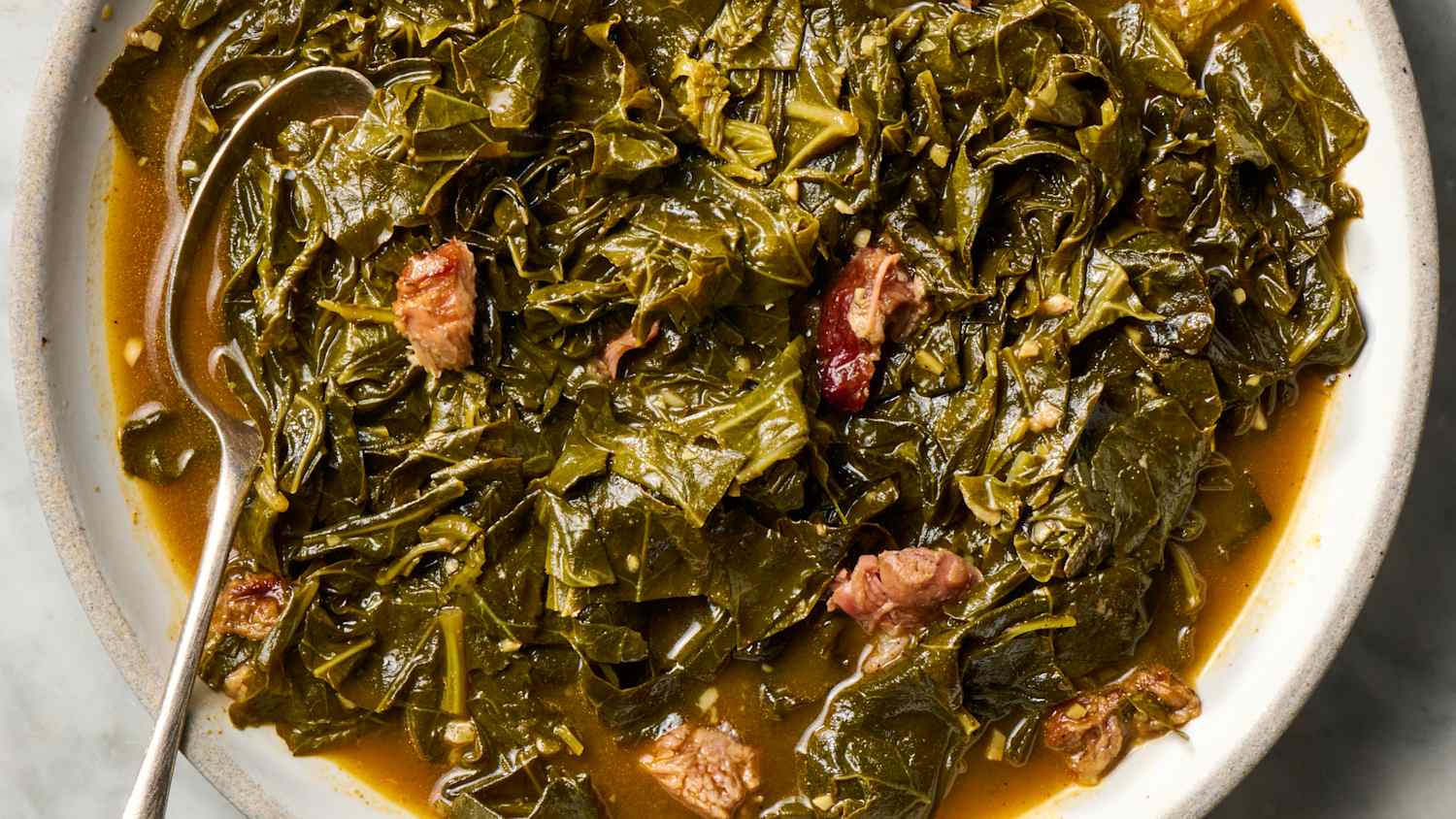
This comprehensive guide, curated by Love With Recipes, delves into every aspect of preparing authentic collards Southern style. From the selection of ingredients to detailed cooking techniques, preparation tips, and nutritional insights, this article aims to elevate your cooking experience and ensure your dish turns out perfectly every time. Whether you’re a seasoned Southern cook or a curious food lover, this recipe offers a window into a culinary tradition that celebrates patience, flavor layering, and family bonds.

Time
Prep Time: 20 minutes
Cook Time: 5 hours
Total Time: approximately 5 hours 20 minutes
Needed Equipment
- Large stockpot or heavy-bottomed Dutch oven
- Sharp chef’s knife
- Cutting board
- Measuring spoons
- Kitchen tongs or slotted spoon
- Strainer or colander for washing greens
- Optional: Tongs or large spoon for serving
Tags
- Greens
- Vegetable
- Southern Cuisine
- Comfort Food
- Slow Cooking
- Family Recipe
- Traditional
Serving Size
Serves approximately 6-8 people, making it ideal for family dinners, gatherings, or meal prep for the week. This recipe can be easily scaled up or down depending on your needs.
Difficulty Level
Moderate. While the steps are straightforward, achieving the perfect tenderness and flavor requires patience and attention to detail, especially during the slow simmering process.
Allergen Information
This dish contains no common allergens by default. However, if you choose to add optional ingredients such as onions or turnips, be mindful of potential allergies. Always check your ingredients for cross-contamination if cooking for those with severe allergies.
Dietary Preference
- Gluten-Free: Yes
- Vegan: Not naturally, due to ham hock (can be modified)
- Vegetarian: Not naturally, due to ham hock (can be modified)
- Keto: Yes, if served without carb-heavy sides
- Low Carb: Yes
Course
Mainly served as a side dish but hearty enough to stand on its own as a vegetarian or vegan main if modified.
Cuisine
Southern / American Soul Food
Ingredients
| Ingredient | Quantity | Notes |
|---|---|---|
| Meaty ham hock | 1 piece (about 1-1.5 pounds) | Provides smoky, savory flavor |
| Salt | to taste | Adjust based on saltiness of ham hock |
| Pepper | to taste | Freshly ground preferred |
| Water | enough to cover ingredients (~8-10 cups) | Adjust during cooking as needed |
| Collard greens | 2 bunches (about 1.5 pounds) | Fresh, vibrant, and firm |
| Optional: chopped onions | 1 medium onion | For added depth |
| Optional: turnips | 1 cup, chopped | For sweetness and texture |
| Optional: mustard greens or spinach | 1 cup, chopped | To add variety and flavor |
Instructions
Step 1: Prepare the Broth with Ham Hock
Begin by selecting a sturdy, heavy-bottomed stockpot or Dutch oven capable of holding a good amount of liquid and ingredients comfortably. Place the pot on the stove over medium-high heat. Fill it with enough water—about 8 to 10 cups—to fully submerge the ham hock and greens during cooking. Once the water reaches a rolling boil, add the meaty ham hock. This cut is essential for imparting authentic smoky, savory flavors characteristic of Southern collards. Season the water with a generous pinch of salt and freshly ground black pepper to enhance the flavor base.
Allow the water to boil gently, then reduce the heat to low to maintain a simmer. Cover the pot slightly ajar to prevent excessive evaporation but still allow some steam to escape. Simmer the ham hock for at least 2 hours, turning occasionally to ensure even cooking and flavor infusion. During this time, the meat will become tender, and the flavors will meld into the broth, creating a rich, smoky base for your greens.
Periodically check the water level, adding more hot water if necessary to keep the ingredients submerged. The goal is to achieve a deep, flavorful broth that will serve as the foundation for your collards.
Step 2: Prepare the Collard Greens
While the broth is simmering, turn your attention to preparing the greens. Choose fresh, firm collard greens with vibrant green leaves. Using a sharp chef’s knife, trim off the tough stems at the center of each leaf. These stems are fibrous and not suitable for slow cooking, so removing them ensures a tender, melt-in-the-mouth texture after cooking.
Next, wash the greens thoroughly under cold running water. Collard greens tend to harbor dirt and grit, especially near the stems, so it’s crucial to rinse them well. Fill a large basin or sink with cold water, submerge the leaves, and agitate gently to dislodge any soil or debris. Lift the greens out of the water and drain. Repeat as necessary until the greens are clean.
Step 3: Chop the Greens into Ribbons
Lay several washed collard leaves flat on your cutting board. Roll them tightly into a cigar-like shape. Using your sharp knife, slice the rolled greens crosswise into thin strips—these are called ribbons. This slicing technique helps the greens cook evenly and quickly while maintaining their integrity and flavor. Continue until all the greens are sliced, then set aside.
If you prefer smaller pieces or a different texture, you can chop the greens into bite-sized pieces instead. The ribbon method is traditional and creates a lovely presentation, but the choice ultimately depends on personal preference.
Step 4: Add the Greens to the Broth
Once the ham hock has simmered sufficiently, and the broth is rich and flavorful, gradually add the chopped collard greens to the pot. Start with a handful of greens, pushing them down into the liquid with tongs or a large spoon. Continue adding greens in batches until all are incorporated. The greens will initially fill the pot, but they will wilt and shrink as they cook, creating space for more greens to be added.
Cover the pot with a lid, turn the heat down to low, and let the greens simmer gently. The slow cooking process is essential to break down the fibrous stems and develop the greens’ tender, flavorful profile. Stir occasionally to prevent sticking and ensure even cooking.
Step 5: Slow Simmer and Flavor Development
Allow the collards to cook slowly for approximately 4 to 5 hours. This long, gentle simmer is the secret to the traditional Southern flavor and tenderness. During this time, periodically check the water level, adding hot water as needed to keep the greens submerged. The slow cook breaks down the tough fibers, allowing the greens to become luxuriously tender and infused with smoky, savory flavors from the ham hock.
Season the greens with additional salt and pepper during cooking, tasting periodically. Be cautious with salt, as the ham hock adds saltiness, and you can always adjust later. If you desire a more complex flavor, consider adding optional ingredients during the last hour of cooking, such as chopped onions or turnips.
Step 6: Optional Enhancements for Depth of Flavor
For a richer, more layered flavor profile, you can incorporate optional ingredients. Chopped onions add sweetness and aroma, while turnips contribute a subtle earthiness. Mustard greens or spinach can be mixed in towards the end of cooking for variety and a different texture. These additions should be chopped into small pieces and added during the final hour of simmering to preserve their flavors and textures.
Another traditional tip involves adding pecans towards the end of cooking. Not only do they introduce a delightful crunch, but they also help neutralize any strong odors from the greens. Toasted pecans can be sprinkled on top just before serving for an added layer of flavor and texture.
Step 7: Serve and Enjoy
Once the greens are tender, and the flavors are well melded, it’s time to serve. Use tongs or a slotted spoon to transfer the greens and ham hock to a serving dish. For presentation, you can remove the ham hock, shred the meat, and stir it back into the greens for extra richness.
Serve hot as a standalone dish or alongside classic Southern favorites like cornbread, fried chicken, or sweet potatoes. The dish pairs beautifully with hot sauce or vinegar-based condiments to add a tangy accent. The slow-cooked collards are a perfect embodiment of Southern hospitality—rich, comforting, and full of soul.
Preparation Tips
- Choose fresh, vibrant greens for the best flavor and texture.
- Remove tough stems thoroughly to ensure tenderness.
- Use a heavy-bottomed pot to prevent scorching during long cooking times.
- Simmer slowly for maximum flavor extraction and tenderness.
- Adjust salt and seasoning gradually, tasting throughout the cooking process.
- Add optional ingredients in the last hour for optimal flavor preservation.
- If you prefer slightly firmer greens, reduce cooking time slightly; for melt-in-your-mouth tenderness, allow the full 5 hours.
- Consider adding a splash of vinegar or hot sauce when serving to brighten the flavors.
Nutritional Information
| Nutrient | Per Serving (approximate) |
|---|---|
| Calories | 150-200 kcal |
| Protein | 10g |
| Carbohydrates | 15g |
| Dietary Fiber | 7g |
| Fat | 8g |
| Saturated Fat | 3g |
| Sodium | approximately 700mg (variable based on added salt and ham hock) |
Note: Nutritional values are estimates and can vary based on exact ingredients and portion sizes.
Tips and Tricks
- For a smoky flavor, consider adding smoked paprika or a dash of liquid smoke during cooking.
- To reduce saltiness, rinse the ham hock and discard excess fat if possible.
- If you prefer a milder taste, reduce the cooking time or add more water to dilute the flavors slightly.
- Leftover greens reheat well; store in an airtight container in the refrigerator for up to 3 days.
- For a vegetarian version, substitute the ham hock with smoked tofu or liquid smoke for a similar smoky flavor.
Add-ons
- Toasted pecans or walnuts sprinkled on top for crunch.
- Hot sauce or vinegar-based dressings for added tang.
- Fresh chopped onions or scallions as garnish.
- Crumbled bacon or smoked sausage for extra smokiness.
Side Dishes
- Cornbread – classic Southern accompaniment.
- Fried chicken or baked chicken breasts.
- Sweet potato casserole or mashed sweet potatoes.
- Homemade cornbread or hush puppies.
- Collard greens can also be served alongside black-eyed peas or other Southern staples.
Improvements
- Using smoked turkey leg or smoked sausage instead of ham hock for a different smoky flavor.
- Incorporating a splash of apple cider vinegar or lemon juice at the end to brighten flavors.
- Add a pinch of red pepper flakes for subtle heat.
- Slow cooking in a smoker or with a smoke box for an authentic smoky aroma.
Save and Store
Allow leftovers to cool completely before transferring to an airtight container. Store in the refrigerator for up to 3 days. For longer storage, freeze in freezer-safe bags or containers for up to 2 months. To reheat, gently simmer on the stovetop or microwave until heated through. For best results, reheat slowly to preserve tenderness and flavor.
FAQ
Can I make this vegetarian?
Yes. Replace the ham hock with smoked tofu, liquid smoke, or omit entirely. Use vegetable broth instead of water for added flavor. Add smoked spices for a smoky taste without meat.
How long should I cook the collards?
The ideal cooking time is approximately 4 to 5 hours on low heat. This ensures the greens are tender and flavors meld. Shortening cooking time results in firmer greens, while longer will make them melt-in-your-mouth tender.
Can I add vinegar or hot sauce during cooking?
It’s best to add vinegar or hot sauce towards the end of cooking or at serving. This preserves their brightness and prevents overpowering the dish.
What are some variations of this recipe?
You can swap ham hock for smoked sausage, turkey leg, or vegetarian alternatives. Incorporate other greens like mustard greens or spinach for different textures and flavors.
Conclusion
This Collards Southern Style recipe embodies the soul of Southern cooking—slow, patient, and full of flavor. The long simmering process ensures tender, flavorful greens infused with smoky richness from the ham hock. It’s a dish that connects generations, celebrates tradition, and fills the home with irresistible aroma. Whether served as a side or a main, this recipe promises comfort and authenticity in every bite. Remember, patience is key, and the slow-cooked magic will reward you with a dish that’s both simple and extraordinary. Celebrate your culinary heritage by bringing this soulful dish to your table, and enjoy the warm, inviting flavors of the South, courtesy of Love With Recipes.