Introduction
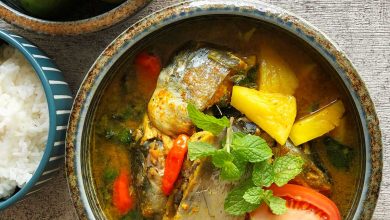
Embarking on a culinary adventure into Indonesian cuisine often reveals a vibrant tapestry of flavors that are both bold and nuanced. Among these delights, Tongkol Pecak Sambel Korek stands out as a quintessential dish that captures the essence of Indonesia’s love for spicy, savory, and aromatic foods. This dish features tender, crispy fried tongkol fish—similar to tuna—paired with a fiery sambal korek that elevates the entire sensory experience. The combination of crispy textures, pungent garlic, fiery chilies, and aromatic seasonings creates a symphony of flavors that are both comforting and invigorating. As a dish that embodies the rich culinary heritage of Indonesia, Tongkol Pecak Sambel Korek is perfect for those who crave a spicy, savory meal with depth and authenticity, making it an excellent choice to serve at family gatherings, casual dinners, or even special occasions. This recipe, shared through Love With Recipes, offers a comprehensive guide to preparing this flavorful Indonesian classic, ensuring you can recreate its vibrant taste in your own kitchen with ease and confidence.

Time
The total preparation and cooking time for Tongkol Pecak Sambel Korek is approximately 40 to 50 minutes. This includes about 15 minutes for preparation, 10 minutes for frying the fish, and another 15 to 20 minutes for preparing and assembling the sambal korek. The overall time can vary depending on your familiarity with Indonesian cooking techniques and the availability of ingredients. For optimal freshness and flavor, it is recommended to prepare this dish shortly before serving.
Needed Equipment
- Large frying pan or wok — essential for frying the tongkol fish and sautéing chilies and garlic.
- Mortar and pestle — traditional tool for grinding the sambal ingredients, which enhances the flavor.
- Food processor (optional) — an alternative to mortar and pestle for blending the sambal paste quickly and smoothly.
- Sharp knife — for cleaning and cutting the fish into manageable pieces.
- Cutting board — sturdy surface for preparing the fish and chilies.
- Slotted spoon or spatula — for turning and removing the fried fish.
- Paper towels — to drain excess oil from fried fish, ensuring crispiness.
- Measuring spoons — for precise measurement of salt and oil.
- Serving plates — to present the finished dish attractively.
- Small bowl — for mixing and holding the sambal paste before serving.
Tags
- Indonesian cuisine
- Spicy dishes
- Seafood recipes
- Fried fish
- Traditional Indonesian food
- Authentic recipes
- Fiery sambal
Serving Size
This recipe yields approximately 4 servings, with 2 pieces of fried tongkol fish per plate, generously topped with sambal korek. Adjust the quantities accordingly if serving more or fewer people, keeping in mind that the intensity of flavors and the balance of spice can be tailored to individual preferences.
Difficulty Level
Intermediate. While the steps involved are straightforward, achieving the perfect balance of crispy fish and fiery sambal requires attention to detail, especially in frying and grinding the chili paste. Familiarity with basic frying techniques and handling hot oil will facilitate a smooth cooking process. For beginners, practicing the frying process and controlling the heat can ensure crispy results and prevent burning the sambal ingredients.
Allergen Information
| Allergen | Present |
|---|---|
| Fish | Yes (Tongkol fish) |
| Garlic | Yes (used in sambal and frying) |
| Chilies | Yes (Red Bird’s Eye Chilies) |
| Oils | Yes (Cooking oil) |
| Salt | Yes (used for seasoning) |
Note: Always check ingredient labels if using pre-packaged products, and adjust ingredients if cooking for individuals with allergies or sensitivities.
Dietary Preference
- Gluten-free: Yes (assuming no soy sauce or gluten-containing products are used)
- Pescatarian: Yes
- Low-carb: Yes (if served without rice or with low-carb side dishes)
- Vegan or Vegetarian: Not suitable, as it contains fish and garlic
Course
Main course — a hearty, flavorful dish perfect for lunch or dinner that showcases Indonesian culinary artistry.
Cuisine
Indonesian — a vibrant and diverse cuisine known for its bold flavors, aromatic spices, and rich culinary traditions.
Ingredients
| Ingredient | Quantity |
|---|---|
| Fresh Tongkol Fish | 1 whole (approximately 600-800 grams), cleaned and cut into manageable pieces |
| Red Bird’s Eye Chilies | 20 pieces (adjust according to desired spice level) |
| Garlic Cloves | 4 cloves, peeled |
| Salt | To taste (start with about 1 teaspoon, adjust as needed) |
| Cooking Oil | As needed for frying and sautéing (preferably vegetable or palm oil for authentic flavor) |
Instructions
Preparation of the Fish
Begin by preparing the tongkol fish. Ensure the fish is thoroughly cleaned—remove any scales, guts, and gills if present. Rinse the fish under cold running water and pat dry with paper towels. Cut the fish into manageable pieces, typically about 3-4 inches in length, depending on the size of the fish. This not only makes frying more manageable but also ensures even cooking. Season the fish lightly with salt if desired, which enhances flavor and helps achieve a crispy crust during frying.
Frying the Tongkol Fish
Heat a generous amount of cooking oil in a deep frying pan or wok over medium heat. The oil temperature should reach approximately 350°F (175°C) for optimal frying. To test if the oil is ready, you can drop a small piece of bread or a bit of batter—if it sizzles and rises to the surface quickly, the oil is hot enough.
Carefully place the fish pieces into the hot oil, taking care to avoid splattering. Fry the fish in batches if necessary to prevent overcrowding, which can lower the oil temperature and result in less crispy fish. Cook the fish for about 4-5 minutes per side, or until golden brown and crispy. Use a slotted spoon or tongs to turn the fish gently, ensuring even browning. The fish should be cooked through with opaque flesh.
Once fried, transfer the fish to a plate lined with paper towels to drain excess oil. This step is crucial for maintaining crispiness and preventing an overly greasy dish. Set aside while preparing the sambal korek.
Preparing the Sambal Korek
In the same pan, carefully remove excess oil, leaving about 1-2 tablespoons behind. Add the red bird’s eye chilies and garlic cloves to the pan. Fry the chilies and garlic over medium heat, stirring constantly to prevent burning, until they soften and release a fragrant aroma. This process usually takes about 2-3 minutes. Be cautious, as the chilies can splatter; using a splatter guard is recommended.
Using a mortar and pestle, grind the fried chilies and garlic into a coarse paste. If a mortar and pestle are unavailable, a food processor can be used, but avoid over-processing—aim for a textured paste rather than a smooth sauce. Add salt gradually, tasting as you go, until the flavor is balanced and seasoned to your preference.
Once the paste is ready, pour the remaining hot oil from the pan over it. This step enhances the flavor, creates a glossy appearance, and helps to mellow the rawness of garlic and chilies. Mix thoroughly to incorporate the oil into the sambal paste, creating a vibrant, fiery condiment.
Assembly and Serving
Arrange the fried tongkol fish on a serving platter. Generously spoon the sambal korek over the fish, ensuring each piece is well coated with the spicy, aromatic sauce. The heat from the sambal will slightly soften the crispy exterior of the fish, creating a delightful contrast in textures.
For an authentic Indonesian experience, serve the Tongkol Pecak Sambel Korek with steaming hot rice—preferably jasmine or pandan rice—to soak up the fiery sambal and complement the savory fish. Garnishes such as sliced cucumbers, lime wedges, or fresh herbs like cilantro can add freshness and balance to the dish.
Preparation Tips
- Fish selection: Fresh tongkol or similar tuna-like fish yields the best flavor and texture. Ensure the fish is properly cleaned, scaled, and gutted for optimal results.
- Spice level: Adjust the number of chilies based on your heat tolerance. Red Bird’s Eye Chilies are very spicy; start with fewer if unsure and add more gradually.
- Frying oil: Use a neutral oil like vegetable, canola, or palm oil for authentic flavor and high smoke point. Maintain consistent oil temperature for crispy results.
- Grinding the sambal: The texture of the sambal korek significantly influences the dish’s character. A coarse grind offers a rustic, authentic feel, while a smooth paste provides a different sensory experience.
- Serving: Serve immediately after assembly for optimal crispiness and freshness. The dish can be reheated, but the texture may soften slightly.
Nutritional Information
| Nutrient | Per Serving (Approximate) |
|---|---|
| Calories | Varies by portion, approximately 250-350 kcal |
| Protein | Approximately 20-25 grams |
| Carbohydrates | Approximately 5-10 grams |
| Fat | Approximately 15-20 grams |
| Fiber | 1-2 grams |
| Sodium | Varies depending on salt used, approximately 300-500 mg |
Note: Exact nutritional values depend on specific ingredient brands, portion sizes, and cooking methods.
Tips and Tricks
- Adjust spice levels: For milder flavor, reduce the number of chilies or remove seeds, which contain most of the heat.
- Enhance flavor: Adding a splash of lime juice or a dash of palm sugar can balance the heat and add complexity.
- Crispy fish maintenance: Serve immediately after frying for the crispiest texture. To keep the fish crispy longer, place on a wire rack instead of stacking on paper towels.
- Alternative garnishes: Top with sliced shallots, chopped peanuts, or fried shallot for added crunch and flavor.
Add-ons
- Fried shallots for extra crunch
- Fresh herbs such as cilantro or basil
- Sliced cucumber or pickled vegetables for contrast
- Boiled eggs for added protein
- Additional sambal varieties for more heat
Side Dishes
- Steamed jasmine rice or pandan rice
- Indonesian vegetable salads (Urap or Gado-Gado)
- Fried tempeh or tofu for extra protein
- Spicy sambal goreng vegetables
- Pickled vegetables (acar)
Improvements
- Experiment with different types of chilies to find your preferred heat level and flavor profile.
- Add a touch of lemongrass or lime zest to the sambal for citrusy brightness.
- Try grilling the fish instead of frying for a smoky flavor.
- Incorporate shredded coconut or toasted peanuts into the sambal for added texture.
- Use fresh herbs like Thai basil or mint in the sambal for a fragrant twist.
Save and Store
If you have leftovers, store the fried fish and sambal separately in airtight containers in the refrigerator. The fish can be kept for up to 1 day, but note that it may lose some crispiness upon reheating. Reheat in an oven at 350°F (175°C) for 8-10 minutes or in a skillet over medium heat to regain crispiness. The sambal korek can be stored in a sealed jar in the refrigerator for up to 3 days. Reheat gently before serving, adding a splash of hot oil if necessary to revive its flavor and texture.
FAQ
Can I use canned fish instead of fresh?
While fresh tongkol fish provides the best flavor and texture, you can use high-quality canned tuna in oil as a convenient alternative. Drain excess oil and gently reheat before serving. Keep in mind that canned fish may lack the crispy texture achieved through frying fresh fish.
Can I make the sambal korek in advance?
Yes, the sambal korek can be prepared ahead of time and stored in the refrigerator for up to 3 days. The flavors will meld further, enhancing the spiciness and aroma. Reheat gently before serving.
Is this dish suitable for gluten-free diets?
Yes, provided you use gluten-free cooking oil and avoid adding soy sauce or other gluten-containing ingredients. Always check labels for processed ingredients.
What are some vegetarian alternatives?
Replace the fish with fried tempeh, tofu, or eggplant slices. Use the same sambal korek for a spicy, savory flavor profile.
Conclusion
Tongkol Pecak Sambel Korek Ala Neng Tika exemplifies the rich, fiery, and aromatic qualities of Indonesian cuisine. The combination of crispy fried fish and pungent, spicy sambal creates a dish that is both satisfying and memorable. Whether enjoyed as a main course with rice or as part of a larger Indonesian feast, this dish offers a delightful balance of textures and flavors that will impress both novice cooks and seasoned food lovers alike. Embrace the vibrant spirit of Indonesia in your kitchen by mastering this authentic recipe, and enjoy the entrancing heat and savory depths that make this dish truly exceptional. Remember, the key lies in fresh ingredients, proper frying techniques, and balancing the spice. Share this culinary gem from Love With Recipes with friends and family, and explore the diverse flavors of Indonesian cuisine together.
References
- Indonesian Food & Cooking by Suryanto (2012)
- Authentic Indonesian Recipes by Linda Haynes (2018)