

 Introduction
In the diverse world of Indian cuisine, South Indian breakfast dishes hold a special place for their rich flavors, nutritional benefits, and cultural significance. Among these, the traditional Avarekalu Kadubu stands out as a fascinating and wholesome delicacy originating from North Karnataka. This dish, also known as Hyacinth Beans Steamed Dumplings, is a delightful marriage of earthy hyacinth beans, fragrant rice rava, and aromatic spices, all steamed to perfection. It offers a hearty, nutritious start to your day, packed with plant-based protein, fiber, calcium, and iron. As a vegetarian, you will appreciate its wholesome goodness, and as a foodie, you’ll love its unique texture and flavor profile.
Love With Recipes, a trusted platform dedicated to sharing authentic and innovative recipes, brings this detailed guide to help you master the art of preparing Avarekalu Kadubu at home. Whether you’re a seasoned cook or a beginner, this comprehensive recipe ensures success, flavor, and nutritional excellence in every bite.

Time
Preparation Time
Approximately 15 minutes. This includes roasting the rice rava, boiling the hyacinth beans, chopping spices, and assembling the ingredients.
Cooking Time
Approximately 10 minutes. This encompasses steaming the kadubu until they are firm and fully cooked.
Total Time
Roughly 25 minutes from start to finish, making it a quick yet satisfying breakfast or snack option.
Needed Equipment
- Non-stick or stainless steel kadai (frying pan)
- Large mixing bowls
- Steamer (idli steamer or any steaming setup)
- Ladle for stirring and transferring
- Measuring cups and spoons
- Small bowl for boiling water
- Slotted spoon or spoon for handling hot dumplings
- Grater or knife for chopping green chilies and curry leaves
- Cooking spoon or spatula
- Plate or tray for shaping the dumplings
- Kitchen towel or cloth for handling hot items
Tags
Healthy, Vegetarian, Indian Breakfast, Steamed Dumplings, Karnataka Cuisine, Traditional Recipe, Nutritious, Plant-Based Protein, Fiber-Rich, Easy to Make, Kid-Friendly
Serving Size
This recipe yields approximately 12 to 15 small kadubu, suitable for 4-6 servings depending on portion size. It can be scaled up or down based on the number of diners.
Difficulty Level
Intermediate. While the process is straightforward, attention to detail in roasting, boiling, and steaming ensures perfect texture and flavor.
Allergen Information
- Contains rice (gluten-free if rice is uncontaminated)
- Contains hyacinth beans (legumes)
- May contain traces of cross-contamination with nuts or other allergens in shared kitchen equipment
Dietary Preference
Vegetarian, Vegan (if no dairy or animal-based ingredients are added). This dish is inherently plant-based and free from dairy and eggs.
Course
Breakfast, Snack, Appetizer
Cuisine
Karnataka, South Indian
Ingredients in Tables
| Ingredient | Quantity | Notes |
|---|---|---|
| Rice Rava (Semolina or Cream of Rice) | 1 cup | Preferably fine variety, dry roasted for flavor |
| Hyacinth Beans (Avarekalu / Lilva Beans) | 1/2 cup | Boiled and drained, skin removed if desired |
| Green Chillies | 2-3, finely chopped | Adjust according to spice preference |
| Curry Leaves | 1 sprig, finely chopped | Fresh for aroma and flavor |
| Cumin Seeds (Jeera) | 1 teaspoon | Roasted lightly for enhanced flavor |
| Salt | To taste | Use Himalayan pink salt or regular salt depending on preference |
| Water | Approximately 1/2 cup, lukewarm | Use boiling water or the water from boiling hyacinth beans for extra flavor |
Instructions
Step 1: Roast the Rice Rava
Begin by placing a dry kadai or frying pan over medium heat. Once heated, add the rice rava gradually, spreading it evenly across the pan. Stir continuously using a spatula or a wooden spoon to prevent burning or uneven roasting. Roast the rice rava for about 5 minutes, or until it emits a fragrant aroma and turns a slightly darker shade. This step enhances the flavor and improves the texture of the dumplings. Once roasted, transfer the rice rava into a clean bowl and set aside to cool slightly.
Step 2: Boil the Hyacinth Beans
While the rice rava is roasting, prepare the hyacinth beans. In a saucepan, add the hyacinth beans along with enough water to submerge them completely. Add a pinch of salt to the water to season the beans during boiling. Bring the water to a rolling boil over medium-high heat. Let the beans cook for about 10 minutes or until they are tender but still hold their shape. Be cautious not to overcook, as mushy beans can affect the texture of the kadubu. Drain the beans using a slotted spoon or colander and rinse under cold water to stop the cooking process. Optionally, peel the beans if you prefer a smoother texture, but this is not mandatory. Set aside to cool.
Step 3: Prepare the Steamer
Fill the base of your idli steamer or large steaming vessel with water, ensuring it does not touch the steaming tray or basket. Place the steamer on medium heat and bring the water to a gentle boil. Proper steaming temperature is crucial for evenly cooked kadubu. Check that the water is boiling before proceeding to the next step.
Step 4: Mix the Ingredients
In a large mixing bowl, combine the dry roasted rice rava, cooled hyacinth beans, chopped green chilies, curry leaves, and cumin seeds. Mix thoroughly to distribute all ingredients evenly. Add salt to taste. For added flavor, you can also include a pinch of asafoetida or other preferred spices, but traditional recipes focus on minimal seasoning to highlight the beans and rice rava’s natural flavors.
Step 5: Form the Mixture
Gradually pour approximately 1/2 cup of lukewarm water into the mixture, preferably using the water from boiling the hyacinth beans for an extra layer of flavor. Stir gently with a spoon or spatula to incorporate the water evenly. The mixture should turn crumbly but remain pliable enough to hold shape when pressed. If it feels too dry, add a little more water, one tablespoon at a time, until the desired consistency is achieved.
Step 6: Shape the Kadubu Dumplings
Take small portions of the mixture, roughly the size of a large lemon or a golf ball. Roll each portion between your palms to form smooth, round dumplings. Do not press too hard, as the mixture can crumble if too dry. The shape should resemble small balls with a slight flattening if desired. Repeat this process until all the mixture is used up. If you prefer, you can also shape them into traditional kadubu molds or small cups, but hand-formed dumplings are authentic and easier to make.
Step 7: Steam the Kadubu
Carefully place the shaped kadubu into the steaming tray or basket, leaving some space between each to allow for expansion. Cover the steamer with a lid to trap the steam inside. Steam over medium-high heat for about 8 minutes. The dumplings are ready when they turn firm and a slight sheen appears on their surface. To check doneness, insert a toothpick or skewer into a kadubu; if it comes out clean, they are fully cooked. Use a slotted spoon to gently remove the kadubu from the steamer and transfer to a serving plate.
Step 8: Serve and Enjoy
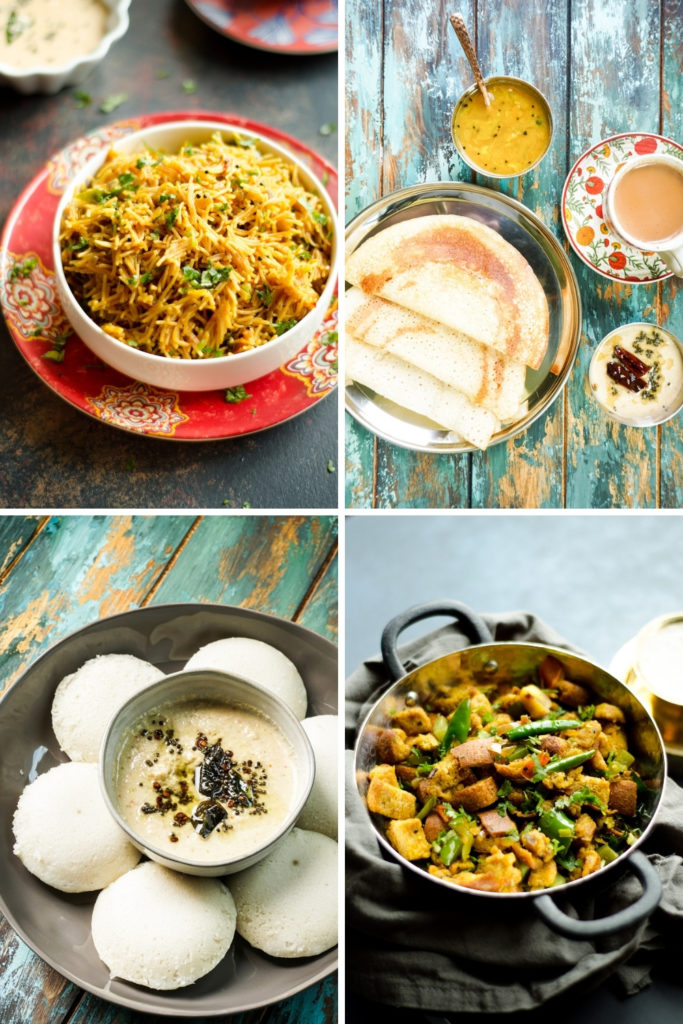
Serve the hot Avarekalu Kadubu immediately with a side of fresh South Indian Coconut Chutney and a steaming cup of South Indian Filter Coffee for an authentic experience. The dumplings can also be enjoyed as a snack or packed for picnics, school, or work. Their soft, spongy texture combined with the spicy, nutty flavor makes them a beloved dish across Karnataka.
Preparation Tips
- Roasting rice rava: Keep stirring to prevent burning. Remove from heat once fragrant and slightly darker.
- Boiling hyacinth beans: Do not overcook; they should be tender but retain their shape to provide the desired bite.
- Consistency of mixture: It should be crumbly yet hold shape; adjust water accordingly.
- Steaming: Ensure water is boiling before placing dumplings to avoid sogginess.
- Serving: Best enjoyed hot with coconut chutney and coffee for a complete South Indian breakfast experience.
Nutritional Information in Tables
| Component | Per Serving (Approx.) | Details |
|---|---|---|
| Calories | 150-180 kcal | Dependent on portion size and specific ingredients used |
| Protein | 6-8 grams | From hyacinth beans and rice rava |
| Carbohydrates | 25-30 grams | Complex carbs from rice rava and beans |
| Fats | 2-4 grams | Minimal, primarily from natural ingredients |
| Fiber | 3-4 grams | High fiber content from hyacinth beans and rice rava |
| Calcium | 40-60 mg | Rich in calcium from beans and optional ingredients |
| Iron | 1-2 mg | Significant amount from hyacinth beans |
Tips and Tricks
- Bean preparation: If you prefer a smoother texture, peel the hyacinth beans after boiling.
- Flavor enhancement: Add a pinch of turmeric or garam masala for a different flavor profile.
- Texture control: Adjust the amount of water to get the perfect crumbly yet cohesive mixture.
- Steaming method: Use a cloth or muslin layer over the steamer for easier removal of delicate kadubu.
- Serving suggestions: Pair with a variety of chutneys, such as tomato or peanut chutney, for diverse flavors.
Add-ons
- Finely chopped onions or grated carrots mixed into the dough for added crunch and nutrition
- Fresh grated coconut sprinkled on top before serving
- Corriander or mint leaves for a fresh flavor twist
- Spiced yogurt dip for a cooling accompaniment
Side Dishes
- South Indian Coconut Chutney
- Tomato Chutney
- Peanut Chutney
- Filter Coffee or Masala Chai for a complete breakfast experience
Improvements
- Incorporate grated vegetables like carrots or bell peppers for added nutrition and color
- Add a hint of lemon juice or tamarind paste to enhance flavor
- Experiment with different grains like millet or millet rava for gluten-free variations
- Use pressure cooking for hyacinth beans to reduce cooking time, but adjust texture accordingly
Save and Store
Freshly steamed kadubu are best enjoyed immediately. To store leftovers, allow them to cool completely, then place in an airtight container and refrigerate for up to 24 hours. Reheat gently by steaming or microwaving with a damp paper towel to retain moisture. Do not freeze, as the texture may deteriorate upon thawing.
FAQ
Can I use frozen hyacinth beans?
Yes, ensure they are thoroughly thawed and cooked properly to maintain texture. Fresh beans are preferred for best flavor.
Is this dish suitable for gluten-free diets?
Yes, rice rava is naturally gluten-free. Just ensure the rice rava used is certified gluten-free to avoid cross-contamination.
Can I make the mixture ahead of time?
Yes, you can prepare the mixture a few hours in advance and refrigerate. Shape and steam just before serving for best results.
How do I know when the kadubu are fully cooked?
They turn firm and slightly shiny on the surface. Insert a skewer or toothpick – if it comes out clean, they are ready.
Conclusion
Avarekalu Kadubu embodies the rich culinary heritage of Karnataka, offering a nutritious, flavorful, and visually appealing breakfast or snack. Its combination of earthy hyacinth beans, fragrant rice rava, and aromatic spices makes it a wholesome choice for health-conscious individuals and lovers of authentic Indian cuisine. By mastering this recipe, you bring a piece of North Karnataka’s culinary tradition into your home, delighting family and guests alike. Remember, Love With Recipes is dedicated to helping you explore and perfect authentic recipes like this, ensuring each meal is a celebration of flavor and tradition. So, gather your ingredients, follow the detailed steps, and enjoy the hearty goodness of Avarekalu Kadubu!
References
- South Indian Cooking by S. Chandra Sekar
- Karnataka Cuisine: Traditional Vegetarian Recipes by R. K. Sharma