

Introduction
Empal Serundeng Daging Sapi is a traditional Indonesian delicacy that embodies the rich culinary heritage of the archipelago. This dish is characterized by tender beef infused with aromatic spices, complemented by the fragrant sweetness of grated young coconut. The meticulous process of simmering and frying yields a dish with a complex tapestry of flavors—spicy, savory, slightly sweet, and deeply savory—all harmonized into one delightful bite. Lovingly prepared, this dish is often served during special occasions, family gatherings, or festive celebrations, standing out as a testament to the Indonesian mastery of spice blending and slow-cooking techniques. As featured on Love With Recipes, this comprehensive guide aims to walk you through every step of creating authentic Empal Serundeng Daging Sapi, ensuring a flavorful, authentic experience that captures the essence of Indonesian cuisine.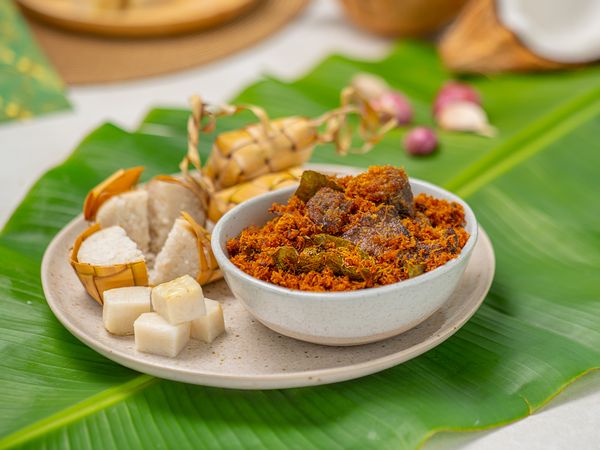
Time
Preparing this dish involves multiple stages, including preparation, marination, cooking, and final frying. The total estimated time is approximately 2 hours and 30 minutes. Here’s a detailed breakdown:

- Preparation Time: 30 minutes
- Cooking Time (boiling and simmering): 1 hour
- Marination Time: 30 minutes
- Final Frying and Stir-frying: 30 minutes
Patience is key, as the slow-cooking process develops the depth of flavor characteristic of authentic Empal Serundeng Daging Sapi.
Needed Equipment
Essential Cookware and Utensils
- Large Pot or Stockpot: For boiling and tenderizing the beef.
- Knife and Cutting Board: For slicing beef and preparing spices.
- Meat Mallet or Pounder: To flatten the beef slices for tenderization.
- Blender or Food Processor: To create the spice paste seamlessly.
- Mixing Bowls: For marination and spice preparation.
- Skillet or Wok: For frying and stir-frying the beef with coconut.
- Measuring Spoons and Cups: For precise ingredient measurements.
- Grater: For preparing fresh young coconut.
- Fine Strainer or Sieve: To strain the tamarind water and remove any spice residues.
- Tongs or Wooden Spoon: For stirring during frying.
- Kitchen Towels or Paper Towels: For draining excess oil and wiping surfaces.
- Serving Platter or Dish: To present the finished Empal Serundeng Daging Sapi elegantly.
Tags
Traditional Indonesian, Beef Dish, Spice Blended, Coconut, Festive, Slow Cooked, Authentic, Family Favorite, Indonesian Cuisine, Comfort Food, Special Occasion
Serving Size
The recipe yields approximately 6 to 8 servings, depending on portion sizes and accompanying dishes. Each serving offers a hearty, flavorful experience rich in spices and textures.
Difficulty Level
This recipe is rated as Moderate due to the multiple steps involved, including precise spice blending, tenderizing, and frying. It requires some familiarity with Indonesian ingredients and techniques but is accessible to home cooks willing to engage in a detailed cooking process. Patience during simmering and frying stages ensures optimal flavor development.
Allergen Information
- Contains: Garlic, ginger, chili (spice level varies), coconut.
- Possible cross-contact: Nuts (if used in spice blends), soy (if soy sauce is used as a substitute in variations).
- Note: Always check ingredients for specific allergen sensitivities.
Dietary Preference
This dish is inherently non-vegetarian and gluten-free. It can be adapted to a paleo or low-carb diet by adjusting the sugar content and serving size. Not suitable for vegans due to the use of beef and coconut, but plant-based alternatives can be explored for a similar flavor profile.
Course
Main Course / Side Dish
Cuisine
Indonesian
Ingredients
Meat and Broth
| Ingredient | Quantity | Notes |
|---|---|---|
| Beef | 1 kilogram (2.2 lbs) | Choose beef cuts suitable for slow cooking, such as brisket or shank. |
| Bay leaves | 3 leaves | Enhances aroma during boiling. |
| Kaffir lime leaves | 3 leaves | Gives a citrusy fragrance. |
| Tamarind paste | 1 tablespoon | Soaked in 50ml water for extraction. |
| Young coconut (grated) | 1/2 cup (approx. 50g) | Freshly grated for aroma and sweetness. |
| Ginger (whole) | 1 thumb-sized piece | Smashed for flavor infusion. |
| Water for boiling | 1 liter | Use enough to fully submerge the beef. |
Spice Paste
Cumin seeds1/2 teaspoonToasted and ground.
| Ingredient | Quantity | Preparation Notes |
|---|---|---|
| Dried red chilies | 5 pieces | Remove seeds if less heat is preferred. |
| Garlic cloves | 10 cloves | Peeled before blending. |
| Coriander seeds | 1 teaspoon | Lightly toasted before blending for enhanced flavor. |
| Galangal (fresh) | 3 thumb-sized pieces | Peeled and sliced. |
| Ginger (fresh) | 1 thumb-sized piece | Peeled and sliced. |
| Lemongrass stalks | 2 stalks | White part only, sliced thinly. |
| Salt | 1 teaspoon | Adjust to taste. |
| Palm sugar | 2 tablespoons | Or one small ball, grated. |
Instructions
1. Preparing the Beef
Begin by selecting high-quality beef suitable for slow cooking; cuts like brisket, shank, or chuck are ideal because they break down beautifully over prolonged simmering. Rinse the beef under cold running water to remove any impurities or blood residues. Pat dry thoroughly with paper towels to facilitate even cooking and prevent splattering during boiling.
In a large, heavy-bottomed stockpot, combine the beef with 1 liter of water, ensuring the meat is fully submerged. Add the bay leaves and smashed ginger to the water, which will infuse the beef with aromatic flavors as it cooks. Place the pot over medium-high heat and bring to a vigorous boil. As the water heats, a foam or scum may rise to the surface; skim this off with a spoon to maintain a clear broth and enhance the dish’s clarity and presentation quality.
Reduce the heat to low once boiling is sustained, cover the pot with a lid slightly ajar to allow steam escape, and let it simmer gently for approximately 1 to 1.5 hours. During this time, the beef will become increasingly tender, and the broth will absorb the flavors of the spices and aromatics. It’s essential to check occasionally, ensuring the water level remains sufficient; add hot water if necessary to maintain submersion.
Test for tenderness by inserting a fork into the thickest part of the beef; it should slide in effortlessly. Once the beef reaches optimal tenderness, remove the pot from heat. Carefully transfer the beef onto a clean cutting board, reserving the broth for future use or to assist in the next steps. Allow the beef to cool slightly for handling.
Using a sharp knife, slice the beef into thin strips following the grain of the meat. For even thinner slices, place the beef between sheets of plastic wrap and pound gently with a meat mallet until thin. This step ensures that the beef remains tender and absorbs the flavors during subsequent cooking stages.
2. Preparing the Spice Paste
While the beef is boiling, prepare your spice paste. Toast the coriander and cumin seeds in a dry skillet over medium heat for 1-2 minutes until fragrant, stirring constantly to prevent burning. Transfer to a mortar and pestle or spice grinder and grind finely. This enhances their aroma and flavor release during blending.
In a blender or food processor, combine the dried red chilies (soaked briefly if desired to soften), garlic, toasted coriander and cumin seeds, sliced galangal, ginger, and lemongrass. Blend into a smooth, uniform paste. If necessary, add a tablespoon of water or oil to facilitate blending. The resulting paste should be thick, fragrant, and vibrant red-orange in color, indicative of the spicy and aromatic blend characteristic of Indonesian cuisine.
3. Marinating the Beef
In a large mixing bowl, combine the thinly sliced beef with the prepared spice paste, kaffir lime leaves, and tamarind water. Use your hands or a spoon to massage the mixture thoroughly into the beef. Ensuring each slice is well coated guarantees maximum flavor penetration during marination. Cover the bowl with plastic wrap or a damp towel and let it rest at room temperature for 30 minutes, allowing the flavors to meld and the beef to absorb the aromatic spices.
4. Cooking the Beef Mixture
Heat a large skillet or wok over medium-low heat. Once hot, add the marinated beef along with a splash of the reserved beef broth (about 300ml). Cook gently, stirring frequently to prevent sticking and burning. The goal here is to cook off excess moisture slowly, allowing the beef to absorb the spice mixture fully. This process takes approximately 15-20 minutes, during which the liquid will reduce and intensify in flavor.
Keep an eye on the mixture, stirring constantly, until most of the liquid has evaporated, leaving a fragrant, dry mixture that clings to the beef slices. This step is crucial for developing the characteristic texture and richness of the dish.
5. Incorporating the Coconut
Once the beef mixture is dry and aromatic, add the grated young coconut. Continue to stir and cook over medium-low heat, ensuring the coconut is evenly distributed and coated with the spices. The coconut provides an authentic sweetness and texture contrast to the savory beef, balancing the heat and spice. Cook for another 10-15 minutes, stirring constantly, until the mixture is completely dry and the coconut has melded into the beef, creating a moist, flavorful mass.
6. Serving the Empal Serundeng Daging Sapi
Transfer the finished dish to a serving platter. It can be enjoyed immediately or allowed to rest briefly to enhance flavors further. Serve hot, accompanied by steamed rice, sambal, or fresh vegetables. The aromatic spices, tender beef, and fragrant coconut create a harmonious blend that is both satisfying and memorable.
Preparation Tips
- Choosing the right beef: Opt for cuts with sufficient marbling for tenderness, such as shank or brisket. For a leaner option, sirloin can be used, but it may require less cooking time.
- Spice paste consistency: Adjust blending time to achieve your preferred paste texture—smooth for a uniform flavor, or slightly chunky for added texture.
- Marination time: Extending marination beyond 30 minutes can deepen flavor absorption, especially if refrigerated overnight.
- Cooking temperature: Maintaining a gentle simmer during boiling and slow frying prevents toughening the beef and preserves delicate flavors.
- Handling coconut: Use freshly grated young coconut if available; dried or frozen coconut can be used as substitutes but may alter taste and texture.
Nutritional Information
| Nutrient | Per Serving (approximate) | Details |
|---|---|---|
| Calories | 350 kcal | Estimated based on beef, coconut, and spices. |
| Protein | 25 g | High protein content from beef. |
| Fat | 20 g | Includes healthy fats from coconut and beef. |
| Carbohydrates | 15 g | Primarily from coconut and small sugar content. |
| Sodium | 600 mg | Adjusted based on added salt and tamarind. |
Tips and Tricks
- To intensify flavors: Toast spices in advance and store in airtight containers to always have fresh, aromatic spices ready.
- For a smoky flavor: Incorporate smoked dried chilies or add a dash of smoked paprika during blending.
- Extra crispiness: After frying, you can briefly pan-fry the beef strips to add a slight crunch before serving.
- Adjust spice level: Modify the number of red chilies according to your heat preference. Remove seeds for milder flavor.
Add-ons
- Sliced boiled eggs for added richness.
- Fried shallots or garlic for extra crunch.
- Fresh herbs such as cilantro or basil to garnish.
- Spicy sambal to enhance heat and flavor.
Side Dishes
- Steamed jasmine or pandan rice.
- Indonesian sambal or chili paste.
- Fresh vegetable salad with lime dressing.
- Stir-fried greens such as kangkung or bok choy.
Improvements
- For deeper flavor, marinate the beef longer or overnight in the spice mixture.
- Add a splash of coconut milk during stir-frying for a creamier texture.
- Incorporate toasted grated coconut at the end for added aroma and crunch.
- Use a charcoal grill or smoker for a smoky infusion of the beef before final stir-frying.
Save and Store
Allow the Empal Serundeng Daging Sapi to cool completely before storing. Place in an airtight container and refrigerate for up to 3 days. To reheat, gently warm in a skillet over low heat, adding a splash of water or broth to revive moisture. For longer storage, freeze in portions and reheat thoroughly before serving. Freezing may slightly alter texture but preserves flavor effectively.
FAQ
Can I make this dish vegetarian?
While traditional Empal Serundeng Daging Sapi relies on beef, you can substitute the beef with firm tofu or tempeh. Marinate and fry similarly, adjusting cooking times accordingly. Use vegetable broth instead of beef broth for boiling.
What if I can’t find young coconut?
Fresh or frozen grated coconut can be substituted with dried grated coconut rehydrated in warm water. However, fresh young coconut offers the authentic aroma and moisture essential to the dish’s signature flavor.
Can I reduce the spice level?
Absolutely. Remove some or all of the red chili seeds, or reduce the number of chilies blended in the paste. Adjust to your taste preference without compromising the overall balance of flavors.
Conclusion
Creating authentic Indonesian Empal Serundeng Daging Sapi at home is a rewarding culinary journey that combines patience, technique, and a love for bold flavors. The dish’s tender beef, aromatic spices, and fragrant coconut create a symphony of taste that captures the essence of Indonesian comfort food. Perfect for festive occasions or a hearty family meal, this dish exemplifies the depth and diversity of Southeast Asian cuisine. By following this detailed guide on Love With Recipes, you are equipped to craft a dish that not only impresses but also transports your palate to the vibrant streets of Indonesia. Remember, the secret lies in slow cooking, fresh ingredients, and a touch of passion—so take your time, savor each step, and enjoy the delicious results.
References
- Indonesian Food & Cookery, by Sri Owen, 2002.
- The Food of Indonesia, by Heinz Von Holzen, 1990.
