Introduction
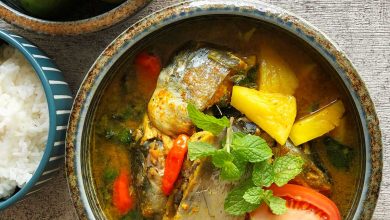
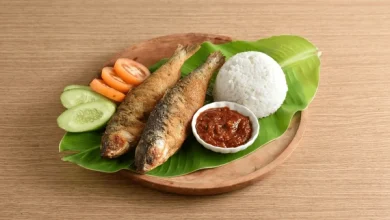
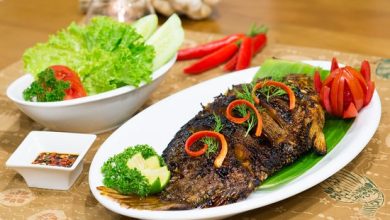
Welcome to the vibrant world of Indonesian cuisine, where bold flavors and aromatic spices come together to create unforgettable dishes. Today, we explore the rich, spicy, and savory profile of Tongkol Bumbu Sambal, a traditional Indonesian preparation showcasing tender tuna (ikan tongkol) coated and complemented by a fiery sambal sauce. This dish exemplifies the harmony of fresh seafood with the piquant heat of chili-based condiments, making it an ideal centerpiece for family gatherings, festive celebrations, or simply a hearty meal to indulge in after a long day. As featured on the Love With Recipes platform, this recipe balances simplicity and authentic flavor, encouraging home cooks to appreciate the culinary artistry of Indonesia’s rich food heritage.

Time
- Preparation Time: 20 minutes
- Cooking Time: 15 minutes
- Total Time: Approximately 35 minutes
Needed Equipment
- Cutting board and sharp knife
- Mixing bowls
- Frying pan or wok
- Mortar and pestle (or blender)
- Cooking spoon or spatula
- Plate lined with paper towels
- Measuring spoons and cups
- Grater (optional, for fresh ingredients)
- Serving platter or plate
Tags
- Indonesian Cuisine
- Seafood
- Spicy
- Comfort Food
- Family-Friendly
- Authentic Recipes
Serving Size
This recipe yields approximately 4 servings, each serving providing a balanced portion of protein, spice, and flavor. Adjust quantities proportionally if preparing for a larger or smaller group.
Difficulty Level
Intermediate — This dish involves multiple steps including frying, sautéing, and blending, but remains accessible for home cooks with basic culinary skills. Attention to timing and seasoning adjustments will ensure optimal flavor.
Allergen Information
This dish contains:
- Seafood (tuna)
- Shrimp paste (shrimp-derived, potential allergen)
- Chilies (spice allergen)
Ensure to modify ingredients if you or your guests have specific allergies. For example, substitute fish or shrimp paste with vegetarian alternatives if necessary.
Dietary Preference
Gluten-Free: Yes, if soy sauce or other condiments are omitted or substituted with gluten-free options.
Vegan: Not suitable unless fish and shrimp paste are replaced with plant-based alternatives.
Keto: Suitable, as it is low in carbohydrates and rich in healthy fats and protein.
Course
Main Course
Cuisine
Indonesian
Ingredients
| Ingredient | Quantity |
|---|---|
| Tuna fish (ikan tongkol) | 5 pieces (about 600 grams total) |
| Bird’s eye chili (cabe rawit) | 25 pieces (adjust to taste) |
| Red chili (cabe merah) | 2 pieces (seed removed, for milder heat) |
| Shallots (bawang merah) | 7 cloves |
| Garlic (bawang putih) | 3 cloves |
| Tomatoes | 4 medium-sized, chopped |
| Grilled shrimp paste (terasi) | 1 teaspoon |
| Cooking oil | As needed (vegetable or canola oil is recommended) |
| Salt | To taste |
| Sugar | To taste (preferably palm sugar or brown sugar) |
Instructions
1. Preparing the Tuna Fish
Start by selecting fresh tuna, ideally of high quality, preferably sashimi-grade if available. Rinse each piece thoroughly under cold running water to remove any residual blood, scales, or impurities. Pat dry with paper towels to absorb excess moisture. This step is crucial to ensure that the frying process results in a crispy exterior without excess oil absorption.
Once cleaned, cut the tuna into manageable pieces — approximately 2-inch cubes or strips depending on your presentation preference. The size should be consistent to ensure even cooking. Place the fish pieces on a plate and set aside.
2. Frying the Tuna
Heat a generous amount of cooking oil in a frying pan or wok over medium heat. The oil should be hot enough to sizzle when the fish is added, but not so hot that it causes excessive splattering or burns. To test if the oil is ready, drop a small piece of fish or a pinch of batter; if it sizzles immediately, the oil is at the right temperature.
Carefully place the tuna pieces into the hot oil, avoiding overcrowding, which can cause temperature drops and result in soggy fish. Fry each batch for about 3-4 minutes per side, or until the exterior is golden brown and the fish is just cooked through. Be attentive to avoid overcooking, as tuna can become dry if cooked too long. Use a slotted spoon or tongs to turn the pieces gently.
Once cooked, remove the fish from the pan and drain on a plate lined with paper towels to absorb excess oil. Set aside for later use.
3. Sautéing Aromatics and Preparing the Sambal
In the same frying pan, remove excess oil, leaving about one to two tablespoons, or add a bit more if needed. Heat over medium heat, ensuring the oil is warm but not smoking.
Add the shallots, garlic, red chili, and bird’s eye chilies to the pan. Sauté these ingredients, stirring frequently, until they are fragrant, softened, and slightly caramelized — about 5-7 minutes. The shallots should become translucent, the garlic aromatic, and the chilies tender but still vibrant in color.
Add the chopped tomatoes and continue to sauté until the mixture becomes fragrant and the tomatoes release their juice, creating a slightly thickened, aromatic paste. This process develops the fundamental flavor base of the sambal.
4. Making the Sambal Paste
Transfer the sautéed aromatics and tomatoes into a mortar and pestle or a blender. Add a pinch of salt, sugar, and the grilled shrimp paste (terasi). If using a mortar and pestle, pound the mixture until smooth and fragrant, about 3-5 minutes. If blending, pulse until the ingredients are finely combined, adding a splash of water if necessary to facilitate blending.
The goal is a vibrant, fragrant sambal paste that captures the heat, saltiness, and umami of the ingredients.
5. Sautéing the Sambal
Return the pan to the stove, and add approximately three tablespoons of the oil used for frying the fish. This adds flavor and consistency to the sambal. Once hot, add the blended sambal paste and cook over medium heat, stirring constantly, for about 2-3 minutes.
This step allows the flavors to deepen, and the oil to start separating from the paste, indicating a well-cooked sambal. Be careful not to burn the paste; reduce heat if necessary. Continue stirring until the mixture is aromatic and glossy.
6. Combining Fish with Sambal
Gently add the fried tuna pieces back into the pan with the sambal. Using a spatula, carefully coat each piece with the flavorful sauce, ensuring even coverage without breaking apart the fish. The fish should still retain its shape and texture.
Allow the mixture to cook together for 1-2 minutes, letting the flavors meld. Taste the sauce and adjust seasoning with additional salt or sugar if needed, balancing heat and sweetness to your preference.
7. Serving
Transfer the finished Tongkol Bumbu Sambal to a serving platter. It is best enjoyed warm, paired with steamed jasmine rice or coconut rice to soak up the spicy, savory sauce. Garnish with fresh herbs such as cilantro or lime wedges if desired, to add brightness to the dish.
Preparation Tips
- Use fresh, high-quality tuna for best flavor and texture. Frozen tuna can work but ensure it’s properly thawed and patted dry before cooking.
- Adjust chili quantities based on your spice tolerance. For milder versions, remove some of the bird’s eye chilies or substitute with milder chilies like Fresno or serrano.
- Grilled shrimp paste adds depth, but if unavailable, fermented fish sauce or anchovy paste can serve as substitutes, though they alter the flavor slightly.
- Fresh tomatoes provide brightness, but canned diced tomatoes can be used in a pinch.
- Always taste as you go — balancing heat, salt, and sweetness to suit your palate enhances the dish’s authenticity and enjoyment.
Nutritional Information
| Nutrient | Per Serving (approx.) |
|---|---|
| Calories | 290 kcal |
| Protein | 25 g |
| Carbohydrates | 8 g |
| Dietary Fiber | 3 g |
| Sugars | 2 g |
| Total Fat | 18 g |
| Saturated Fat | 3 g |
| Sodium | 400 mg |
Tips and Tricks
- For a smoky flavor, lightly char the chilies before blending them into the sambal.
- Use a high-quality, flavorful oil for sautéing to enhance the aroma of the dish.
- Pre-frying the tuna helps retain moisture and adds a crispy exterior, contrasting beautifully with the spicy sambal.
- If you prefer a thicker sauce, simmer the sambal longer until it reduces to your desired consistency.
- Double the sambal recipe to use as a condiment for other dishes like grilled chicken or vegetables.
Add-ons
- Fresh lime wedges for squeezing over the dish before serving.
- Chopped cilantro or basil for a fresh herbal note.
- Fried shallots or garlic bits sprinkled on top for extra crunch and flavor.
- Eggplant or other vegetables cooked in the sambal for a hearty vegetarian variation.
Side Dishes
- Steamed jasmine rice or coconut rice to complement the spicy flavors.
- Indonesian-style vegetables like sautéed bok choy or spinach.
- Fried plantains or cassava for a touch of sweetness.
- Pickled vegetables or sambal matah for added tang and spice.
Improvements
- Experiment with different types of chili peppers to vary heat levels and flavors.
- Add a splash of coconut milk during the final simmering stage for a creamier, richer sauce.
- Incorporate lime juice or tamarind paste for added acidity that balances the richness and spice.
- Use different seafood such as mackerel or snapper for variation.
Save and Store
Leftover sambal can be stored in an airtight container in the refrigerator for up to 3 days. For longer storage, freeze it in small portions and thaw as needed. Reheat gently in a pan or microwave, adding a splash of water or oil if it becomes too thick.
FAQ
Can I make this dish less spicy?
Absolutely. Reduce the number of bird’s eye chilies or substitute with milder peppers like red bell peppers or Fresno chilies. Removing some of the seeds from the chilies also decreases heat.
Is this dish suitable for kids?
Yes, with adjustments for spice levels. Use fewer or milder chilies, and ensure the flavor balance is more savory than fiery. The natural sweetness of tomatoes helps mellow the spice.
Can I use canned tuna instead of fresh?
Yes, canned tuna (preferably in oil) can be used. Drain excess oil and gently sauté to warm before adding to the sambal. Adjust cooking time to prevent overcooking and drying out the fish.
Conclusion
Mastering Tongkol Bumbu Sambal offers a wonderful opportunity to explore authentic Indonesian flavors in your own kitchen. The dish’s balance of tender, crispy tuna with a fiery, aromatic sambal makes it a versatile and crowd-pleasing choice. Whether served as a main course or a flavorful accompaniment, this recipe embodies the essence of Indonesian culinary artistry—simplicity, freshness, and boldness in every bite. As always, Love With Recipes encourages you to adapt the recipe to suit your taste, experiment with ingredients, and enjoy the vibrant flavors of this traditional dish. Happy cooking!