

Introduction
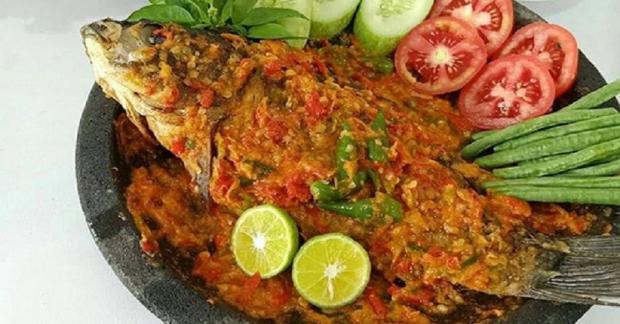
At the heart of Indonesian cuisine lies a vibrant tapestry of flavors, aromas, and textures that reflect the rich cultural heritage and diverse culinary traditions of the archipelago. Among the many dishes that exemplify this culinary excellence, Cobek Ikan Mas Muda stands out as a celebration of freshness, spiciness, and aromatic complexity. This dish features tender, young carp cooked in a fiery yet fragrant sauce, infused with traditional Indonesian spices and herbs. The dish is often complemented by crispy fried tofu, adding a delightful crunch and balance to the overall flavor profile. Whether served as a main course with steamed rice or as a hearty side, Cobek Ikan Mas Muda offers an authentic taste of Indonesia that excites the palate and transports diners to the bustling markets and coastal villages of the archipelago.

This recipe, detailed and curated for Love With Recipes, aims to guide you through every step with precision, ensuring that you capture the essence of this classic Indonesian dish. From selecting the freshest ingredients to mastering the spice paste, each component plays a crucial role in creating a harmonious, flavorful experience. Prepare to indulge in a culinary journey that celebrates tradition, taste, and the vibrant spirit of Indonesian cooking.
Time
- Preparation Time: 30 minutes
- Cooking Time: 30 minutes
- Total Time: Approximately 1 hour
Needed Equipment
- Mortar and pestle (preferred for spice paste preparation)
- Blender or food processor (alternative to mortar and pestle)
- Large frying pan or wok
- Cooking spoon or spatula
- Knife and cutting board
- Measuring spoons and cups
- Small saucepan (for boiling water and reducing sauce)
- Tongs (for handling fried fish and tofu)
- Serving platter
- Steaming rack (optional, if steaming rice or tofu)
- Paper towels (for draining fried ingredients)
Tags
Indonesian cuisine, Spicy dish, Fish recipes, Tofu recipes, Traditional Indonesian, Aromatic spices, Seafood, Main course, Family-friendly, Authentic flavor
Serving Size
This recipe yields approximately 4 servings, making it ideal for family dinners or small gatherings. Each serving includes a portion of fish, tofu, and sauce, paired perfectly with steamed rice.
Difficulty Level
Intermediate — requires familiarity with handling fish, preparing spice pastes, and balancing flavors. However, with patience and attention to detail, even home cooks new to Indonesian cuisine can master this dish.
Allergen Information
| Common Allergens | Present in this recipe |
|---|---|
| Fish | Yes — young carp |
| Peanuts | Yes — crushed or toasted peanuts |
| Soy | Optional — if using tofu |
| Tree nuts | No |
| Gluten | No — unless soy sauce with gluten is used |
| Sesame | No |
Dietary Preference
This dish is gluten-free if gluten-containing soy sauces are avoided and is adaptable for pescatarian diets. It is not suitable for vegans unless tofu is omitted or replaced with plant-based alternatives.
Course
Main Course / Side Dish
Cuisine
Indonesian
Ingredients
Ingredients in Tables
| Ingredient | Amount | Notes |
|---|---|---|
| Small young carp (fried) | 4 fish | Cleaned, gutted, and fried until crispy |
| Large fried Bandung tofu | 2 blocks | Optional, fried until golden |
| Garlic cloves | 2 cloves | Fresh and peeled |
| Shallots | 2 shallots | Thinly sliced or chopped |
| Bird’s eye chili | 1 small chili | Adjust to taste, optional for heat |
| Kencur (aromatic herb) | 1 thumb-sized piece | Peel before blending |
| Fried or toasted peanuts | 2-3 tablespoons | Crushed coarsely for texture |
| Tamarind fruit | 1 small piece | Soaked and mashed for tamarind paste |
| Salt | To taste | Sea salt or kosher salt preferred |
| Palm sugar or brown sugar | To taste | Use palm sugar for authentic flavor |
| Bay leaf | 1 leaf | For aromatic infusion |
| Kaffir lime leaf | 1 leaf | Fresh or dried |
| Cooking oil | For frying and sautéing | Vegetable or palm oil recommended |
Instructions
Step 1: Preparing the Spice Paste
Begin by preparing the essential spice paste that forms the aromatic backbone of this dish. Use a mortar and pestle if available, as it allows for better control over the texture and releases more essential oils from the herbs and spices. Place the garlic, shallots, bird’s eye chili (adjust according to heat preference), kencur, and crushed peanuts into the mortar. Pound and grind these ingredients until they form a smooth, fragrant paste. The process should take approximately 8-10 minutes, with a rhythmic pounding to achieve a fine consistency. Alternatively, a blender or food processor can be used; blend the ingredients with a splash of water or oil until smooth, ensuring not to over-process to maintain some texture.
Step 2: Sautéing the Spice Paste
Heat about 2 tablespoons of cooking oil in a large wok or frying pan over medium heat. Once hot, add the prepared spice paste. Stir continuously to prevent burning, allowing the paste to release its aroma and turn a golden hue. This sautéing process typically takes about 5-7 minutes. As the paste cooks, add the bay leaf and kaffir lime leaf to infuse their fragrant oils into the mixture. Continue stirring until the mixture is fragrant and slightly thickened, indicating that the spices have fully released their flavors.
Step 3: Cooking the Fish and Tofu
Add the fried young carp carefully into the pan, along with the fried tofu blocks. Gently stir to coat the fish and tofu with the aromatic spice mixture. Pour in enough water to cover all ingredients, typically about 2 cups, depending on the desired sauce consistency. Bring the mixture to a gentle simmer over medium heat. Allow the fish and tofu to cook for approximately 10-15 minutes, ensuring the flavors meld together. During this process, the sauce will develop depth and complexity. Gently stir occasionally to prevent sticking and to evenly distribute flavors.
Step 4: Seasoning and Balancing Flavors
Add tamarind paste, which can be made by soaking the tamarind fruit in hot water and mashing it, or by using pre-made tamarind paste. Adjust the amount to achieve a balanced sourness. Incorporate palm sugar or brown sugar gradually, tasting as you go—this sweetness counterbalances the acidity of the tamarind and enhances overall harmony. Season with salt to taste. For a drier dish, continue simmering until the sauce reduces and thickens, coating the fish and tofu evenly. For a more brothy version, stop simmering earlier, leaving a flavorful sauce.
Step 5: Final Touches and Serving
Once the sauce reaches your preferred consistency, remove the bay leaf and kaffir lime leaf. Transfer the dish to a serving platter or bowl. Serve hot, accompanied by steamed rice, which complements the spicy, aromatic flavors beautifully. Garnish with additional crushed peanuts or fresh herbs if desired. The dish is best enjoyed immediately to savor the full aroma and texture of the crispy fish, tender tofu, and flavorful sauce.
Preparation Tips
- Freshness is key: Use fresh, high-quality young carp for tender meat and optimal flavor. Fresh herbs and spices will significantly enhance the dish’s aroma.
- Handling the fish: Ensure the carp is properly cleaned, gutted, and fried until crispy to provide texture contrast with the sauce.
- Peanut texture: Coarsely crushing the peanuts adds a delightful crunch to the dish. Toast the peanuts lightly beforehand for added flavor.
- Adjusting heat: Bird’s eye chili is potent; add gradually and taste to control spiciness.
- Balancing flavors: Always taste and adjust sugar, salt, and tamarind to achieve a balanced, harmonious flavor profile.
Nutritional Information
| Nutrient | Per Serving (approximate) |
|---|---|
| Calories | Approximately 350-400 kcal |
| Protein | About 25 grams |
| Carbohydrates | Approximately 20-25 grams |
| Fats | About 15 grams |
| Fiber | 3-5 grams |
| Sodium | Variable, approximately 600-800 mg |
| Sugar | 5-8 grams |
Tips and Tricks
- Prepping ingredients: Prepare all ingredients beforehand to streamline cooking and maintain flow.
- Control spiciness: Adjust chili according to your heat tolerance. Removing seeds can reduce heat.
- Enhance aroma: Frying the spices longer or adding a touch of lemongrass can add extra fragrance.
- Serving presentation: Garnish with fresh herbs like cilantro or basil for added color and aroma.
- Flavor development: The dish tastes even better the next day as flavors meld. Reheat gently to preserve texture.
Add-ons
- Fresh herbs: cilantro, basil, or Thai basil
- Additional vegetables: sliced tomatoes, long beans, or spinach
- Spicy sambal or chili paste for extra heat on the side
- Boiled eggs or shrimp for added richness
Side Dishes
- Steamed jasmine or pandan rice
- Indonesian-style sambal or chili condiment
- Pickled vegetables or acar (Indonesian pickles)
- Fried plantains or cassava chips for crunch
Improvements
- Use freshly ground spices for a more intense aroma and flavor.
- Experiment with different fish varieties such as snapper or tilapia for variety.
- Incorporate coconut milk for a richer, creamier sauce.
- Add a splash of lime juice at the end for extra freshness.
- Serve with a side of sambal or chili oil for those who love extra heat.
Save and Store
This dish is best enjoyed fresh, but leftovers can be stored in an airtight container in the refrigerator for up to 2 days. Reheat gently in a pan over low heat, adding a splash of water or broth to restore moisture if necessary. For longer storage, freeze the fish and sauce separately, then reheat thoroughly before serving. Keep fried tofu separate and add during reheating to maintain its crispiness.
FAQ
Can I use frozen fish for this recipe?
While fresh fish is preferred for the best flavor and texture, frozen fish can be used if properly thawed and patted dry. Ensure it is cooked thoroughly to eliminate any bacteria.
Is it possible to make this dish vegetarian?
Yes, replace the fish with eggplant or other hearty vegetables and omit the fish entirely. Use extra tofu or tempeh for protein. Adjust seasonings to taste, especially the tamarind and sugar.
How spicy is this dish?
The spiciness depends on the amount and type of chili used. Bird’s eye chili is quite hot; adjust the quantity to suit your spice tolerance. Removing seeds can also reduce heat.
Can I make the spice paste ahead of time?
Absolutely. Prepare and store the spice paste in an airtight container in the refrigerator for up to 3 days or freeze for longer storage. This allows for quick assembly when needed.
Conclusion
Recreating authentic Indonesian flavors at home is a rewarding experience, and Cobek Ikan Mas Muda exemplifies the vibrant, aromatic, and spicy character of regional cuisine. By carefully selecting fresh ingredients, mastering the spice paste, and balancing the flavors, you can produce a dish that not only delights the palate but also offers a glimpse into Indonesia’s rich culinary heritage. This dish pairs beautifully with steamed rice and can be customized in spiciness and consistency to suit your preferences. Embrace the process, experiment with variations, and enjoy sharing this authentic Indonesian masterpiece with family and friends. Remember to visit Love With Recipes for more cultural culinary explorations and detailed recipes that bring the world of flavors to your kitchen.
References
- Indonesian Food & Cooking by Sri Owen — A comprehensive guide to Indonesian cuisine and traditional recipes.
- The Indonesian Kitchen by Robert Tewksbury — An authoritative source on authentic Indonesian dishes and ingredients.