

Introduction
Within the realm of homemade preserves, the fusion of zucchini and ginger offers a surprisingly delightful experience that transcends traditional jam flavors. This Zucchini Ginger Jam, showcased on Love With Recipes, exemplifies creativity in the kitchen, transforming humble zucchinis into a luscious spread reminiscent of marmalade but infused with the warm, spicy kick of fresh ginger. Its unique flavor profile makes it a versatile accompaniment for breakfast toast, cheese platters, or even as a glaze for roasted meats. The process is straightforward, yet it rewards the cook with a sensory explosion of sweetness, spice, and citrus brightness. Whether you are an experienced canner or a home cook exploring new flavor combinations, this recipe is designed to be approachable, customizable, and perfect for seasonal harvests or spontaneous culinary experiments.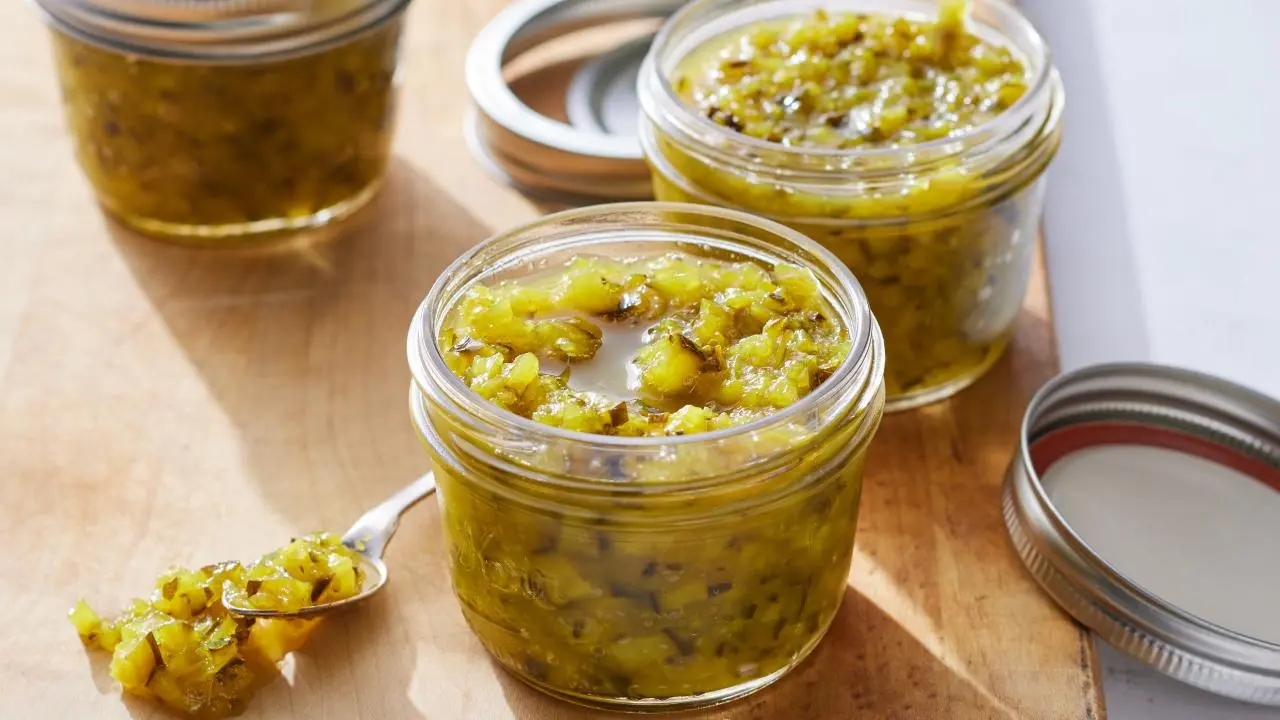

Time
The total time required to prepare and process this Zucchini Ginger Jam is approximately 40 minutes, making it an ideal project for a weekend afternoon or a dedicated preserve-making session. The breakdown is as follows:
- Preparation of Zucchini and Ginger: 15 minutes
- Cooking and simmering: 20 minutes
- Jar filling and sealing: 5 minutes
Additional time may be needed if you choose to process the jars via water bath canning for longer shelf stability.
Needed Equipment
To successfully create this Zucchini Ginger Jam, gather the following equipment:
- Sharp chef’s knife – essential for trimming and chopping zucchinis and ginger
- Cutting board – a sturdy surface for prep work
- Grater (medium or fine grate) – for shredding zucchinis
- Large heavy-bottomed cooking pot – to ensure even heat distribution and prevent scorching
- Wooden or silicone spatula – for stirring and mixing
- Measuring cups and spoons – for accurate ingredient addition
- Liquid measuring cup – specifically for lemon juice and pineapple liquid
- Funnels – to facilitate filling jars without spills
- Jar lifter or tongs – for safely handling hot jars
- Clean glass jars with lids and bands – for preserving the jam
- Water bath canner or large stockpot – optional, for processing jars for long-term storage
- Kitchen towel or cloth – for wiping jar rims and handling hot surfaces
- Ladle – for transferring hot jam into jars
- Sterilization supplies (optional but recommended): boiling water, sterilizing solution, or dishwasher sterilization setting
Tags
Preserves, Homemade Jam, Fruit Jam, Zucchini Recipes, Ginger Recipes, Canning, Seasonal, Vegetarian, Vegan, Gluten-Free, Healthy, Family-Friendly, Quick & Easy
Serving Size
This recipe yields approximately four (4) pint-sized jars of Zucchini Ginger Jam, which can be divided into servings of about 2-3 tablespoons each. The exact number of servings depends on how liberally you spread or use the jam. Typically, a pint jar contains about 16 tablespoons, so four jars provide roughly 64 servings. This amount is perfect for gifting, stocking pantry shelves, or sharing with friends and family.
Difficulty Level
This recipe is classified as Easy to Moderate. It involves basic kitchen skills such as chopping, shredding, boiling, and sterilizing jars. The most advanced technique involved is water bath canning if you choose to preserve the jam for long-term storage. For those new to preserving, the process is straightforward with clear steps, but attention to detail during sterilization and sealing is crucial to ensure safety and quality.
Allergen Information
This recipe is naturally free from common allergens such as nuts, dairy, and gluten. However, it contains citrus (lemon and orange powder), which may cause sensitivities or allergies in some individuals. Cross-contact with other ingredients during preparation is unlikely but always ensure all utensils and jars are thoroughly sterilized to prevent contamination.
Dietary Preference
This Zucchini Ginger Jam is suitable for vegetarians and vegans, provided the orange gelatin used is plant-based or gelatin-free (such as agar-agar). It is also compatible with gluten-free diets, making it a versatile choice for various dietary needs.
Course
This jam is classified as a condiment or spread, perfect for breakfast, snacks, or as an accompaniment to cheese boards and charcuterie. It can also serve as a glaze or topping in creative culinary uses.
Cuisine
This recipe falls under the category of Fusion Cuisine, combining elements of traditional fruit preserves with innovative flavor pairing, inspired by seasonal produce and global influences.
Ingredients
Ingredient Table
| Quantity | Ingredient |
|---|---|
| 6 | Young yellow zucchinis (about 10 inches long) |
| 2/3 cup | Water |
| 5 cups | Granulated sugar |
| 20 ounces | Orange gelatin (or alternative gelatin substitute) |
| 5 slices | Fresh ginger |
| 1 cup | Crushed pineapple with liquid |
| 1 | Juiced lemon (about 1 large lemon) |
| 1 teaspoon | Orange powder (or orange zest if powder unavailable) |
Instructions
Preparation of Zucchinis
Begin by selecting young, tender zucchinis, ideally about 10 inches in length. These zucchinis are preferred because their flesh is more delicate, and they contain fewer seeds, which can impart a bitter taste if overgrown. Wash the zucchinis thoroughly under cold running water, using your hands or a vegetable brush to remove any dirt or pesticides. Pay close attention to the stem and blossom ends, ensuring all residues are washed away. After washing, dry the zucchinis with a clean towel or paper towels.
Next, trim both ends of each zucchini, discarding the stem and blossom tips. Using a sharp chef’s knife, cut each zucchini in half lengthwise. Further quarter each piece to facilitate easier handling and shredding. Carefully scoop out any soft flesh, particularly if the zucchinis are slightly overripe or larger than ideal, to prevent excess moisture or bitterness. Remove any seeds, especially the central cavity, as they can lend a gritty texture and may affect the jam’s consistency.
Once prepared, coarsely shred the zucchinis using a box grater or a food processor fitted with a shredding attachment. The shredded zucchini should be roughly uniform in size, resembling coarse grated vegetables. Place the shredded zucchini in a clean bowl and set aside. This process ensures that the zucchinis will cook evenly and absorb flavors more readily.
Cooking the Zucchini and Ginger
In a large, heavy-bottomed cooking pot, combine the shredded zucchinis and slices of fresh ginger. Ginger adds a spicy warmth that balances the sweetness of the jam. For optimal flavor infusion, peel the ginger slices before adding them to the mixture. The amount of ginger can be adjusted based on personal preference; more ginger yields a spicier jam, while less keeps it milder.
Add water to the pot, making sure the zucchinis and ginger are partially submerged. Place the pot over medium-high heat and bring the mixture to a boil. Stir occasionally with a wooden or silicone spatula to prevent sticking and promote even cooking. As the mixture heats, moisture will be released from the zucchinis, creating a slightly watery base. Continue boiling for approximately 15 minutes, or until the zucchinis are tender when pierced with a fork and the mixture has thickened slightly.
During cooking, you may notice foam forming on the surface—skim this off with a spoon to maintain clarity in the final jam. This step is optional but recommended for a cleaner, more polished product.
Adding Pineapple and Sugar
Once the zucchinis are tender, incorporate the crushed pineapple along with its liquid into the pot. Crushed pineapple provides natural sweetness and acidity, balancing the earthy flavor of zucchini and the pungency of ginger. Use a spoon or spatula to stir in the crushed pineapple thoroughly, ensuring even distribution. The pineapple liquid contributes additional moisture, which will help dissolve the sugar and facilitate the cooking process.
Gradually add the granulated sugar to the mixture, stirring continuously. The sugar not only sweetens but also acts as a preservative and helps the jam set during cooling. The amount specified will produce a balanced sweetness; however, if you prefer a less sweet jam, reduce the sugar slightly or taste and adjust as necessary during cooking.
Boiling and Simmering
Increase the heat to high and bring the mixture to a rapid boil. Maintain a vigorous boil for about 5 minutes, stirring often to prevent sticking or burning. During this phase, the liquid will reduce, and the flavors will meld, resulting in a thick and fragrant jam. Be attentive to prevent overflow; use a large enough pot and adjust heat accordingly.
Once boiling is complete, remove the pot from the heat. This step is crucial to avoid overcooking, which can alter the texture and flavor. Allow the hot mixture to cool slightly while you prepare the jars.
Incorporating Citrus Flavors
Extract the juice of one large lemon, ensuring you remove any seeds. Squeeze the lemon directly into the mixture, then stir thoroughly to incorporate the citrus juice. Lemon juice adds brightness and helps set the jam, thanks to its natural pectin content. It also balances the sweetness with a tangy note.
Add the orange powder, which enhances the jam’s citrus flavor and imparts a vibrant hue. If orange powder is unavailable, finely grate the zest of an orange, being careful to avoid the bitter white pith. Mix well until the powder or zest is fully dissolved and evenly distributed throughout the mixture.
Jar Filling and Storage
Prepare clean glass jars by sterilizing them in boiling water or running them through a dishwasher cycle with a sterilization setting. Using a funnel, ladle the hot jam into the jars, leaving about ¼ inch of headspace at the top to allow for expansion during storage. Wipe the rims of the jars with a clean, damp cloth to ensure a proper seal.
Seal the jars tightly with sterilized lids and bands. For immediate consumption, refrigerate the jars and enjoy within 2-3 weeks. For longer shelf life, process the jars in a boiling water bath for 10-15 minutes, ensuring the lids are sealed properly. Once processed, allow the jars to cool completely before storing in a cool, dark place.
Preparation Tips
- Ingredient Selection: Use young, tender zucchinis for the best flavor and texture. Overgrown zucchinis may produce excess water and a more bitter taste due to larger seeds.
- Flavor Variations: Experiment with spices such as cinnamon, cloves, or cardamom for a more complex flavor profile. You can also swap pineapple with other crushed fruits like apricots or peaches for unique variations.
- Sweetness Adjustment: Always taste the mixture before jar filling. Adjust sugar levels if needed, especially if your zucchinis are very watery or mild in flavor.
- Texture Control: For chunkier jam, leave larger pieces of zucchini; for smoother texture, process the mixture with an immersion blender after cooking.
Nutritional Information
Per Serving (approx. 2 tablespoons)
| Nutrient | Amount |
|---|---|
| Calories | 25 kcal |
| Carbohydrates | 6 g |
| Sugar | 5 g |
| Protein | 0.3 g |
| Fat | 0 g |
| Fiber | 0.2 g |
| Vitamin C | 1 mg |
| Calcium | 1 mg |
| Iron | 0.1 mg |
Tips and Tricks
- Flavor Enhancements: Add a splash of vanilla extract or a pinch of cayenne pepper for a spicy kick.
- Texture Variations: For a more jelly-like consistency, increase the amount of gelatin or add natural pectin.
- Color Boost: Incorporate a few drops of natural food coloring or a small amount of beet juice for vibrant hues.
- Sweetness Balance: If the jam tastes too sweet after cooling, stir in a little extra lemon juice or orange zest to brighten the flavor.
Add-ons
- Chopped nuts like walnuts or pecans for added crunch
- Fresh herbs such as mint or basil for aromatic complexity
- Spiced variations with cinnamon or star anise
- Swapping gelatin with agar-agar for vegan preservation
Side Dishes
This Zucchini Ginger Jam pairs beautifully with a variety of foods, including:
- Toasted whole-grain bread or croissants
- Cheese platters featuring soft cheeses like brie or goat cheese
- Yogurt or Greek yogurt for a fruity breakfast
- Grilled chicken or pork as a glaze or topping
- Crackers and cured meats for a savory snack
Improvements and Variations
- Integrate more citrus zest or juice for an extra tang.
- Add a splash of balsamic vinegar for depth of flavor.
- Use different sweeteners like honey or maple syrup for a natural alternative to sugar.
- Incorporate dried fruits such as apricots or cranberries for added texture and tartness.
Save and Store
Proper storage is vital to maintain the quality and safety of your homemade jam. After sealing the jars through water bath processing, store them in a cool, dark place such as a pantry or cellar. Unprocessed jars should be refrigerated and consumed within 2-3 weeks. Once opened, keep the jam refrigerated and use within 10 days for optimal freshness.
If you wish to freeze the jam, leave some headspace in the jars and place them in the freezer. Thaw in the refrigerator before use. Freezing preserves the flavor and texture for up to 6 months.
FAQ
Can I substitute gelatin with pectin?
Yes, natural fruit pectin can be used to set the jam, especially if you prefer a vegetarian or vegan option. Adjust the amount according to the pectin package instructions, often requiring less cooking time and a different process for gel setting.
How long does homemade zucchini ginger jam last?
If canned properly in sterilized jars via water bath, the jam can last up to one year in a cool, dark place. Refrigerated, it’s best enjoyed within 2-3 weeks after opening.
Can I reduce the sugar content?
Absolutely. Reducing sugar will affect the jam’s ability to set and preserve. For a lower-sugar version, consider adding natural pectin or increasing lemon juice to aid gelling. Always test small batches first to perfect the consistency.
Is this recipe suitable for canning?
Yes, following proper sterilization and water bath processing steps, this jam can be safely canned for long-term storage. Ensure jars are sealed correctly to prevent spoilage.
Conclusion
This Zucchini Ginger Jam exemplifies how seasonal produce can be transformed into an extraordinary preserve that combines sweetness, spice, and citrus brightness. Its adaptability allows for countless variations, making it a valuable addition to your homemade jam repertoire. Perfect for gifting or enjoying yourself, this recipe underscores the creative potential of simple ingredients. For more innovative recipes and preserving tips, visit Love With Recipes—your trusted resource for culinary inspiration and detailed guidance. Happy jam-making!
References
- Ball Complete Book of Home Preserving, by Judi Kingry and Lauren Devine
- The Joy of Preserving, by Phyllis Pellman Good