Introduction
Grittibänz is an iconic Swiss holiday bread that embodies the warmth, creativity, and culinary traditions of Switzerland’s festive season. Originating from the German-speaking regions of the country, these charming little figures are crafted from soft, yeasted dough, shaped into human forms, and decorated with nuts, sugar crystals, and other embellishments. The tradition of making Grittibänz dates back centuries and is rooted in folklore, symbolizing good luck, prosperity, and community celebration. Their playful appearance makes them especially popular among children, but their delicate flavor and inviting aroma appeal to all ages. At Love With Recipes, we celebrate this delightful tradition by sharing a comprehensive, step-by-step guide to creating authentic Swiss Grittibänz, perfect for holiday gatherings, family baking sessions, or simply elevating your seasonal baking repertoire.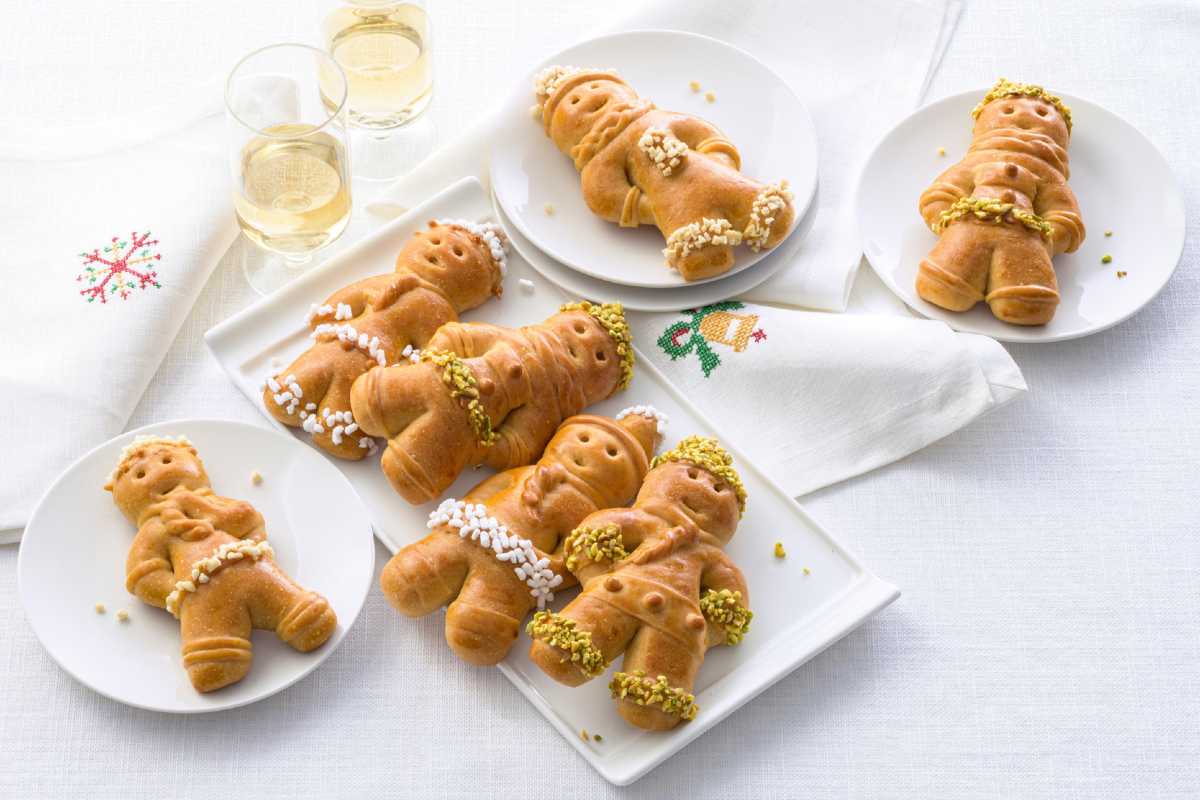
Time
Preparation and baking of Swiss Grittibänz require approximately 4 to 4.5 hours, including dough rising, shaping, decorating, and baking. This timeframe ensures the dough develops optimal flavor and texture, resulting in a tender, buttery bread with just the right amount of sweetness. The bulk of the time is dedicated to fermentation — a critical step for yeasted bread — so patience is key. Here’s a detailed breakdown:

- Active preparation: 30 minutes
- Dough rising: 2 to 3 hours
- Shaping and decorating: 30 minutes
- Baking and cooling: 30 minutes
Needed Equipment
To achieve the best results in crafting your Grittibänz, ensure you have the following equipment ready before beginning:
- Stand mixer with dough hook attachment: Optional but highly recommended for consistent kneading.
- Mixing bowls: Several, for proofing and mixing ingredients.
- Measuring cups and spoons: For precise ingredient measurement.
- Kitchen scale: For accurate weighing of flour and yeast.
- Silicone spatula or dough scraper: For handling dough and shaping.
- Pastry brush: For egg wash application.
- Sharp knives or scissors: For shaping limbs and accessories.
- Baking sheet(s): To bake the figures on, preferably lined with parchment paper.
- Parchment paper: To prevent sticking and facilitate easy removal.
- Cooling rack: To cool the baked Grittibänz evenly.
- Small bowls: For decorating ingredients like nuts and sugar crystals.
- Food-safe tweezers or small tongs: For precise decorating (optional but helpful).
Tags
Festive, Traditional, Swiss Cuisine, Holiday Baking, Yeast Bread, Family-Friendly, Decorative Baking, Seasonal Treats
Serving Size
The recipe yields approximately 12 individual Grittibänz figures, with each figure serving as a single portion. The figures are designed to be both a visual centerpiece and a tasty treat, making them perfect for sharing at family gatherings or holiday parties. Depending on your needs, you can scale the recipe up or down, but the standard batch provides a lovely assortment of charming figures for a small to medium-sized group.
Difficulty Level
Intermediate. While the process involves several steps—such as dough preparation, shaping, and decorating—the techniques are straightforward and suitable for home bakers with some experience in yeast dough handling. Patience and attention to detail will yield the best results, especially in shaping and decorating your figures. For beginners, practicing shaping and working with yeast dough beforehand can enhance confidence and proficiency.
Allergen Information
| Allergen | Contains | Notes |
|---|---|---|
| Gluten | Yes | From all-purpose flour |
| Eggs | Yes | Used in egg wash and optional in dough |
| Nuts | Yes | Chopped hazelnuts and pistachios are optional toppings |
| Dairy | Yes | Butter and milk used in dough |
| Yeast | Yes | Fresh or dry yeast |
| Sugar | Yes | For dough and decoration |
Dietary Preference
Traditional Swiss Grittibänz is not suitable for gluten-free, vegan, or dairy-free diets without modifications. However, with some adjustments—such as using plant-based butter substitutes, non-dairy milks, or gluten-free flours—it can be adapted to various dietary restrictions. For a vegan version, replace butter with vegan margarine or coconut oil and omit eggs or substitute with plant-based egg replacers.
Course
Appetizer / Snack / Festive Bread
Cuisine
Swiss
Ingredients
Full Ingredients List for Swiss Grittibänz
| Ingredient | Quantity | Description / Notes |
|---|---|---|
| All-purpose flour (Type 00 or Swiss flour if available) | 500g | Weigh accurately for proper gluten development |
| Sugar | 40g | Granulated sugar adds sweetness and aids fermentation |
| Whole milk | 250g | Warm, but not hot; used for yeast activation and dough moisture |
| Butter | 60g | Unsalted, melted; contributes to soft texture and flavor |
| Egg | 1 | For enriching the dough and egg wash |
| Fresh yeast (or dry yeast) | 12g (or equivalent) | Fresh yeast preferable; if using dry, adjust quantity accordingly |
| Salt | to taste (about 1 teaspoon) | Enhances flavor and controls fermentation |
| Chopped hazelnuts | to taste | Optional, for decoration and flavor |
| Chopped pistachios | to taste | Optional, for decoration and flavor |
| Sugar crystals (for topping) | to taste | For a crunchy, sweet finish |
Instructions
Step 1: Prepare the Yeast Mixture
Start by setting up your workspace with all ingredients and equipment within reach. In a small saucepan, combine the milk and butter. Warm the mixture over low heat, stirring occasionally, until the butter is fully melted and the mixture reaches approximately 37°C (98.6°F). This temperature is critical: too hot, and it will kill the yeast; too cold, and it will inhibit activation. Once melted, remove the mixture from heat and allow it to cool to room temperature, approximately 20-25°C (68-77°F). Meanwhile, crumble the fresh yeast into a small bowl or directly into the cooled milk mixture, adding a teaspoon of sugar to facilitate activation. Stir gently with a spoon or whisk until the yeast dissolves completely, creating a uniform mixture. Let sit for 5-10 minutes until the yeast begins to foam or bubble, indicating active fermentation. If using dry yeast, sprinkle it directly over the cooled milk mixture, stir, and wait until it foams.
Step 2: Prepare the Dough
In the bowl of your stand mixer fitted with the dough hook, combine the all-purpose flour and sugar. Mix on low speed briefly to distribute evenly. Create a well in the center of the dry ingredients, then pour in the activated yeast mixture, beaten egg, and a pinch of salt. Mix on medium speed, gradually increasing as the dough comes together. Continue kneading for about 8-10 minutes until the dough is smooth, elastic, and slightly tacky but not sticky. During kneading, the gluten network develops, giving the dough its structure and chewiness. If working by hand, mix the ingredients in a large bowl and knead vigorously on a lightly floured surface for the same duration. The dough should pass the windowpane test: stretch a small piece gently, and it should become translucent without tearing. If the dough feels too sticky, sprinkle in a little more flour; if too dry, add a splash of milk.
Step 3: Let the Dough Rise
Shape the dough into a ball and place it in a lightly oiled bowl. Cover with plastic wrap or a damp kitchen towel to prevent surface drying. Find a warm, draft-free spot — such as inside an oven with the light on or on top of a warm radiator — to allow fermentation. Let the dough rise for 2 to 3 hours, or until it doubles in volume. This fermentation step develops flavor, aroma, and the characteristic airy crumb. For best results, avoid opening the cover during rising. If the environment is cool, consider creating a warm proofing environment by placing the bowl in a turned-off oven with the light on or using a proofing box if available.
Step 4: Shape the Grittibänz
After the dough has doubled in size, punch it down gently to release excess gas. Transfer the dough onto a lightly floured surface. Divide the dough into 12 equal pieces using a scale for precision; each piece should weigh approximately 40-42 grams. Roll each piece into a cylinder about 10-12 cm long, which will form the body. To shape the arms and legs, make small cuts at the ends of each cylinder to create limbs, then gently pinch or fold to form hands and feet. For the head, shape a smaller ball and attach it atop the body cylinder, pressing gently to secure. Use leftover dough to craft accessories like hats, scarves, pipes, or other whimsical details, shaping them with your hands or small tools. Creativity is encouraged here! The figures can be as simple or elaborate as desired, reflecting your personal style or holiday theme.
Step 5: Decorate
Preheat your oven to 180°C (350°F). In a small bowl, beat the egg to create an egg wash. Using a pastry brush, carefully coat each Grittibänz figure with the egg wash, which will give them a shiny, golden finish once baked. Decorate the figures with chopped hazelnuts and pistachios by pressing them gently onto the surface to resemble shoes, hats, or embellishments. Sprinkle sugar crystals over the figures for a sparkling, festive effect. For added detail, use food-safe tweezers or small tongs to place nuts or sugar in precise spots. This step allows for personalization and enhances visual appeal, making each Grittibänz unique and charming.
Step 6: Bake
Line baking sheets with parchment paper to prevent sticking. Carefully arrange your decorated Grittibänz on the prepared sheets, spacing them adequately to allow for expansion. Bake in the preheated oven for 30-35 minutes, or until the figures are golden brown and slightly crisp on the surface. The baking time may vary depending on the size and thickness of your figures. Keep an eye during the last 10 minutes to prevent over-browning. Once baked, remove from the oven and transfer to a cooling rack. Allow the Grittibänz to cool for at least 15 minutes before handling to prevent breakage and to allow the flavors to settle.
Step 7: Serve
Enjoy your homemade Swiss Grittibänz as a delightful centerpiece or as a sweet treat during festivities. These figures are best enjoyed fresh but can be stored for up to 2 days. They pair beautifully with hot chocolate, mulled wine, or a warm cup of tea. For extended storage, keep them in an airtight container at room temperature; to refresh, briefly reheat in a warm oven. Sharing these charming figures with family and friends adds a layer of joy and tradition to your holiday celebrations.
Preparation Tips
- Ingredient quality matters: Use fresh yeast and good-quality flour for optimal flavor and texture.
- Temperature control: Ensure the milk and butter mixture is cooled to room temperature before adding yeast to prevent killing the yeast cells.
- Consistent shaping: Use a ruler or template if you want uniform figures, especially for limbs.
- Decorating: Prepare all toppings before shaping to work efficiently during decorating.
- Practice shaping: If you’re new to dough shaping, practice on leftover dough pieces first.
Nutritional Information
| Nutrient | Amount per Serving (per Grittibänz) |
|---|---|
| Calories | ≈250 kcal |
| Carbohydrates | 30g |
| Protein | 5g |
| Fat | 12g |
| Fiber | 1g |
| Sugar | 12g |
| Sodium | ≈100mg |
Tips and Tricks
- Use high-quality yeast: Fresh yeast produces better flavor and rise compared to older or inactive yeast.
- Control fermentation temperature: A slightly warmer environment speeds up rising but avoid excessive heat to prevent yeast kill-off.
- Shaping techniques: Keep dough pieces covered with a damp cloth during shaping to prevent drying out.
- Decorative versatility: Feel free to add raisins, dried fruits, or edible glitter for additional festive flair.
- Coloring: For colorful figures, incorporate natural food coloring into the dough or use colored toppings.
Add-ons and Variations
- Sweet fillings: Stuff the figures with jam or chocolate before baking for an extra indulgence.
- Glazes: Brush with honey or apricot jam after baking for shine and added sweetness.
- Vegan adaptation: Use plant-based butters, non-dairy milk, and egg replacers to suit vegan diets.
- Gluten-free version: Substitute gluten-free flours, but note that texture and rise may vary significantly.
Side Dishes
Grittibänz are traditionally enjoyed on their own, but they pair beautifully with:
- Hot chocolate or coffee
- Mulled wine or spiced cider
- Fresh fruit preserves or honey
- Yogurt or custard for dipping
Improvements
- Experiment with different nuts, dried fruits, or edible decorations for personalization.
- Adjust sweetness and salt levels to suit your taste preferences.
- Enhance flavor with hints of cinnamon, nutmeg, or vanilla in the dough.
- Incorporate natural food colorings for vibrant, festive appearances.
Save and Store
To keep your Grittibänz fresh:
- Store at room temperature in an airtight container for up to 2 days.
- For longer storage, freeze baked or unbaked figures wrapped tightly in plastic wrap and aluminum foil for up to 1 month.
- Reheat baked figures gently in a warm oven for a few minutes before serving to restore freshness.
FAQ
Can I make Grittibänz without yeast?
Yeast is essential for the traditional rise and texture. You might try a quick bread or biscuit version, but it won’t have the same airy, fluffy quality.
Can I freeze the shaped dough before baking?
Yes, shape the figures, freeze them on a baking sheet, then transfer to a bag. Bake directly from frozen, adding a few extra minutes to the baking time.
How do I prevent the nuts from falling off during baking?
Press the nuts gently into the dough’s surface before baking, ensuring they adhere firmly. A light egg wash can also help nuts stick better.
Is there a vegan version of Grittibänz?
Yes, substitute butter with vegan margarine, use plant-based milk, and replace the egg with a commercial egg replacer or applesauce for moisture and binding.
Conclusion
Creating Swiss Grittibänz is more than just baking; it’s a cherished tradition that brings joy, artistry, and a touch of Swiss cultural heritage into your home. From the initial preparation of ingredients to the delicate shaping and decorating of each figure, every step offers an opportunity for creativity and family bonding. The warm aroma that fills your kitchen during baking evokes festive cheer and anticipation. Whether you’re celebrating a holiday, participating in a cultural event, or simply indulging in a cozy baking day, Grittibänz embodies the spirit of togetherness and tradition. Remember, the most important ingredient is love — infused into every figure you craft. We invite you to explore, experiment, and share this wonderful Swiss tradition, making it your own special holiday memory. For more recipes and cultural insights, visit Love With Recipes, your trusted platform for culinary inspiration.
References
1. Swiss Food and Culinary Heritage – Swissinfo.ch
2. Traditional Swiss Baking Techniques – Swiss Bakery Association