

Introduction
Welcome to Love With Recipes, your ultimate destination for creating culinary masterpieces that blend flavor, tradition, and innovation. Today, we delve into the art of crafting a delightful condiment that perfectly balances the sweet and sour spectrum with a zesty mustard kick — our homemade Sweet and Sour Mustard. This versatile sauce, with its complex layers of flavor, is designed to elevate a wide array of dishes, from hearty grilled meats to delicate sandwiches, and even as a dipping accompaniment for snacks and appetizers. Making your own sweet and sour mustard at home not only ensures freshness and customization but also provides an opportunity to experiment with flavors, adjusting sweetness, acidity, and mustard intensity to suit your palate. As with all recipes on Love With Recipes, this one emphasizes simplicity, quality ingredients, and precise instructions to guarantee delicious results every time.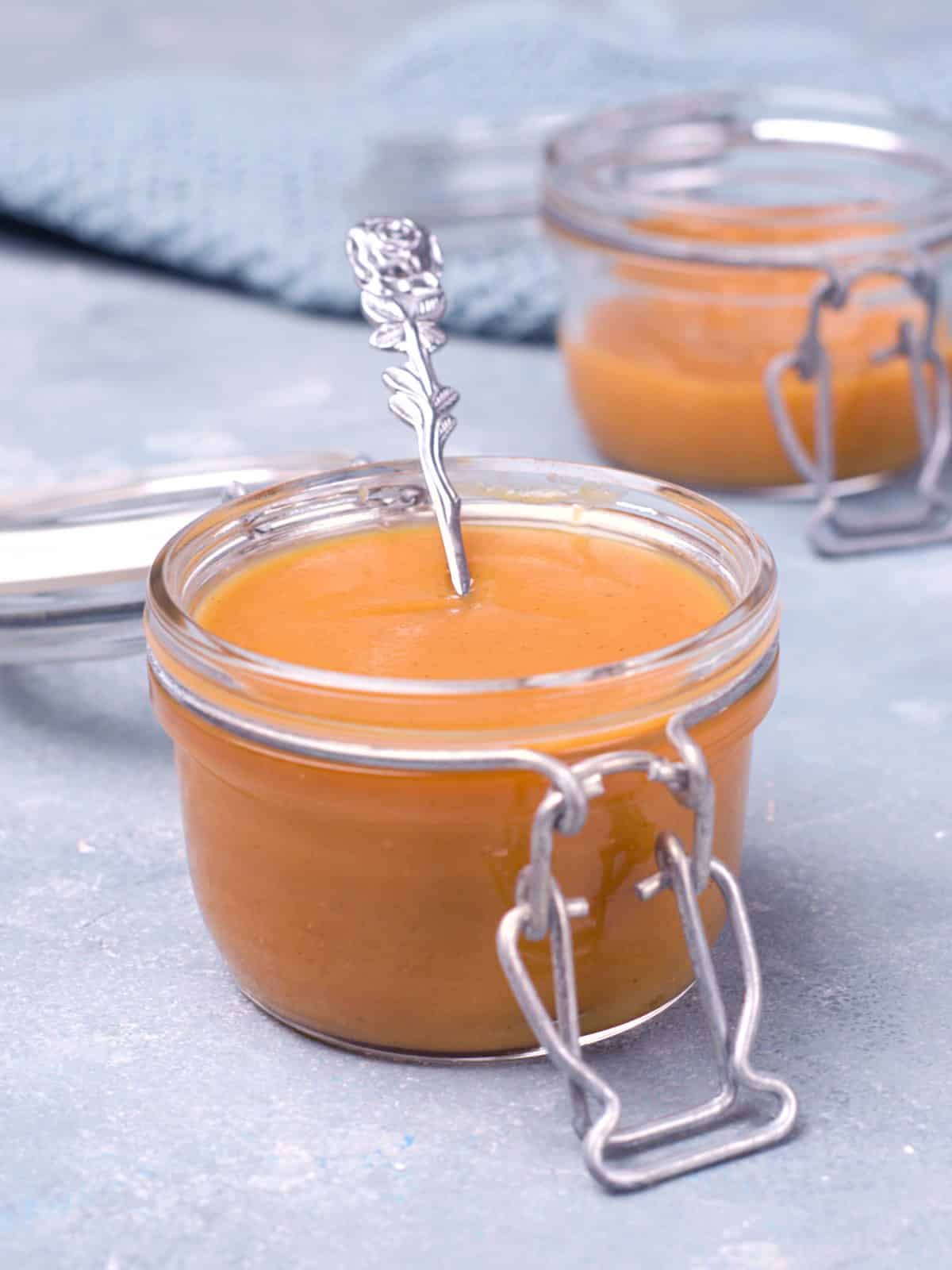
Time
Preparation Time: 15 minutes

Cooking Time: 10 minutes
Total Time: 25 minutes
Needed Equipment
- 1 medium-sized heavy-bottomed saucepan
- Whisk
- Measuring cups and spoons
- Fine-mesh sieve (optional, for smoothing)
- Heat-resistant spatula or spoon
- Storage container with airtight lid (preferably glass)
- Cooling rack or plate
Tags
- Condiment
- Homemade
- Sweet and Sour
- Mustard
- Quick
- Easy
- Vegetarian
- Gluten-Free
Serving Size
This recipe yields approximately 1 ½ cups of sweet and sour mustard, which can serve about 8-10 generous portions depending on usage. For individual servings, consider about 2-3 tablespoons per serving, making it perfect for family meals, gatherings, or meal prep.
Difficulty Level
This recipe is classified as easy, suitable even for beginner cooks. The process involves simple stovetop techniques, straightforward ingredient measurements, and minimal steps, making it accessible for cooks of all skill levels who want to create a flavorful condiment from scratch.
Allergen Information
- Eggs: Contains eggs, which are common allergens.
- Mustard: Contains dry mustard powder.
- Vinegar: Raspberry and cider vinegars; check labels if sensitive to sulfites.
Note: This recipe does not include nuts, dairy, wheat, or soy, but always verify ingredient labels if you have allergies or sensitivities.
Dietary Preference
Suitable for vegetarians and pescatarians. It is naturally gluten-free, provided the vinegars used do not contain gluten additives. For vegan adaptation, substitute eggs with plant-based thickeners like cornstarch slurry or aquafaba, as detailed in the tips section.
Course
Perfect as a condiment or accompaniment, this sweet and sour mustard fits well into the Sauces and Condiments course, enhancing your dishes with vibrant flavor profiles.
Cuisine
This recipe draws inspiration from American and European culinary traditions, particularly those that emphasize bold, tangy flavors such as French, German, and American barbecue styles.
Ingredients in Tables
| Quantity | Ingredient |
|---|---|
| 1 cup | Brown sugar |
| 1/2 cup | Cider vinegar |
| 1/3 cup | Raspberry vinegar |
| 2 tbsp | Dry mustard |
| 2 tbsp | Water |
| 2 | Eggs |
Instructions
Step 1: Gather and Prepare Ingredients
Before starting, ensure all ingredients are measured accurately. Use fresh eggs and high-quality vinegars for the best flavor profile. Prepare your utensils, including a whisk and measuring cups, and have your storage container ready.
Step 2: Combine Ingredients
In a medium-sized, heavy-bottomed saucepan, add the brown sugar, cider vinegar, raspberry vinegar, dry mustard, and water. Whisk these ingredients together thoroughly to create a homogeneous mixture. Make sure to dissolve the sugar completely to prevent lumps and ensure smoothness during cooking.
Carefully crack the eggs into a small bowl to prevent shell fragments, then add them to the saucepan. Whisk everything vigorously to incorporate the eggs evenly, which will contribute to the sauce’s thickening and richness.
Step 3: Cook and Thicken
Place the saucepan over low heat. Maintaining low temperature is essential to prevent the eggs from curdling and to promote gradual thickening. Continuously stir the mixture with a spatula or whisk, scraping the sides and bottom of the pan to prevent sticking or burning.
Allow the mixture to cook gently, stirring constantly. Over the next 10 minutes, the mixture will thicken, developing a glossy, viscous consistency. The key is patience; do not rush the process or increase heat, as this can cause the eggs to scramble or the sauce to become grainy.
Test the consistency by lifting the whisk or spoon; it should coat the back of a spoon and leave a clean line when you run your finger through it. Adjust the cooking time slightly if needed, but avoid overcooking to prevent a gluey texture.
Step 4: Cool and Strain (Optional)
Once the sauce reaches your desired thickness, remove the saucepan from heat. Let it cool slightly on a cooling rack or plate. If you prefer a ultra-smooth texture, pass the mixture through a fine-mesh sieve, pressing gently to extract any remaining lumps or egg curds. This step ensures a silky, refined condiment.
Step 5: Store and Chill
Transfer the cooled sweet and sour mustard into a sterilized airtight container. Seal tightly and refrigerate. As it cools further, the sauce will thicken, developing a richer consistency and more pronounced flavors. Allow at least an hour in the fridge before use to maximize the flavor infusion.
Preparation Tips
- Egg Alternatives: For vegan or egg-free versions, replace eggs with 1 tablespoon of cornstarch dissolved in 2 tablespoons of water, added during the cooking process after the mixture has thickened slightly. Alternatively, use aquafaba (the liquid from canned chickpeas) as a binder.
- Vinegar Variations: Feel free to experiment with different fruit vinegars such as raspberry, cherry, or apple cider for unique flavor nuances. Adjust the acidity level by adding more or less vinegar to suit your taste.
- Smoothing the Texture: Straining ensures a smooth, velvety sauce, particularly if you prefer a refined condiment. However, some may enjoy a slightly textured sauce with bits of mustard seed or fruit pulp for added interest.
- Flavor Adjustments: To make the sauce sweeter, add an extra tablespoon of brown sugar; for more tang, increase the vinegar slightly. Taste as you go to reach your perfect balance.
Nutritional Information
| Nutrient | Per Serving (Approx. 2 tbsp) |
|---|---|
| Calories | 84 |
| Total Fat | 1.8g |
| Saturated Fat | 0.2g |
| Cholesterol | 47mg |
| Sodium | 35mg |
| Total Carbohydrates | 17.4g |
| Dietary Fiber | 0.3g |
| Sugar | 15.2g |
| Protein | 0.3g |
Tips and Tricks
- Flavor Balancing: Always taste the sauce after cooking and adjust acidity and sweetness accordingly. A balance of sweet, sour, and mustard tang is key to a harmonious condiment.
- Storage: Keep the sauce refrigerated in a clean, airtight container. It will stay fresh for up to two weeks, but for best flavor, consume within one week.
- Serving Suggestions: Use as a marinade for chicken or pork, a glaze for roasted vegetables, or a dipping sauce for snacks like pretzels, spring rolls, or fried appetizers.
- Presentation: For visual appeal, consider adding a garnish of finely chopped herbs or a sprinkle of mustard seeds for an extra touch of elegance.
Add-ons
- Fresh herbs such as dill, parsley, or chives for added freshness
- Finely chopped fruit pieces (such as apple or pear) for texture and sweetness
- Hot sauce or cayenne pepper for a spicy kick
- Smoked paprika or cumin for smoky depth
Side Dishes
- Grilled meats: chicken, beef, pork, or fish
- Sandwiches and burgers
- Cheese platters and charcuterie boards
- Fried or baked snacks such as pretzels, chicken nuggets, or spring rolls
- Roasted vegetables and glazed root vegetables
Improvements
- Incorporate fresh fruit purees (like apricot or peach) into the mixture for enhanced fruitiness
- Add a splash of bourbon or whisky during cooking for a smoky, complex flavor
- Use natural sweeteners such as honey, maple syrup, or agave nectar for a different sweetness profile
- Experiment with different mustard varieties, like Dijon or whole grain, for varied textures and pungency
Save and Store
To maximize shelf life and flavor, store your homemade sweet and sour mustard in a sterilized, airtight glass jar or container. Keep it in the refrigerator at all times. Label with the date of preparation to track freshness. When stored properly, it remains good for up to two weeks, but always check for signs of spoilage such as off-odor or mold before use.
FAQ
Can I make this recipe vegan?
Yes, by replacing eggs with a plant-based thickener such as a cornstarch slurry (dissolve 1 tablespoon cornstarch in 2 tablespoons cold water) and adjusting the cooking process accordingly. The texture may slightly differ, but it will still provide a delicious sweet and sour experience.
Can I adjust the sweetness or acidity?
Absolutely. Increase the amount of brown sugar for a sweeter sauce, or add more vinegar to intensify the tanginess. Always taste during the cooking process and adjust gradually to reach your preferred flavor balance.
How long can I store this condiment?
In an airtight container, refrigerated, it will last up to two weeks. For longer storage, consider freezing in small portions, though this may slightly alter texture upon thawing.
Is this recipe suitable for canning?
While it can be canned, it requires proper sterilization and adherence to safe canning procedures. Due to the egg content, it is better to store in the fridge and consume within a shorter period.
Conclusion
Creating your own sweet and sour mustard at home is both satisfying and rewarding, offering a customizable condiment that complements a vast array of dishes. Its vibrant flavor profile, balanced by sweetness, acidity, and mustard zest, makes it a versatile addition to your culinary repertoire. Whether spread on a sandwich, used as a marinade, or served as a dip, this homemade sauce promises to elevate your meals with every bite. Remember, the key to a perfect sweet and sour mustard lies in precision, quality ingredients, and a little bit of patience during the cooking process. For more delicious recipes and culinary tips, stay tuned with Love With Recipes — your partner in creating memorable homemade dishes.
References
1. The Art of Pickling and Preserving by Linda Ziedrich, 2012.
2. Vinegar: The Essential Guide by Emily Thacker, 2014.