Introduction
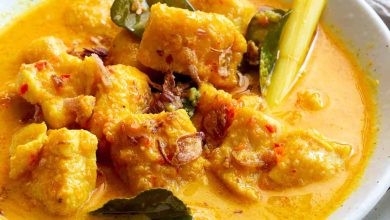
At Love With Recipes, we believe that comfort food transcends simple nourishment — it’s an experience that connects tradition, flavors, and memories. The Red Snapper Fish Head Soup, or Sup Kepala Ikan Kakap, is a beloved dish across many Southeast Asian coastal communities, especially in Indonesia, Malaysia, and Singapore. This dish is celebrated for its rich, hearty broth infused with aromatic herbs and spices, balanced with a bright citrus note from lime, and enhanced by the distinctive flavor of the fish head. It’s not only a nourishing meal but also a cultural experience, often served during family gatherings, celebrations, or as a healing remedy during times of illness.
This recipe emphasizes the freshness of the fish head, the aromatic complexity of the herbs, and the fiery kick from bird’s eye chilies. It’s a dish that embodies the essence of Southeast Asian comfort cuisine—simple ingredients, bold flavors, and a communal spirit. Whether you’re an experienced home cook or a culinary enthusiast eager to explore authentic regional flavors, this comprehensive guide will take you through every step to perfect your Red Snapper Fish Head Soup. We will delve into the nuances of ingredient selection, preparation techniques, flavor balancing, and presentation, ensuring a culinary experience that exceeds expectations.

Time
Total preparation and cooking time: approximately 1 hour and 30 minutes
This includes meticulous cleaning of the fish head, preparation of ingredients, simmering to develop deep flavors, and final garnishing. Patience is key to extracting maximum flavor from the fish head and aromatic spices, so allocate sufficient time for a perfect, tender, and flavorful broth.
Needed Equipment
- Large stockpot or soup pot: Essential for boiling and simmering the ingredients evenly.
- Sharp kitchen knives: For cleaning and preparing the fish head, slicing vegetables, and chopping herbs.
- Cutting board: Preferably a dedicated one for fish to prevent cross-contamination.
- Strainer or slotted spoon: To remove impurities or foam that may form during boiling.
- Measuring spoons and cups: For precise addition of seasonings, spices, and liquids.
- Peeler or small paring knife: For preparing ginger and shallots.
- Mortar and pestle (optional): For crushing lemongrass tips and spices for enhanced aroma.
- Serving bowls and spoons: For presentation and serving.
- Additional tools: Tongs or fish grabbers for handling the hot fish head.
Tags
Seafood, Soup, Southeast Asian, Indonesian Cuisine, Fish Head, Spicy, Aromatic, Comfort Food, Traditional Recipe, Family Favorite
Serving Size
Serves: 4 to 6 portions, depending on appetite and accompanying side dishes.
Difficulty Level
Intermediate — requires careful preparation of the fish head, balancing flavors, and understanding simmering techniques to achieve tender, flavorful broth.
Allergen Information
- Fish: Contains fish proteins and oils.
- Chilies: Contains capsaicin, which may cause reactions in sensitive individuals.
Dietary Preference
Gluten-Free, Dairy-Free, Pescatarian (excluding any non-seafood additions), Nut-Free
Course
Main Course, Soups & Stews
Cuisine
Southeast Asian (Indonesian, Malaysian, Singaporean)
Ingredients
Ingredient List in Detail
| Ingredient | Quantity | Notes |
|---|---|---|
| Red snapper fish head | 1 kg | Cleaned thoroughly; ask your fishmonger to prepare it if possible |
| Ginger | 2 slices | Fresh, sliced thick |
| Shallots | 10 | Sliced thick |
| Garlic | 3 cloves | Crushed and finely chopped |
| White pepper (ground) | 1 packet (approx. 1 tablespoon) | Use Ladaku or similar |
| Sugar | To taste | Adjust according to preference |
| Salt | To taste | Adjust as needed |
| Seasoning (Royco or similar stock cube) | To taste | Optional, for added umami |
| Starfruit or tomatoes | 100 grams | Either can be used for acidity |
| Whole bird’s eye chilies (rawit setan) | 100 grams | Adjust according to spice tolerance |
| Lemongrass | 5 stalks, use only tips | Crushed lightly to release aroma |
| Lime | As needed for serving | Cut into wedges |
Instructions
Preparation of the Fish Head
Begin with the fish head, which is the star of this dish. Freshness is paramount for flavor and safety. Rinse the fish head thoroughly under cold running water. Use a brush if necessary to remove any residual blood or impurities. Pay particular attention to the eye sockets and gill area, ensuring all residues are cleaned out. If possible, ask your fishmonger to prepare the fish head, removing any remaining scales or bones that might be inconvenient during cooking. Once cleaned, set aside on a clean plate or tray, ready for cooking.
Boiling the Water and Preparing the Broth
Choose a large, heavy-bottomed stockpot that can comfortably hold all ingredients and allow for even heat distribution. Fill it with 1 liter of cold water, enough to fully submerge the fish head and allow space for the aromatics and spices. Place the pot over high heat and bring the water to a rolling boil. This initial boiling step helps to purge impurities from the fish head, which will rise to the surface as foam or scum. Use a slotted spoon or ladle to skim off this foam, ensuring a clear broth. Skimming should be done gently but consistently to maintain clarity.
Adding Aromatics and Spices
Once the water is boiling and foam has been skimmed, carefully add the prepared fish head into the pot. Gently lower it into the boiling water to prevent splashing. Next, introduce the aromatic ingredients: the thick slices of shallots, crushed garlic, ginger slices, and the crushed tips of lemongrass stalks. These ingredients are essential for building a fragrant, flavorful broth. The ginger adds warmth and depth, while shallots contribute sweetness and complexity. The lemongrass imparts a citrusy, lemony aroma characteristic of Southeast Asian cuisine.
Incorporating the Acidity and Heat
Slice the starfruit or tomatoes and add them to the pot. Starfruit lends a subtle tang and floral aroma, whereas tomatoes introduce acidity and sweetness. Whole bird’s eye chilies are added whole to infuse the broth with a spicy heat. For a milder flavor, you may crush some of the chilies before adding or remove some after simmering. The chili’s capsaicin will release slowly, giving the broth a fiery kick without overpowering the delicate fish flavor.
Seasoning the Broth
Season the broth with sugar, salt, and a packet of ground white pepper. The sugar balances the acidity from the starfruit or tomatoes, while salt enhances overall flavor. The white pepper adds a subtle spiciness and aroma that complements the seafood. If using seasoning cubes like Royco, dissolve them in the broth for added umami and depth. Stir gently to combine all flavors evenly.
Simmering to Perfection
Reduce the heat to medium-low and cover the pot. Allow the soup to simmer gently for approximately 30 to 45 minutes. During this time, the flavors meld, and the fish head releases collagen, enriching the broth with a silky texture. It’s important not to boil aggressively to prevent clouding the broth and breaking down delicate ingredients. Regularly check the broth and skim off any additional scum or foam. The goal is a clear, flavorful, and aromatic soup with tender fish meat and infused herbs.
Final Adjustments and Serving
Once the fish head is tender, and the broth has developed a rich aroma, taste and adjust the seasoning as needed. Add more salt or sugar if necessary, or a splash more of fish sauce or seasoning cube for umami. Turn off the heat and carefully transfer the fish head and broth into serving bowls. Serve hot, garnished with lime wedges on the side. Squeezing fresh lime juice into each bowl just before eating adds brightness and balances the richness of the broth. For a more authentic experience, serve with steamed rice or traditional side dishes.
Preparation Tips
- Freshness is key: Always source fresh fish heads from reputable fishmongers. Fresh fish will give you the best flavor and texture.
- Cleaning: Thoroughly clean the fish head to remove blood, scales, and residual impurities. This step is crucial for clarity and safety.
- Flavor layering: Do not rush the simmering process. Allow enough time for flavors to develop fully.
- Adjust spice levels: Bird’s eye chilies are very spicy; add them gradually and taste to prevent overpowering the broth.
- Use fresh herbs: Fresh lemongrass tips release a more vibrant aroma compared to dried ones.
- Skimming: Regularly remove foam and impurities to keep the broth clear and flavorful.
Nutritional Information
| Nutrient | Per Serving (approximate) | Details |
|---|---|---|
| Calories | 180 kcal | Primarily from fish and broth ingredients |
| Protein | 22 g | High-quality fish protein |
| Fat | 7 g | Healthy omega-3 fatty acids from fish |
| Carbohydrates | 8 g | Mostly from vegetables and minimal added sugars |
| Sodium | 450 mg | Adjustable based on seasoning choices |
Tips and Tricks
- Use a fish stock cube or fish sauce: Enhances umami flavor, especially if natural fish stock is not available.
- Control spice levels: If you’re sensitive to heat, crush only a few chilies or remove some before serving.
- Balance acidity: Adjust starfruit or tomato quantities based on your preferred tanginess.
- Fresh herbs: Add chopped cilantro or Thai basil at the end for additional flavor layers.
- Alternative proteins: For variations, try adding seafood like prawns or fish fillets for more texture.
Add-ons
- Chopped scallions or chives for garnish
- Crushed peanuts for added crunch
- Fried shallots on top
- Boiled eggs for extra protein
Side Dishes
- Steamed jasmine rice or sticky rice
- Crackers or prawn chips
- Vegetable stir-fry with sambal
- Pickled vegetables for contrast
Improvements and Variations
- Enhanced aroma: Toast spices like coriander seeds or cumin before adding for a deeper flavor profile.
- Vegetarian version: Substitute fish with mushrooms or tofu, and use vegetable broth.
- Spice intensity: Experiment with different types of chilies, such as dried red chilies or fresh Thai bird’s eye chilies.
- Broth richness: Add a splash of coconut milk for a creamier texture.
Save and Store
Leftover soup can be stored in an airtight container in the refrigerator for up to 2 days. Reheat gently on the stove, avoiding boiling to preserve flavor and texture. For longer storage, freeze in portions using vacuum-sealed bags or freezer-safe containers. Reheat thoroughly before serving, and add a squeeze of lime or fresh herbs for revitalization.
FAQ
Can I use other fish heads?
Yes, but red snapper is preferred for its firm texture and rich flavor. Other suitable options include grouper or sea bass heads, which also impart a delicate yet robust flavor.
How spicy is this dish?
The dish is quite spicy due to the whole bird’s eye chilies. Adjust the quantity based on your spice tolerance. Removing some chilies or crushing them less intensely can help control heat.
Is this dish suitable for children?
Yes, but consider reducing or removing the chili peppers and adjusting seasoning levels to suit younger palates.
Conclusion
This Red Snapper Fish Head Soup offers a perfect harmony of flavors, textures, and aromas that exemplify Southeast Asian culinary artistry. It’s a dish that embodies comfort, tradition, and boldness, making it a must-try for seafood lovers and culinary explorers alike. By understanding each ingredient’s role and mastering the simmering process, you can recreate this authentic dish in your own kitchen, impressing family and friends with a meal that’s both nourishing and deeply satisfying. Remember, the key lies in freshness, patience, and balance. Enjoy crafting this flavorful journey, and let each spoonful bring warmth and joy to your table.
For more authentic recipes and culinary insights, visit Love With Recipes at lovewithrecipes.com, your trusted platform for delightful home-cooked meals.