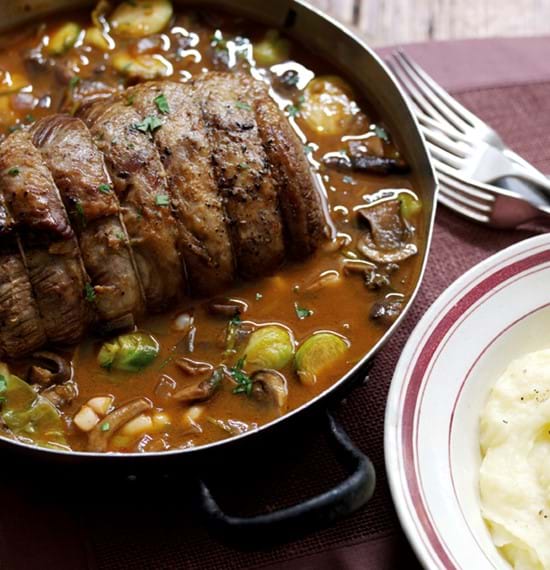
Introduction
Welcome to Love With Recipes! Today, we explore a hearty, traditional dish that encompasses the robust flavors of tender beef, fresh vegetables, and aromatic herbs. This dish, known as Estragon – Braten (Tarragon Roast), is a classic example of slow-cooked comfort food that satisfies the senses and provides nourishment perfect for family dinners, cozy weekends, or special gatherings. Its rich, savory profile is complemented by the subtle herbal undertone of tarragon—a herb renowned for its delicate flavor reminiscent of anise and its ability to elevate simple ingredients into culinary masterpieces.
This recipe is designed to serve a generous number of diners, emphasizing the importance of patience in cooking and the art of layering flavors. It’s ideal for those who appreciate the process of slow-cooking, allowing the ingredients to meld seamlessly over time for maximum taste and tenderness. The combination of beef, vegetables, and herbs ensures a nutritious, balanced meal that is both satisfying and wholesome. Additionally, this dish can be customized easily with various side dishes or adapted to suit your dietary preferences — whether you are seeking a gluten-free or low-fat option, this recipe provides a sturdy base for modifications.
Needed Equipment
- Large heavy-bottomed cooking pot or Dutch oven
- Wooden or silicone stirring spoon
- Measuring cups and spoons
- Sharp knife for chopping vegetables
- Cutting board
- Garlic press or fine grater (if preferred for garlic)
- Kitchen tongs or slotted spoon (for handling cooked vegetables)
- Ladle (for serving)
- Optional: immersion blender (if you prefer a slightly pureed sauce)
Tags
- Hearty
- Slow-cooked
- Herb-infused
- Traditional
- Beef
- Vegetables
- Comfort Food
- Family Meal
- Homemade
- Rich Flavor
Serving Size
Serves approximately 6 to 8 people, depending on portion sizes and accompaniments. This quantity allows for generous servings, making it perfect for family dinners or casual dinner parties where guests appreciate hearty, satisfying food.
Difficulty Level
Intermediate — requires patience for slow-cooking and some basic knife skills. No advanced techniques are necessary, but attention to timing and temperature control will ensure the best results.
Allergen Information
This dish is naturally free from common allergens such as gluten, dairy, and nuts. However, always verify ingredients, especially packaged products like canned tomatoes or prepared herbs, for potential cross-contamination or additives if you have allergies or sensitivities.
Dietary Preference
- Suitable for omnivores and flexitarians.
- Can be adapted for gluten-free diets by ensuring all ingredients are gluten-free.
- Low-carb options are possible by reducing carbohydrate-heavy vegetables if preferred.
Course
Main Course
Cuisine
European / German-inspired hearty stew
Ingredients
| Ingredient | Quantity |
|---|---|
| Beef (preferably stew or chuck, cut into cubes) | 750 g |
| Green Beans (Brechbohnen, cut into manageable lengths) | 250 g |
| Bay Leaf (Lorbeerblatt) | 1 whole leaf |
| Onion (small, finely chopped) | 1 large |
| Garlic (clove, finely chopped) | 1 |
| Canned Tomatoes (diced or whole, to be chopped or broken) | 1 cup |
| Salt | To taste |
| Pepper | To taste |
| Potatoes (cut into cubes) | 4 large |
| Carrots (peeled and sliced into strips) | 6 medium |
| Small Onions (whole) | 6 |
| Butter | As needed for cooking |
Instructions
Preparation Phase: Setting the Foundation
Begin by gathering all ingredients and equipment. Wash, peel, and chop vegetables where necessary. The chopping process for vegetables like carrots, potatoes, and onions should be standardized to ensure even cooking. Dice the beef into bite-sized cubes—aim for roughly 1 to 1.5-inch pieces to facilitate uniform cooking and tender bites. Set your ingredients aside, keeping the beef separate from the vegetables until needed.
Step 1: Searing the Beef and Flecking Flavors
Place a large, heavy-bottomed pot or Dutch oven on a medium heat source. Add a generous dollop of butter—about 2 to 3 tablespoons—and allow it to melt completely. The butter should simmer without burning; if it starts to foam excessively, lower the heat slightly. Once the butter is hot and shimmering, add the chopped onions and garlic. Sauté gently, stirring frequently, until the onions are translucent and fragrant, about 3 to 4 minutes.
Next, add the beef cubes to the pot. Spread them out in a single layer to promote even browning. Turn the heat to medium-high. Let the beef sear undisturbed for 3-4 minutes, then turn and sear on all sides until golden brown. This step is crucial for developing a deep flavor profile and locking in the juices. Avoid overcrowding the pan; if necessary, do this in batches to ensure proper searing.
Step 2: Building the Base and Introducing Aromatics
Once the beef is well-seared, reduce heat to low and start adding water gradually—about 1 cup at a time. Stir gently to deglaze the pan, scraping off any browned bits stuck to the bottom, as these are packed with flavor. This process is known as deglazing and enhances the richness of the eventual sauce.
After the initial water addition, add the canned diced tomatoes, the bay leaf, and season with salt and pepper to taste. Stir well to combine all ingredients uniformly. The tomatoes will add acidity and a slight sweetness, balancing the savory flavor of the beef. Cover the pot partially with a lid, simmering gently at low heat for about 1 ½ hours. During this time, the beef will become tender, and the flavors will meld deeply. Make sure to check periodically, stirring gently to prevent sticking and adding more water if necessary to keep the stew moist.
Step 3: Incorporating Vegetables for Texture and Nutrients
After the beef has simmered for 1 ½ hours, prepare your vegetables. Cut the potatoes into evenly sized cubes to ensure uniform cooking, and peel and slice the carrots into thin strips or rounds—consistent size contributes to even doneness. Peel and keep the small onions whole, as they will cook beautifully in the stew, imparting a sweet, mellow flavor.
Add the potatoes, carrots, and whole onions into the pot. Stir gently to integrate them into the stew. Increase the heat slightly to bring the mixture to a gentle simmer. Allow the vegetables to cook for approximately 35 minutes or until they are tender. During this stage, the potatoes will absorb flavors from the broth, and the carrots will soften, adding sweetness and vibrancy to the dish.
Step 4: Final Addition of Green Beans and Finishing Touches
About 15 minutes before the vegetables are fully cooked, add the green beans, sliced into manageable strips. Green beans cook quickly and retain their color and texture well if added late in the process. Stir them into the stew, ensuring they are submerged but not overcooked. Repair the seasoning if necessary—adjust with salt, pepper, or fresh herbs.
Once all vegetables are tender and the stew has thickened slightly, taste it and adjust seasonings accordingly. Remove the bay leaf before serving to prevent it from overpowering the dish’s delicate herbal nuances.
Step 5: Serving
Serve the hot Estragon – Braten in deep bowls, accompanied by crusty bread, fresh rolls, or a side of buttered noodles for a complete culinary experience. Garnish with freshly chopped herbs if desired—parsley or additional tarragon can add a fresh aroma. The dish gains an extra layer of flavor when served with a drizzle of good quality olive oil or a splash of white wine reduction.
Preparation Tips
- For more intense flavor, marinate the beef cubes overnight with salt, pepper, and a touch of tarragon or thyme before searing.
- Using a heavy-bottomed pot ensures even heat distribution and prevents scorching during long simmering.
- If you prefer a richer sauce, you can blend a portion of the stew after cooking and stir it back in to thicken.
- For a gluten-free version, double-check canned products and seasonings to avoid gluten-containing additives.
Nutritional Information
| Nutrient | Per Serving |
|---|---|
| Calories | Approximately 420 kcal |
| Protein | Around 30 g |
| Fat | Around 18 g |
| Carbohydrates | Approximately 40 g |
| Fiber | About 8 g |
| Sugars | Around 10 g |
| Sodium | Variable, depending on seasoning |
Tips and Tricks
- If you desire an even more flavorful broth, add a splash of red wine during the deglazing process.
- For a subtle herbal note, infuse the stew with fresh thyme or rosemary alongside the bay leaf during simmering.
- Ensure the beef is of good quality, preferably well-marbled stew meat, for ultimate tenderness and taste.
- Use canned tomatoes for convenience; however, fresh ripe tomatoes can be substituted during summer for a fresher flavor.
- Leftovers often taste better the next day, allowing flavors to deepen. Store in an airtight container in the refrigerator for up to 3 days.
Add-ons and Variations
- Incorporate mushrooms such as cremini or button mushrooms for an earthy dimension.
- Introduce a splash of cream or a dollop of sour cream for a creamier consistency.
- For a spicy kick, add a pinch of red pepper flakes or smoked paprika during cooking.
- Garnish with freshly chopped herbs like parsley or additional tarragon before serving for freshness and visual appeal.
Side Dishes
- Crusty French bread or sourdough baguette
- Buttered noodles or mashed potatoes
- Simple green salad with vinaigrette
- Steamed seasonal vegetables for added color and texture
Improvements and Variations
For a more elegant presentation, transfer the stew to a baking dish and finish it off under the broiler for a caramelized top. Alternatively, add a splash of balsamic vinegar or Worcestershire sauce towards the end of cooking to deepen umami flavors. Incorporating root vegetables like parsnips or turnips can also add complexity and variety.
Save and Store
Allow the stew to cool completely before transferring it into airtight containers. Store in the refrigerator for up to 3 days or freeze in portions for up to 3 months. Reheat gently on the stovetop or in the microwave, adding a splash of water or broth if necessary to restore desired consistency. This dish often tastes even better after being refrigerated, as flavors have time to marry.
FAQs
Can I prepare this dish ahead of time?
Absolutely. In fact, making it a day in advance enhances the flavor as the ingredients meld beautifully overnight. Just reheat gently before serving.
Can I use other meats instead of beef?
Yes, you can substitute with lamb or turkey, adjusting cooking times accordingly. For faster preparation, use ground meat but note the texture will differ.
Is it possible to make this dish vegetarian?
While traditionally made with beef, you can substitute plant-based protein such as mushrooms, tempeh, or seitan, and use vegetable broth instead of water or beef stock.
How do I modify this recipe for a gluten-free diet?
Ensure that canned tomatoes and any seasonings are gluten-free. This dish is naturally gluten-free, but always read labels to confirm.
Conclusion
In the culinary realm, the slow-cooked Estragon – Braten offers an exemplary canvas of flavors, showcasing tender meat combined with wholesome vegetables and fragrant herbs. Its simmering process rewards patience with a depth of taste that encapsulates the comforts of home cooking. Adaptable and rich, this dish can be tailored to personal preferences and dietary needs, making it a versatile addition to any culinary repertoire. The methodical layering of flavors and textures highlights the importance of time and technique in creating memorable meals.
This recipe, exclusively featured on Love With Recipes, aims to inspire both seasoned cooks and culinary novices to embrace slow-cooking traditions and craft hearty, delicious meals that will become family favorites for years to come. Remember, quality ingredients and a little patience are the foundation of truly exceptional cooking. Bon appétit!
References
- German cuisine traditions and recipes: Basic German Recipes, German Culture & Cooking. (2020). Retrieved from https://www.germanculture.com.ua
- Herbs & Spices: The Culinary Uses of Tarragon. (2021). The Spice Journal. Retrieved from https://www.spicejournal.com