
Introduction
Caramel sauce, also known as Salsa Mou in some culinary traditions, is a luscious, versatile topping that elevates an array of sweet dishes. Its deep, rich flavor with hints of toasted sugar and cream makes it an irresistible addition to ice creams, cakes, pancakes, waffles, and even fruit salads. This recipe, shared on Love With Recipes, is designed to be both approachable for home cooks and refined in flavor, ensuring that you achieve the perfect consistency and taste every time. Whether you’re preparing a sophisticated dessert or simply want to indulge in a sweet treat, this caramel sauce recipe will become a staple in your kitchen repertoire. The process involves careful temperature control and attention to detail, resulting in a silky, glossy finish that enhances the visual appeal and flavor profile of your desserts.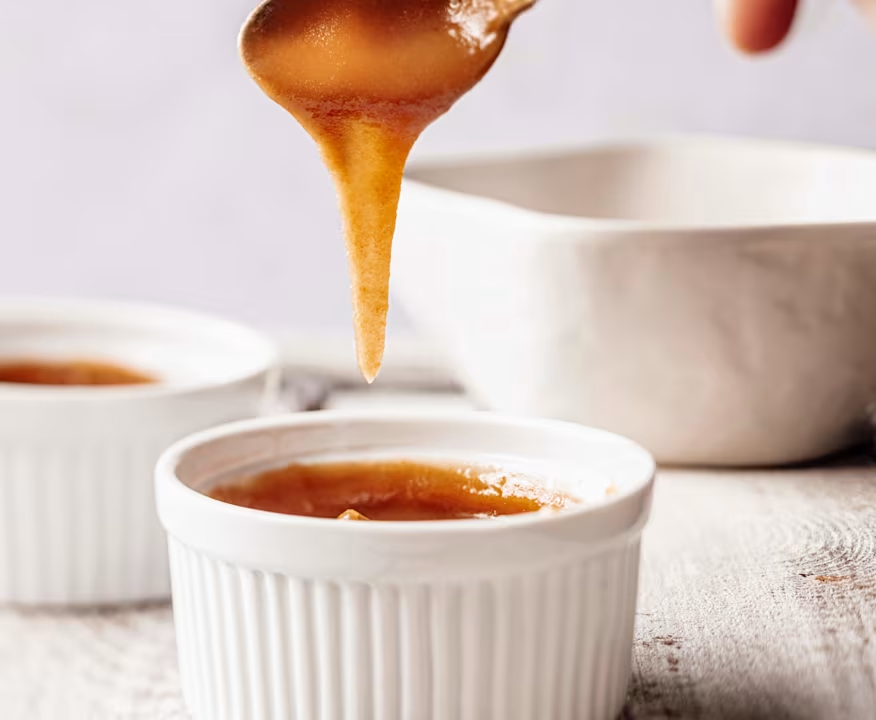
Time
Total preparation and cooking time: approximately 15-20 minutes

- Preparation time: 5 minutes
- Cooking time: 10-15 minutes
- Cooling time: 2-3 minutes (optional, for serving temperature)
Needed Equipment
- Small saucepan (preferably with a heavy bottom for even heat distribution)
- Wooden spoon or heat-resistant silicone spatula
- Measuring spoons and kitchen scale
- Heat-resistant bowl (for optional cooling or mixing)
- Stovetop with adjustable heat control
- Thermometer (optional but recommended for precision)
- Ladle or small pourer (for pouring the cream)
Tags
Sweet, Sauces, Condiments, Dessert Toppings, Homemade, Easy, Quick, Rich, Creamy
Serving Size
Serves: approximately 4-6 tablespoons, enough to top multiple desserts or a small gathering.
Difficulty Level
Intermediate — requires careful temperature monitoring and gradual addition of ingredients to prevent burning or curdling.
Allergen Information
- Contains dairy (heavy cream, butter)
- Contains sugar (carbohydrate allergen)
Dietary Preference
Vegetarian. This recipe does not contain any animal-derived ingredients other than dairy, making it suitable for lacto-vegetarian diets.
Course
Dessert topping, Sauce, Condiment
Cuisine
French-inspired, Classic American
Ingredients
| Ingredient | Quantity |
|---|---|
| Sugar | 100g |
| Water | 25g |
| Heavy Cream (Fresh Liquid) | 50g |
| Butter | 10g |
Instructions
Preparation Phase
Begin by assembling all your ingredients and equipment. Accurate measurement is crucial for the success of this recipe, so use a kitchen scale for the sugar and heavy cream, and measuring spoons for water. Having everything ready before you start ensures a smooth cooking process.
Step 1: Initiating the Caramelization
Pour the water into your small saucepan. The water acts as a medium to evenly distribute heat and prevent the sugar from burning too quickly. Carefully measure out 25 grams of water using a kitchen scale or measuring spoons. Once the water is in the saucepan, sprinkle the 100 grams of sugar evenly on top. Do not stir at this stage; simply let the sugar sit on the surface of the water. Turn the heat to medium. This gentle heat will gradually cause the sugar to dissolve into the water, forming a syrup.
Step 2: Dissolving and Caramelizing the Sugar
Allow the sugar to dissolve naturally. Do not stir, as stirring at this point can cause crystallization, resulting in a grainy sauce. Instead, gently swirl the pan occasionally to help distribute heat evenly. Keep a close eye on the mixture as it heats. You will notice the syrup changing in appearance: the transparent syrup will begin to turn a warm amber hue. This stage is critical; watch for the color to develop gradually, avoiding overdarkening which can lead to a bitter flavor. The ideal caramel color is a rich amber, similar to the hue of a maple syrup or honey. This process typically takes about 7-10 minutes, depending on your stove’s heat and pan material.
Step 3: Removing the Caramel from Heat
As soon as the syrup reaches the desired amber hue, immediately remove the saucepan from the heat to halt further caramelization. The color development is sensitive; overcooking results in bitterness and a burnt flavor. Use a visual cue, and if available, a thermometer to check the temperature—aim for around 170°C (338°F)—but visual cues are usually sufficient. Take care when removing the pan, as the caramel is extremely hot and can bubble vigorously when you add other ingredients.
Step 4: Incorporating the Heavy Cream
Slowly pour the heavy cream into the hot caramel while stirring continuously with a wooden spoon or heat-resistant spatula. This step requires caution because the mixture will bubble up vigorously due to the temperature difference. Add the cream gradually, in small streams, to prevent splattering and ensure smooth integration. Stir constantly to combine the cream thoroughly with the caramelized sugar, creating a smooth, glossy sauce. If lumps or crystallization occur, keep stirring until the mixture becomes homogeneous.
Step 5: Adding the Butter
Once the cream is fully incorporated and the sauce is smooth, add the 10 grams of butter. Continue to stir until the butter melts completely and the sauce becomes shiny and silky. The butter adds richness and helps stabilize the sauce, giving it a luxurious mouthfeel. This step also enhances flavor depth, providing a subtle buttery undertone that complements the caramel’s sweetness.
Step 6: Cooling and Serving
Allow the caramel sauce to cool slightly before serving. It will thicken as it cools, but remains pourable and glossy while warm. If you prefer a thicker consistency, let it sit for a few minutes, or refrigerate for a short period. For immediate use, pouring the warm sauce over ice cream, cakes, or fruit yields an indulgent experience. Be aware that refrigeration will cause the sauce to harden slightly, so gently rewarm before use if needed.
Preparation Tips
- Uniform heat distribution: Use a heavy-bottomed saucepan to prevent hot spots that can cause uneven caramelization.
- Temperature control: Keep a close watch on the color of the caramel; it’s the key indicator for timing and doneness.
- Safety precautions: Always add cream carefully to hot caramel to prevent splattering and burns.
- Measuring accuracy: Use a kitchen scale for sugar and cream to ensure consistent results.
- Use fresh ingredients: Fresh heavy cream yields the best creaminess; avoid using expired or ultra-pasteurized cream which might affect texture.
Nutritional Information
| Nutrient | Per Serving (approximate) |
|---|---|
| Calories | 150 kcal |
| Protein | 1 g |
| Fat | 8 g |
| Saturated Fat | 5 g |
| Carbohydrates | 20 g |
| Sugar | 19 g |
| Cholesterol | 20 mg |
Tips and Tricks
- Color monitoring: Use visual cues rather than relying solely on timers to prevent overcooking.
- Crystallization prevention: Do not stir the sugar during the initial heating phase; only swirl gently if necessary.
- Consistency adjustments: For a thinner sauce, add a touch more cream or warm it slightly before serving.
- Flavor variations: Add a sprinkle of sea salt for salted caramel, or infuse with vanilla extract for extra aroma.
Add-ons
- Vanilla bean or vanilla extract for flavor enhancement
- Sea salt for salted caramel variation
- Spices such as cinnamon or cardamom for a spiced version
- Rum or bourbon for an adult twist
Side Dishes
This caramel sauce pairs beautifully with:
- Vanilla ice cream or gelato
- Chocolate cake or brownies
- Fresh fruit such as apple slices, bananas, or berries
- Crêpes or pancakes
- Sticky toffee pudding or bread pudding
Improvements
- Using a sugar thermometer for precise caramelization
- Adding a pinch of baking soda during caramelization to create a lighter, more effervescent caramel (advanced technique)
- Incorporating flavored liquors to mimic gourmet caramel sauces
- Experimenting with different dairy options like half-and-half for a lighter version
Save and Store
Store leftover caramel sauce in an airtight container in the refrigerator for up to two weeks. Reheat gently in a microwave or over a double boiler before serving, stirring until smooth. For longer storage, freeze in a freezer-safe container for up to three months. Thaw in the fridge overnight and rewarm before use to restore its silky consistency.
FAQ
Can I make caramel sauce without heavy cream?
Yes. You can substitute with evaporated milk or coconut cream for dairy-free options, but note that the flavor and consistency will differ slightly. Using sweetened condensed milk is another alternative, which simplifies the process but results in a thicker, richer sauce.
What if my caramel crystallizes?
This often occurs due to stirring or impurities. To fix crystallization, gently reheat the mixture, adding a small amount of water or lemon juice, and stir gently without agitating the sugar crystals. Alternatively, start anew with clean, dry equipment.
How do I prevent burning the caramel?
Maintain a medium heat, monitor the color closely, and remove the pan from heat immediately once the desired amber hue is achieved. Using a heavy-bottomed pan ensures even heat distribution, reducing the risk of hot spots that burn the sugar.
Conclusion
This homemade caramel sauce, crafted with simple ingredients and a careful eye on the cooking process, promises to elevate your desserts to new heights. Its glossy finish and complex flavor profile make it a must-have for any sweet enthusiast. Whether drizzled over ice cream, layered in cakes, or served alongside fresh fruit, this sauce embodies the decadence and elegance of classic confectionery. Remember, the key lies in patience and attention to detail—master these, and you’ll create a sauce that rivals those from gourmet patisseries. Share your creations and enjoy the rich, buttery goodness that only homemade caramel can offer. For more delightful recipes and culinary tips, visit Love With Recipes, your trusted platform for culinary inspiration.