Introduction
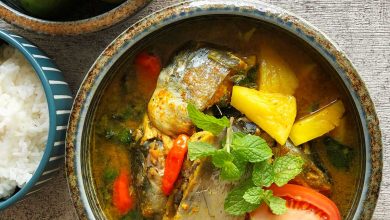
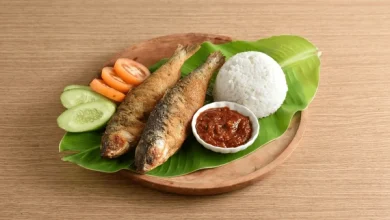
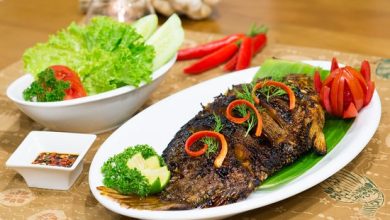
Embark on a culinary journey through the rich and vibrant tapestry of Indonesian cuisine with the traditional dish known as Bandeng Acar Ketimun. This enticing dish marries the succulent, tender flesh of fresh mackerel—locally known as bandeng—with the crisp, refreshing acidity of cucumbers, balanced by a complex blend of aromatic spices and tangy vinegar. Its origins lie deep within Indonesia’s diverse culinary landscape, where flavors are layered, textures are varied, and every ingredient is thoughtfully chosen to evoke a sense of warmth, community, and celebration.

Perfect as a main course or an invigorating side dish, Bandeng Acar Ketimun exemplifies the harmonious blend of savory, tangy, and mildly spicy notes characteristic of Indonesian cooking. It is an ideal dish for family gatherings, festive occasions, or simply elevating everyday meals with a splash of bold flavors. The combination of fresh fish with crunchy vegetables and a vibrant spice marinade makes this dish not only delightful to eat but also a visually appealing addition to your table. As featured on Love With Recipes, this recipe offers a comprehensive guide to recreating authentic Indonesian flavors in your own kitchen, with detailed instructions, tips, and nutritional insights to ensure a memorable cooking experience.
Time
The total preparation and cooking time for Bandeng Acar Ketimun is approximately 50 to 70 minutes, depending on your familiarity with the ingredients and cooking techniques. Here is a breakdown:
- Preparation time: 20-25 minutes — includes cleaning and frying the mackerel, chopping vegetables, and preparing spice paste.
- Cooking time: 25-40 minutes — encompasses sautéing spices, simmering, and melding flavors.
- Resting time: Optional, for flavor to develop further if marinated overnight.
Needed Equipment
To successfully prepare Bandeng Acar Ketimun, gather the following kitchen tools and equipment:
- Frying pan or wok — for frying the mackerel and sautéing spices.
- Blender or food processor — to create the spice paste.
- Large saucepan or deep skillet — for simmering the dish and melding flavors.
- Knife and cutting board — for chopping vegetables, herbs, and fish.
- Peeler or mandoline — optional, for slicing cucumbers evenly.
- Spatula or wooden spoon — for stirring ingredients during cooking.
- Paper towels — to drain excess oil from fried fish.
- Measuring spoons and cups — for accurate ingredient measurement.
- Mixing bowls — for preparing and holding spice pastes and chopped vegetables.
- Storage containers — for leftovers and marination, if applicable.
Tags
Indonesian cuisine, Fish dishes, Pickled foods, Spicy recipes, Seafood, Traditional recipes, Healthy dishes, Family meals
Serving Size
Each serving of Bandeng Acar Ketimun is approximately 300 grams, which provides a balanced combination of fish, vegetables, and flavorful marinade. The recipe typically yields 4 to 6 servings, making it suitable for family meals or small gatherings.
Difficulty Level
This recipe is classified as moderate—it requires some proficiency in handling fish, blending spices, and balancing flavors but is accessible to home cooks with basic culinary experience. The steps are straightforward, and with careful attention, you’ll achieve authentic Indonesian flavors.
Allergen Information
This dish contains potential allergens, including:
- Fish (mackerel)
- Tree nuts or nuts (candlenuts)
- Allium family (onions, garlic)
Adjustments can be made to accommodate allergies, such as substituting candlenuts with macadamia nuts or omitting them altogether.
Dietary Preference
This dish is naturally gluten-free and dairy-free. It can be adapted for a pescatarian diet and is suitable for those following a low-carb or Keto diet with minor modifications (e.g., reducing vinegar content). It’s also a good choice for those seeking high-protein, low-fat options.
Course
Main Course / Side Dish — versatile enough to serve as a standalone main or as a complement to rice and other Indonesian staples.
Cuisine
Indonesian
Ingredients
Fresh Ingredients
| Ingredient | Quantity | Description |
|---|---|---|
| Fresh mackerel (bandeng) | 1 kg | Cleaned and cut into 3 pieces |
| Cucumbers | 250 g | Cut into large chunks (approximately 4 big pieces) |
| Whole bird’s eye chilies (cabe rawit utuh) | 10 | Optional for extra heat |
| Tomatoes | 3 | Chopped into wedges |
| Red onions | 4 large | Roughly chopped |
Ground Spices & Aromatics
| Ingredient | Quantity | Preparation |
|---|---|---|
| Garlic | 3 cloves | Fresh |
| Red onions (for grinding) | 6 cloves | Fresh |
| Fresh turmeric | 1 small piece (~1 teaspoon grated) | Fresh |
| Toasted candlenuts (kemiri) | 3 pieces | Roasted until fragrant |
| Black pepper | A pinch | Ground |
| Salt | To taste |
Herbs & Additional Flavorings
| Ingredient | Quantity | Description |
|---|---|---|
| Bay leaves | 3 leaves | Fresh or dried |
| Galangal | 1 small piece (~1 inch) | Fresh |
| Lemongrass | 1 stalk | Bruised for flavor |
Liquids
| Ingredient | Quantity | Description |
|---|---|---|
| Cooking vinegar | 3 tablespoons | Typically white or rice vinegar |
| Water | As needed | For sautéing and simmering |
Instructions
1. Preparing the Mackerel
Begin by gently cleaning the mackerel, removing any scales, guts, and gills. Rinse thoroughly under cold running water and pat dry with paper towels. Cut the cleaned fish into three manageable pieces, usually dividing along the length of the fish or into approximate portions suitable for serving. Season lightly with salt if desired, but keep in mind the dish’s overall saltiness will come from the marinade.
In a frying pan, heat an ample amount of oil—enough to submerge the fish—over medium heat. When the oil is hot, carefully add the mackerel pieces, skin side down first, to ensure a crispy exterior. Fry until golden brown on each side, approximately 3-4 minutes per side, adjusting heat to prevent burning. Be gentle to avoid breaking the fish. Once cooked, remove the fish from the oil and place on paper towels to absorb excess grease. Set aside.
2. Making the Spice Paste
While the fish is frying, prepare the spice paste. In a blender or food processor, combine the garlic cloves, red onions (for grinding), fresh turmeric, toasted candlenuts, and a pinch of black pepper. Blend until a smooth, aromatic paste forms. If necessary, add a small splash of water to facilitate blending but avoid making the paste too watery.
This spice mixture forms the flavor foundation of the dish, infusing it with depth and complexity.
3. Sautéing Aromatics and Spices
In a large saucepan or wok, heat a tablespoon of oil over medium heat. Add the bay leaves, bruised lemongrass stalk, and sliced galangal. Sauté for about 1-2 minutes until fragrant, releasing essential oils that form the aromatic base of the dish.
Add the spice paste to the pan, stirring constantly to prevent sticking or burning. Cook for 4-5 minutes, allowing the spices to deepen in color and aroma, signaling that they are well toasted and fragrant.
4. Incorporating Liquids and Flavor Enhancers
Pour in the water and the cooking vinegar, stirring well to combine. Bring the mixture to a gentle simmer, allowing the flavors to meld. This step is crucial for developing the tangy profile characteristic of acar-style dishes.
Adjust the acidity or saltiness by adding more vinegar or salt to suit your taste preferences. Simmer for 2-3 minutes, ensuring the spice paste is well integrated into the liquid base.
5. Assembling and Cooking the Dish
Carefully add the fried mackerel pieces into the aromatic sauce, ensuring each piece is coated with the spice mixture. Then, introduce the cucumber chunks, whole bird’s eye chilies, chopped tomatoes, and chopped red onions. Gently stir to distribute ingredients evenly without breaking the fish or crushing the vegetables.
Allow the mixture to simmer for an additional 8-10 minutes, just enough for the cucumbers to soften slightly while maintaining their crunch. The tomatoes will release their juices, enriching the sauce, and the flavors will intensify.
Taste the dish and adjust seasoning—adding salt or vinegar if necessary. The goal is a balance of tangy, savory, and mildly spicy notes that highlight the freshness of the ingredients.
6. Final Touches and Serving
Once the flavors are well-developed and the dish is heated through, remove from heat. Serve Bandeng Acar Ketimun warm or at room temperature, accompanied by steamed jasmine rice or other preferred side dishes. The dish is best enjoyed freshly made, but it can also be stored for later consumption, allowing flavors to deepen.
Preparation Tips
- Choosing fresh fish: Select mackerel that is shiny, firm, and has a fresh ocean smell. Freshness is key to achieving tender, flavorful fish.
- Handling the spice paste: For a smoother texture, peel the red onions and garlic before blending. Toast the candlenuts for enhanced flavor and easier blending.
- Adjusting spice level: Use more or fewer bird’s eye chilies based on your heat tolerance. Remove seeds for milder heat.
- Cooking the fish: Do not overcook to keep the mackerel tender and moist. Fry until just golden and cooked through.
- Flavor development: For a deeper flavor, marinate the fried fish in the spice mixture for a few hours or overnight before simmering.
Nutritional Information
| Nutrient | Per Serving (approx. 300g) |
|---|---|
| Calories | Approximately 200 kcal |
| Protein | 18 g |
| Carbohydrates | 10 g |
| Fat | 12 g |
| Fiber | 2 g |
| Sodium | 450 mg |
Tips and Tricks
- Enhancing flavor: Add a splash of lime juice or tamarind paste during simmering for extra tang.
- Vegetable variations: Substitute or add other vegetables like carrots or bean sprouts for added texture and flavor.
- Marination: Marinate the fried fish in the spice mixture for 2-4 hours to intensify the flavor.
- Serving suggestions: Serve alongside Indonesian sambal or a fresh side of rice to complete the meal.
- Storage: Keep leftovers refrigerated in an airtight container for up to 2 days for best quality.
Add-ons
- Extra heat: Top with additional sliced bird’s eye chilies or chili oil for spice lovers.
- Herbs: Garnish with chopped coriander or Indonesian basil for a fresh herbal note.
- Accompaniments: Serve with fried tempeh, sambal, or a side dish of sautéed greens.
Side Dishes
- Steamed jasmine rice
- Indonesian sambal or chili sauce
- Fried tempeh or tofu
- Steamed vegetables such as bok choy or spinach
- Gado-gado (Indonesian vegetable salad with peanut sauce)
Improvements and Variations
- Marinated version: Marinate the fried fish in the spice mixture overnight for a more intense flavor profile.
- Pickling method: Extend marination time in the refrigerator for a more pronounced pickled flavor—up to 24 hours.
- Alternative fish: Use other firm white fish like snapper or tilapia as substitutes for mackerel.
- Vegan adaptation: Replace fish with tofu or tempeh, and adjust seasonings accordingly.
Save and Store
Allow the dish to cool completely before transferring it to airtight containers. Store in the refrigerator for up to 2 days. It is recommended to consume the dish within this period to enjoy optimal freshness and flavor.
For longer storage, consider freezing in portions—just ensure to reheat thoroughly before serving.
FAQ
Can I prepare this dish ahead of time?
Yes, preparing the dish a day in advance can allow flavors to meld more deeply. However, the cucumbers may lose some crunch, so add fresh ones just before serving if you prefer a crisp texture.
Is it necessary to fry the fish first?
Frying adds flavor and texture but can be skipped if you prefer a healthier, less greasy option. You can poach or bake the fish instead, adjusting cooking times accordingly.
Can I make this dish spicier?
Absolutely. Increase the number of bird’s eye chilies or add chili powder to the spice paste for a more fiery kick.
What are suitable substitutes for candlenuts?
In case of allergies or unavailability, use macadamia nuts, cashews, or omit entirely, understanding it may slightly alter the flavor profile.
Conclusion
Bandeng Acar Ketimun represents the essence of Indonesian culinary artistry—combining fresh seafood with vibrant spices and crisp vegetables to create a dish that is both satisfying and invigorating. Its versatility makes it suitable for various occasions, from casual family dinners to festive celebrations. The balance of flavors—savory fish, tangy vinegar, and aromatic herbs—embodies the warmth and hospitality that Indonesian cuisine is renowned for. By following this detailed guide, you can bring authentic Indonesian flavors to your kitchen, impressing friends and family alike. Explore the depth of Indonesian culinary traditions with each bite, and enjoy the delightful harmony of textures and tastes that this dish offers.
References
- Indonesian Food & Cooking, by Sri Owen, 2002.
- Authentic Indonesian Recipes, by Martha Stone, 2015.