

Introduction
The Zuni Jackrabbit Stew is a culinary homage to Native American traditions, specifically rooted in the rich food history of the Zuni people, a Native American tribe from the southwestern United States. This hearty, flavorful stew combines tender, gamey rabbit meat with hominy, vibrant vegetables, and aromatic spices, resulting in a dish that embodies the spirit of communal sharing and reverence for the land’s bounty. Traditionally, such stews were prepared over slow fires, allowing flavors to meld and develop complexity over hours of simmering. Today, this recipe brings that ancient wisdom into your kitchen, offering a nourishing and culturally significant meal that is perfect for cozy weeknights or special gatherings. Crafted with care, this stew is not only a celebration of indigenous culinary heritage but also a versatile dish adaptable to modern tastes and ingredients, making it a timeless addition to your recipe repertoire. As part of the Love With Recipes platform, this recipe aims to preserve and honor Native American culinary traditions while providing detailed instructions, tips, and insights to ensure your success in recreating this soulful dish.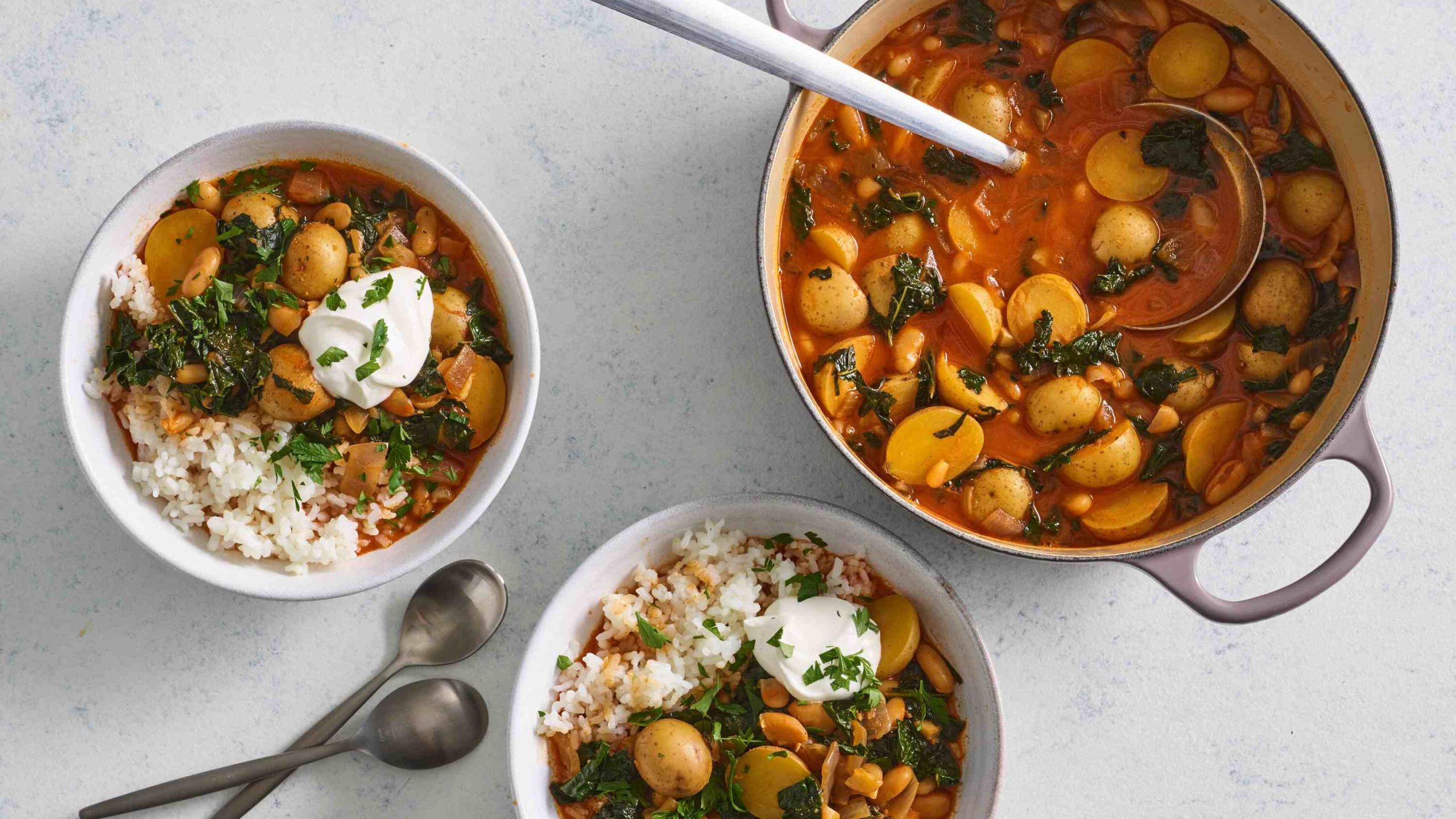

Time
Total preparation and cooking time: 3 hours and 20 minutes
Prep Time: 20 minutes
Cook Time: 3 hours
Needed Equipment
- Large Dutch oven or heavy-bottomed kettle: Essential for slow simmering and even heat distribution.
- Sharp chef’s knife: For cutting and preparing the meat and vegetables.
- Cutting board: A sturdy surface for chopping ingredients.
- Measuring cups and spoons: For precise measurement of ingredients.
- Mixing bowls: To combine spices and flour.
- Wooden spoon or silicone spatula: For stirring and incorporating ingredients.
- Strainer or colander: Optional, for rinsing hominy if canned.
- Kitchen tongs: For handling hot meat pieces.
- Serving utensils: Ladle or large spoon for dishing out the stew.
- Thermometer (optional): To ensure proper meat doneness if desired.
Tags
Native American, Traditional, Hearty, Rustic, Comfort Food, Game Meat, Slow-Cooked, Family Dinner, Cultural Heritage, Warm Meal, Winter Comfort
Serving Size
This recipe yields approximately 6 to 8 servings, depending on portion sizes and accompaniments.
Difficulty Level
Moderate. The process involves proper handling of game meat, slow simmering, and flavor balancing, making it suitable for cooks with some experience in preparing hearty stews.
Allergen Information
- Contains: Meat (rabbit), gluten (flour), and possible cross-contact with other ingredients if not prepared carefully.
- Note: Hominy is processed corn and may be problematic for those with corn allergies or sensitivities.
Dietary Preference
This dish is suitable for omnivores and those following a paleo or primal diet, given the use of lean game meat and natural ingredients. It is not vegetarian or vegan due to the inclusion of rabbit meat.
Course
Main course / Stew / Hearty meal
Cuisine
Native American / Southwestern American
Ingredients
Ingredient Table
| Ingredient | Quantity | Notes |
|---|---|---|
| Jackrabbit meat | 1 whole jackrabbit, cut into serving pieces | Fresh or thawed if frozen; can substitute with chicken or turkey |
| Hominy | ¾ cup | Canned hominy preferred for convenience, rinsed if canned |
| Sweet peppers | 2, diced | Any color: red, yellow, or green |
| Onions | 2, chopped | Yellow or white onions work well |
| Carrots | 6, sliced | Fresh carrots for sweetness and color |
| Water | 6 cups | For simmering the stew |
| Additional onion (finely chopped) | 1 | For depth of flavor |
| Chili powder | 1 tablespoon | Adjust for spice preference |
| Flour | ½ cup | For thickening the stew |
| Salt | 1½ teaspoons | Adjust to taste |
Instructions
Step 1: Preparing the Meat
Begin by carefully cutting the jackrabbit into manageable serving-size pieces. Use a sharp, high-quality chef’s knife to ensure clean cuts, and handle the meat gently to avoid tearing the fibers. If the rabbit has been frozen, thaw it completely in the refrigerator for several hours or overnight to facilitate easier cutting and uniform cooking. Once prepared, trim excess fat or connective tissue, but retain as much flavor as possible. If you prefer, you can use chicken or turkey as a substitute, especially if game meat is unavailable, though the flavor profile will differ slightly.
Step 2: Browning the Meat
Select a large Dutch oven or heavy-bottomed kettle, which is crucial for even heat distribution and slow simmering. Pour enough cooking oil (such as vegetable or canola oil) into the vessel to coat the bottom generously. Heat the oil over medium-high heat until it begins to shimmer and just starts to smoke lightly—this indicates the oil is hot enough for proper searing. Carefully add the jackrabbit pieces to the hot oil, ensuring not to overcrowd the pan; if necessary, work in batches. Brown the meat on all sides, turning with tongs or a wooden spoon, to develop a rich, caramelized exterior. This step is vital for sealing in juices and creating a complex flavor foundation for the stew. Once browned, remove the meat from the pot and set aside. Drain excess oil if necessary, leaving a thin film at the bottom to continue flavor development.
Step 3: Deglazing and Starting the Simmer
Pour a small amount of water—just enough to cover the bottom of the kettle—into the browned meat residue, and use a wooden spoon to scrape up any flavorful browned bits stuck to the bottom (deglazing). Bring the liquid to a gentle simmer, then add the browned jackrabbit pieces back into the pot. Cover and reduce heat to low. Allow the meat to simmer gently for approximately 2 hours, maintaining a low, steady heat. This slow cooking process tenderizes the meat, infusing it with flavors of the browned exterior, and begins to develop the stew’s depth. During this time, avoid stirring too vigorously; gentle stirring or occasional tilting of the pot will prevent breaking apart the delicate meat pieces.
Step 4: Preparing Vegetables and Adding Flavors
While the meat simmers, prepare your vegetables. Dice the sweet peppers, chop the onions, and slice the carrots uniformly for even cooking. Finely chop the additional onion for layering flavor. Once the initial 2 hours of simmering are complete, add the prepared vegetables directly into the stew, distributing them evenly around the meat. Sprinkle the chili powder over the mixture, stirring gently to combine and coat the ingredients. The chili powder introduces warmth and a subtle smoky aroma characteristic of southwestern cuisine, complementing the gamey flavor of the rabbit. Adjust the amount of chili powder according to your spice preference—more for heat, less for mildness.
Step 5: Thickening the Stew
In a separate small bowl, combine the flour and salt thoroughly. This mixture acts as a thickening agent, giving the stew a luscious, hearty consistency. Lightly sprinkle the flour-salt mixture over the stew, stirring gently to incorporate. Be cautious not to add the flour all at once; instead, sprinkle gradually while stirring to prevent lumps. Continue to cook uncovered or partially covered for an additional hour, allowing the flavors to meld and the vegetables to become tender. The stew should thicken into a rich, velvety sauce, with the meat falling apart and the vegetables soft but intact.
Step 6: Final Adjustments and Serving
Once the carrots are tender and the stew has thickened to your desired consistency, taste and adjust seasoning if necessary. You might add more salt, chili powder, or a pinch of black pepper to enhance the flavors. Serve the hot stew garnished with fresh herbs such as chopped cilantro or parsley, if desired, to add a burst of freshness. Accompany the stew with traditional sides like warm cornbread, fluffy rice, or even hearty frybread to soak up the delicious broth. This dish is best enjoyed piping hot, ideally with family or friends gathered around, sharing stories and celebrating indigenous culinary heritage.
Preparation Tips
- Meat handling: Use high-quality, fresh game meat from a reputable source. If wild-caught, ensure it has been properly cleaned and inspected for safety. Always handle raw meat with clean hands and utensils to prevent cross-contamination.
- Flavor development: Browning the meat thoroughly is crucial for depth of flavor. Do not rush this step.
- Slow simmering: Patience is key. Low and slow cooking tenderizes the meat and allows flavors to deepen.
- Vegetable choice: Feel free to add other native vegetables, such as squash or beans, to customize your stew.
- Spice adjustment: Taste as you go—add more chili powder or spices gradually to reach your preferred heat and flavor profile.
Nutritional Information
| Nutrient | Per Serving |
|---|---|
| Calories | 914.9 kcal |
| Fat Content | 56.9 g |
| Saturated Fat | 7.5 g |
| Cholesterol | 0 mg |
| Sodium | 3435 mg |
| Carbohydrates | 93 g |
| Fiber | 11.6 g |
| Sugar | 16.4 g |
| Protein | 11.3 g |
Tips and Tricks
- Using wild game meat: If sourcing wild jackrabbit isn’t feasible, opt for lean cuts of chicken or turkey. Marinate poultry in a mixture of herbs and spices beforehand to mimic the flavor profile of game meat.
- Hominy tips: Using canned hominy simplifies preparation. Rinse thoroughly to remove excess sodium and preserve the flavor.
- Spice variations: Incorporate smoked paprika or cumin for a different flavor twist. Adding a dash of cayenne can increase heat.
- Vegetable swaps: Feel free to add native ingredients like squash, beans, or native herbs such as sage or juniper berries for added authenticity and flavor complexity.
- Cooking vessel alternatives: If a Dutch oven isn’t available, a slow cooker on low setting can be used for extended cooking, though it may alter the flavor profile slightly.
Add-ons
- Chopped fresh herbs (cilantro, parsley)
- Crumbled queso fresco or feta cheese for garnish
- Hot sauce or sliced jalapeños for additional spice
- A squeeze of fresh lime juice to brighten flavors
Side Dishes
- Warm cornbread or frybread to complement the stew
- Steamed or sautéed native beans
- Fluffy white or brown rice
- Native-style roasted squash or corn on the cob
Improvements and Variations
- Vegetarian version: Replace rabbit with hearty mushrooms or plant-based protein sources, and use vegetable broth instead of water.
- Spice level: Increase or decrease chili powder and add hot peppers for a spicier stew.
- Thickening options: Use masa harina or additional flour for a thicker, more authentic Native American-style stew.
- Slow cooking: For enhanced flavor development, cook in a slow cooker on low for 6-8 hours after initial browning.
Save and Store
Leftovers can be stored in airtight containers in the refrigerator for up to 3 days. For longer storage, freeze portions in freezer-safe containers for up to 3 months. To reheat, gently warm on the stovetop over low heat, adding a splash of water or broth if necessary to restore moisture. The flavors tend to deepen over time, making leftovers even more delicious.
FAQ
Can I substitute other wild game meats?
Yes, venison, elk, or other lean game meats can be used as substitutes. Adjust cooking times accordingly, as different meats may require different tenderizing periods.
Is hominy necessary?
Hominy adds a distinctive texture and historical authenticity to the stew. However, if unavailable, you can substitute with cooked corn kernels or omit it altogether, understanding that the dish’s flavor profile will change slightly.
Can I make this stew vegetarian?
Replacing the rabbit with hearty vegetables or plant-based proteins and using vegetable broth makes a flavorful vegetarian version, though it will lack the traditional gamey flavor.
What’s the best way to handle wild rabbit or game meat for safety?
Always source from reputable suppliers, ensure proper cleaning and cooking, and cook thoroughly to an internal temperature of at least 165°F (74°C) to eliminate pathogens.
Conclusion
The Zuni Jackrabbit Stew is more than just a nourishing meal; it’s a cultural artifact that connects us to the indigenous traditions of the American Southwest. Its slow-cooked richness, layered flavors, and historical significance make it a remarkable dish to prepare and share. Whether you’re an experienced chef or a culinary explorer eager to delve into Native American cuisine, this stew offers an authentic taste experience that honors the land, the people, and the enduring spirit of traditional cooking. Remember, the key to its exceptional flavor lies in patience, proper ingredient handling, and a respect for the culinary heritage it represents. As you enjoy each spoonful, you partake in a centuries-old tradition that celebrates community, land, and the enduring flavors of the American Southwest. For more such authentic recipes and culinary insights, visit Love With Recipes, where tradition meets taste in every dish.
References
- Native American Food Traditions – Smithsonian National Museum of the American Indian
- The Food of the Southwest – Native American Culinary Heritage Institute