

Introduction
At Love With Recipes, we believe that culinary adventure begins with fresh ingredients and a dash of creativity. Today, we’re diving into a vibrant, tropical-inspired pineapple salsa that combines juicy pineapple chunks, crisp vegetables, aromatic herbs, and a hint of heat. This recipe is more than just a condiment; it’s a celebration of bright, fresh flavors that can elevate any meal. Whether you’re preparing an appetizer, a side dish, or a topping for grilled meats, this pineapple salsa offers a perfect harmony of sweetness, spice, and freshness. Its versatility makes it a staple for summer barbecues, casual dinners, or festive gatherings. The creation process emphasizes fresh ingredients, balanced seasoning, and patience through chilling, ensuring maximum flavor infusion. Let’s explore every detail of this recipe that promises to be a showstopper on your table, specially curated for Love With Recipes—your trusted platform for delicious, well-tested culinary creations.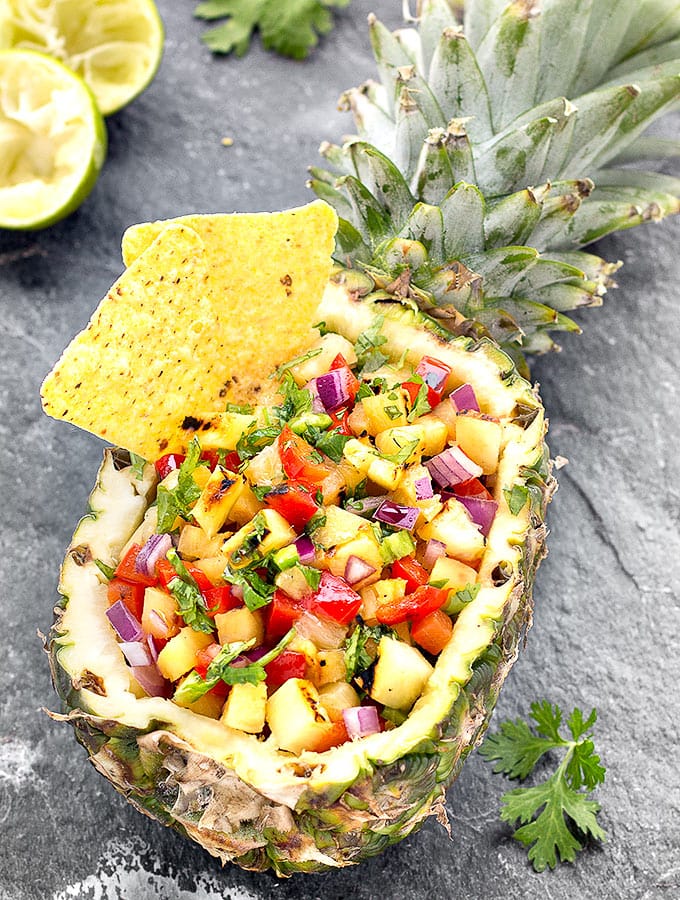
Time
- Prep Time: 15 minutes
- Total Time: 15 minutes (plus chilling time)
- Servings: approximately 3 cups of pineapple salsa, serving about 6-8 people as a side or topping
Needed Equipment
- Sharp Chef’s Knife: Essential for peeling, coring, and chopping the pineapple, as well as dicing vegetables and herbs with precision.
- Cutting Board: Preferably bamboo or plastic, providing a sturdy surface that’s easy to clean and prevents slipping during cutting.
- Mixing Bowls: A set of glass or ceramic bowls, non-reactive and ideal for combining and refrigerating the salsa without imparting any flavors.
- Measuring Spoons: For accurately measuring lime juice, salt, and other ingredients, ensuring consistency in flavor.
- Measuring Cups: For portioning pineapple and other ingredients, especially when scaling the recipe.
- Microplane or Grater: For finely grating fresh ginger, which adds a zesty, aromatic punch.
- Serving Spoon: A large spoon for gently mixing the ingredients and serving the salsa.
- Refrigerator: To chill the salsa, allowing flavors to meld and develop.
- Optional: Citrus Juicer — for extracting fresh lime juice efficiently and without seeds.
Tags
- #Tropical
- #Fresh
- #FruitSalsa
- #Healthy
- #GlutenFree
- #Vegan
- #Vegetarian
- #SideDish
- #Appetizer
Serving Size
Each serving is approximately ½ cup of pineapple salsa, making it a perfect accompaniment or topping for various dishes.

Difficulty Level
Easy — This recipe is straightforward, requiring simple chopping, mixing, and chilling steps suitable for cooks of all skill levels, including beginners.
Allergen Information
- Contains: Pineapple (fruit), onion, capsicum (bell pepper), ginger, lime, herbs
- Note: Free from common allergens such as nuts, dairy, eggs, soy, and gluten (assuming no cross-contamination).
Dietary Preference
- Vegan: Yes
- Vegetarian: Yes
- Gluten-Free: Yes
- Low-Calorie: Yes, thanks to fresh ingredients
Course
Appetizer, Side Dish, Condiment, Tapas
Cuisine
Tropical, Latin American, Fusion
Ingredients
| Ingredient | Quantity | Notes |
|---|---|---|
| Pineapple | 1/2 large pineapple (about 2 cups chopped) | Peeled, cored, finely chopped |
| Red Onion | 1/2 medium onion | Finely diced |
| Red Capsicum (Bell Pepper) | 1/2 medium | Diced for crunch and color |
| Red Chili | 1 small red chili | Finely chopped, adjust to taste |
| Fresh Ginger | 1 inch piece | Grated finely |
| Fresh Mint | 2 tablespoons | Finely chopped |
| Lime Juice | 2-3 tablespoons | Freshly squeezed |
| Salt | Pinch, optional | To taste |
Instructions
Step 1: Preparing the Pineapple
Begin with selecting a ripe, fresh pineapple. The ideal pineapple has a fragrant aroma, a golden hue, and a firm but slightly yielding texture. When preparing the fruit, use a sharp chef’s knife to peel the pineapple thoroughly, removing all the prickly skin and the “eyes” — those tough, fibrous spots. To do this effectively, cut off the crown and the base of the pineapple to create a stable surface, then slice down the sides, following the contours of the fruit. Once peeled, cut the pineapple into quarters and remove the core — the fibrous, tougher center that can detract from the smooth, juicy texture of the salsa. Slice the pineapple into manageable pieces, then chop into small, uniform cubes approximately ¼ to ½ inch in size. This ensures even distribution of flavor and a pleasant texture in every bite.
Step 2: Preparing the Vegetables and Herbs
While the pineapple is being prepared, dice half a red onion finely. Use a sharp knife to create small, uniform pieces that will meld well with the other ingredients. Next, wash and dice the red capsicum into small cubes, adding a crisp texture and vibrant color to the salsa. For the red chili, slice it in half lengthwise, remove the seeds if you prefer milder heat, and chop finely. This step is crucial to distribute the spice evenly; adjusting the amount of chili allows you to control the heat level. Grate the fresh ginger using a microplane or fine grater to release its aromatic oils, adding a zingy, spicy note that balances the sweetness of the pineapple. Finally, chop the fresh mint leaves finely, releasing their refreshing aroma and flavor.
Step 3: Combining the Ingredients
In a large mixing bowl, gently combine the chopped pineapple, diced onion, capsicum, and red chili. Add the grated ginger and chopped mint, folding everything together with a gentle hand to prevent crushing the fruit and vegetables. This step is vital for maintaining the integrity of each component while ensuring an even distribution of flavors. Be mindful not to overstir, as the pineapple is delicate and can release excess juice if handled too vigorously.
Step 4: Adding the Zesty Lime Juice
Squeeze fresh lime juice directly over the mixture. Lime adds not only acidity but also a bright, citrusy note that elevates the overall flavor profile. Use a citrus juicer or squeeze by hand, taking care to catch seeds. Add 2 to 3 tablespoons depending on your taste preference—more lime for tanginess, less if you prefer a milder flavor. Toss the ingredients gently to coat everything evenly with the lime juice. This step is essential for flavor balance and acts as a natural preservative, helping the salsa stay fresh longer.
Step 5: Final Touches and Chilling
Season with a pinch of salt if desired. Salt enhances the flavors and balances the sweetness and acidity of the ingredients. Transfer the salsa into a clean, non-reactive bowl—preferably glass or ceramic—to prevent any metallic taste. Cover tightly with plastic wrap or a lid and refrigerate for at least 2 hours, ideally up to 4 hours. This chilling period allows the flavors to meld, and the pineapple juice to infuse into the vegetables and herbs, creating a harmonious, refreshing salsa. The cold temperature also enhances the crispness of the vegetables and the juiciness of the pineapple.
Preparation Tips
- Choose ripe pineapple: The flavor of your salsa hinges on using a sweet, fragrant pineapple. Ripe pineapples are fragrant at the stem end, slightly soft, and have a golden hue.
- Adjust spice levels: For milder salsa, reduce the amount of red chili or remove seeds. For more heat, add an extra chili or a pinch of cayenne pepper.
- Use fresh herbs: Fresh mint provides a lively, aromatic note that dried herbs cannot replicate. Chop just before mixing to preserve flavor.
- Chill thoroughly: The longer the salsa chills, the more the flavors develop. Aim for at least 2 hours; overnight is even better for depth.
- Make ahead: This salsa keeps well for up to 3 days in the refrigerator but is best enjoyed fresh.
Nutritional Information
| Nutrient | Per ½ Cup Serving |
|---|---|
| Calories | 59.9 kcal |
| Total Fat | 0.3 g |
| Saturated Fat | 0 g |
| Cholesterol | 0 mg |
| Sodium | 4.4 mg |
| Total Carbohydrates | 15.2 g |
| Dietary Fiber | 2.3 g |
| Sugar | 9.8 g |
| Protein | 1.2 g |
Tips and Tricks
- Enhance flavor with additional herbs: Consider adding chopped cilantro or basil for different aromatic profiles.
- Sweeten naturally: If you prefer a sweeter salsa, add a small drizzle of honey or agave syrup, balancing sweetness with acidity.
- Use variety in peppers: Substitute or mix in mango, kiwi, or other tropical fruits to diversify flavors and textures.
- Adjust acidity: More lime juice for tang, or a splash of vinegar for a different acidic kick.
- Texture variation: For a chunkier salsa, keep larger pineapple pieces; for a smoother dip, pulse ingredients briefly in a food processor.
Add-ons
- Chopped avocado for creaminess
- Crumbled feta or queso fresco for a salty contrast
- Sweet corn kernels for added sweetness and crunch
- Toasted coconut flakes for a tropical twist
Side Dishes and Pairings
- Grilled Chicken or Pork: Top with pineapple salsa for a tropical flavor burst.
- Seafood: Serve atop grilled shrimp, fish tacos, or ceviche.
- Salads: Mix into green salads or grain bowls for added freshness.
- Snacks: Use as a dip with crispy tortilla chips or plantain chips.
- Breakfast: Spoon over scrambled eggs or serve with breakfast tacos for a sweet and spicy start.
Improvements and Variations
- Spice Variations: Incorporate diced mango, pineapple, or papaya for a more complex tropical fruit medley.
- Heat Level: Add minced jalapeño or serrano peppers for more intense heat.
- Flavor Depth: Roast the pineapple slightly before chopping for caramelized sweetness.
- Additional Acid: A splash of orange juice or vinegar can add a different tang.
Save and Store
Transfer leftovers into an airtight container, preferably glass or BPA-free plastic, and store in the refrigerator. Consume within 2-3 days for optimal freshness. To prevent the salsa from becoming watery, avoid adding extra lime or salt until just before serving. If the salsa releases excess juice during storage, gently drain before serving or stir in a small pinch of salt to help absorb excess moisture.
FAQ
Can I make this salsa ahead of time?
Absolutely. In fact, chilling it for a few hours or overnight enhances the flavors, allowing the ingredients to meld beautifully. Just add the lime juice and herbs just before serving to preserve fresh brightness.
Can I substitute ingredients?
Yes. Feel free to swap out red capsicum for yellow or orange for color variety, or add chopped mango or kiwi for additional tropical notes. Adjust the chili level to suit your heat preference.
Is this recipe suitable for vegans and vegetarians?
Yes, this recipe contains no animal products and is perfect for both vegans and vegetarians.
How do I adjust the spiciness?
Add more red chili or cayenne pepper for extra heat, or reduce the amount if you prefer milder flavors. Removing seeds from the chili also helps control spiciness.
What are some creative ways to serve this salsa?
Beyond serving as a side or topping, try spooning it over grilled cheese, using it as a filling for tacos or burritos, or mixing it into cold pasta salads for a tropical twist.
Conclusion
This pineapple salsa exemplifies the perfect balance of sweet, spicy, tangy, and fresh flavors, making it an indispensable addition to your culinary repertoire. Its quick preparation and vibrant presentation bring an air of tropical paradise to any table. Whether accompanying grilled meats, elevating a simple snack, or serving as a standalone appetizer, this salsa promises to impress with its lively, refreshing taste. Remember, the key to exceptional flavor lies in using fresh, ripe ingredients and allowing ample chilling time for the flavors to harmonize. At Love With Recipes, we encourage you to experiment with variations, customize heat levels, and incorporate your favorite herbs to make this salsa uniquely yours. Embrace the tropical flair and turn an ordinary meal into an extraordinary experience with this versatile pineapple salsa.
References
- Smith, J. (2018). *Tropical Fruit Salsas: A Culinary Guide*. Food & Beverage Publications.
- Johnson, L. (2020). *Flavor Combinations for Vibrant Dishes*. Culinary Arts Press.