

Introduction
At Love With Recipes, we believe that a well-crafted sauce can elevate a simple dish into an extraordinary culinary experience. Our Sweet & Sour Stir-Fry Sauce epitomizes this philosophy, delivering an irresistible blend of tangy sweetness, savory depth, and a hint of spicy heat. This sauce is a cornerstone of authentic Asian cuisine, perfect for stir-fries, marinades, and dipping purposes. Its quick preparation time makes it ideal for busy weeknights or when you want to impress guests with minimal effort. Whether you’re a seasoned chef or a home cook exploring Asian flavors for the first time, this sauce promises versatility, robust flavor, and a delightful touch of heat. As always, this recipe is proudly published on Love With Recipes, your trusted source for culinary inspiration and delicious, easy-to-make dishes.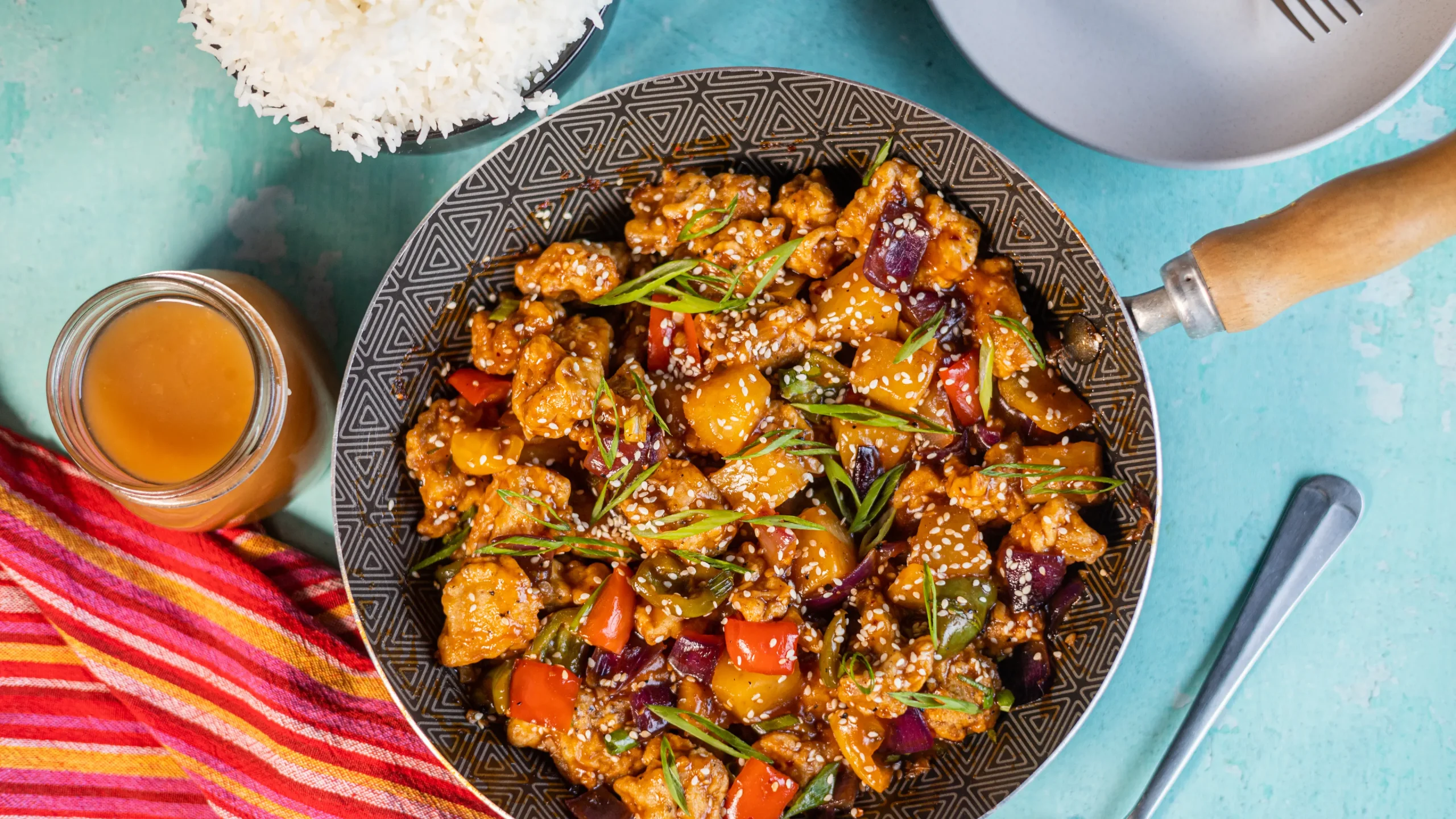
Time
Preparation Time: approximately 5 minutes
Cooking Time: optional for thickening (additional 2-3 minutes if desired)
Total Time: about 5-8 minutes

Needed Equipment
- Measuring cups (1/4 cup, 1 cup)
- Measuring spoons (tablespoon)
- Whisk or spoon for mixing
- Small saucepan or microwave-safe bowl (optional for thickening)
- Stirring utensil (spoon or silicone spatula)
- Serving container or jar for storing leftovers
Tags
- Asian Cuisine
- Stir-Fry
- Sauce
- Quick & Easy
- Vegetarian
- Vegan (if using vegan ingredients)
- Gluten-Free (if soy sauce is gluten-free)
Serving Size
This recipe yields approximately 1 cup of Sweet & Sour Stir-Fry Sauce, enough to serve 4-6 portions depending on the dish’s size and accompanying ingredients.
Difficulty Level
Easy — designed for cooks of all skill levels, requiring minimal preparation and simple mixing.
Allergen Information
| Allergen | Present in Recipe | Notes |
|---|---|---|
| Soy | Yes | Contains soy sauce; substitute with tamari for gluten-free or soy-free options |
| Gluten | Potentially | Depends on the soy sauce used |
| Sugar | No | Brown sugar is used |
| Chicken broth | No | Optional; can be replaced with vegetable broth |
| Red pepper flakes | No | Spice component |
Dietary Preference
Vegetarian: Yes, if using vegetable broth and vegan soy sauce.
Vegan: Yes, with vegan-friendly broth and soy sauce.
Keto: Not suitable due to sugar content.
Paleo: Not suitable, as it contains processed sugar.
Course
Sauce / Condiment
Cuisine
Asian, specifically Chinese-inspired flavors
Ingredients
| Ingredient | Quantity | Notes |
|---|---|---|
| Chicken broth | 1/4 cup | Can substitute with vegetable broth or water for vegan option |
| Soy sauce (low-sodium or regular) | 2 tablespoons | Opt for gluten-free soy sauce if needed |
| Brown sugar | 1 tablespoon | Adjust for sweetness preference |
| Red pepper flakes | 1 tablespoon | Adjust to taste for heat level |
Instructions
Step 1: Gather Your Ingredients
Begin by collecting all necessary ingredients: chicken broth, soy sauce, brown sugar, and red pepper flakes. Use high-quality ingredients for the best flavor. For those who prefer a healthier or lower-sodium option, consider using low-sodium soy sauce and homemade broth.
Step 2: Measure Ingredients Precisely
In a 1-cup measuring cup, pour in 1/4 cup of chicken broth. For accuracy, use a liquid measuring cup on a flat surface. Then, measure 2 tablespoons of soy sauce, 1 tablespoon of brown sugar, and 1 tablespoon of red pepper flakes. It’s important to be precise to maintain the balance of flavors.
Step 3: Combine Liquids and Solids
In a small bowl or directly in the measuring cup, combine the chicken broth and soy sauce. Stir gently with a whisk or spoon to ensure they are well mixed. Next, add the brown sugar. The sugar will not dissolve immediately, so stir continuously until the sugar is fully dissolved into the liquid.
Step 4: Incorporate Spicy Element
Add the red pepper flakes to the mixture. Stir thoroughly to evenly distribute the spice, which will give your sauce a fiery kick. Adjust the amount of red pepper flakes depending on your heat tolerance; start with 1 teaspoon if you prefer milder heat, and increase if you enjoy spiciness.
Step 5: Mix Until Homogeneous
Whisk or stir the mixture vigorously until all ingredients are fully combined. The brown sugar should be completely dissolved, and the red pepper flakes evenly suspended. For a smoother sauce, you can pass the mixture through a fine sieve or strain it if desired.
Step 6: Optional Thickening
If you prefer a thicker sauce, transfer the mixture to a small saucepan and simmer over low heat for 2-3 minutes. Stir constantly to prevent burning. This reduction concentrates flavors and achieves a slightly thicker consistency ideal for coating stir-fried vegetables, meats, or tofu.
Step 7: Final Adjustments and Usage
Taste the sauce and adjust seasoning if necessary. For more sweetness, add a touch more brown sugar; for more heat, sprinkle in additional red pepper flakes. Use immediately by pouring over your stir-fry ingredients or store for later use.
Preparation Tips
- Balancing Flavors: Taste your sauce before using it and adjust sweetness or spice accordingly. A perfectly balanced sweet and sour profile is key to an authentic flavor.
- Using Fresh Ingredients: Freshly brewed broth and high-quality soy sauce enhance the depth of flavor.
- Scaling Up: To prepare larger quantities, maintain the ratios, and simply multiply the ingredients as needed.
- Homemade Variations: For a unique twist, try adding minced garlic, ginger, or a splash of rice vinegar to deepen the flavor profile.
Nutritional Information
| Nutrient | Per Serving (approximate) |
|---|---|
| Calories | 91.3 kcal |
| Fat | 0.4 g |
| Saturated Fat | 0.1 g |
| Cholesterol | 0 mg |
| Sodium | 2203.3 mg |
| Carbohydrates | 16.3 g |
| Fiber | 0.4 g |
| Sugar | 14.5 g |
| Protein | 5.1 g |
Tips and Tricks
- Adjust Spice Level: Remember that red pepper flakes can be potent. Add a teaspoon at a time and taste as you go to prevent overwhelming heat.
- Enhance Flavor: Incorporate a splash of rice vinegar or a small amount of honey for additional complexity.
- Storage: Keep the sauce in an airtight container in the refrigerator for up to one week. Reheat gently before use.
- Use Fresh Ingredients: Fresh broth and quality soy sauce significantly improve flavor.
- Customization: For a sweeter sauce, add more sugar; for a tangier profile, include a splash of rice vinegar or lemon juice.
Add-ons
- Minced garlic or ginger added during mixing for extra aroma and flavor.
- A dash of sesame oil for a nutty undertone.
- Chopped scallions or cilantro for garnishing after cooking.
- Crushed pineapple or apricot preserves for an extra fruity sweetness.
Side Dishes
- Stir-fried vegetables such as bell peppers, broccoli, snap peas, and carrots.
- Marinated tofu cubes or chicken strips coated with the sauce.
- Steamed jasmine or basmati rice to soak up the sauce.
- Egg noodles or rice noodles stir-fried with vegetables and drizzled with this sauce.
- Spring rolls or dumplings served with the sauce as a dipping accompaniment.
Improvements and Variations
- Sweetness Adjustment: Incorporate honey, maple syrup, or agave nectar for a different sweet profile.
- Varying Spice: Use Sriracha, chili paste, or fresh chopped chilies for different heat intensities.
- Acidity Boost: Add a teaspoon of rice vinegar or lemon juice for a more pronounced sour element.
- Thickening: Include cornstarch slurry (1 teaspoon cornstarch mixed with 1 tablespoon water) to create a glossy, thick sauce perfect for glazing.
- Low-Sodium Version: Use reduced-sodium soy sauce and homemade broth to lower salt content.
Save and Store
Transfer any leftover sauce to an airtight container and store in the refrigerator for up to 7 days. For longer storage, freeze in small portions using ice cube trays, then transfer to a sealed bag or container. When ready to use, thaw in the refrigerator overnight or reheat directly from frozen on low heat. Always check for freshness before using leftovers.
FAQ
Can I make this sauce ahead of time?
Absolutely! Preparing the sauce in advance allows the flavors to meld beautifully. Store in an airtight container in the refrigerator for up to 3 days. Shake or stir before using.
Can I customize the spice level?
Yes, definitely. Start with 1 teaspoon of red pepper flakes and taste. Increase gradually for more heat, or omit for a milder flavor. You can also replace red pepper flakes with sliced fresh chilies for a different flavor profile.
Is this sauce gluten-free?
It can be, if you select gluten-free soy sauce or tamari. Always check labels to ensure the ingredients meet your dietary needs.
Can I use other sweeteners?
Yes, if you prefer alternatives to brown sugar, options include honey, maple syrup, agave nectar, or coconut sugar. Adjust quantities to taste, as different sweeteners have varying sweetness levels.
How do I thicken the sauce?
For a thicker consistency, simmer the sauce in a small saucepan until reduced by about 25%, or add a cornstarch slurry (mix 1 teaspoon cornstarch with 1 tablespoon cold water), then heat until glossy and thickened.
Conclusion
Crafting your own Sweet & Sour Stir-Fry Sauce is a rewarding process that unlocks a world of flavor with minimal effort. This versatile sauce complements a wide array of dishes, from vegetable medleys to protein-packed stir-fries, and even as a dipping sauce. Its quick preparation, customizable spice levels, and rich flavor profile make it an indispensable addition to your culinary repertoire. Remember, the key to a memorable sauce lies in balancing sweet, sour, spicy, and savory elements. Feel free to experiment with ingredients and adapt the recipe to your personal taste preferences. At Love With Recipes, we aim to empower you to create delicious dishes that bring joy to your table.
References
- “The Food of China” by Deh-ta Hsiung, 2007.
- Serious Eats: “How to Make the Perfect Stir-Fry Sauce”