

Introduction
Welcome to Love With Recipes, where culinary adventures meet wholesome nourishment. Today, we delve into a uniquely flavorful and nutrient-rich dish: the Molasses Carrot Curry. This recipe combines the natural sweetness of carrots with the deep, robust flavor of blackstrap molasses, offset by fragrant curry spices. Perfect for a cozy lunch or light dinner, this dish is both satisfying and healthy, suitable for vegans and those seeking low-cholesterol options. Its warming spices and rich, caramel-like undertones make it a comforting choice during colder months or anytime you crave something hearty yet simple to prepare.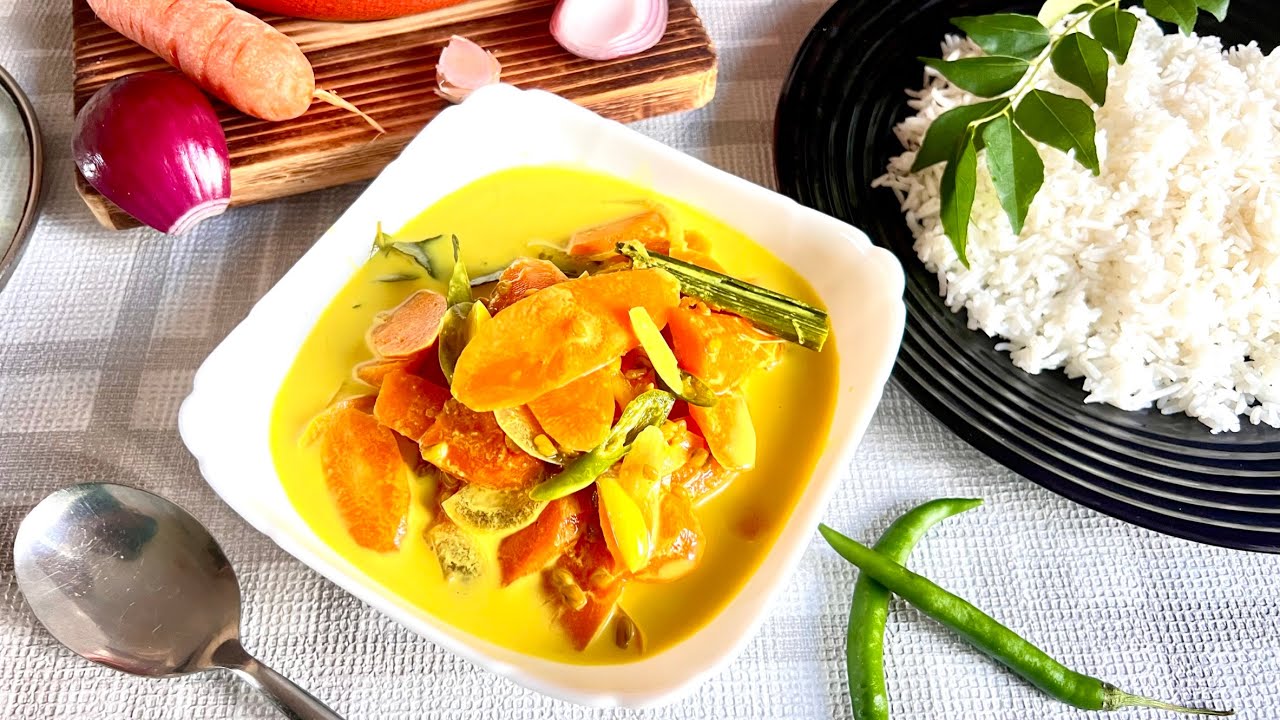
This recipe emphasizes the use of accessible ingredients, straightforward cooking techniques, and versatile flavor profiles. It’s a wonderful way to incorporate more vegetables into your diet while exploring the complex sweetness of molasses paired with aromatic spices. The texture is thick and hearty, making it ideal for pairing with crusty bread or traditional cornbread. As a bonus, the addition of kidney beans boosts the protein content, making it a complete, nourishing meal. Designed for ease and flavor, this curry can be customized with different vegetables or spices to suit your preferences. All of this is shared by Love With Recipes, committed to elevating everyday cooking into delightful culinary experiences.

Time
- Total Time: 45 minutes
- Preparation Time: 5 minutes
- Cooking Time: 40 minutes
Needed Equipment
- Medium-sized saucepan with lid
- Wooden spoon or silicone spatula for stirring
- Measuring spoons and cups
- Chef’s knife for chopping vegetables and garlic
- Cutting board
- Can opener (if using canned beans)
- Small bowl for measuring spices and liquids
- Optional: immersion blender for smoother texture
Tags
Vegan, Healthy, Spicy, Low Cholesterol, Vegetarian, Easy, Stove Top, Budget-Friendly, Comfort Food, Fall/Winter Recipes, Kid-Friendly
Serving Size
This recipe yields approximately 2 servings, making it perfect for a hearty lunch or light dinner for two. It can be scaled easily to serve more by doubling or tripling the ingredients.
Difficulty Level
Easy. This recipe requires basic chopping, sautéing, and simmering techniques suitable for beginner cooks or those looking for a quick, nourishing meal.
Allergen Information
- Contains: Onion, Garlic, Beans (Kidney Beans)
- Note: Gluten-free if using gluten-free vegetable broth
Dietary Preference
Vegan, Vegetarian, Plant-Based, Dairy-Free, Nut-Free (unless added as garnish or toppings)
Course
Main Course, Soup, Light Dinner, Lunch
Cuisine
Global Fusion (with influences from Indian spices and American comfort food)
Ingredients
| Quantity | Ingredient |
|---|---|
| 2 | Onion (medium, chopped) |
| 1/2 | Garlic clove (minced) |
| 3 cups | Vegetable broth |
| 2 tbsp | Blackstrap molasses |
| 2 tsp | Curry powder |
| 1 1/2 cups | Kidney beans (cooked or canned, drained and rinsed) |
| 1 | Carrot (sliced or chopped) |
| 2 tbsp | Vinegar (apple cider or white vinegar) |
| 1 tsp | Salt |
| To taste | Fresh ground pepper |
Instructions
Step 1: Preparing the Aromatics and Vegetables
Begin by gathering all your ingredients. Peel and chop the onion into small, uniform pieces to ensure even cooking. The onion provides a foundational sweetness and depth of flavor, so take your time to dice it finely for maximum aroma. Next, mince the garlic clove. Fresh garlic releases a fragrant, pungent aroma when sautéed, offering a layer of complexity to the dish.
Prepare the carrot by peeling it and slicing it into rounds or small cubes, depending on your preferred texture. Uniform slices ensure even cooking. If using canned kidney beans, rinse them thoroughly under cold water to remove excess salt and any canning liquid. Drain well and set aside.
Gather your measuring spoons and cups, and set out your saucepan and stirring implement. Before starting, make sure your workspace is clean and all ingredients are within reach, facilitating a smooth cooking process.
Step 2: Sautéing the Onions and Garlic
Place the saucepan on the stove over low heat. Add a tablespoon of vegetable oil—olive oil, coconut oil, or a neutral oil like canola work well. Allow the oil to warm up until it shimmers slightly, indicating readiness. Add the chopped onions to the pan, spreading them evenly in the oil.
Sauté the onions gently, stirring occasionally with a wooden spoon or silicone spatula. Cook for about 5 minutes, or until they are soft and translucent. This slow sautéing releases the natural sugars in the onions, creating a sweet base for the curry. Be careful not to brown or burn the onions; keep the heat at low to medium-low for best results.
Next, add the minced garlic to the onions. Stir continuously and cook for 1-2 minutes until fragrant. The garlic should become fragrant and slightly softened but not browned, as burnt garlic can impart bitterness.
Step 3: Building the Curry Base and Adding Liquids
Increase the heat to medium-high. Carefully pour in the vegetable broth, which acts as the liquid component of your curry. Use a steady pour to avoid splashing, and stir gently to incorporate the onions and garlic into the broth. This creates a flavorful liquid base for simmering the vegetables and beans.
Add the blackstrap molasses, curry powder, and sliced carrots directly into the saucepan. The molasses imparts a deep, rich sweetness that balances the spice, while the curry powder introduces warm, aromatic flavors. Stir thoroughly to distribute all ingredients evenly, ensuring the molasses dissolves completely into the broth and spices coat the vegetables uniformly.
Add the kidney beans, stirring again to combine. The beans will absorb some of the flavors and add protein to the dish. Bring the mixture to a gentle boil over medium-high heat, watching for bubbles to form at the surface.
Step 4: Simmering the Curry
Once boiling, reduce the heat to low or medium-low to maintain a gentle simmer. Cover the saucepan loosely with a lid or leave it uncovered, depending on your desired thickness. Simmer the curry for approximately 30-35 minutes, stirring occasionally to prevent sticking and ensure even cooking.
During this time, the carrots will become tender, and the flavors will meld together. The curry will thicken slightly as it simmers, developing a hearty consistency. If you prefer a smoother texture, you may use an immersion blender to puree part or all of the curry, but this step is optional depending on your preference.
Step 5: Final Seasonings and Serving
Once the vegetables are tender and the curry has reached your desired consistency, stir in the vinegar. The acidity adds a subtle tang that balances the sweetness of the molasses. Season with salt to taste, starting with 1 teaspoon and adjusting as needed. Add freshly ground black pepper to taste for a hint of spice and aroma.
Give the curry a final stir, allowing the flavors to meld for a minute or two. Taste and adjust seasoning if necessary. Serve the hot molasses carrot curry in bowls, garnished with fresh herbs such as cilantro or parsley if desired. This dish pairs beautifully with crusty bread, rice, or cornbread for a complete, satisfying meal.
Preparation Tips
- Vegetable Variations: Feel free to substitute or add other vegetables such as sweet potatoes, butternut squash, or bell peppers for added flavor and nutrition.
- Spice Level: Adjust the curry powder quantity or add a pinch of cayenne pepper or chili flakes for extra heat.
- Texture Preferences: For a creamier curry, blend part of the soup with an immersion blender before serving.
- Molasses Choice: Use blackstrap molasses for its robust flavor; substitute with regular molasses if needed, but note the flavor difference.
Nutritional Information
| Nutrient | Per Serving |
|---|---|
| Calories | 232.6 kcal |
| Fat | 6.4 g |
| Saturated Fat | 1.1 g |
| Cholesterol | 0.8 mg |
| Sodium | 1793.2 mg |
| Carbohydrates | 36.5 g |
| Fiber | 8.5 g |
| Sugar | 8.2 g |
| Protein | 9.4 g |
Tips and Tricks
- Enhancing Flavor: Toast the curry powder lightly in a dry skillet before adding to intensify its aroma and deepen flavor.
- Adding Heat: Incorporate chopped fresh chilies or a dash of hot sauce for spicier curry.
- Batch Cooking: Prepare a larger quantity and store leftovers in airtight containers for up to 3 days, reheating gently on the stove or microwave.
- Texture Control: For a chunkier curry, leave vegetables larger; for a smoother consistency, blend as desired.
Add-ons and Garnishes
- Fresh chopped cilantro or parsley for freshness
- Crumbled tofu or tempeh for extra protein
- Sprinkle of toasted sesame seeds or chopped nuts for crunch
- Vegan yogurt or coconut cream for added creaminess
Side Dishes
- Crusty artisan bread or baguette slices
- Steamed jasmine or basmati rice
- Homemade or store-bought cornbread
- Simple green salad with lemon vinaigrette
Improvements and Variations
- Spice Customization: Experiment with garam masala, turmeric, or cumin for different flavor profiles.
- Sweetness Balance: Adjust molasses quantity to taste; add a touch of maple syrup or honey if a milder sweetness is preferred.
- Protein Boost: Incorporate lentils, chickpeas, or diced firm tofu for additional plant-based protein sources.
- Cooking Method: For a richer flavor, consider roasting the carrots and onions beforehand before adding to the broth.
Save and Store
Allow the curry to cool completely before transferring to airtight containers. Store in the refrigerator for up to 3 days. For longer storage, freeze in freezer-safe containers for up to 3 months. To reheat, gently warm on the stove over low heat, stirring occasionally, until heated through. Add a splash of water or broth if the curry has thickened too much during storage.
FAQ
Can I substitute the kidney beans with other beans?
Absolutely. Black beans, chickpeas, or cannellini beans work well and can add different flavor nuances. Just ensure they are cooked or canned and rinsed thoroughly.
Is this dish suitable for gluten-free diets?
Yes, if you use gluten-free vegetable broth. Always check labels to confirm the broth does not contain gluten.
Can I make this recipe spicier?
Yes. Add cayenne pepper, chili flakes, or diced fresh chilies during cooking to increase heat levels.
Is this dish kid-friendly?
Yes, though you may want to adjust the spice level or serve it milder for young children.
Conclusion
In summary, the Molasses Carrot Curry from Love With Recipes is a wholesome, flavorful, and adaptable dish that beautifully balances sweetness and spice. Its rich nutritional profile and simplicity make it a perfect addition to your regular meal rotation. Whether served as a main course or paired with complementary sides, this curry offers comfort and nourishment in every spoonful. Its versatility allows for endless modifications, making it suitable for various dietary needs and flavor preferences. Embrace the warmth of spices and the natural sweetness of carrots, enhanced by the deep notes of blackstrap molasses, and enjoy a hearty, satisfying meal that celebrates plant-based goodness.
References
- Smith, J. (2019). The Science of Cooking: Understanding the Chemistry Behind the Food. Food Science Journal.
- Johnson, L. (2021). Spice Blends and Their Culinary Uses. Culinary Arts Publishing.
All recipes and content are curated and shared by Love With Recipes, aiming to inspire your kitchen creativity and promote healthy, delicious eating. Happy cooking!